 William ChambersSkotland, 1723–1796
Drawing
Må man se det?
Tager ikke imod for tiden

Victoria and Albert Museum
London, Storbritannien
Det hører til samlingen, men er ikke udstillet for tiden.
- Kontrolleret
- for 7 dage siden
- Uændret siden
- 25. sep. 2026
- Kilde
- Museets egne samlingsdata
Om værket
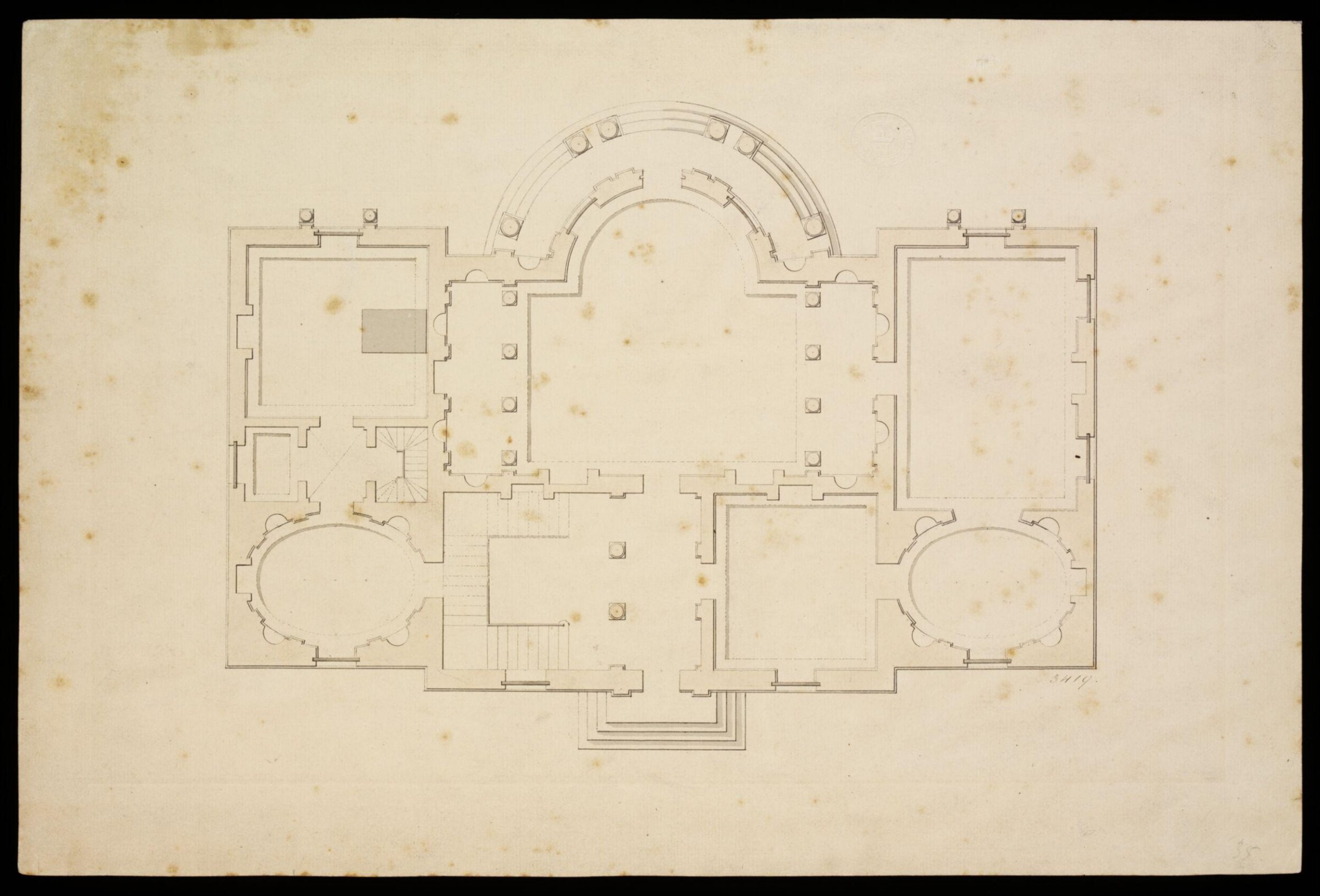
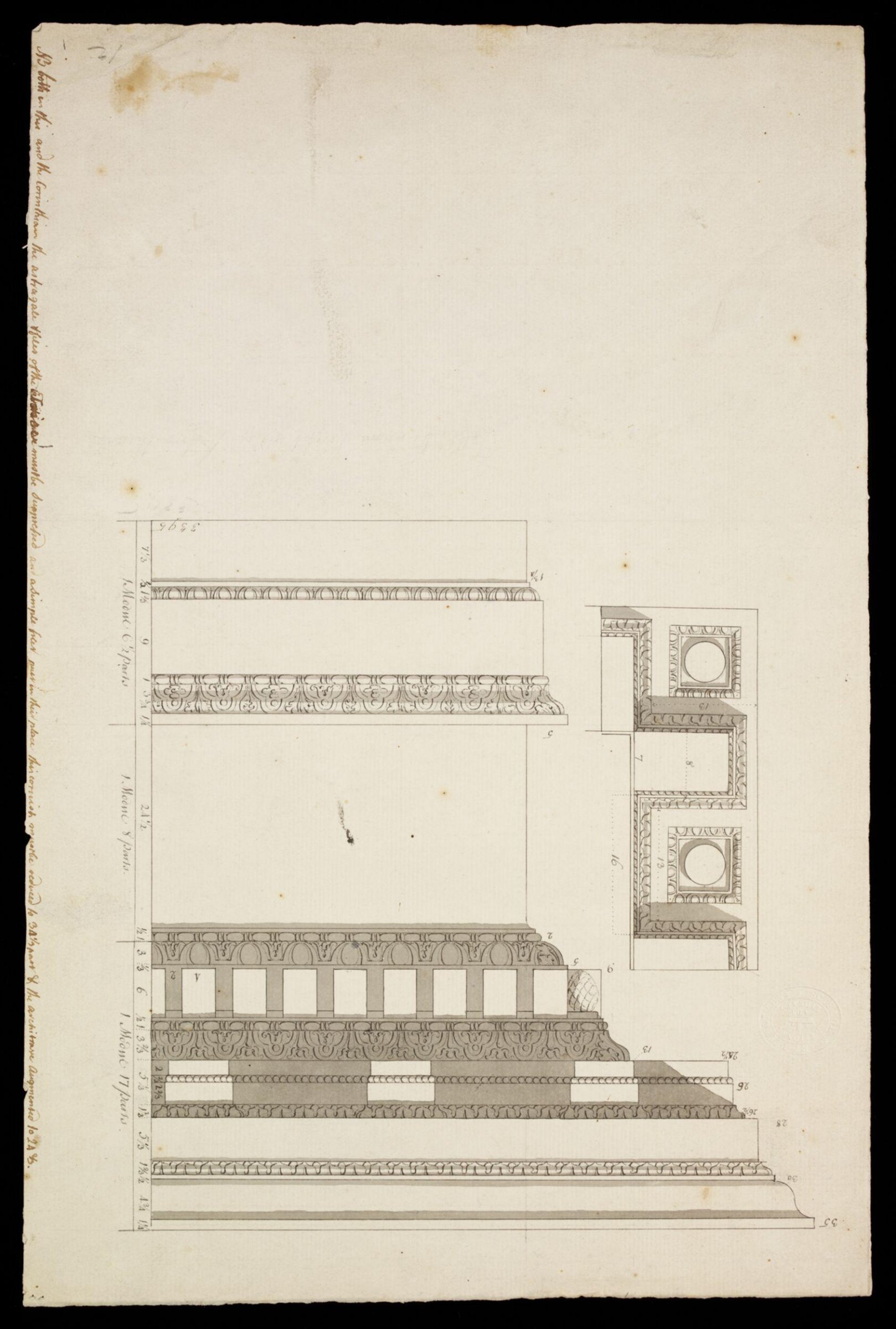
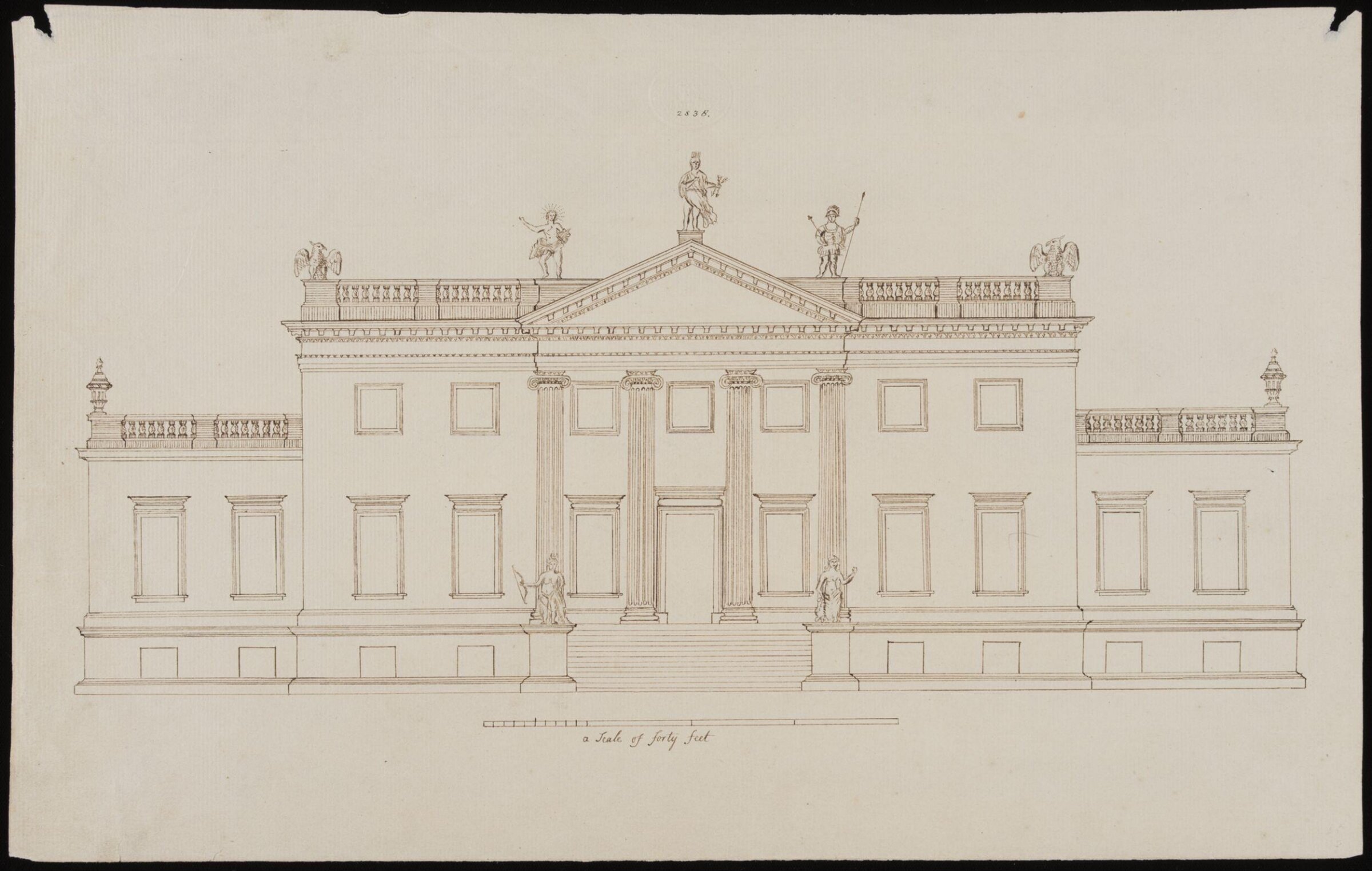
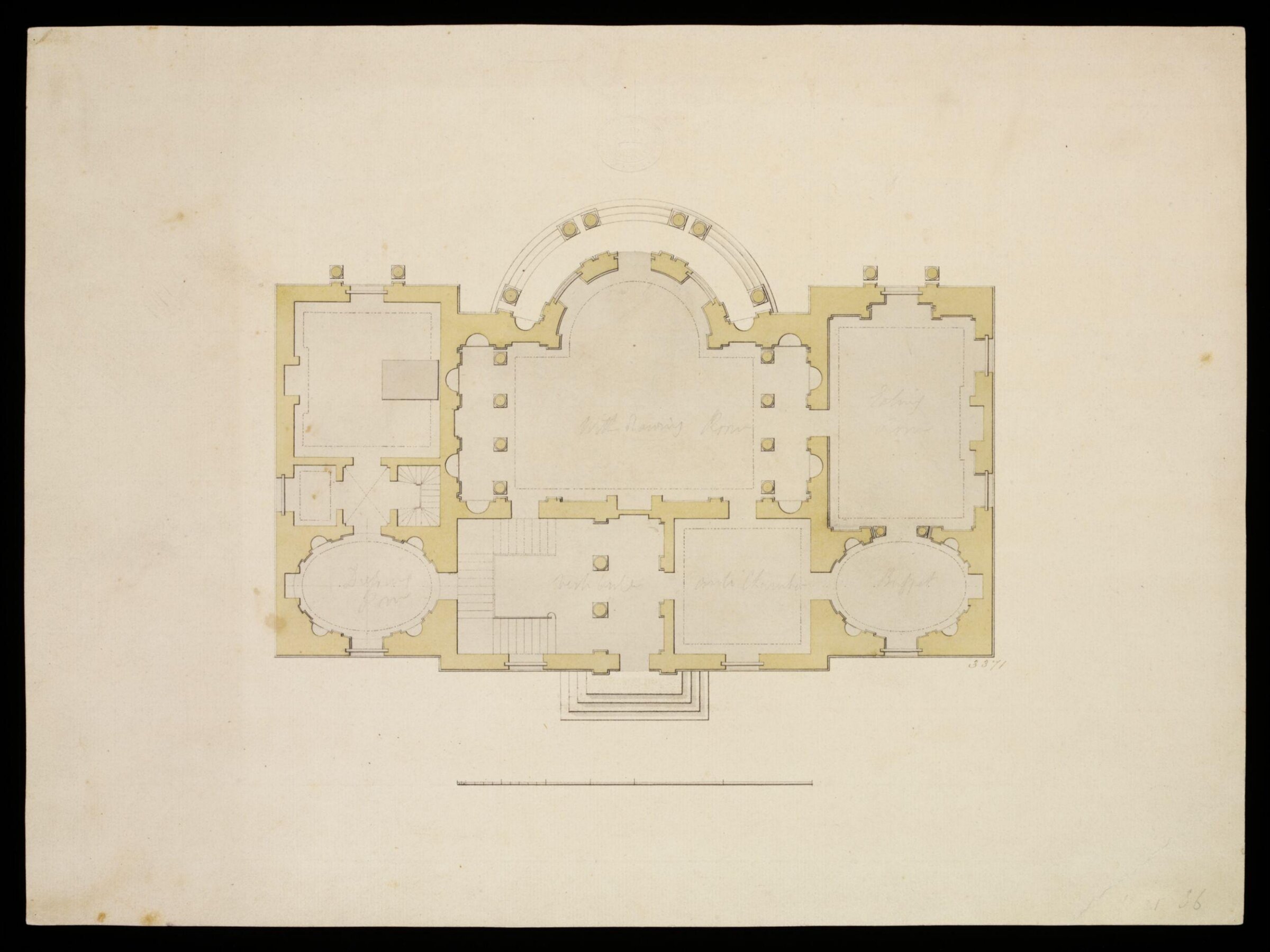
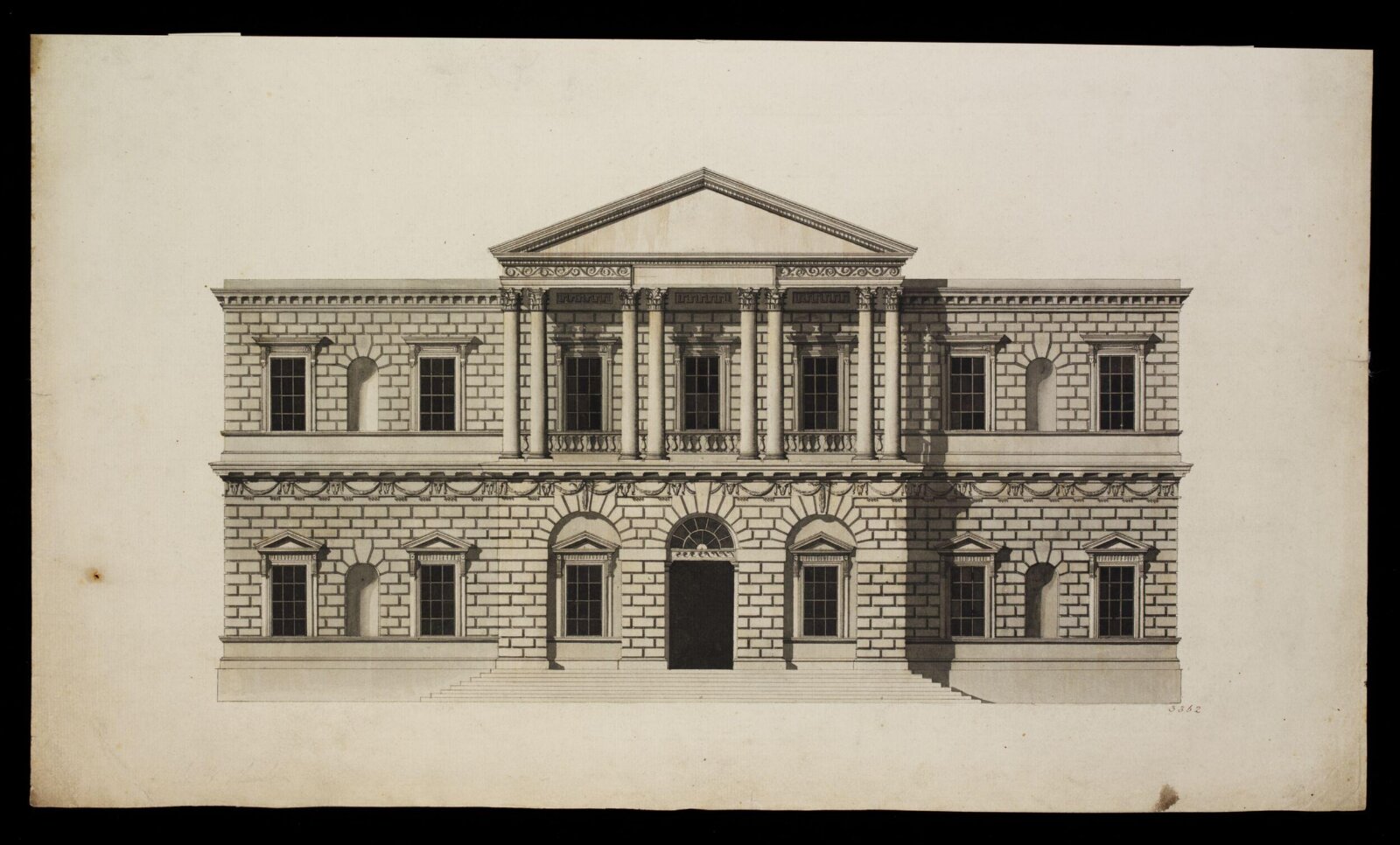
It may be assumed that this design was for the extension of the existing palace built by Carl Harleman between 1734 and 1739. The only dated evidence is a drawing for the elevation by Edward Stevens, dated 1769, in Stockholm (Harris 1970, pl.127). Chambers's designs were not used, and the palace was extended by Carl Fredrik Adelcrantz between 1770 and 1773. Chambers's only reward was to be made a Knight in the Order of the Polar Star in 1770. Chambers did, however, exhibit a design for the palace at the Royal Academy in 1775. Early in 1774, Chambers was given the commission to design the park, and sent proposals to the Swedish Envoy in London and, later the same year, directly to Sweden. It seems that little or nothing of those schemes was executed, although a garden in the English taste was made. This was drawn in an office hand and may be related to the one exhibited at the Royal Academy in 1775, although it is too poorly drawn and presented to be the exhibited drawing itself.
Read on
Chambers was born in Sweden and died in London. He travelled widely, visiting China, and studied architecture at the Ecole des Arts, Paris, from 1749 and in Italy from 1750 to 1755. Many of his drawings from this period are contained in his important 'Franco-Italian' album, held in the V&A. Chambers moved to London in 1755 and published his influential Treatise on Civil Architecture in 1759. Chambers demonstrated the breadth of his style in buildings such as Gower (later Carrington) House and Melbourne House, London, in such country houses as Duddingston, Scotland, and in the garden architecture he designed for Wilton House, Wiltshire, and at Kew Gardens. He became head of government building in 1782, and in this capacity built Somerset House, London.
Victoria and Albert Museum
Oplysninger
- Inventarnummer
- 3362
What it shows
I kataloget
Kilder
- Victoria and Albert Museum: the museum's own open data · hentet for 7 dage siden
- Billede: Victoria and Albert Museum — © Victoria and Albert Museum, London