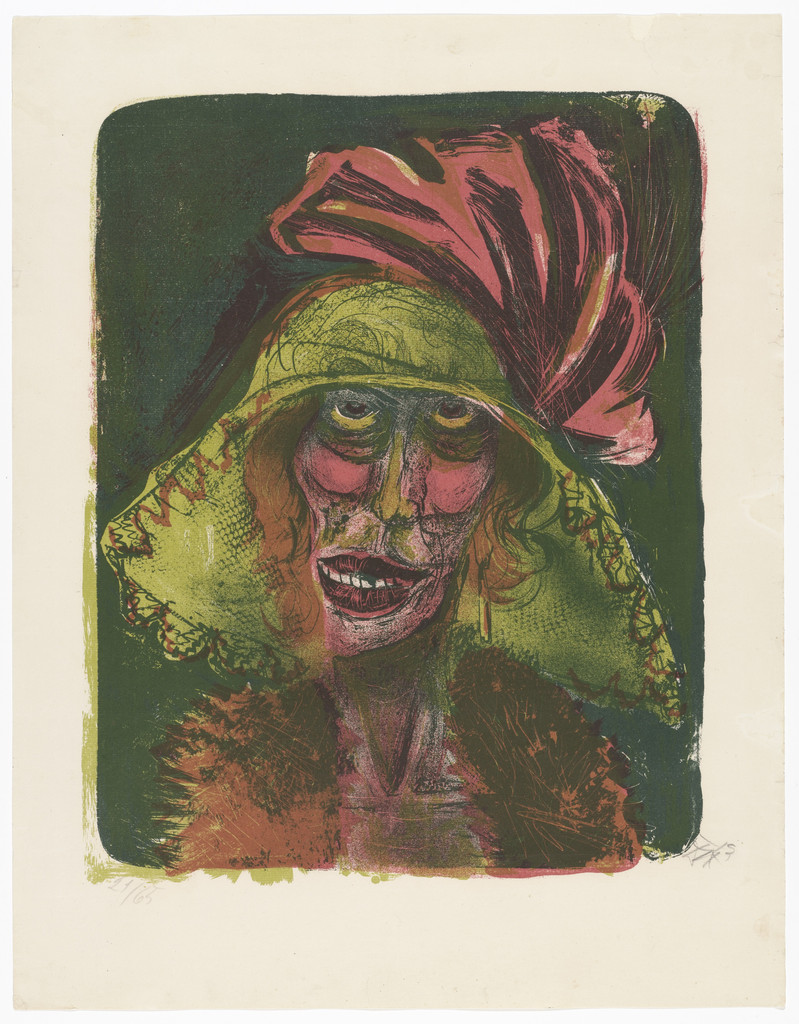
 Otto DixTyskland, 1891–1969
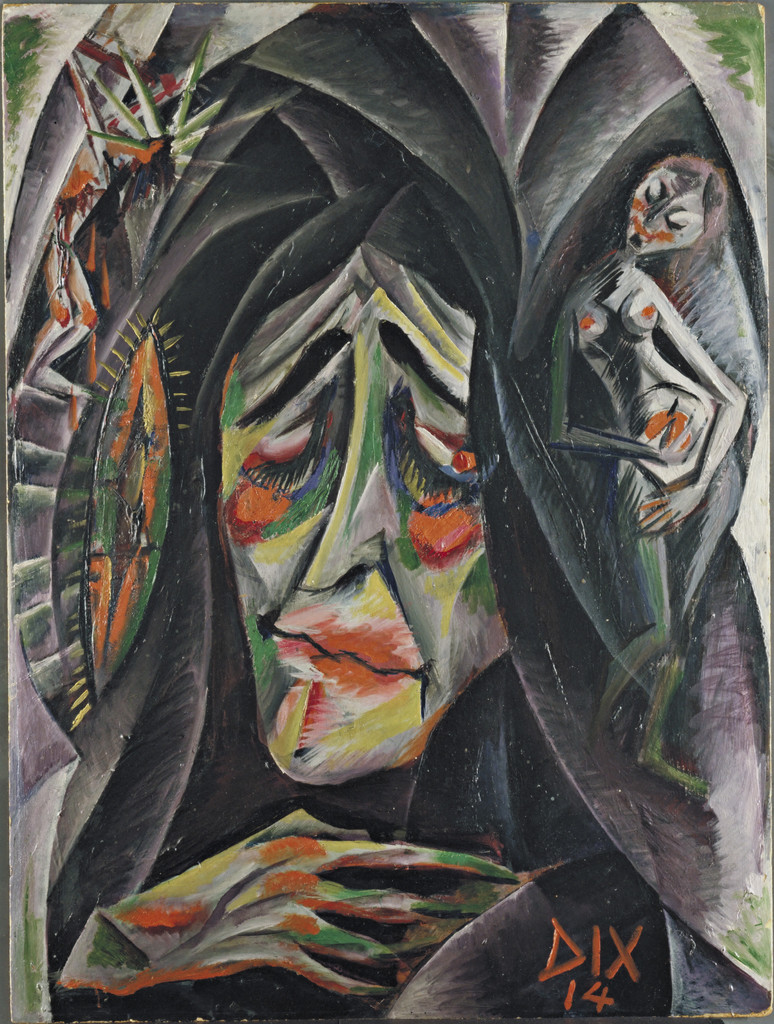
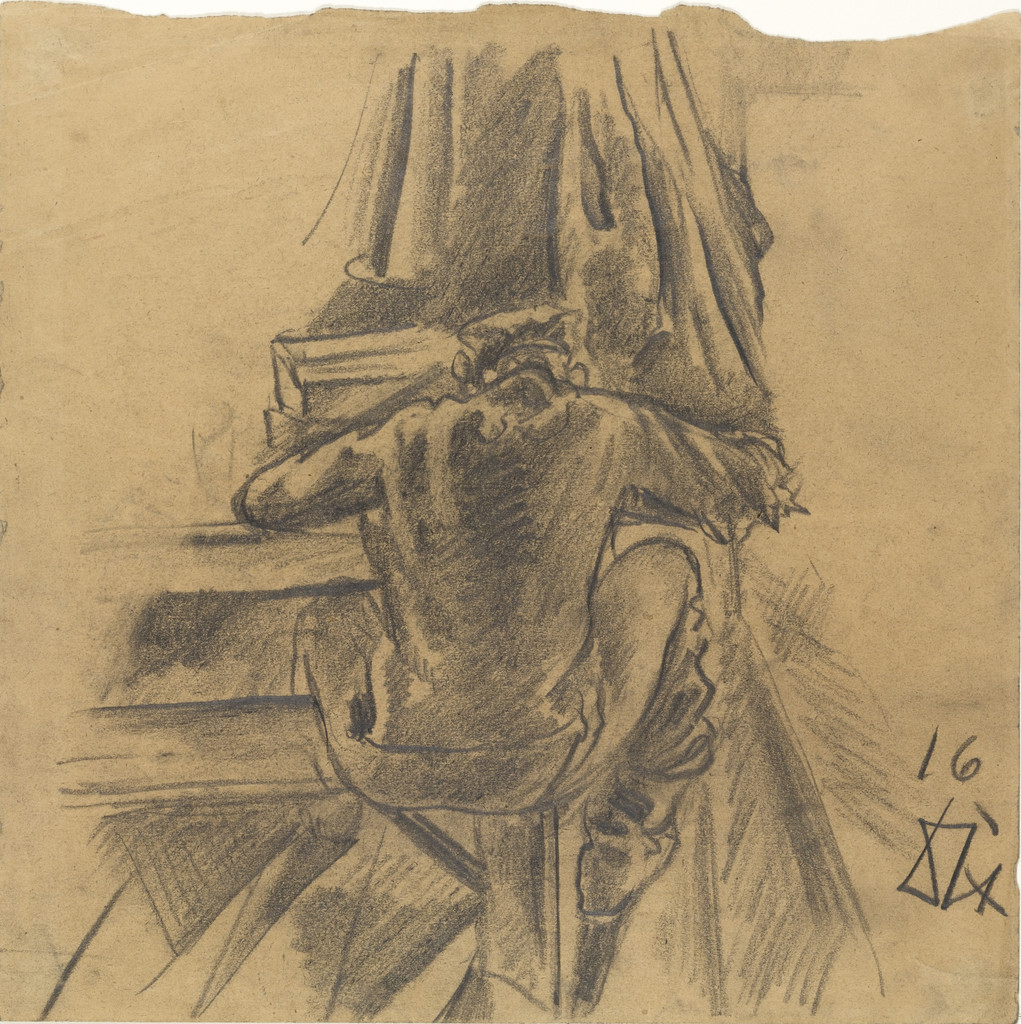
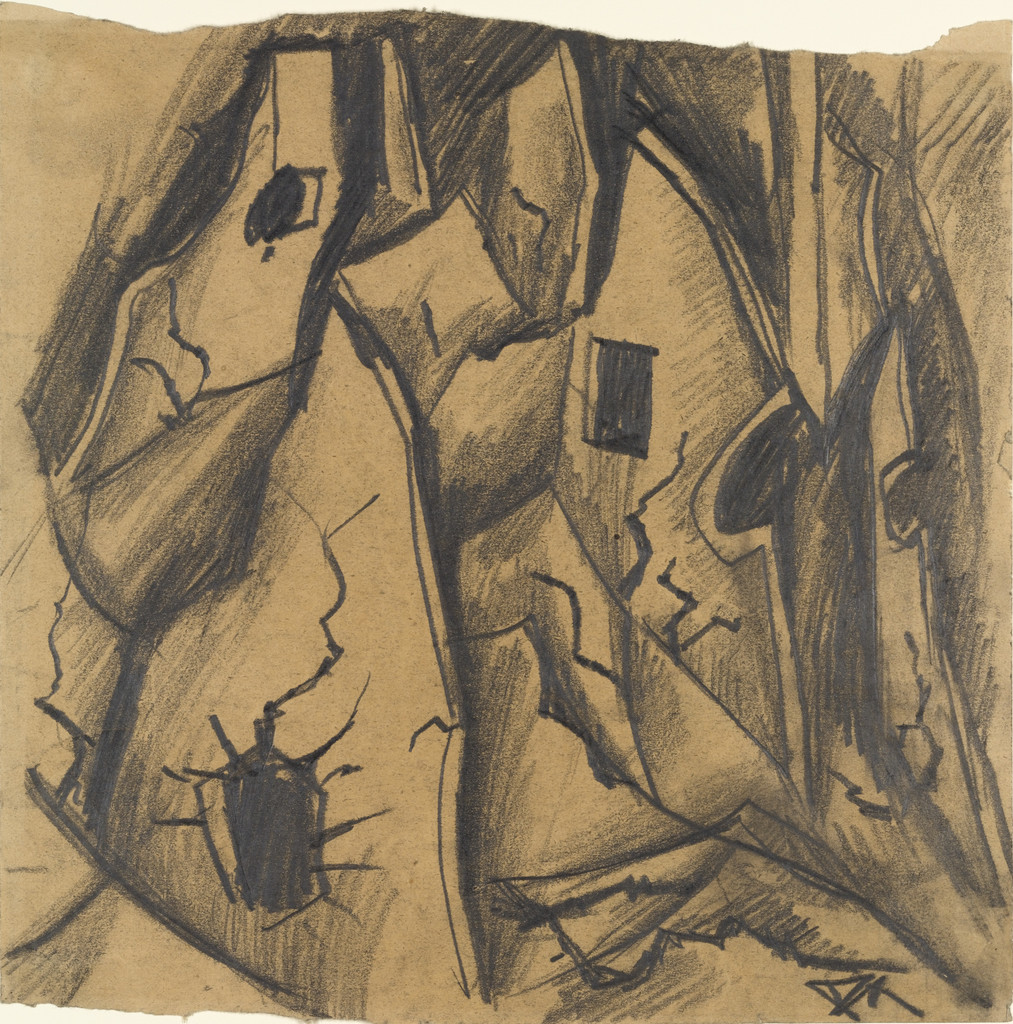
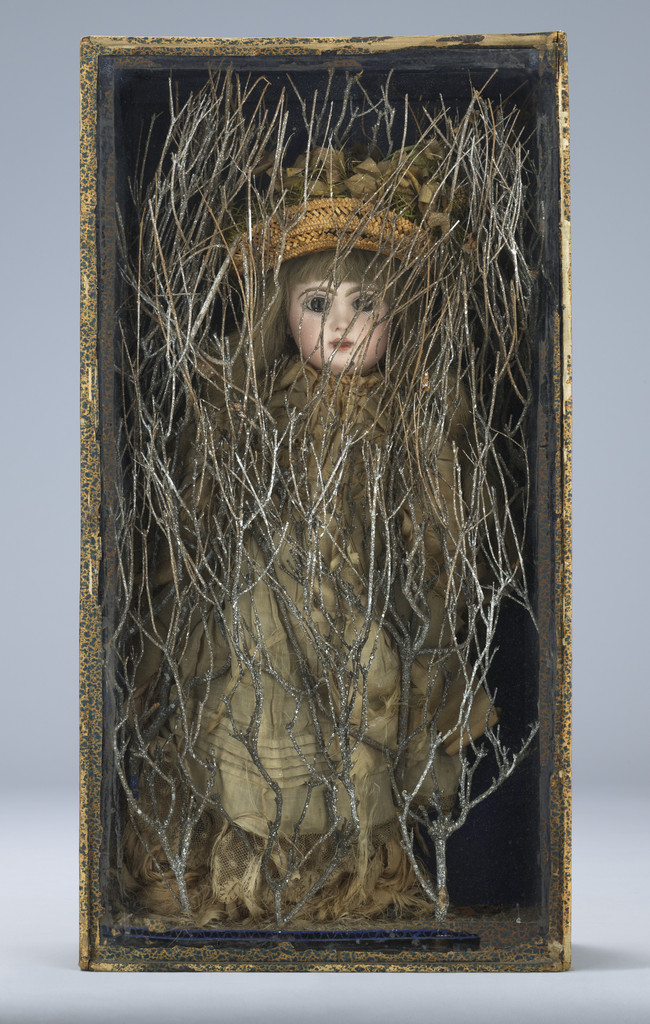
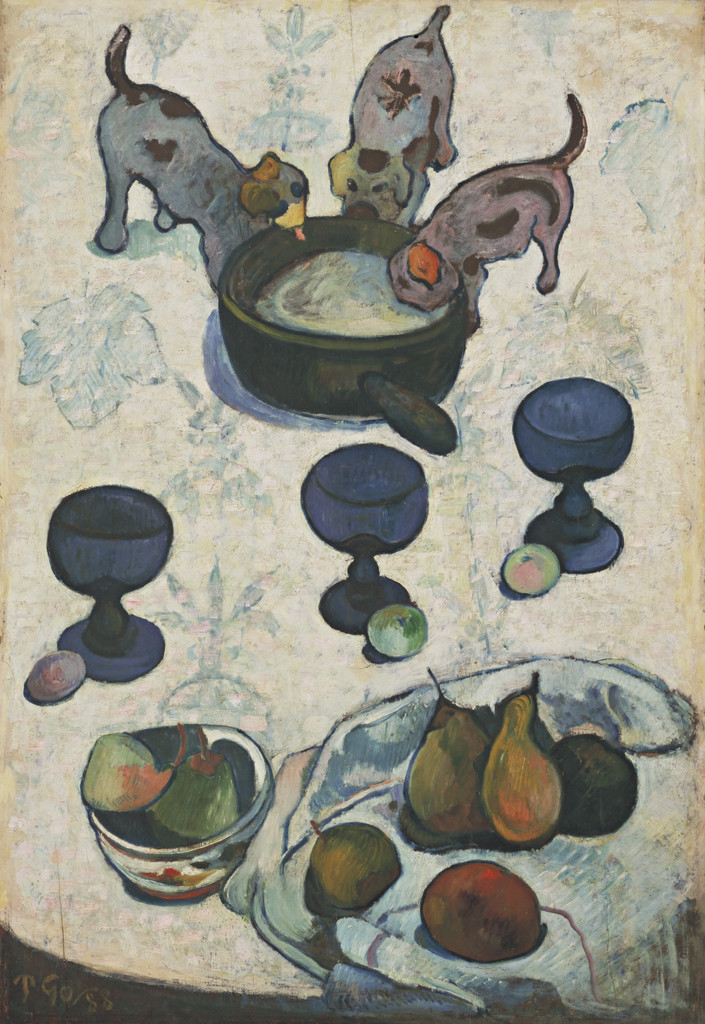
Leonie
Må man se det?
Tager ikke imod for tiden

Museum of Modern Art
New York City, USA
Det hører til samlingen, men er ikke udstillet for tiden.
- Kontrolleret
- for 11 dage siden
- Kilde
- Museets egne samlingsdata
Oplysninger
- Inventarnummer
- 19.2009
Kilder
- Museum of Modern Art: the museum's own open data · hentet for 11 dage siden
- Billede: Museum of Modern Art — © the artist or rights holder
Imens i livet hos Otto Dix
Hele livet1920s
A ruthless chronicle of Weimar Germany
Like Grosz, Dix is extremely critical of contemporary German society, unsparingly depicting prostitution, violence, old age and death and often dwelling on Lustmord, or sexualized murder. His legless and disfigured veterans, a common sight on Berlin's streets in the 1920s, reveal the ugly side of war and the forgotten status of these men in German society.
1921
Meeting Martha Koch
Dix meets the metalsmith Martha Koch; they will marry in 1923 and have three children, and she becomes a frequent subject of his portraits.
1. februar 1923
Married: Martha Dix
14. juni 1923
Daughter born: Nelly Dix
1925
The Neue Sachlichkeit exhibition in Mannheim
Dix contributes to the Neue Sachlichkeit exhibition in Mannheim, which also features works by George Grosz, Max Beckmann, Heinrich Maria Davringhausen, Karl Hubbuch, Rudolf Schlichter, Georg Scholz and many others.
1925
The Trench scandal: Adenauer cancels the purchase
The Trench causes such a furor that the Wallraf-Richartz Museum hides the painting behind a curtain; in 1925 the then-mayor of Cologne, Konrad Adenauer, cancels the purchase of the painting and forces the museum's director to resign.