
 Mark RothkoUSA, 1903–1970
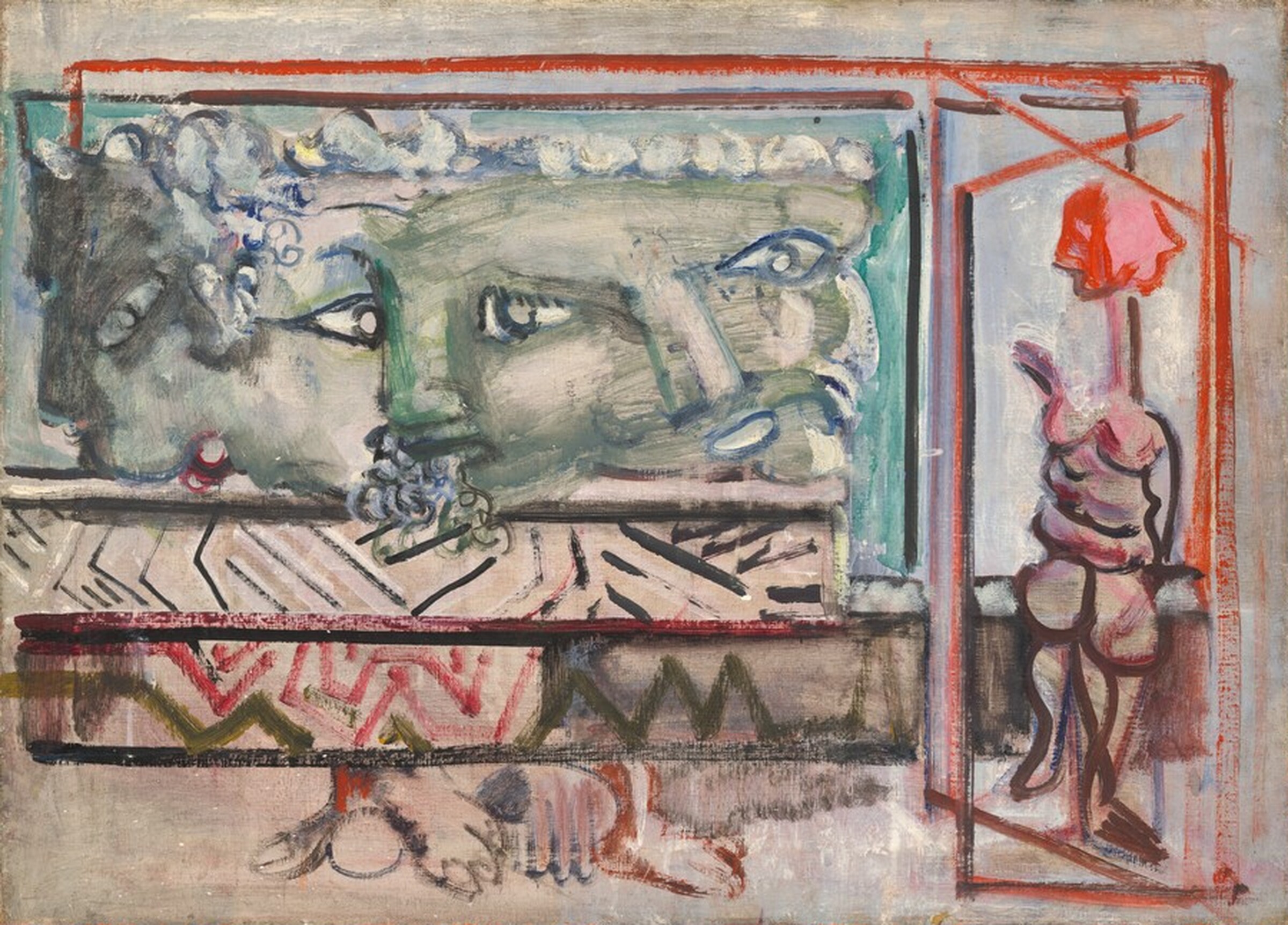
No. 22
Må man se det?
Tager ikke imod for tiden

National Gallery of Art
Washington, D.C., USA
Det hører til samlingen, men er ikke udstillet for tiden.
- Kontrolleret
- for 1 time siden
- Uændret siden
- 19. aug. 2026
- Kilde
- Museets egne samlingsdata
Oplysninger
- Inventarnummer
- 1986.43.2
What it shows
I kataloget
Kilder
- National Gallery of Art: the museum's own open data · hentet for 3 dage siden
- Billede: National Gallery of Art — © the artist or rights holder
Imens i livet hos Mark Rothko
Hele livet1946
The first Rothko in a museum collection
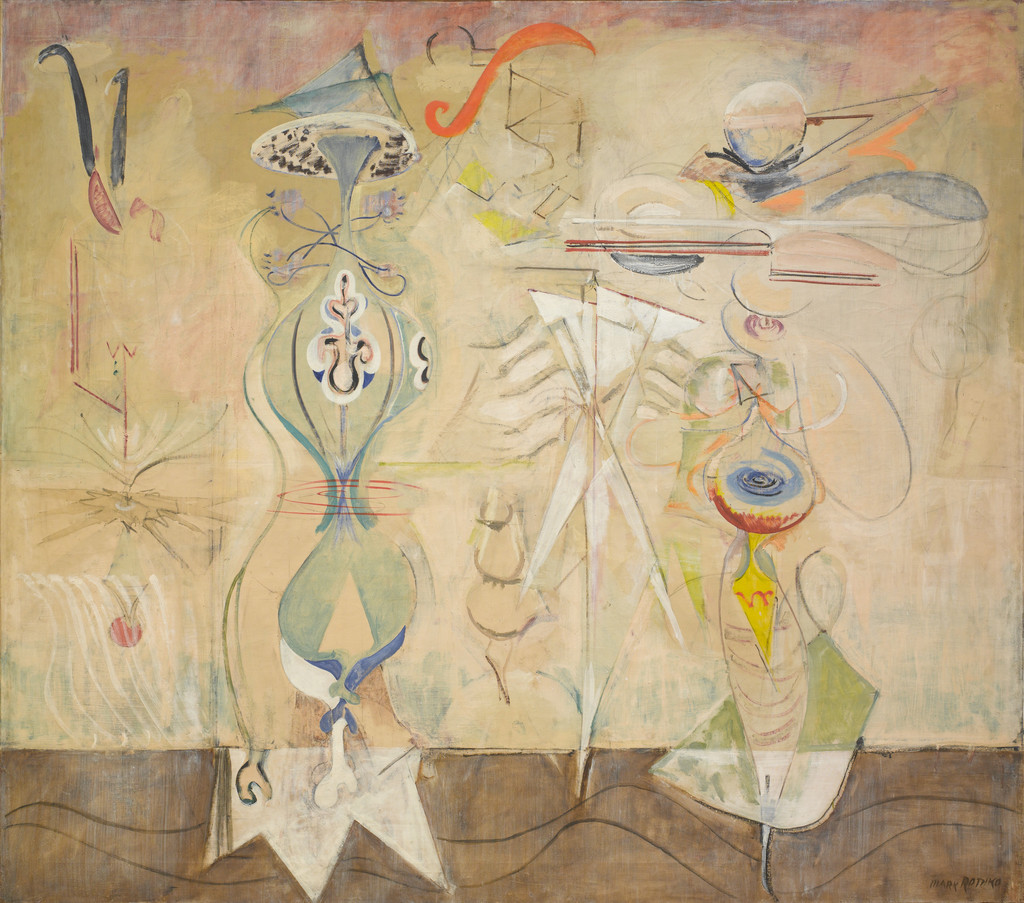
The Whitney Museum, which included Rothko’s surrealist works in its annual exhibition from 1943 to 1950, acquired Baptismal Scene (1945) in 1946: the first of his works to enter a museum collection, a key milestone in his career.
3 – 22 March 1947
A first solo show with Betty Parsons
Rothko’s first solo exhibition at the Betty Parsons Gallery ran from 3 to 22 March 1947; he showed there again in 1950 and 1951.
October 1948
Rothko’s mother dies
Rothko’s mother, Kate, died in October 1948; the discovery of his definitive form came at a period of great distress.
1948–1949
The “Subjects of the Artist” school
In 1948 Rothko, Robert Motherwell, William Baziotes, Barnett Newman and David Hare founded the Subjects of the Artist school at 35 East 8th Street, with public lectures by Jean Arp, John Cage and Ad Reinhardt; it failed financially and closed in the spring of 1949. Besides teaching, Rothko began writing for the new magazines Tiger’s Eye and Possibilities.
early 1949
New paintings at Parsons: a “revelation”
After painting his first multiform Rothko shut himself away at his house in East Hampton and invited only a select few, among them the critic Harold Rosenberg, to see the new paintings. In early 1949 he showed them at the Betty Parsons Gallery, where Rosenberg found them nothing short of a revelation.
1949–1956
Large vertical canvases: being “inside” the picture
For seven years Rothko painted in oil only on large vertical canvases so that the viewer would feel “enveloped within” the painting. Critics saw this as compensating for a lack of substance; he replied that he painted large because he wanted to be intimate, and advised viewers to stand as close as eighteen inches away.






![Scenes from the Passion of Christ: The Descent into Limbo [right panel], Andrea Vanni, 1380s](https://api.nga.gov/iiif/4205a539-eadd-4486-89a7-3cff9c1ba428/full/!2400,2400/0/default.jpg)


