
 Robert RauschenbergUSA, 1925–2008
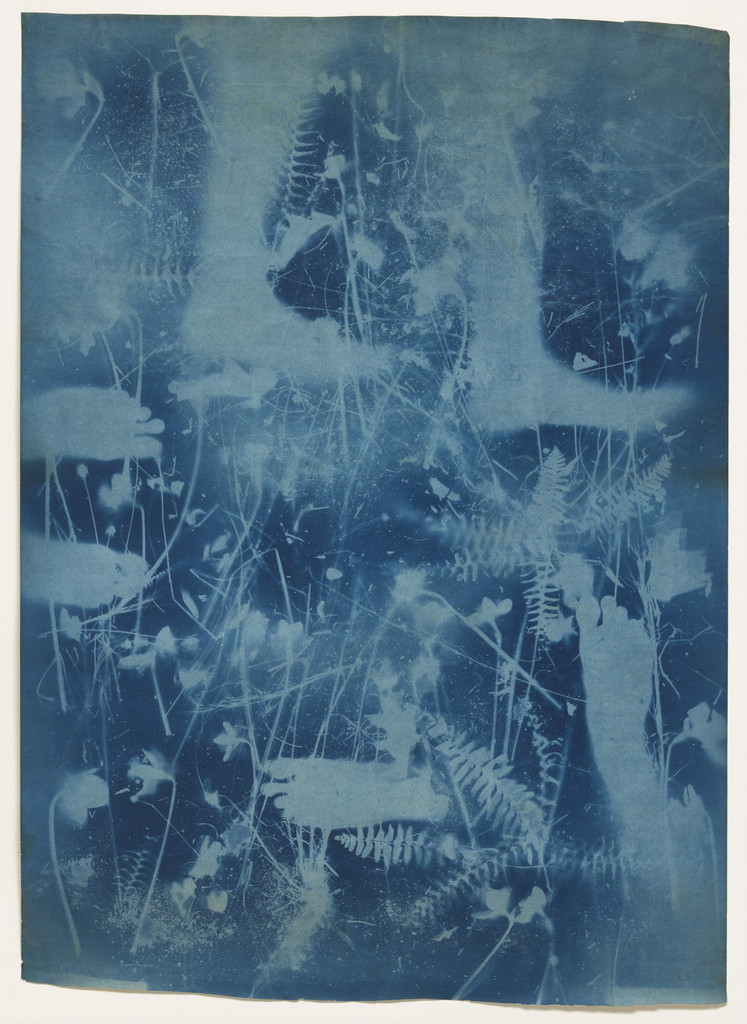
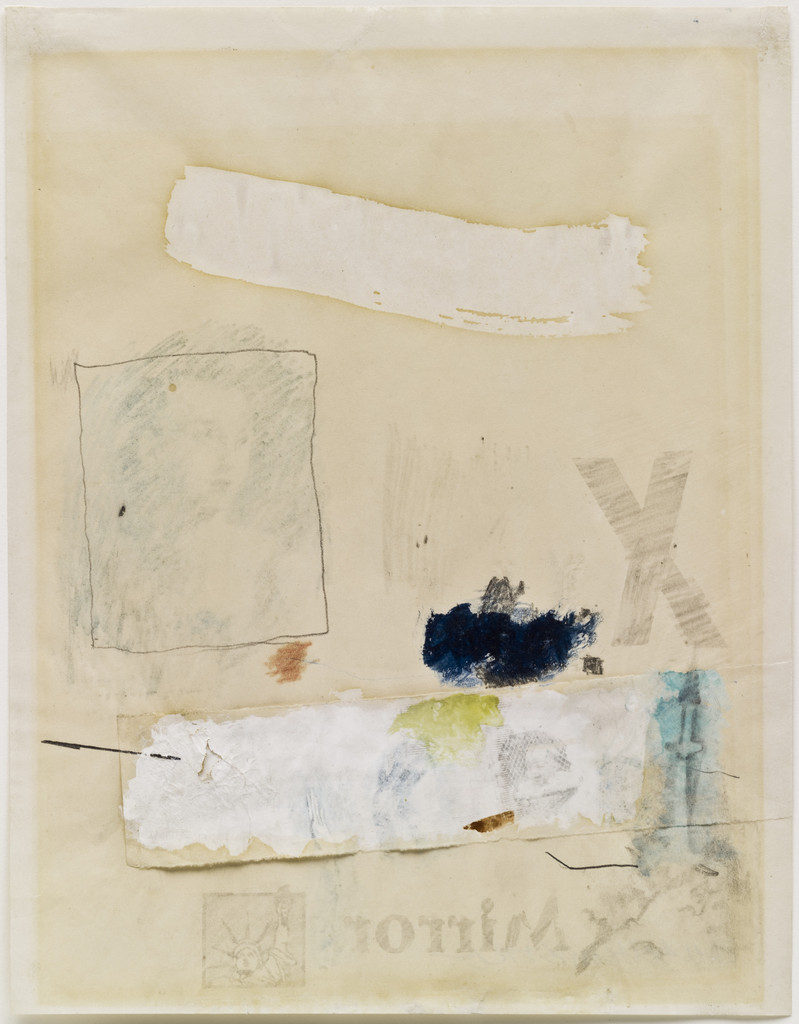
Rival
Må man se det?
Tager ikke imod for tiden

National Gallery of Art
Washington, D.C., USA
Det hører til samlingen, men er ikke udstillet for tiden.
- Kontrolleret
- for 6 timer siden
- Uændret siden
- 19. aug. 2026
- Kilde
- Museets egne samlingsdata
Oplysninger
- Inventarnummer
- 1976.56.130
What it shows
I kataloget
Kilder
- National Gallery of Art: the museum's own open data · hentet for 4 dage siden
- Billede: National Gallery of Art — © the artist or rights holder
Imens i livet hos Robert Rauschenberg
Hele livet1954–1961
Lives with the artist Jasper Johns
From 1954 to 1961 Rauschenberg lived with his partner, the artist Jasper Johns. They constantly exchanged ideas and took part in each other's work, but never made objects under joint authorship.
1962
Takes up silkscreen after visiting Warhol's studio
By 1962 Rauschenberg's paintings took in not only found objects but found images: after a visit to Andy Warhol's studio he began transferring photographs to canvas by silkscreen, a technique of commercial printing. The silkscreen paintings of 1962–1964 led critics to identify him with Pop art.
1963
First retrospective, at the Jewish Museum
Rauschenberg's first career retrospective was organised by the Jewish Museum in New York.
May 1963
Choreographs his first performance, “Pelican”
In the early 1960s Rauschenberg was involved in the radical dance-theatre experiments at Judson Memorial Church in Greenwich Village, and in May 1963 he choreographed his first performance, “Pelican”, for the Judson Dance Theater. His close friends from Cunningham's circle — Carolyn Brown, Viola Farber and Steve Paxton — danced in his pieces.
1964
Grand Prize at the Venice Biennale
At the 32nd Venice Biennale Rauschenberg won the International Grand Prize in Painting, one of the first Americans to do so (James Whistler and Mark Tobey had won painting prizes in 1895 and 1958). The prize has been called the official recognition of Pop art.
28. juni 1964 – 6. oktober 1964
Exhibition: Documenta III




![Scenes from the Passion of Christ: The Descent into Limbo [right panel], Andrea Vanni, 1380s](https://api.nga.gov/iiif/4205a539-eadd-4486-89a7-3cff9c1ba428/full/!2400,2400/0/default.jpg)


