Edgar DegasFrankrig, 1834–1917
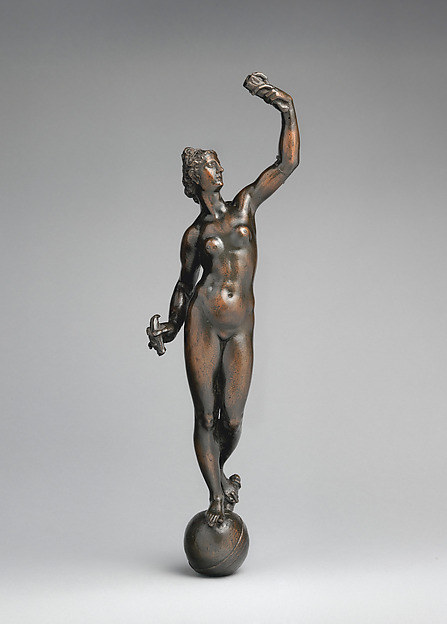
Second Arabesque
Må man se det?
Ja, det tager imod

Metropolitan Museum of Art
Sal814New York City, USA
Udstillet for publikum. Hvem der står inde for det, står nedenfor.
- Kontrolleret
- for 4 timer siden
- Uændret siden
- 27. sep. 2026
- Kilde
- Museets egne samlingsdata
Oplysninger
- Inventarnummer
- 29.100.401
What it shows
Kilder
- Metropolitan Museum of Art: the museum's own open data · hentet for 4 dage siden
- Billede: Metropolitan Museum of Art — Open Access (CC0)
Imens i livet hos Edgar Degas
Hele livet1886
The eighth exhibition: pastel nudes, and the end of the group
At the last Impressionist exhibition Degas showed a suite of pastel nudes, which drew more critical writing than anything else in his lifetime, mostly laudatory. The group broke up, partly through rancour over the inclusion of non-Impressionists such as Forain and Raffaëlli.
after 1886
Into the shadows: he stops exhibiting
After 1886 Degas stopped exhibiting and sold his pictures at high prices through a narrow circle of agents. By the end of the decade he had in effect fulfilled his wish to be “famous and unknown”, withdrawing among close friends.
1890s
The Dreyfus Affair: a break with his Jewish friends
The Dreyfus Affair intensified Degas's antisemitism: by the mid-1890s he had broken with all his Jewish friends and refused to use models he thought might be Jewish; the affair also set him at odds with Mary Cassatt. He remained among the Anti-Dreyfusards until his death.
1912
A forced move, and the end of his work
In 1912 the impending demolition of his house on the rue Victor Massé, where he had lived for years, forced Degas to move to the Boulevard de Clichy; he apparently ceased working then, although he is known to have used pastel as late as the end of 1907 and is believed to have made sculptures until 1910. In his last years, nearly blind and unmarried, he wandered restlessly through the streets of Paris.
1915
Cassatt and Degas shown in aid of women's suffrage
Louisine Havemeyer organized a joint exhibition of Cassatt and Degas held in aid of women's suffrage; Cassatt later expressed satisfaction at the irony.
27. september 1917
Died