John Singer SargentUSA, 1856–1925
The Breakfast Table
Må man se det?
Ja, det tager imod

Harvard Art Museums
Sal2100, floor 2, European and American Art, 17th–19th centuryCambridge, USA
Udstillet for publikum. Hvem der står inde for det, står nedenfor.
- Kontrolleret
- for 3 dage siden
- Uændret siden
- 27. sep. 2026
- Kilde
- Museets egne samlingsdata
Oplysninger
- Inventarnummer
- 1943.150
I kataloget
Kilder
- Harvard Art Museums: the museum's own open data · hentet for 3 dage siden
- Billede: Harvard Art Museums — © President and Fellows of Harvard College
Imens i livet hos John Singer Sargent
Hele livetearly 1880s
Full-length portraits of women at the Salon, year after year
Upon his return to Paris Sargent quickly receives several portrait commissions and his career is launched: in the early 1880s he regularly exhibits portraits at the Salon, mostly full-length portrayals of women such as “Madame Edouard Pailleron” (1880, done en plein air) and “Madame Ramón Subercaseaux” (1881), continuing to receive positive critical notice.
1882
The start of a long friendship with Albert de Belleroche
In 1882 Sargent meets the aristocratic artist Albert de Belleroche, with whom he later travels frequently; scholars regard him as Sargent's likely lover.
1882
Henry James urges him to move to London
As early as 1882 Sargent considers moving to London, repeatedly urged to do so by his new friend, the novelist Henry James, who had praised the artist's early work.
1884
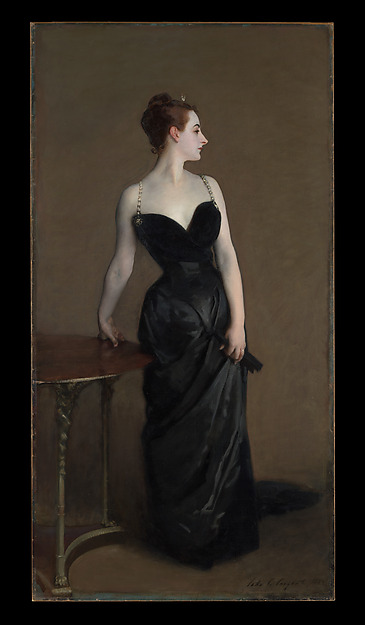
“Madame X” at the Salon: a scandal
Sargent himself pursued Virginie Gautreau for the opportunity to paint her and worked on the portrait for well over a year; unveiled at the 1884 Salon it arouses such a negative reaction that it likely prompts his move to London, and repainting the dress strap does not undo the damage: French commissions dry up.
1885
A visit to Monet at Giverny
On a visit to Claude Monet at Giverny in 1885 Sargent paints one of his most Impressionistic portraits, “Claude Monet Painting at the Edge of a Wood”, with Monet's new bride nearby; after that visit he begins to paint outdoors in the plein-air manner and buys four Monet works for his own collection.
1886
Moving to London, to artistic Chelsea
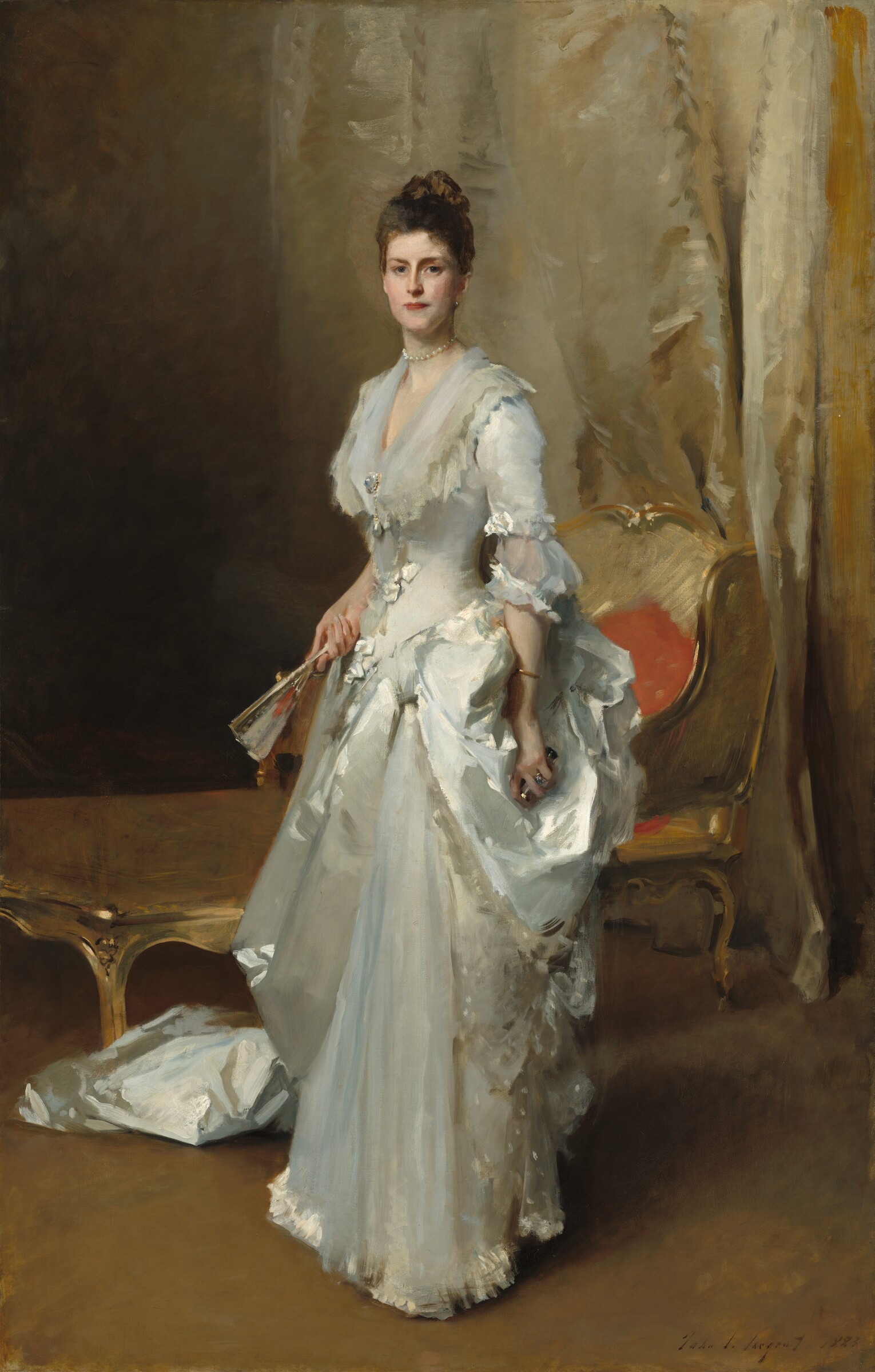
The portrait commissions that follow his Royal Academy showings encourage Sargent to complete his move to London in 1886, where he settles in the artistic community of Chelsea. English critics are not warm at first, faulting his “Frenchified” handling of paint, but with the help of Mrs. White, and with Henry James's push, he soon gains the admiration of English patrons and critics.