 Auguste RodinFrankreich, 1840–1917
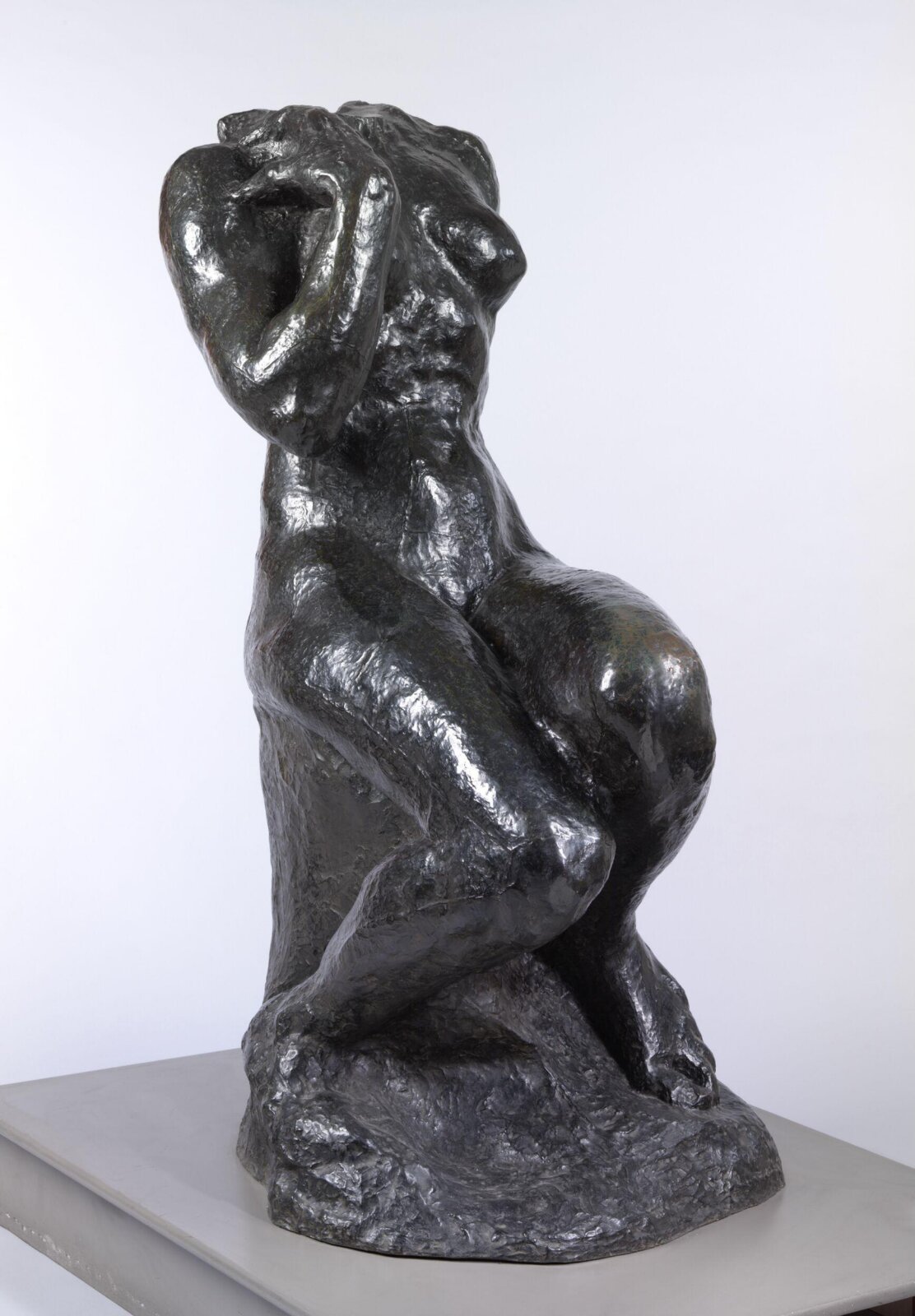
Cybele
Darf man es sehen?
Ja, es empfängt Besucher

Victoria and Albert Museum
SaalSculpture, Room 21, The Dorothy and Michael Hintze GalleriesLondon, Vereinigtes Königreich
Öffentlich ausgestellt. Wer dafür bürgt, steht unten.
- Geprüft
- vor 7 Tagen
- Unverändert seit
- 25. Sept. 2026
- Quelle
- Sammlungsdaten des Museums selbst
About the sculpture
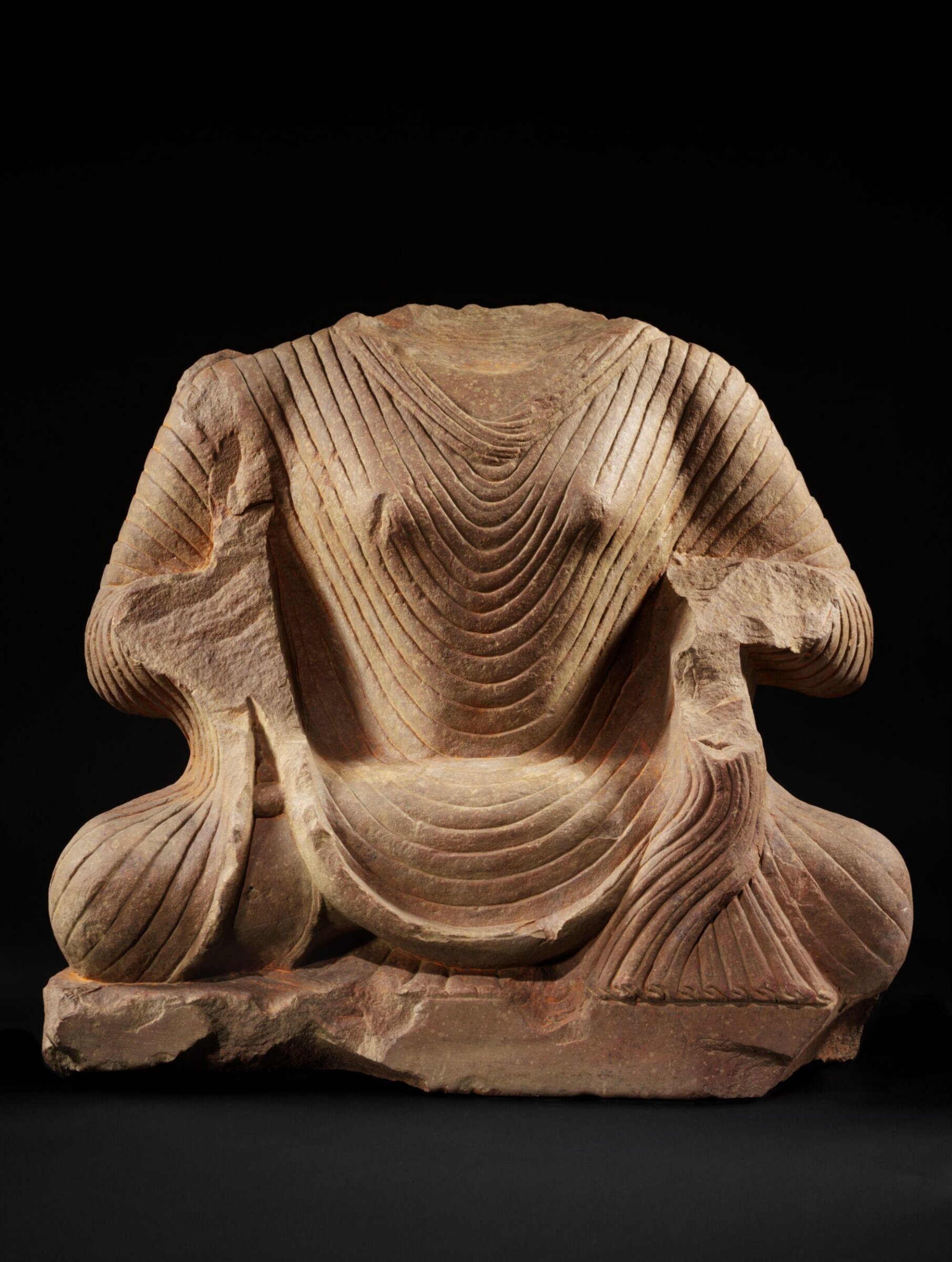
This was one of the first of Rodin's truncated, partial figures or 'fragments' to be shown as sculpture in its own right, rather than as an incomplete study. Inspired in part by damaged classical sculpture and incomplete work by Michelangelo, which he had studied in the Louvre and in Italy, these partial figures held great significance for the development of sculpture in the 20th century, influencing a number of sculptors including Henry Moore.
Read on
The model for this figure was Anna Abbruzzesi, a well-known model whom Rodin admired. It first appeared with a head as part of the third maquette (study) for the monument to Victor Hugo. A small version of the figure was originally conceived for The Gates of Hell, the bronze portal and doors for the new Museum of Decorative Arts, Paris, which Rodin was asked to design in 1880. The enlarged plaster version, exhibited as 'une figure' in the 1905 Salon, was the work of Rodin's trusted assistant Henri Lebossé. This bronze is the only cast made in Rodin's lifetime. It was produced specially for an exhibition of contemporary French art at Grosvenor House in London in 1914 where it was called 'Cybele', the ancient Greek goddess of the earth, and it was presented by Rodin to the V&A later that year.
Victoria and Albert Museum
Angaben
- Inventarnummer
- A.35-1914
What it shows
Im Katalog
Quellen
- Victoria and Albert Museum: the museum's own open data · abgerufen vor 7 Tagen
- Bild: Victoria and Albert Museum — © Victoria and Albert Museum, London
Derweil im Leben von Auguste Rodin
Das ganze Leben1890s–1900s
Young sculptors in Rodin's studio
His income let him hire gifted young sculptors, among them Antoine Bourdelle, Charles Despiau, Jules Desbois, François Pompon and Aristide Maillol. Constantin Brancusi left after two months, convinced that nothing grows under a big tree.
1900s
Portraits of the famous and the rich
Rodin began to receive regular commissions for portraits; his clients included Bernard Shaw, Gustav Mahler, Georges Clemenceau, the Argentine president Sarmiento, the chemist Berthelot and the philanthropist Bertha Palmer. Clemenceau was displeased: he thought the portrait looked like a “Mongol general”.
1903
Succeeds Whistler as head of the International Society
After the death of James Abbott McNeill Whistler, Rodin was elected president of the International Society of Painters, Sculptors and Engravers, largely thanks to Albert Ludovici.
20. Mai 1903 · Auszeichnung
Commander of the Legion of Honour
1905 · Auszeichnung
honorary doctor of the University of Jena
1905–1906
Rilke as Rodin's secretary
In 1905–1906 the sculptor's private secretary was the German poet Rainer Maria Rilke, who later wrote an admiring monograph on Rodin.