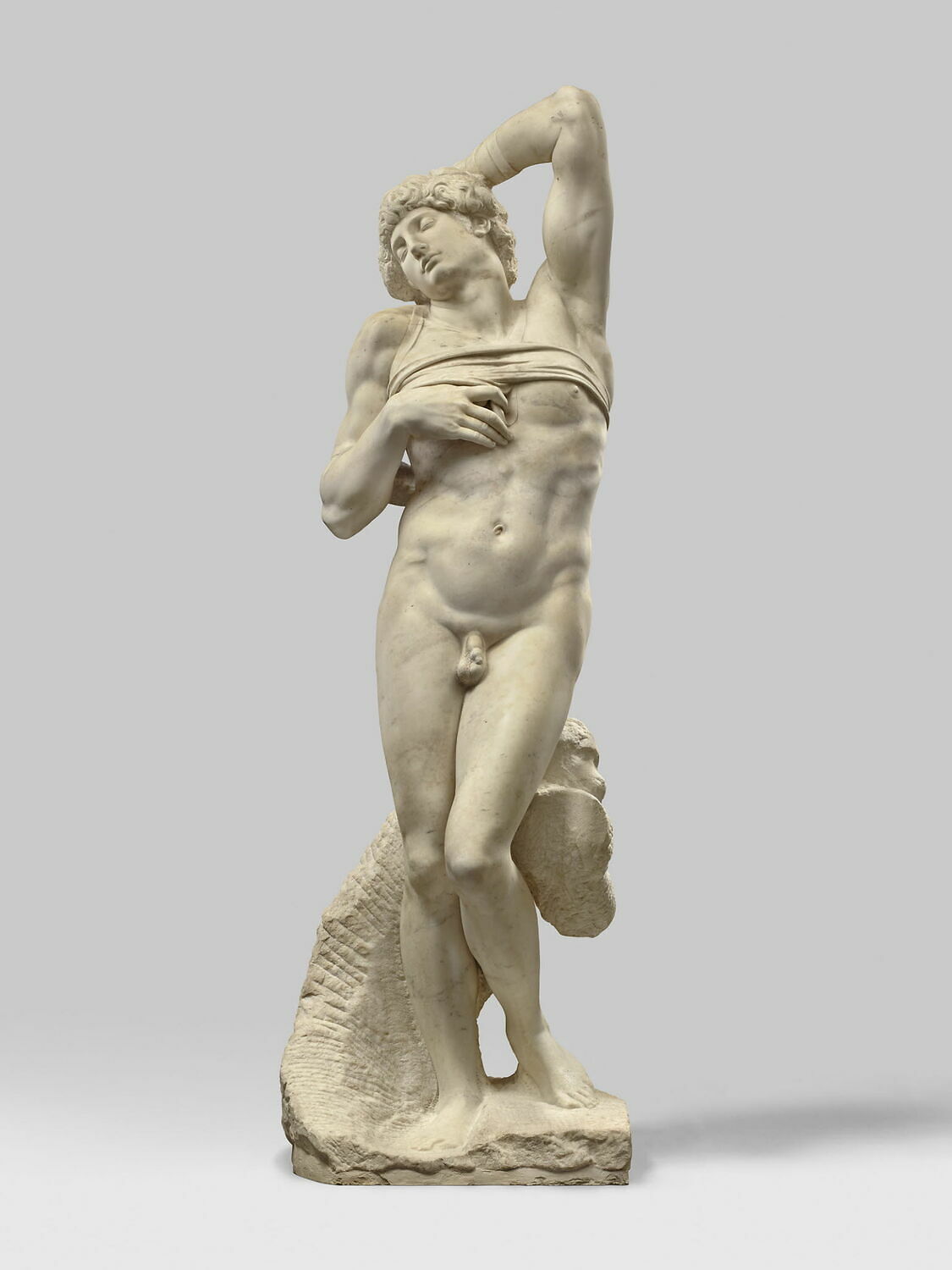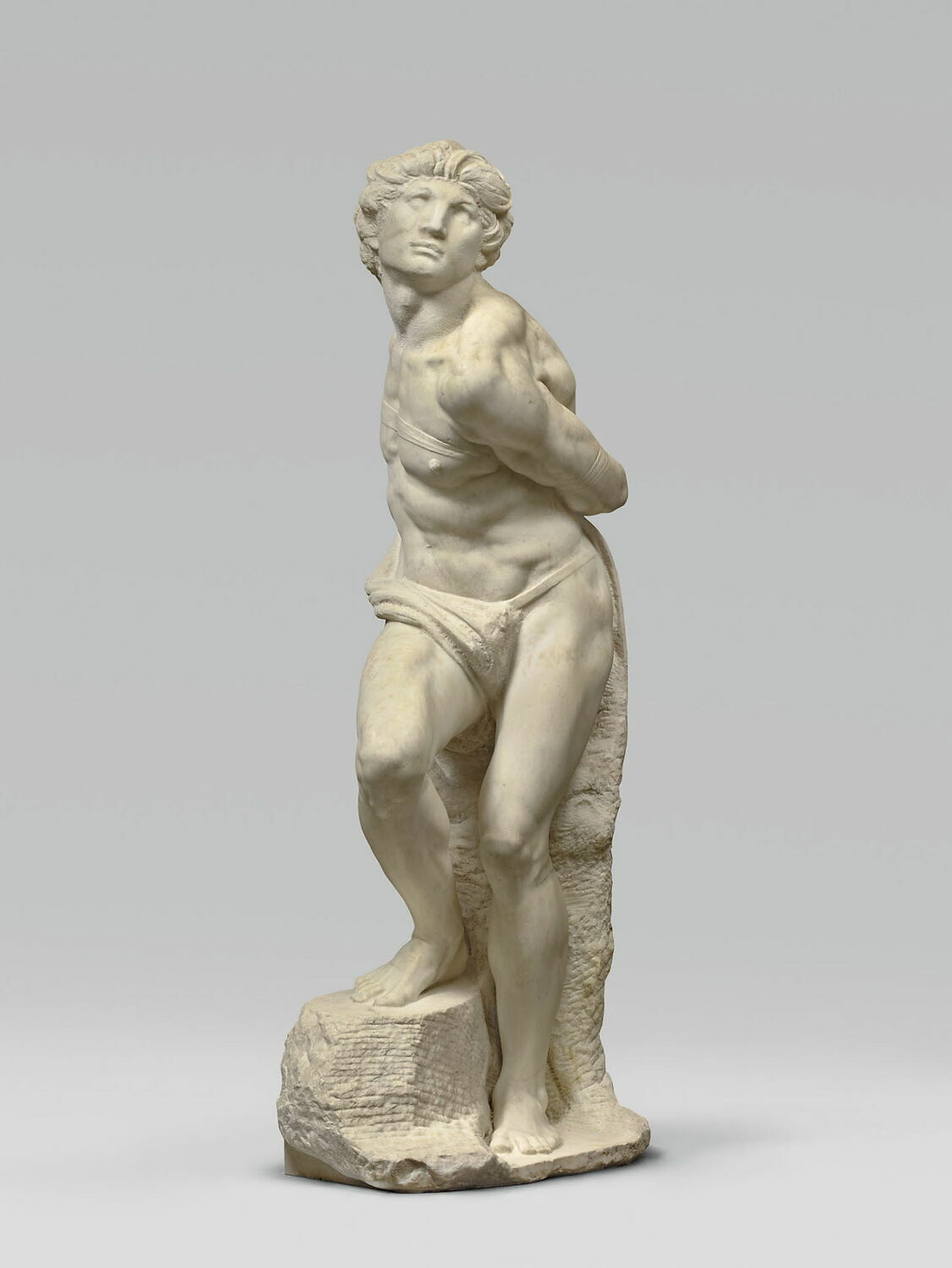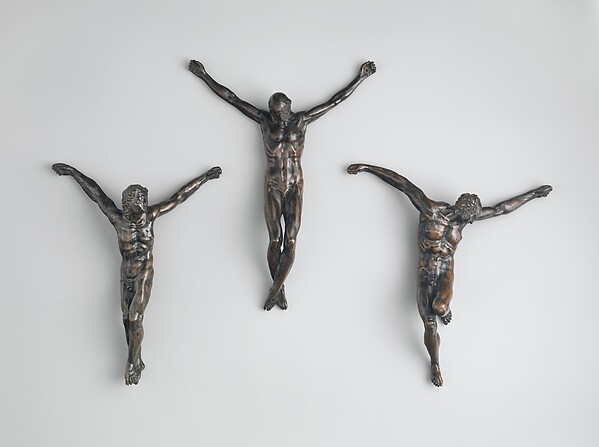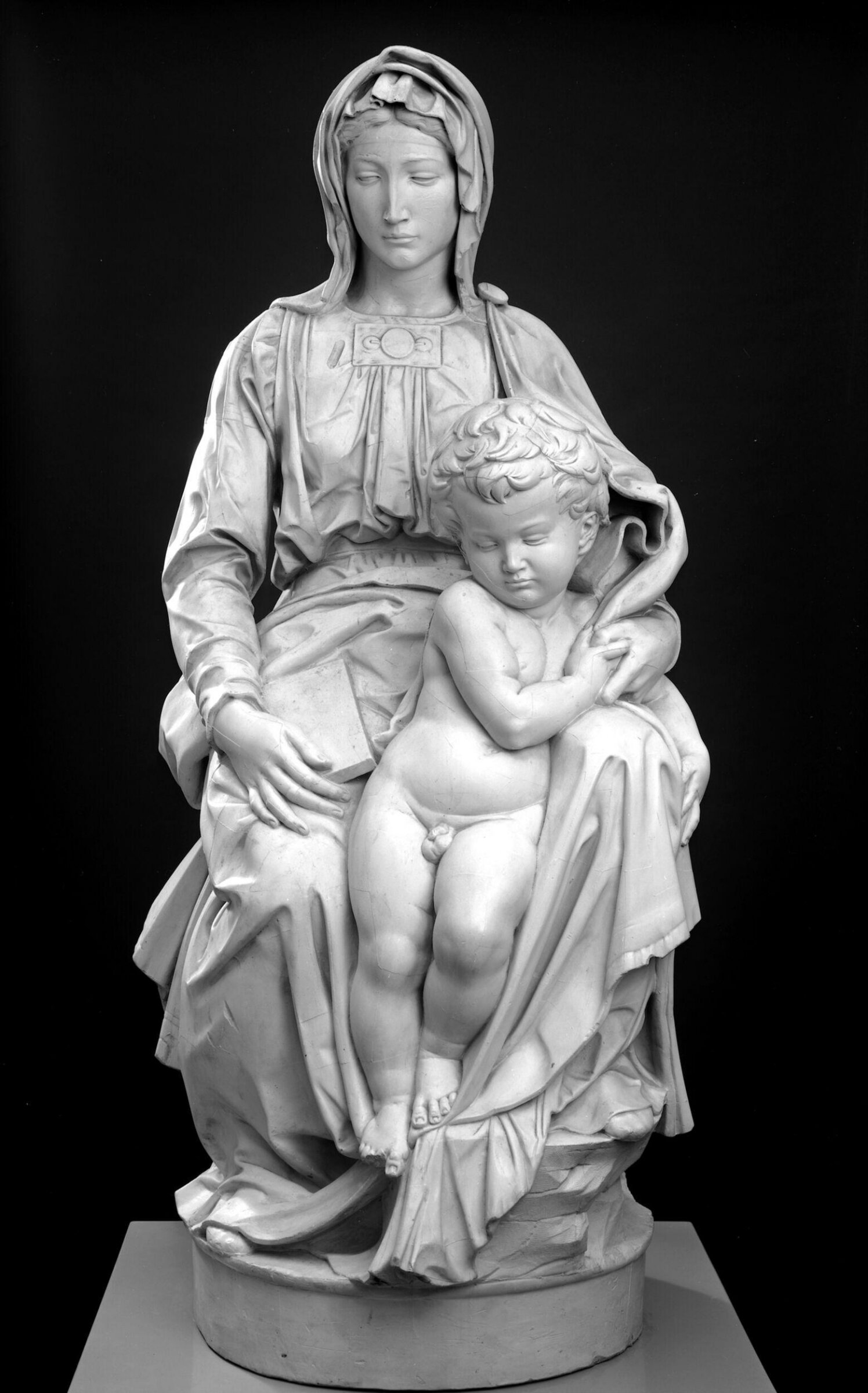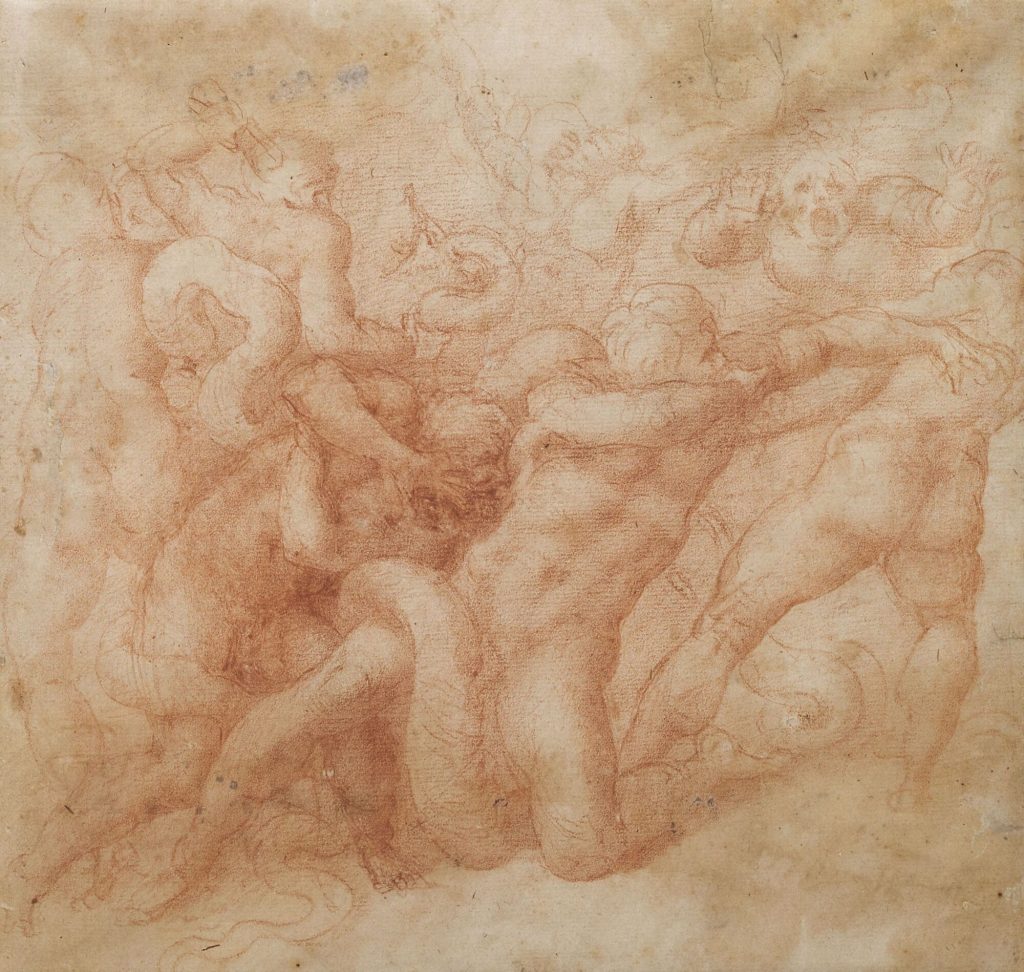
 MichelangeloItalien, 1475–1564
Die Eherne Schlange
Darf man es sehen?
Unbekannt: Das Museum schweigt sich aus

Museum Kunstpalast
Düsseldorf, Deutschland
Der Eigentümer ist bekannt. Ob es heute ausgestellt ist, sagt das Museum nicht, und Raten haben wir nicht gelernt.
- Unverändert seit
- 27. Sept. 2026
- Quelle
- Sammlungsdaten des Museums selbst
Angaben
Quellen
- Museum Kunstpalast: the museum's own open data · abgerufen vor 3 Tagen
- Bild: Museum Kunstpalast — In Copyright
Derweil im Leben von Michelangelo
Das ganze Leben1516–1534 · Wirkungsort
Florence
1527
The Medici expelled: inspector of the republic's fortifications
After the Medici were expelled from Florence, Michelangelo, a republican at heart, joined the popular movement and became chief inspector of fortifications. He abandoned his post and set off for Venice, meaning to go on to France, but returned and rendered his city important services during the siege by imperial troops.
1530
A death sentence and a hiding place under the Medici Chapel
Florence fell, the Medici returned to power and Pope Clement VII sentenced Michelangelo to death. He is thought to have hidden for two months in a small chamber under the Medici chapels, covering its walls with charcoal and chalk drawings, until he was pardoned so that he could complete the Sistine Chapel and the Medici tombs.
1532
Meets Tommaso dei Cavalieri
Aged 57, Michelangelo met the 23-year-old Roman patrician Tommaso dei Cavalieri and addressed to him his longest, deeply felt sequence of poems, as well as drawings such as the Ganymede and the Fall of Phaëthon. Cavalieri replied, “Never have I loved a man more than I love you,” and remained devoted to him until his death.
1534
Moves from Florence to Rome
Michelangelo left Florence for Rome and lived near the church of Santa Maria di Loreto. Despite his support for the republic, Pope Clement VII restored his allowance and made a new contract with him for the tomb of Julius II.
c. 1537
Friendship with Vittoria Colonna
In Rome Michelangelo met the poet Vittoria Colonna, a noble widow, then forty-seven. They shared a sincere platonic love, exchanging sonnets on spiritual matters, and in the 1530s she was his spiritual guide.