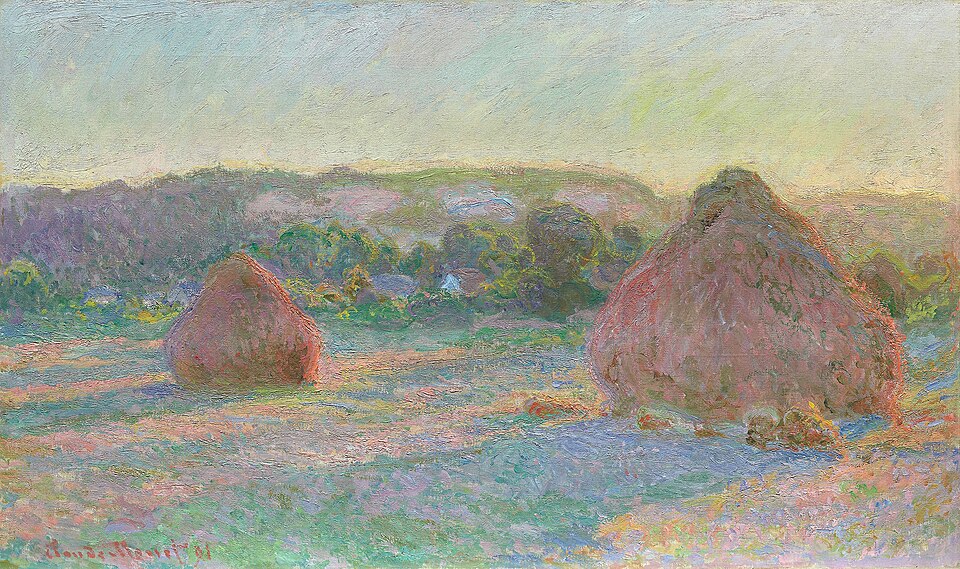
Lee MillerVereinigte Staaten, 1907–1977
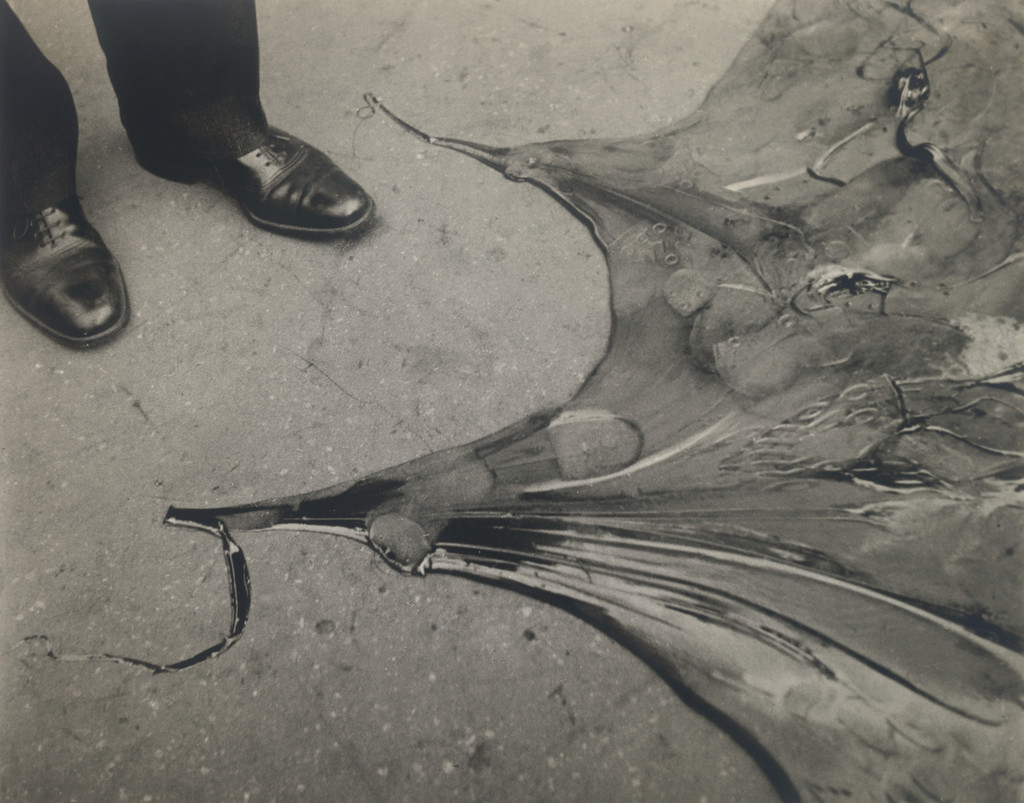
Ironwork
Darf man es sehen?
Ja, es empfängt Besucher

Art Institute of Chicago
Saal1Chicago, Vereinigte Staaten
Öffentlich ausgestellt. Wer dafür bürgt, steht unten.
- Geprüft
- vor 6 Stunden
- Unverändert seit
- 28. Sept. 2026
- Quelle
- Sammlungsdaten des Museums selbst
Angaben
- Inventarnummer
- 1988.157.53
What it shows
Im Katalog
Quellen
- Art Institute of Chicago: the museum's own open data · abgerufen vor 4 Tagen
- Bild: Art Institute of Chicago — © the artist or rights holder
Derweil im Leben von Lee Miller
Das ganze Leben1927–1929
New York's most sought-after model
For the next two years Miller was one of the most sought-after models in New York, photographed by Edward Steichen, Arnold Genthe, Nickolas Muray and George Hoyningen-Huene. A photograph of her by Steichen was used without her knowledge to advertise Kotex menstrual pads, causing a scandal.
1929
“I'm your new student”: Man Ray in Paris
In 1929 Miller travelled to Paris intending to apprentice herself to the Surrealist artist and photographer Man Ray; although he insisted he did not take students, she soon became — announcing “I'm your new student” — his model and collaborator, as well as his lover and muse. Some photographs taken by Miller are credited to Man Ray.
1930
A statue in Cocteau's “The Blood of a Poet”
Miller's friends included Duchess Solange d'Ayen, fashion editor of French Vogue, Pablo Picasso, Paul Éluard and Jean Cocteau. Cocteau was so mesmerised by her beauty that he turned her into a plaster cast of a classical statue for his film “The Blood of a Poet” (1930).
c. 1930
Rediscovers solarisation with Man Ray
Together with Man Ray, Miller rediscovered solarisation, by an accident variously described — in one of her accounts a mouse ran over her foot and she switched on the darkroom light mid-development. The technique became the couple's visual signature: Man Ray's solarised portrait of Miller (Paris, c. 1930) and her own portraits of Meret Oppenheim (1930), Dorothy Hill and Lilian Harvey (1933).
1932
Her own studio in New York
After leaving Man Ray and Paris in 1932 — in a dispute over the attribution of their joint work he is said to have slashed an image of her neck with a razor — Miller returned to New York and set up a portrait and commercial studio, with her brother Erik as darkroom assistant; clients included BBDO, Elizabeth Arden, Helena Rubinstein and Saks Fifth Avenue. That year she told the Poughkeepsie Evening Star that photography was perfectly suited to women as a profession: women were quicker and more adaptable than men and intuitively understood personalities faster.
1932
Shows at the Julien Levy Gallery and the Brooklyn Museum
In 1932 Miller's work was shown in the Modern European Photography exhibition at the Julien Levy Gallery in New York and in the Brooklyn Museum's International Photographers, alongside Moholy-Nagy, Cecil Beaton, Margaret Bourke-White, Tina Modotti, Man Ray and Edward Weston. Reviewing it in Parnassus, Katherine Grant Sterne noted that Miller “has retained more of her American character in the Paris milieu”.