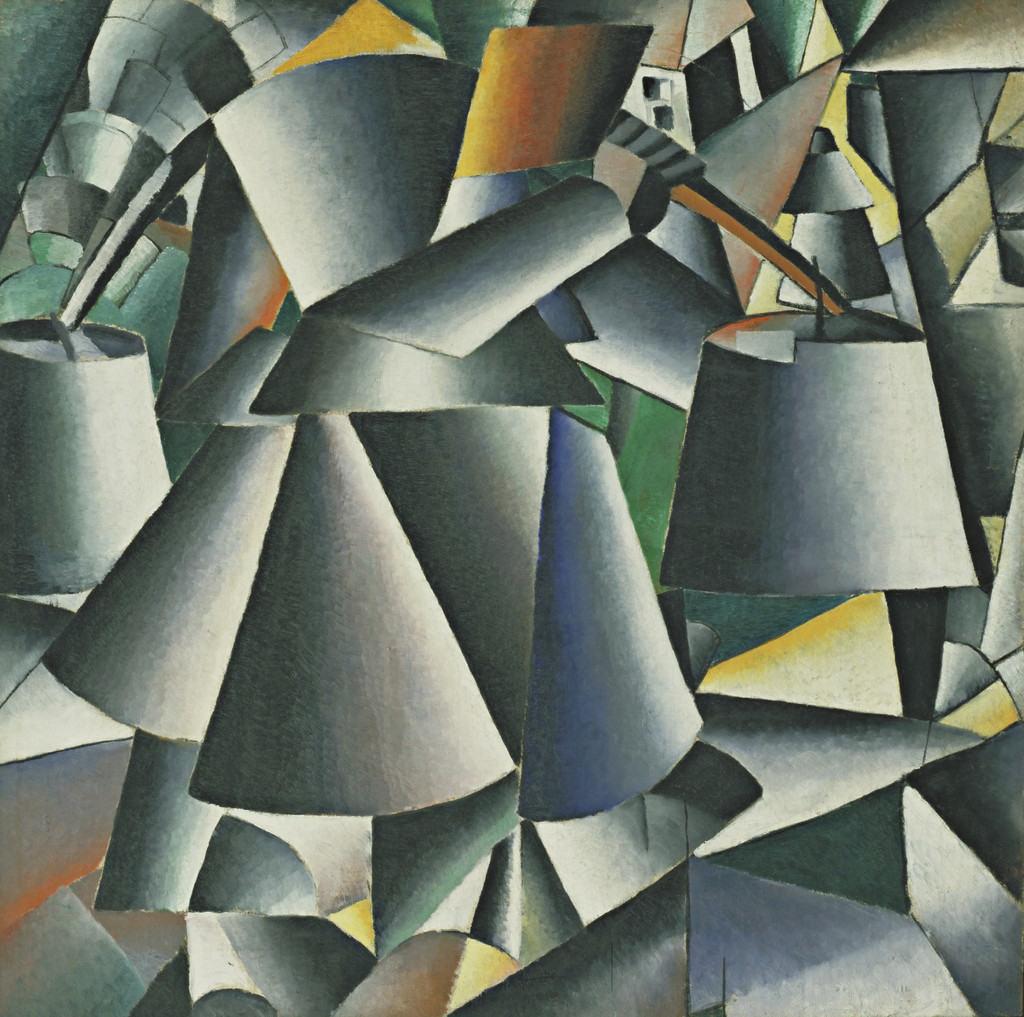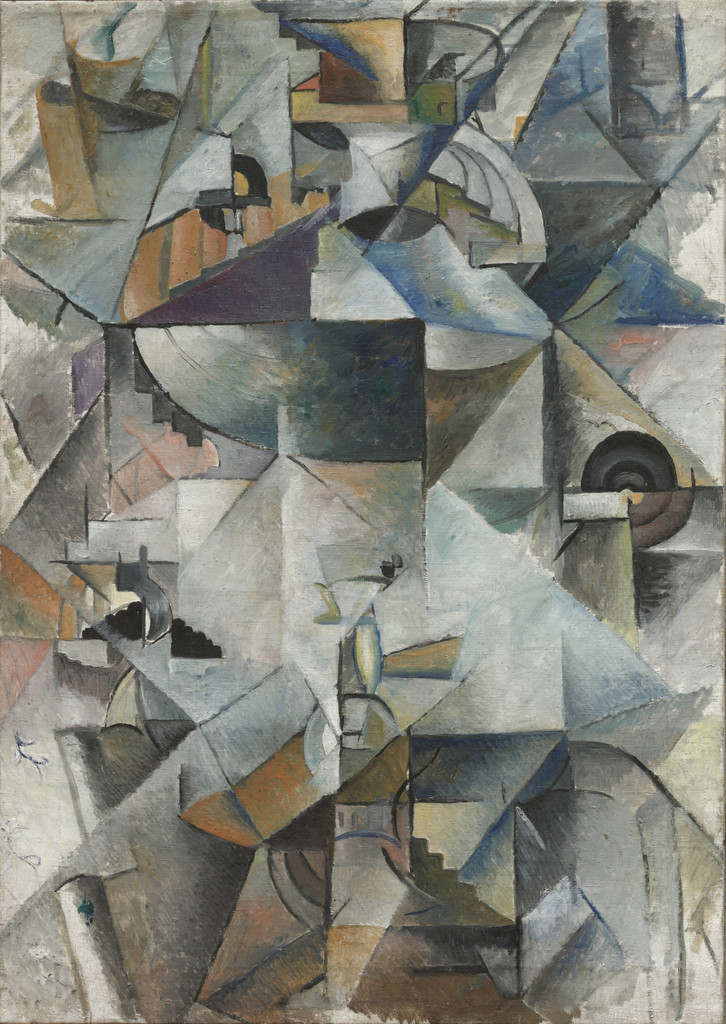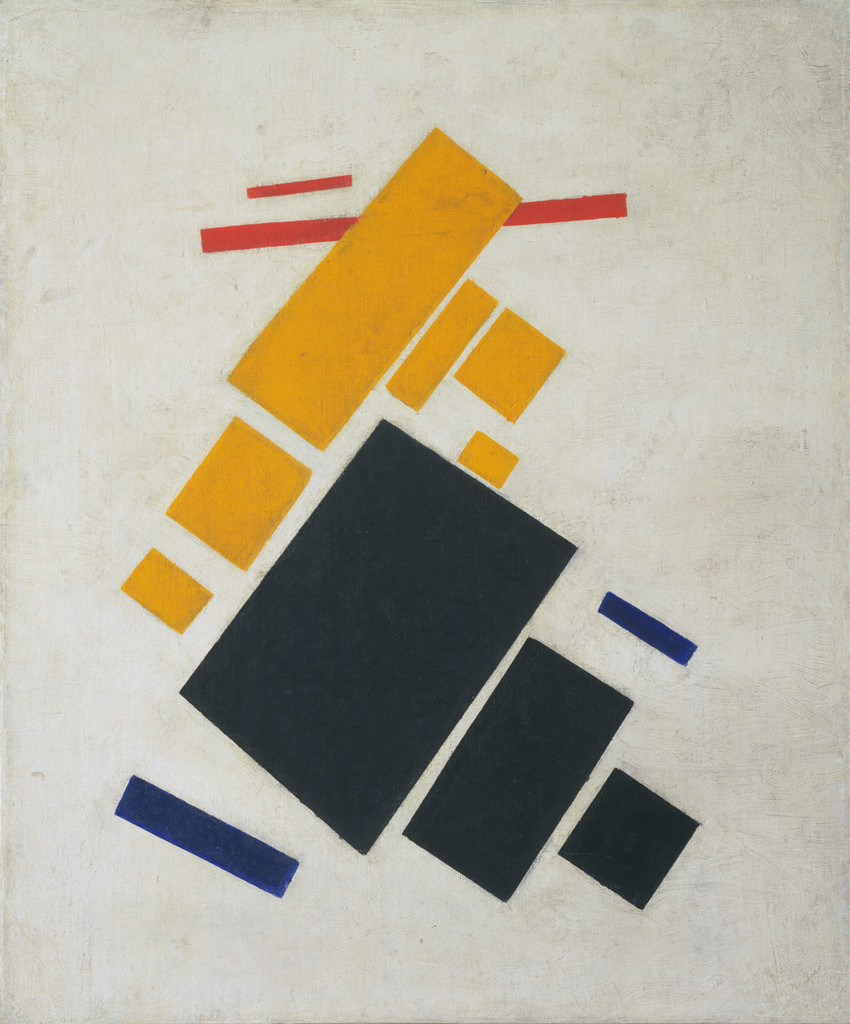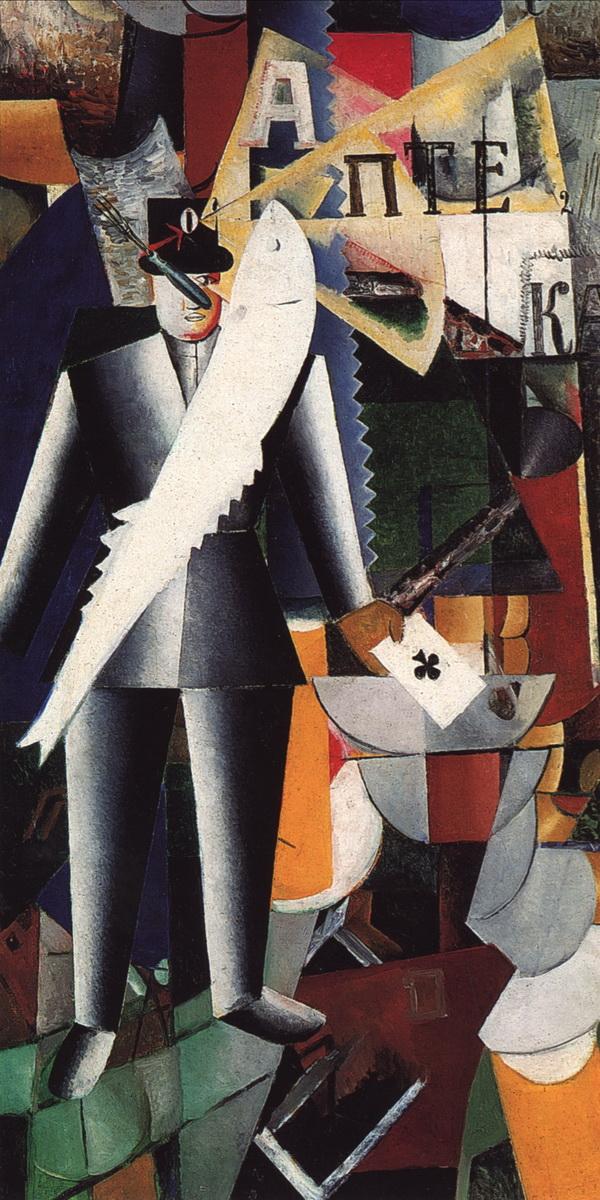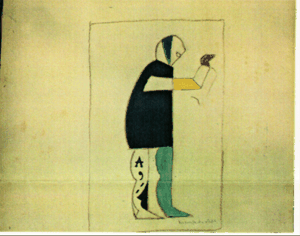
 Kazimir MalevichRussland, 1879–1935
Reader
Darf man es sehen?
Nein: gestohlen, es wird gesucht
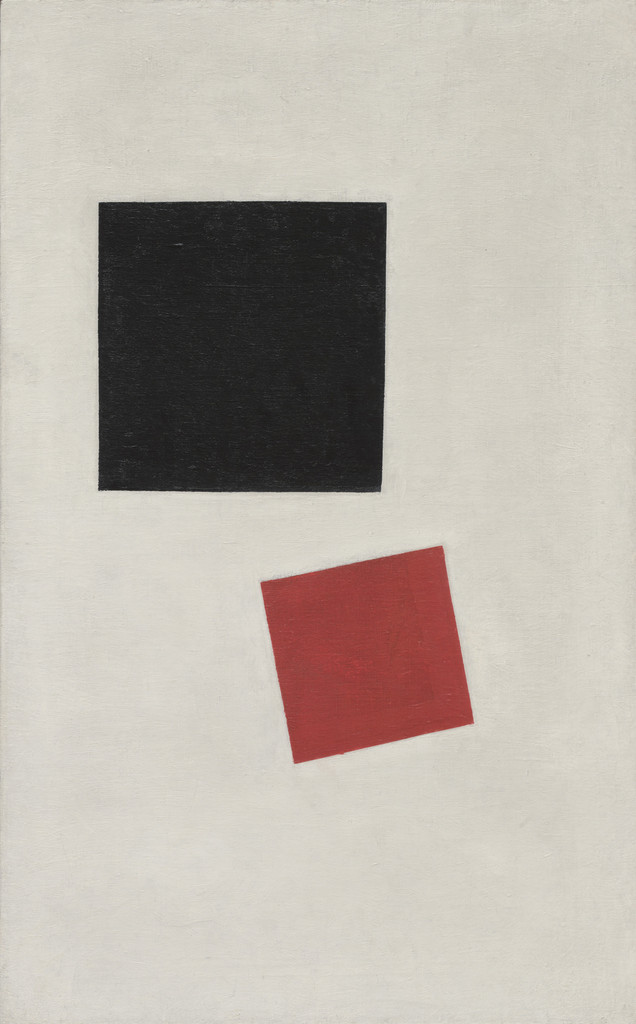
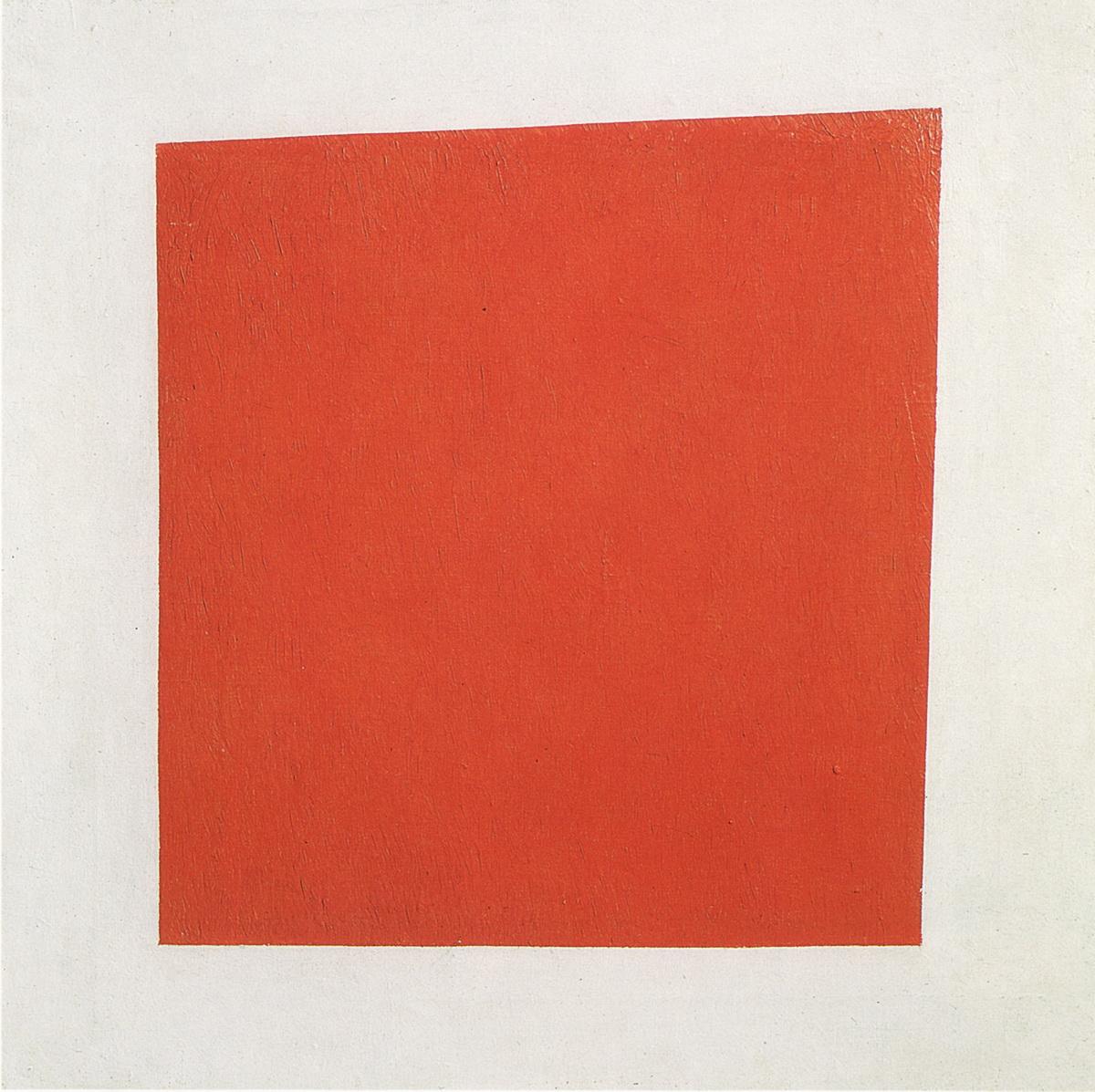
Listed in the FBI's National Stolen Art File under no. 00934.
- Geprüft
- vor 4 Tagen· Gemeldet
- Unverändert seit
- 30. Sept. 2026
- Quelle
- Ein Register gestohlener Kunst
Angaben
Quellen
- The FBI's National Stolen Art File · abgerufen vorgestern
- Bild: FBI National Stolen Art File
Derweil im Leben von Kazimir Malevich
Das ganze Leben19 December 1915
“0,10”: the “Black Square” in the icon corner
On 19 December 1915 (1 January 1916 in the new style), at the “Last Futurist Exhibition of Paintings 0,10” in Nadezhda Dobychina’s Art Bureau in Petrograd, Malevich showed 39 abstract works under the general title “Suprematism of Painting”; he hung the “Black Square” in the upper corner of the room — where an icon hangs in a Russian home. His brochure “From Cubism and Futurism to Suprematism” accompanied the show; in the next room Tatlin exhibited his corner reliefs, and the exhibition was seen by more than six thousand people.
November 1919
Moving to Vitebsk, to Chagall
In November 1919 Malevich moved to Vitebsk and began to run a workshop in the People’s Art School of a “new revolutionary model”, headed by Marc Chagall.
December 1919
The first retrospective: from Impressionism to Suprematism
In December 1919 Malevich’s first retrospective, “His Path from Impressionism to Suprematism”, opened in Moscow: the works ran from Impressionism and neo-primitivism through Cubo-Futurism to Suprematism, which was divided into black, coloured and white periods and ended with a display of blank canvases on stretchers — a manifesto of the complete renunciation of painting.
1920
UNOVIS: the pupils around Malevich
By 1920 a group of devoted pupils had formed around Malevich — UNOVIS (the Affirmers of the New Art); its members included El Lissitzky, Lazar Khidekel, Ilya Chashnik and Nikolai Kogan. He himself hardly painted at that time, concentrating on theoretical and philosophical writing, and under Lissitzky’s influence began his first experiments in architecture.
20 September – December 1930
Arrested by the OGPU on a charge of espionage
In the autumn of 1930 Malevich was arrested by the OGPU on a charge of espionage: he was interrogated in Leningrad and threatened with execution, and released in early December — the investigator V. A. Kishkin showed no fanaticism. Shortly before, he had lost his job: the department he headed at the Institute of Art History had been closed.
15. Mai 1935
Died