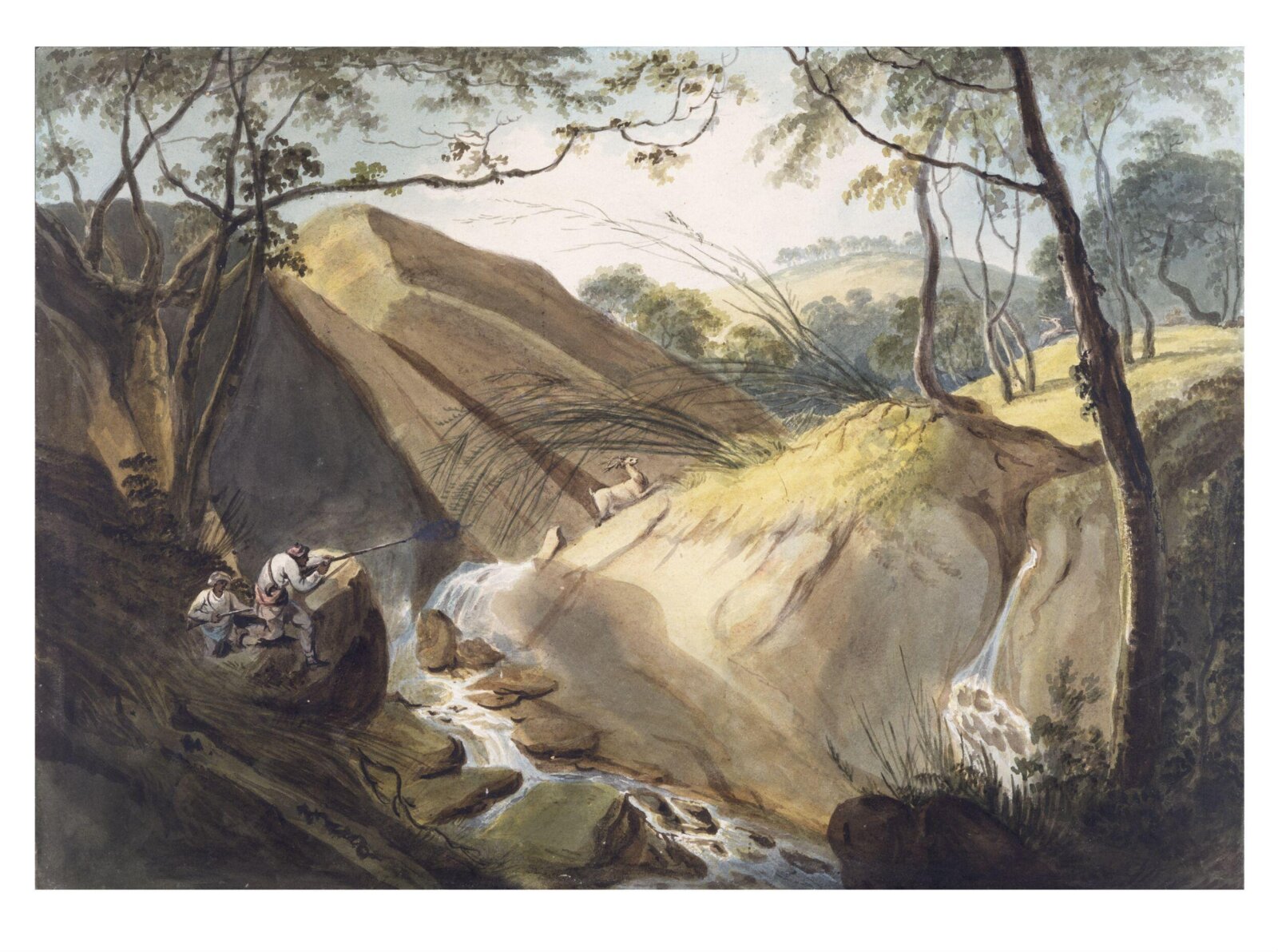
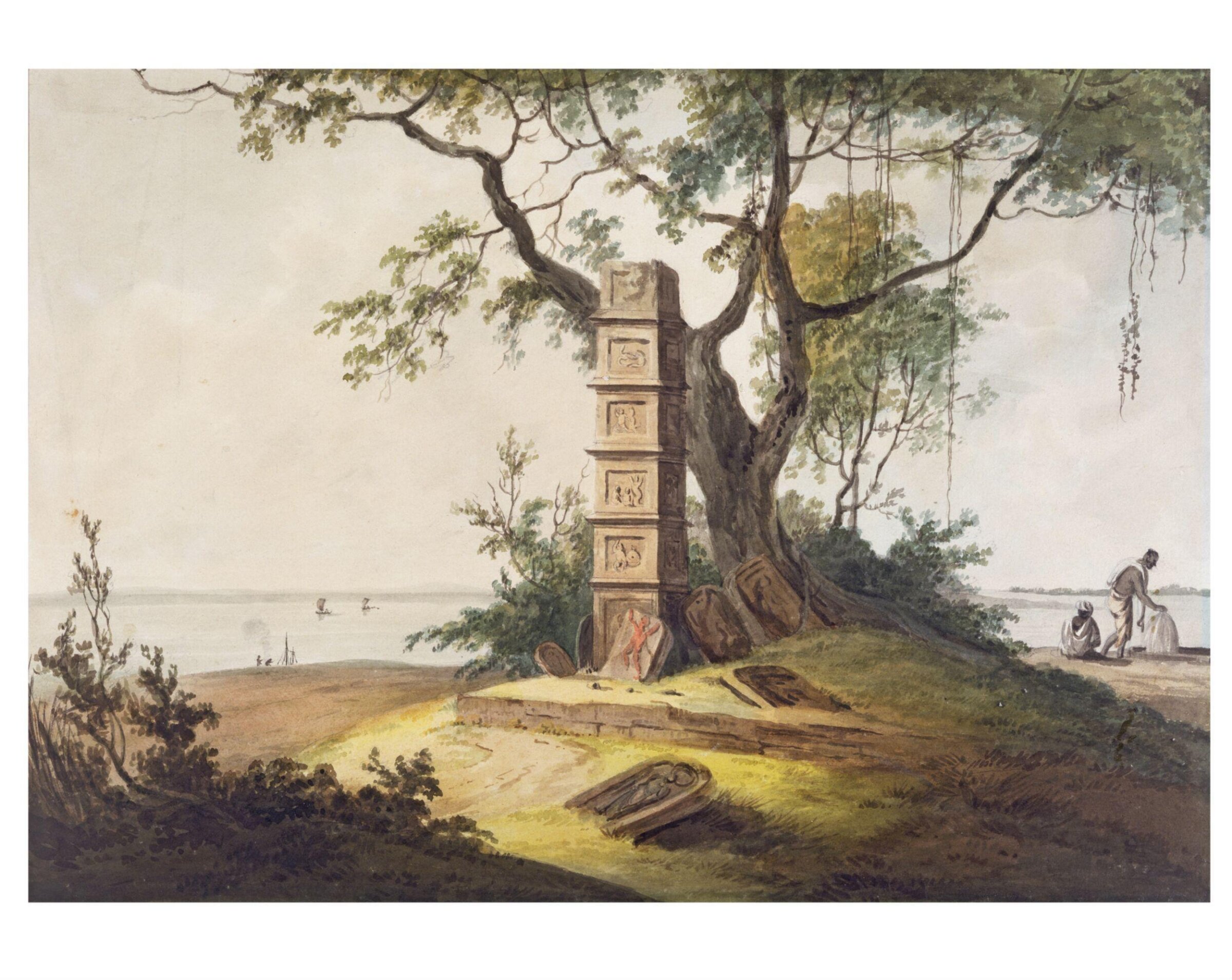
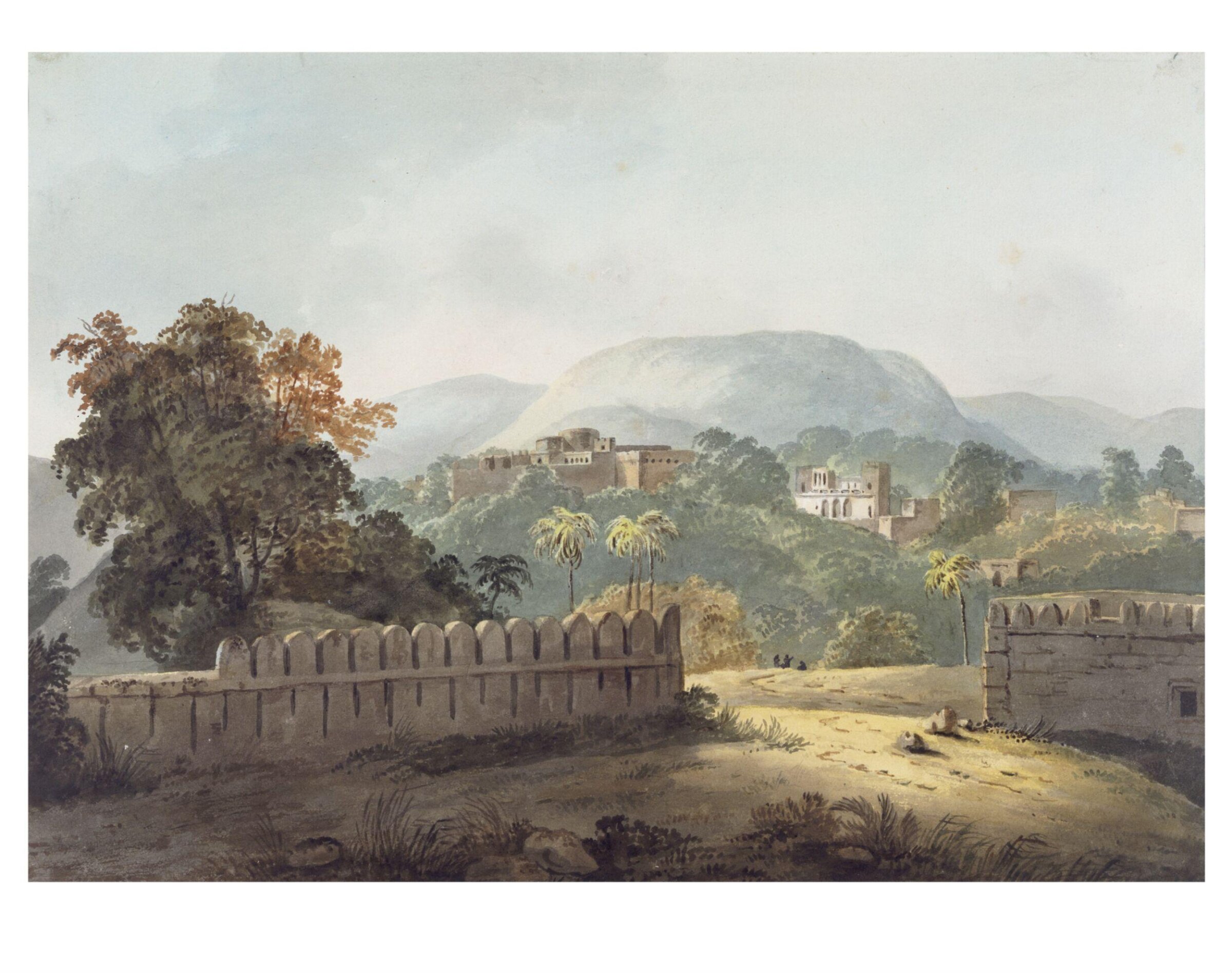
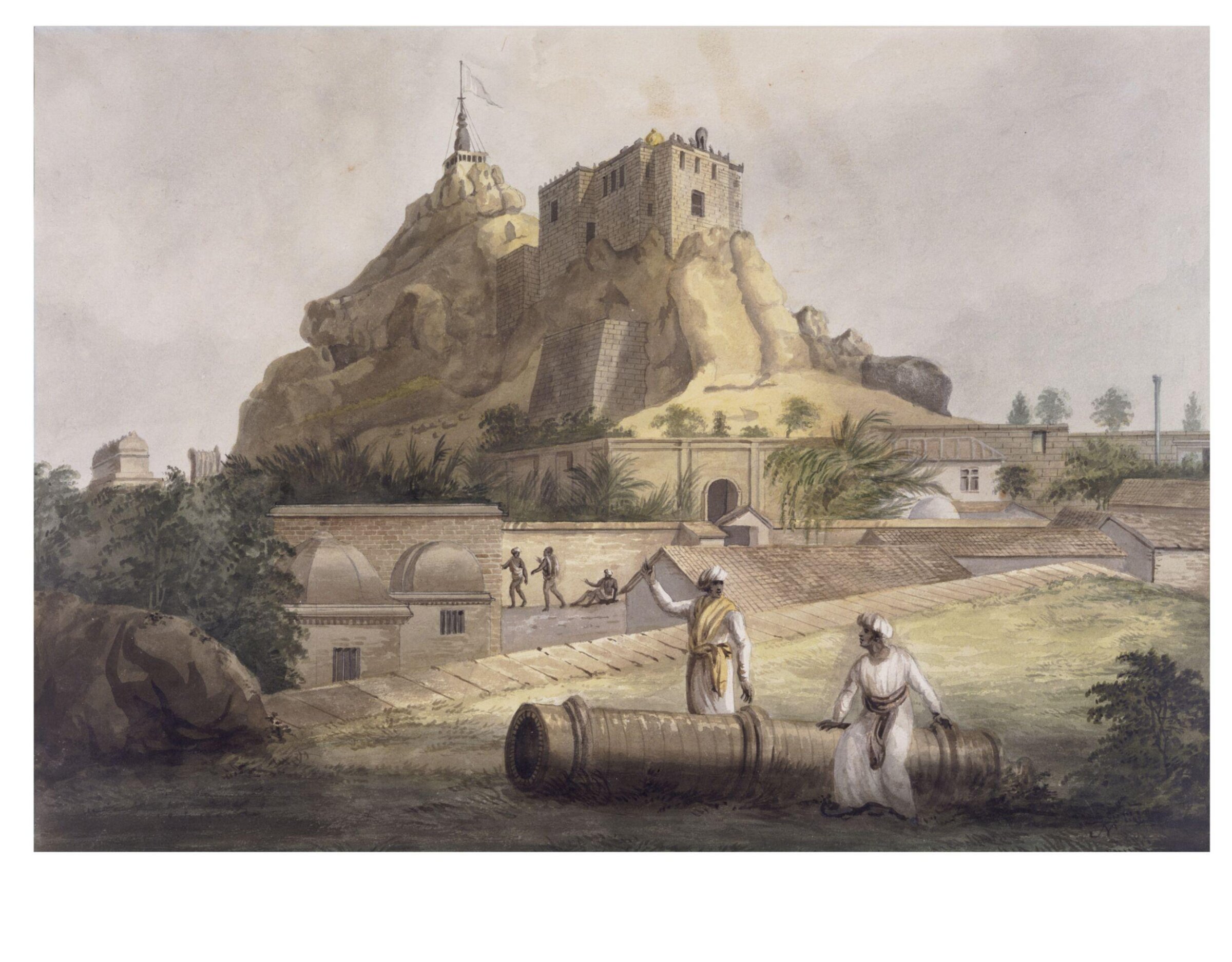
William Orme, who was active from about 1795 to 1819, was born in Manchester and was almost certainly the younger brother of Daniel Orme (also born in Manchester), and older brother of Edward Orme. An early watercolour by him entitled 'At the cottage door', a rural scene with a group of villagers, is signed and dated 1795, predating his first showing in 1797 at the Royal Academy. By this time, William had moved to Great Maddox Street in London. The list of works exhibited at the Academy between 1797 and 1819 classify him as a landscape painter with a preference for topographical subjects painted in England and Wales; they also include a few genre scenes. By 1800, William had moved to 59 New Bond Street, London, which soon became the headquarters of the Ormes' printing and publishing house.
Read on
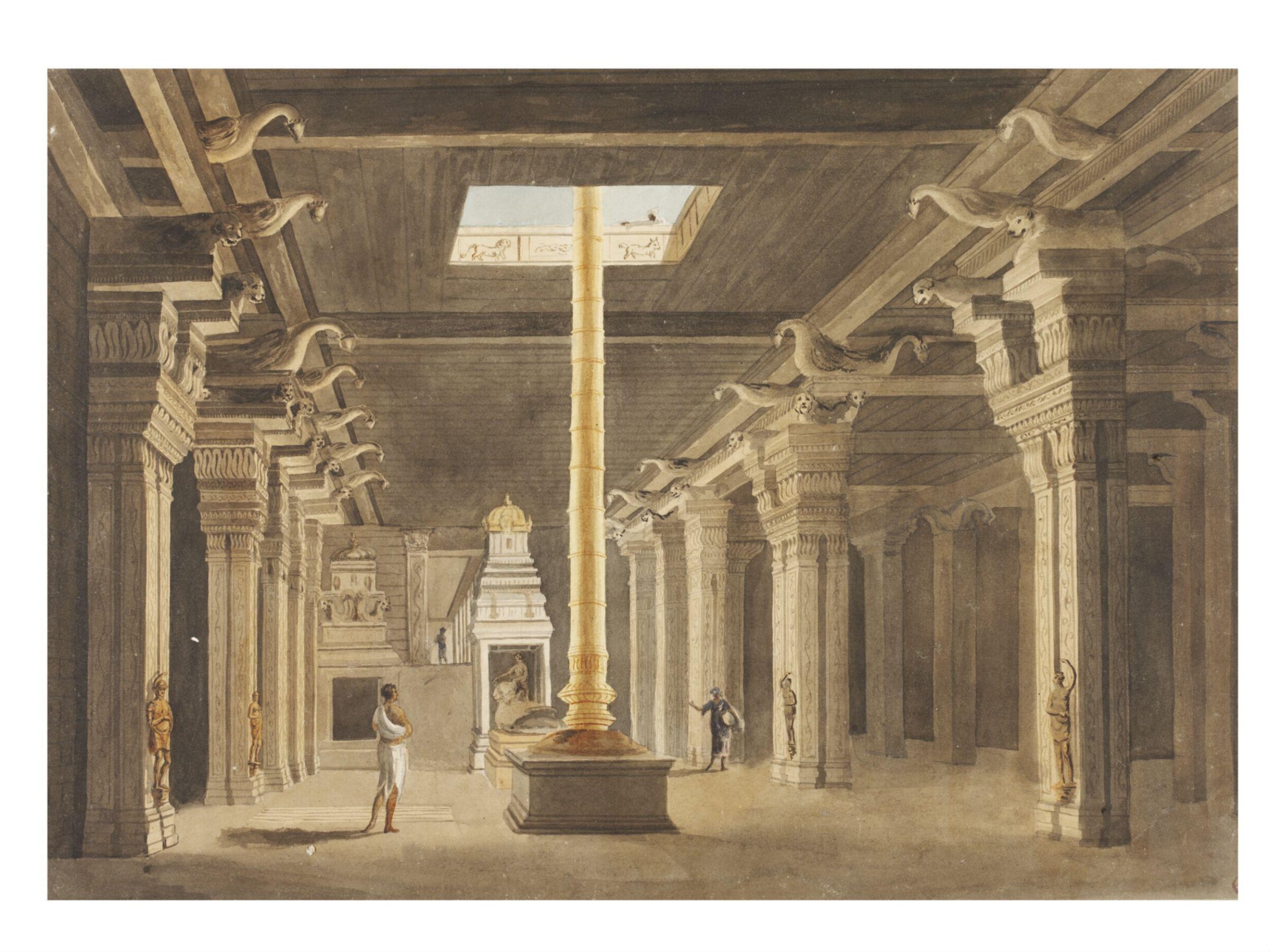
The V&A owns a number of original watercolour drawings by William Orme which were used for the coloured stipple engravings in 'The costume of Indostan, elucidated by sixty coloured engravings; with descriptions in English and French, taken in the years 1798 and 1799. By Balt. Solvyns, of Calcutta', which Edward Orme published in 1804-5. The drawings were made from a selection of 250 etchings by François Baltazard Solvyns, which he engraved from his own original drawings made in Calcutta and published as 'Manners, Customs and Dresses of the Hindoos', Calcutta, 1799. This one depicts men shooting deer.