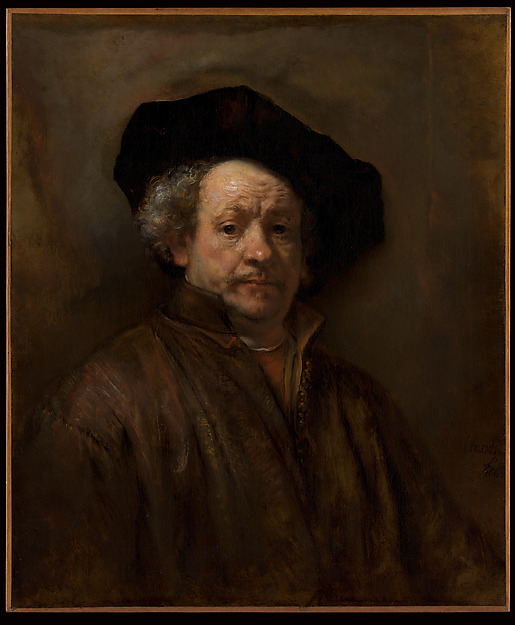
 Rembrandt van RijnDutch, 1606–1669
Die Geißelung Christi
May one see it?
Unknown: the museum keeps its counsel

Kupferstich-Kabinett Dresden
Dresden, Germany
The owner is known. Whether it is on view today, the museum does not say, and we were not trained to guess.
- In this state since
- Sep 27, 2026
- Source
- The museum's own collection data
Particulars
Sources
- Kupferstich-Kabinett Dresden: the museum's own open data · fetched 3 days ago
- Image: Kupferstich-Kabinett Dresden — In Copyright
Meanwhile, in the life of Rembrandt van Rijn
The whole life1631–1669 · Workplace
Amsterdam
1639–1658 · Residence
Rembrandt House Museum
1654
Birth of His Daughter Cornelia
In 1654 Rembrandt and Hendrickje's daughter Cornelia was born; the parish council censured Hendrickje for "sinful cohabitation" with the artist.
July 1656
Declaration of Insolvency
Under pressure from creditors, Rembrandt declared himself insolvent (cessio bonorum) in July 1656 and voluntarily surrendered his property; by that time he had already transferred the house to his son.
1657–1658
Sale of His Property and Collection
Rembrandt's property and art collection were sold at auction; the detailed inventory listed 363 items — paintings, prints, antique busts, weapons, textiles, and exotic objects.
1661
The Conspiracy of Claudius Civilis Rejected by Its Patrons
The monumental painting was created for the new Amsterdam Town Hall but failed to satisfy its patrons and was never paid for. Only a fragment of the canvas survives (now in Stockholm).


