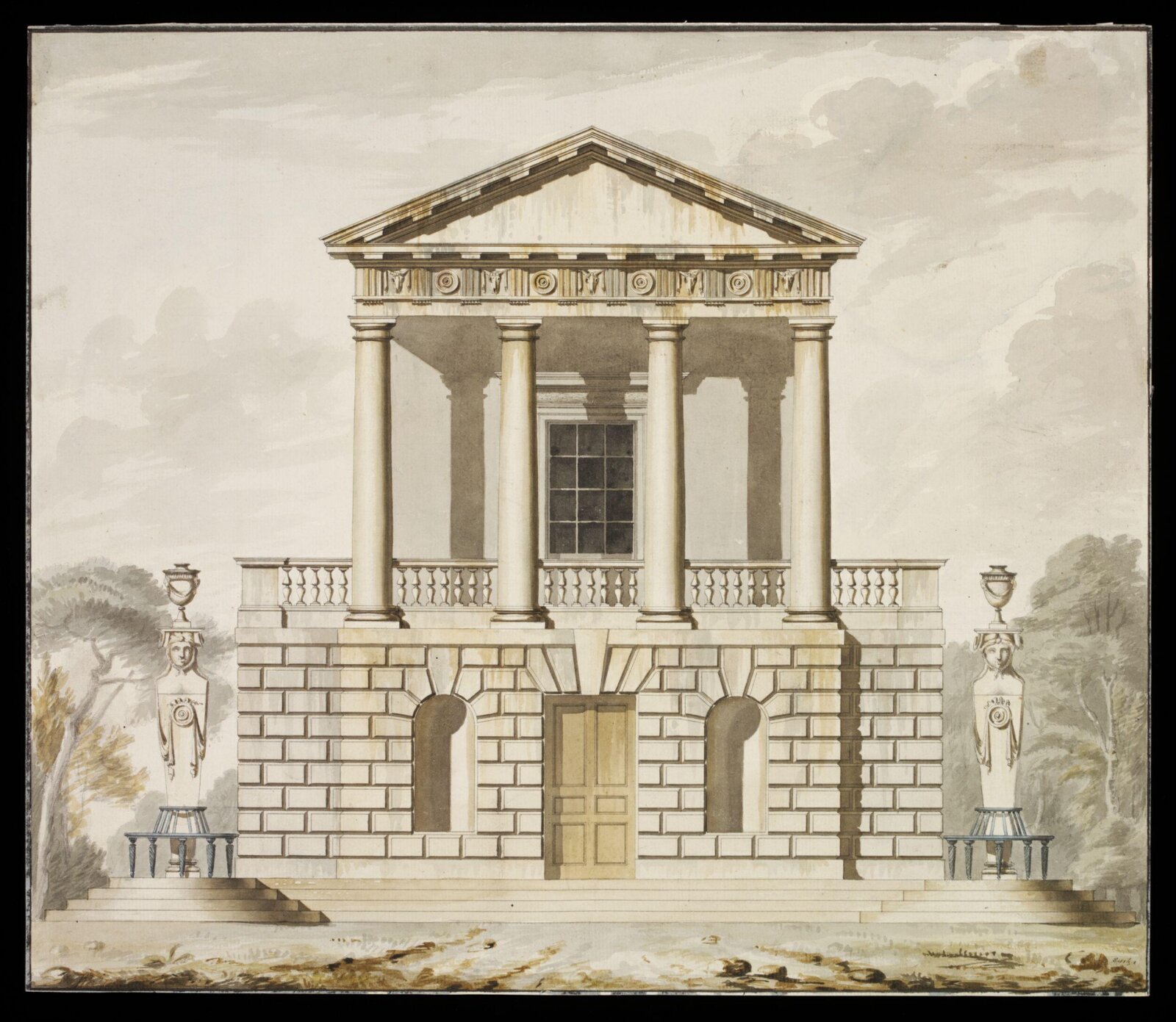
 William ChambersScottish, 1723–1796
Drawing
May one see it?
Not receiving at present

Victoria and Albert Museum
London, United Kingdom
It belongs to the collection, but is not on display at present.
- Checked
- 7 days ago
- In this state since
- Sep 25, 2026
- Source
- The museum's own collection data
About the work
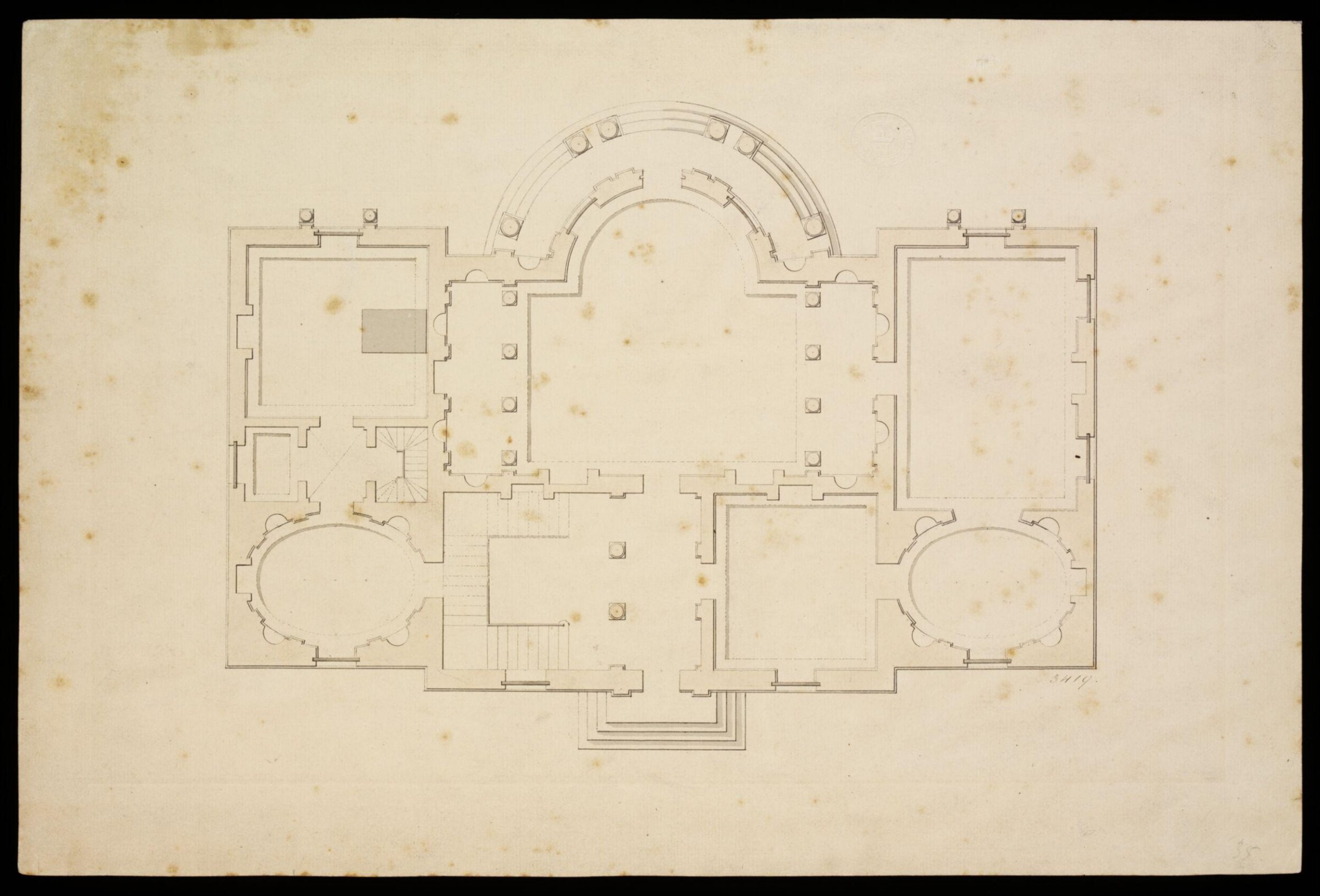
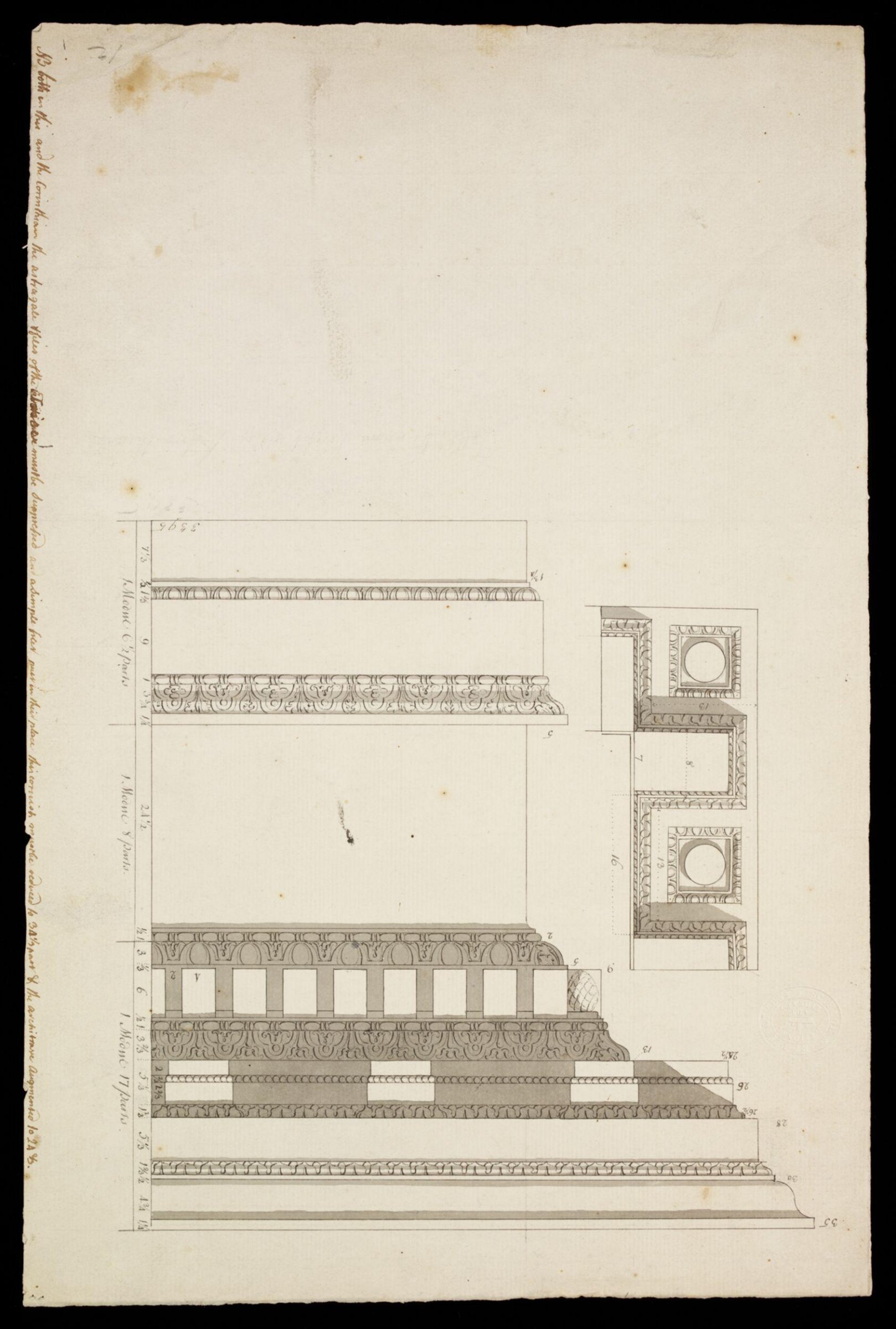
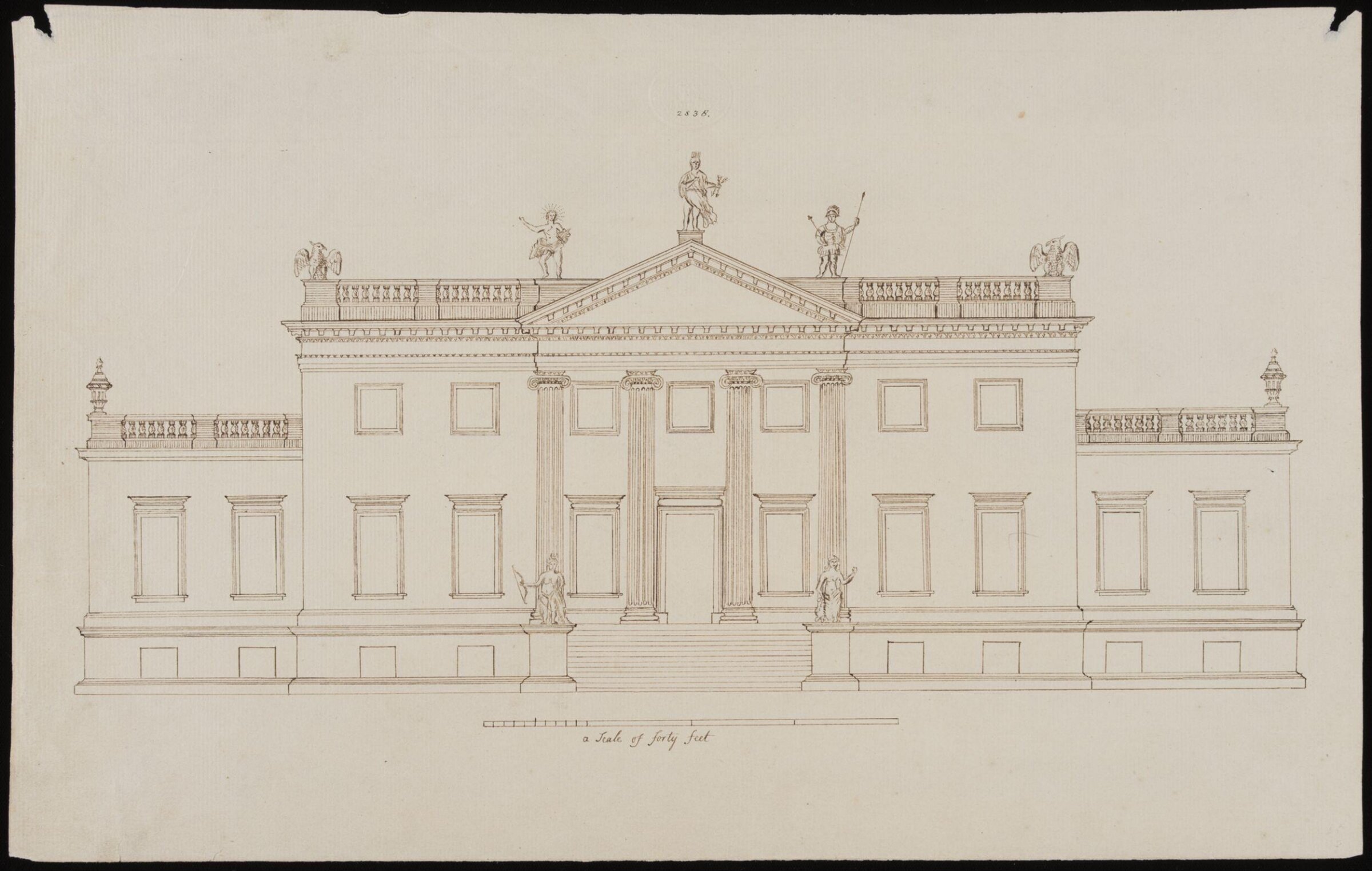
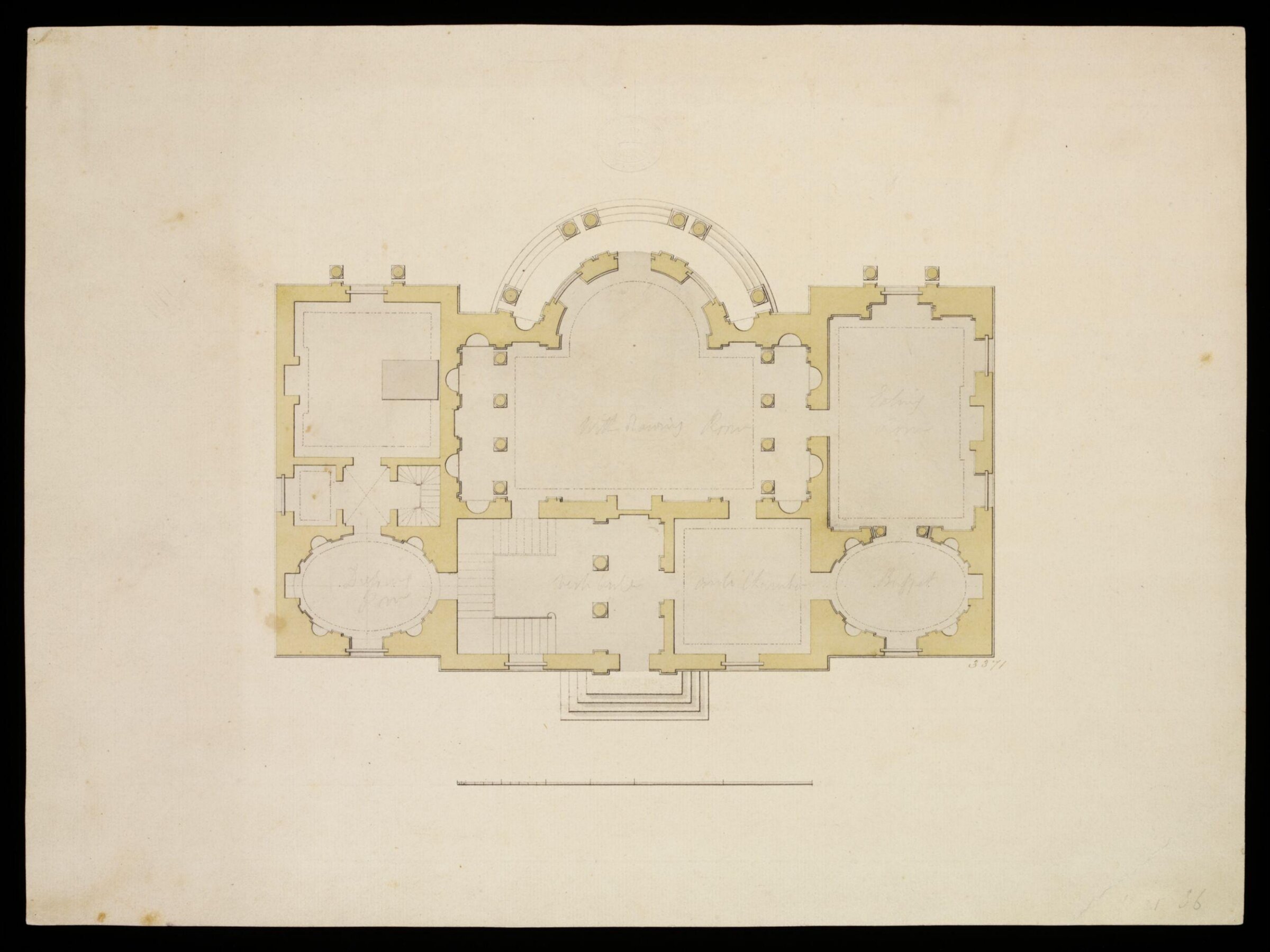
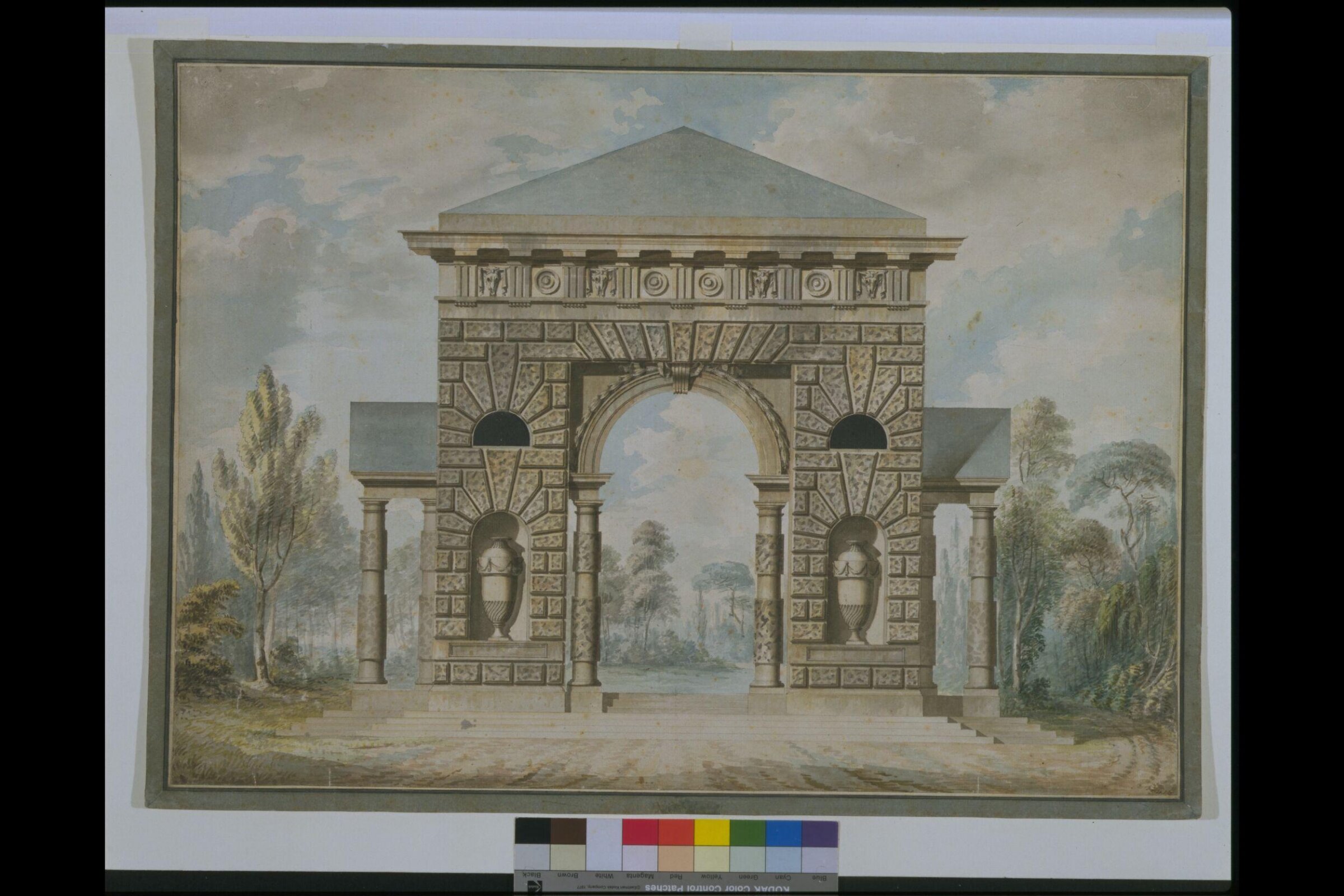
From 1751 until 1775 Henry Herbert, 10th Earl of Pembroke, conducted his Grand Tour and may have met Chambers in Italy. He employed Chambers on a variety of works in both park and house at Wilton and on his London home from 1757. These included the construction of the Casino, a wooden tennis court, the fitting out of a Library, a greenhouse, proposals for a small 'sawmill' bridge and the rebuilding of a rock bridge as a rustic cascade with twin arches. Of the two projects for which the V&A has drawings, the Casino still exists and has been restored but the Rock Bridge and cascade have been demolished.
Read on
Chambers was born in Sweden and died in London. He travelled widely, visiting China, and studied architecture at the Ecole des Arts, Paris, from 1749 and in Italy from 1750 to 1755. Many of his drawings from this period are contained in his important 'Franco-Italian' album, held in the V&A. Chambers moved to London in 1755 and published his influential Treatise on Civil Architecture in 1759. Chambers demonstrated the breadth of his style in buildings such as Gower (later Carrington) House and Melbourne House, London, in such country houses as Duddingston, Scotland, and in the garden architecture he designed for Wilton House, Wiltshire, and at Kew Gardens. He became head of government building in 1782, and in this capacity built Somerset House, London.
Victoria and Albert Museum
Particulars
- Accession number
- 8416:1
What it shows
In the catalog
Sources
- Victoria and Albert Museum: the museum's own open data · fetched 7 days ago
- Image: Victoria and Albert Museum — © Victoria and Albert Museum, London