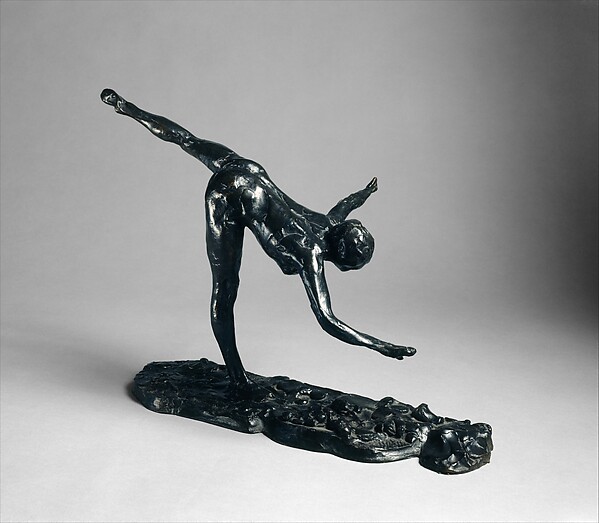
 Edgar DegasFrench, 1834–1917
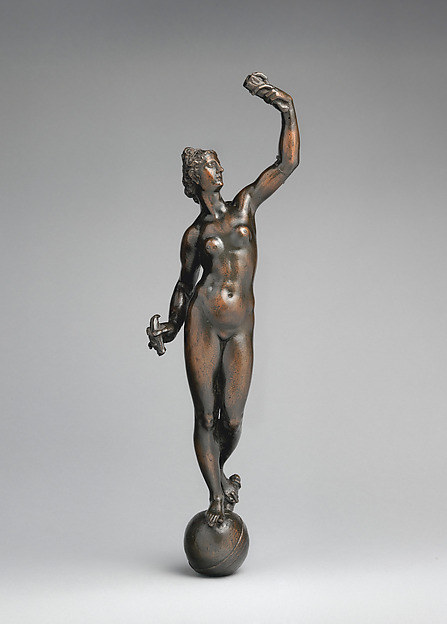
First Arabesque Penchée
May one see it?
Yes, receiving visitors

The Metropolitan Museum of Art
Room814New York, United States
On public display.
- Checked
- 3 days ago
- In this state since
- Sep 27, 2026
- Source
- The museum's own collection data
Particulars
- Accession number
- 29.100.398
What it shows
Sources
- The Metropolitan Museum of Art: the museum's own open data · fetched 3 days ago
- Image: The Metropolitan Museum of Art — Open Access (CC0)
Meanwhile, in the life of Edgar Degas
The whole lifelate 1880s
A passion for photography
Degas photographed his friends, often by lamplight, as in the double portrait of Renoir and Mallarmé. Photographs of dancers and nudes served as references for his drawings and paintings.
1890s
The Dreyfus Affair: a break with his Jewish friends
The Dreyfus Affair intensified Degas's antisemitism: by the mid-1890s he had broken with all his Jewish friends and refused to use models he thought might be Jewish; the affair also set him at odds with Mary Cassatt. He remained among the Anti-Dreyfusards until his death.
1912
A forced move, and the end of his work
In 1912 the impending demolition of his house on the rue Victor Massé, where he had lived for years, forced Degas to move to the Boulevard de Clichy; he apparently ceased working then, although he is known to have used pastel as late as the end of 1907 and is believed to have made sculptures until 1910. In his last years, nearly blind and unmarried, he wandered restlessly through the streets of Paris.
1915
Cassatt and Degas shown in aid of women's suffrage
Louisine Havemeyer organized a joint exhibition of Cassatt and Degas held in aid of women's suffrage; Cassatt later expressed satisfaction at the irony.
27 September 1917
Died