Andy WarholAmerican, 1928–1987
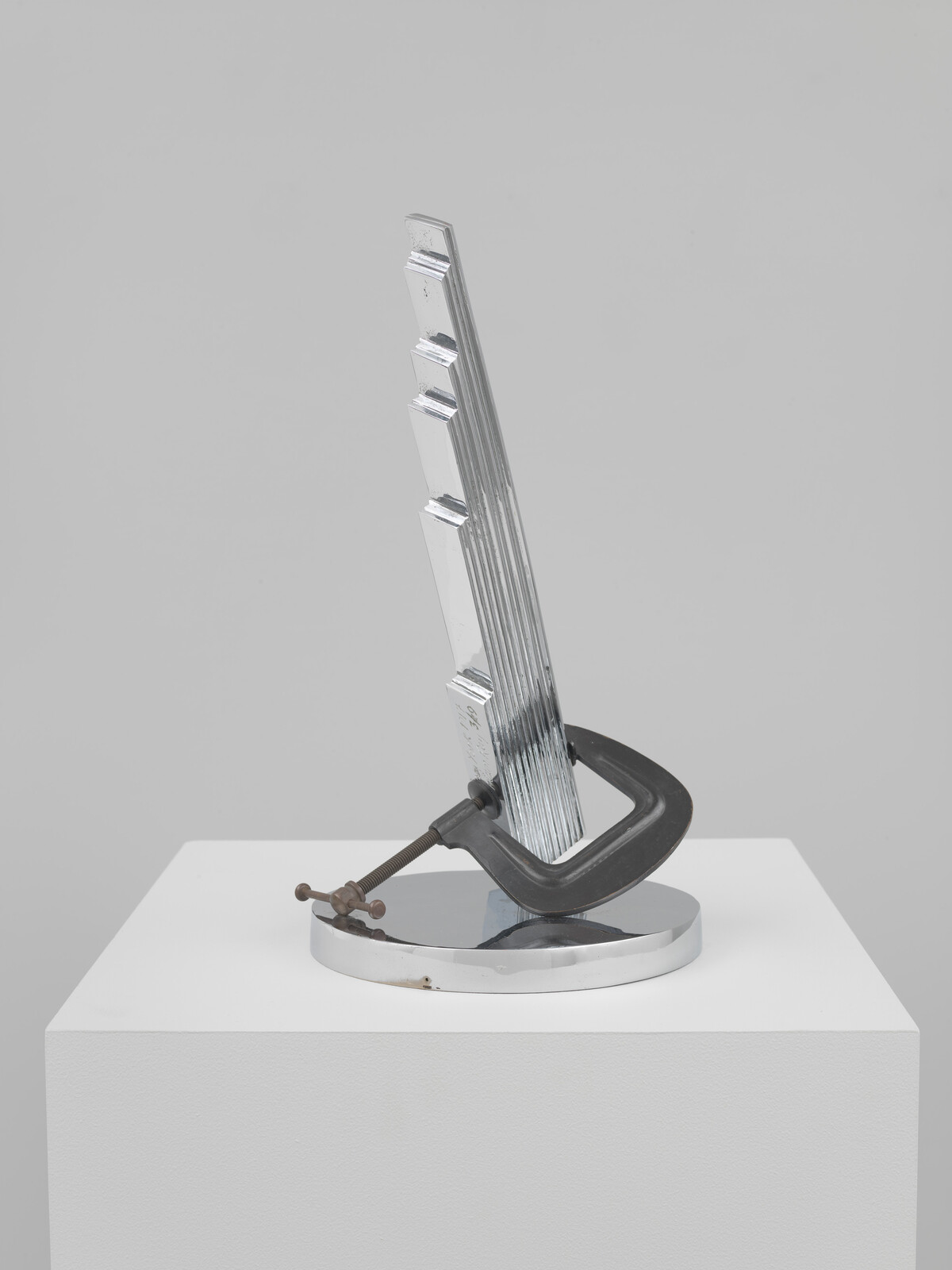
Flowers
May one see it?
Not receiving at present

Whitney Museum of American Art
New York, United States
It belongs to the collection, but is not on display at present.
- Checked
- 7 days ago
- Source
- The museum's own collection data
Particulars
- Accession number
- 71.179.3
Sources
- Whitney Museum of American Art: the museum's own open data · fetched 7 days ago
- Image: Whitney Museum of American Art — © the artist or rights holder
Meanwhile, in the life of Andy Warhol
The whole life1963–1968
Warhol the filmmaker: hundreds of reels
From 1963 to 1968 Warhol shot several hundred reels: 472 four-minute portrait Screen Tests, dozens of short films and more than 150 narrative films, only 60 of which were ever released.
1968
Moderna Museet exhibition and the “Electric Chairs”
By then Warhol had largely stopped painting, but he soon resumed and produced the Big Electric Chair paintings for his 1968 exhibition at the Moderna Museet in Stockholm.
1968
The Factory becomes a business
While Warhol was in hospital, Paul Morrissey took over filmmaking and directed his first film, Flesh (1968). After the shooting Warhol set about making the Factory a structured business, crediting Morrissey with turning it into a “regular office”.
3 June 1968
The shooting at the Factory
The writer Valerie Solanas, author of the SCUM Manifesto, who had appeared in his film I, a Man, shot Warhol and the art critic Mario Amaya; Amaya was lightly injured, while Warhol was seriously wounded and spent nearly two months in hospital. Solanas turned herself in to the police a few hours later, saying that Warhol had too much control over her life.
autumn 1969
Founding Interview magazine
Together with the British journalist John Wilcock, Warhol founded Interview magazine, at first published as inter/VIEW: A Monthly Film Journal. It was revamped a few years later and came to reflect Warhol's social life and fascination with celebrity.
1970–1971
The retrospective from Pasadena to the Whitney
In 1970 the Pasadena Art Museum organised a Warhol retrospective that travelled on to Chicago, Eindhoven, Paris, London and, in 1971, the Whitney Museum in New York. At the Whitney the Cow wallpaper (1966) served as the backdrop for the paintings.

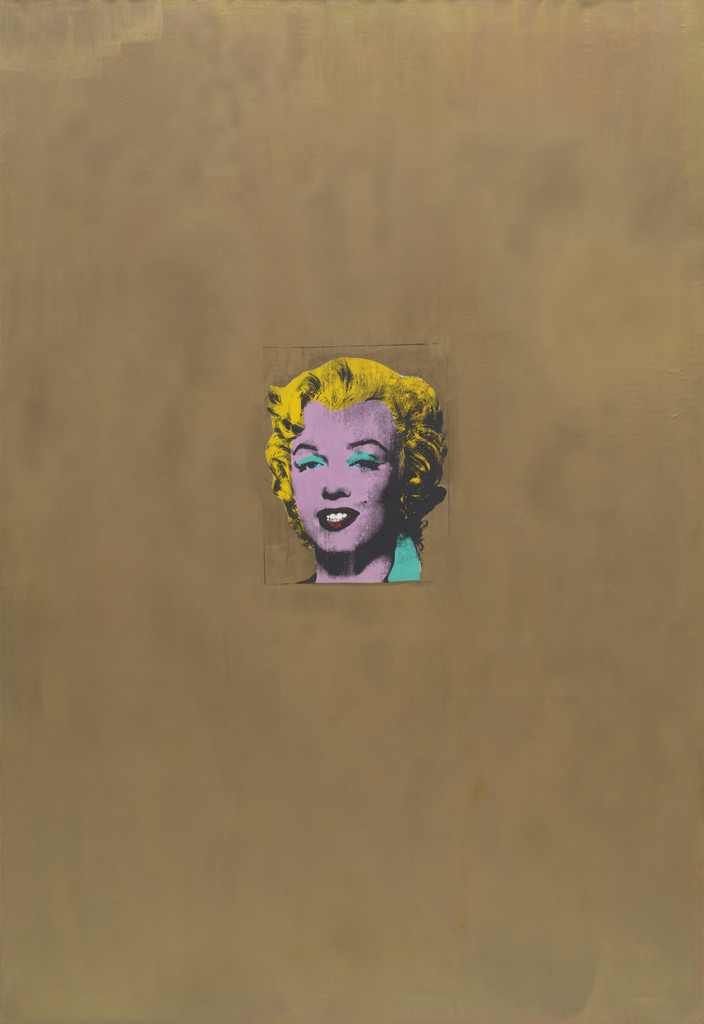
![Liz #3 [Early Colored Liz], Andy Warhol, 1963](/api/img?u=https%3A%2F%2Fwww.artic.edu%2Fiiif%2F2%2F362c0c2a-4576-2207-4ba9-2b87e6d0bad0%2Ffull%2F1200%2C%2F0%2Fdefault.jpg)