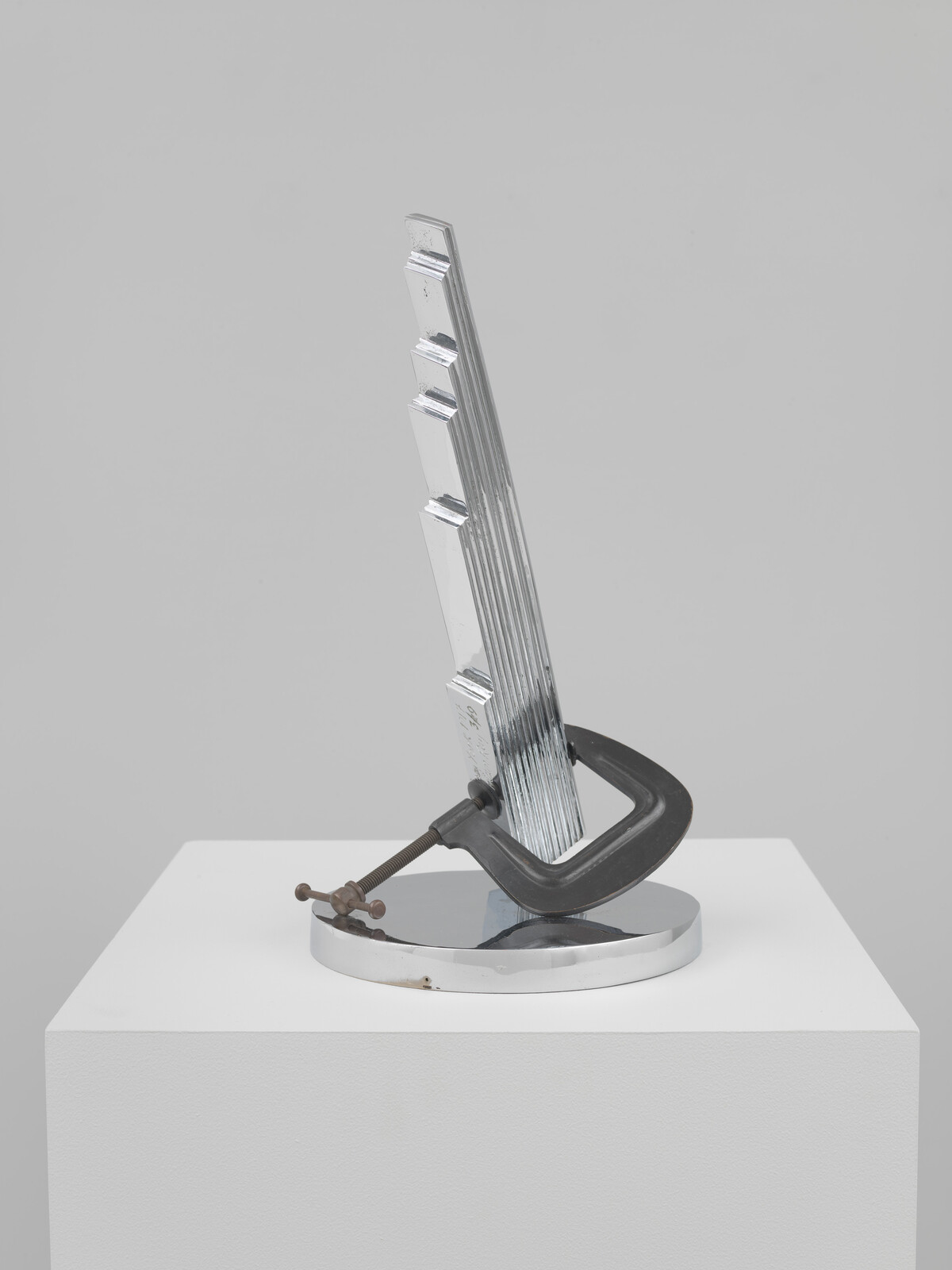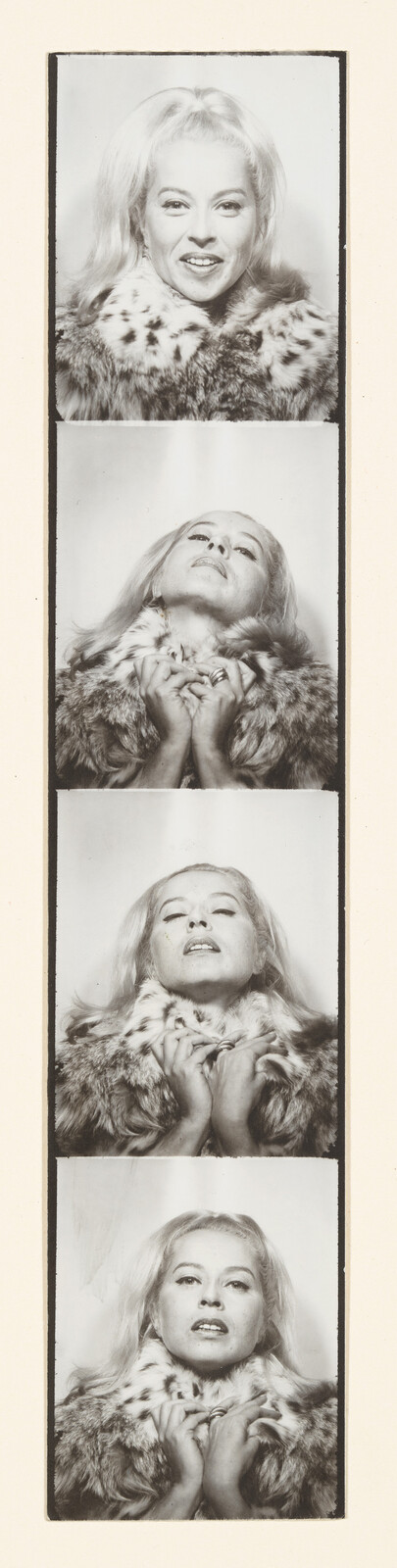
 Andy WarholAmerican, 1928–1987
Holly Solomon
May one see it?
Not receiving at present

Whitney Museum of American Art
New York, United States
It belongs to the collection, but is not on display at present.
- Checked
- 7 days ago
- Source
- The museum's own collection data
Particulars
- Accession number
- 94.123
Sources
- Whitney Museum of American Art: the museum's own open data · fetched 7 days ago
- Image: Whitney Museum of American Art — © the artist or rights holder
Meanwhile, in the life of Andy Warhol
The whole life1963–1968
Warhol the filmmaker: hundreds of reels
From 1963 to 1968 Warhol shot several hundred reels: 472 four-minute portrait Screen Tests, dozens of short films and more than 150 narrative films, only 60 of which were ever released.
1964
The Factory on 47th Street
By 1964 Warhol had moved his studio to 231 East 47th Street, which became known as the Factory; Billy Name covered it in aluminium foil and silver paint. The poet Gerard Malanga helped him with silkscreens and films, and working with assistants became a lasting feature of his method.
spring 1964
The box sculptures at the Stable Gallery
At his second Stable Gallery show Warhol turned the room into a warehouse: custom-ordered wooden boxes silkscreened with graphics — Brillo Soap Pads, Heinz Tomato Ketchup, Kellogg's Corn Flakes and others — sold for $200 to $400 depending on size.
November 1964
First “Flowers” at the Leo Castelli Gallery
In November 1964 the first Flowers series was shown at the Leo Castelli Gallery in New York — the dealer who had turned Warhol down in 1961.
May 1965
Paris: announcing his retirement from painting
The second Flowers series was shown at Galerie Ileana Sonnabend in Paris; during the trip Warhol announced that he was retiring from painting to focus on film, saying he no longer believed in painting.
3 June 1968
The shooting at the Factory
The writer Valerie Solanas, author of the SCUM Manifesto, who had appeared in his film I, a Man, shot Warhol and the art critic Mario Amaya; Amaya was lightly injured, while Warhol was seriously wounded and spent nearly two months in hospital. Solanas turned herself in to the police a few hours later, saying that Warhol had too much control over her life.

![Liz #3 [Early Colored Liz], Andy Warhol, 1963](/api/img?u=https%3A%2F%2Fwww.artic.edu%2Fiiif%2F2%2F362c0c2a-4576-2207-4ba9-2b87e6d0bad0%2Ffull%2F1200%2C%2F0%2Fdefault.jpg)