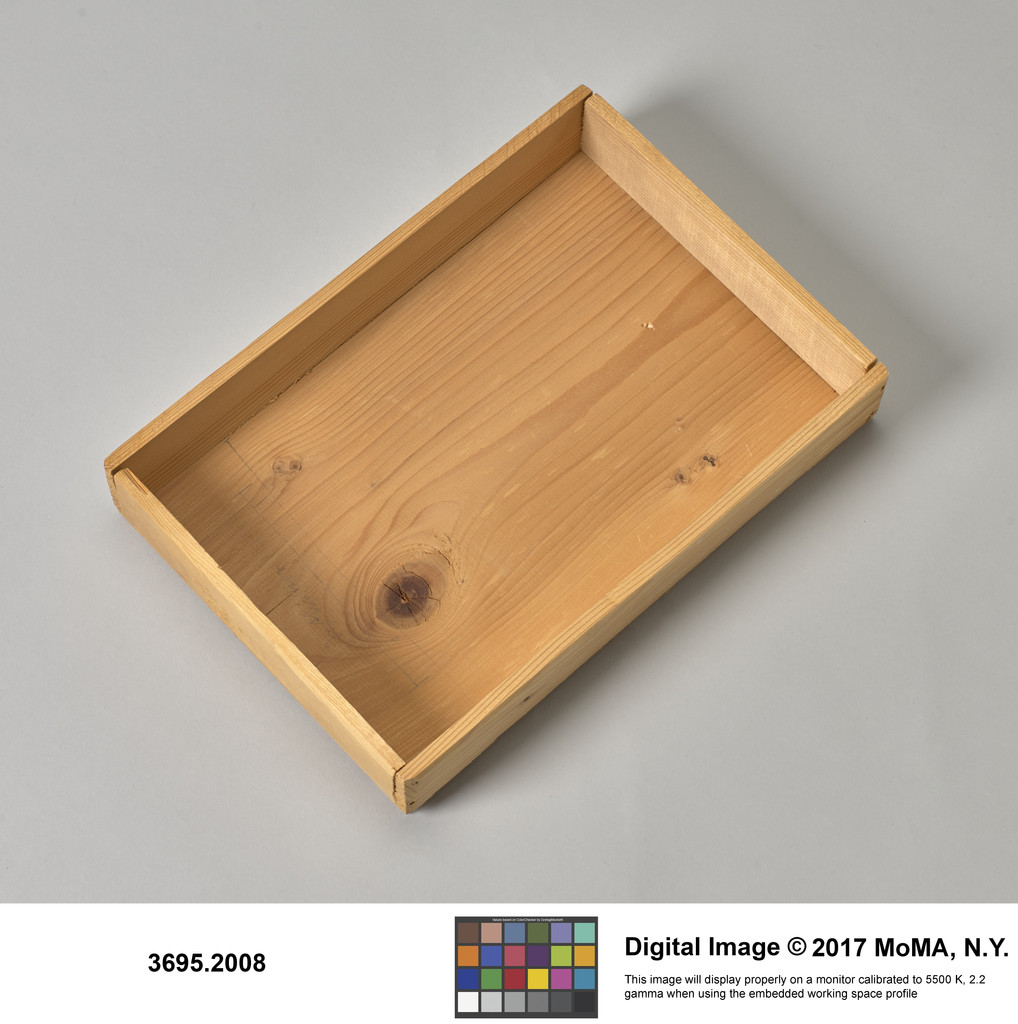
 Joseph BeuysGerman, 1921–1986
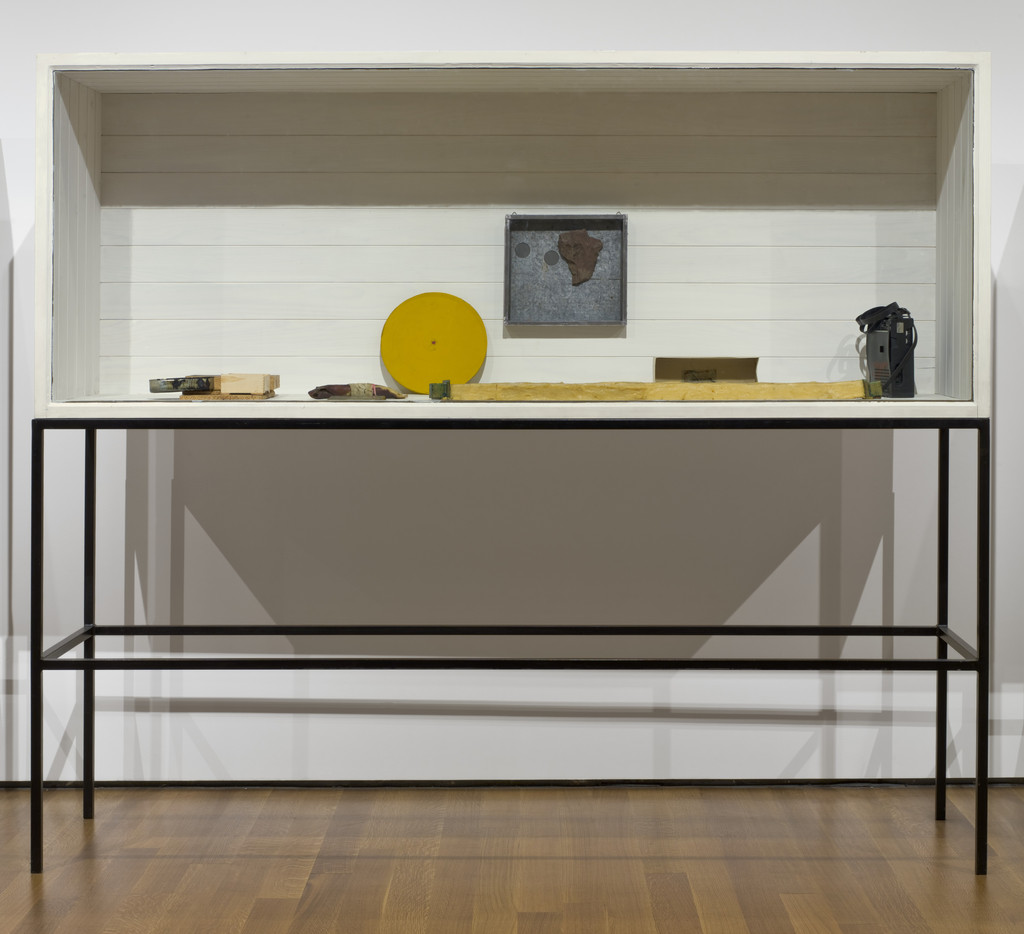
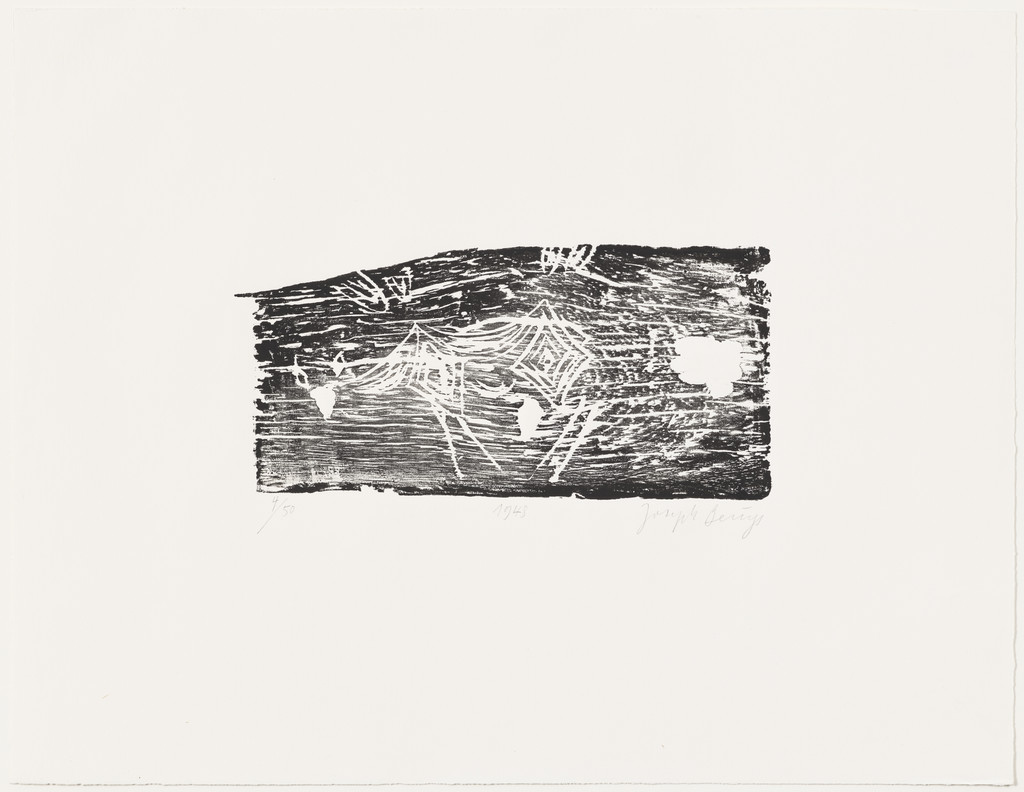
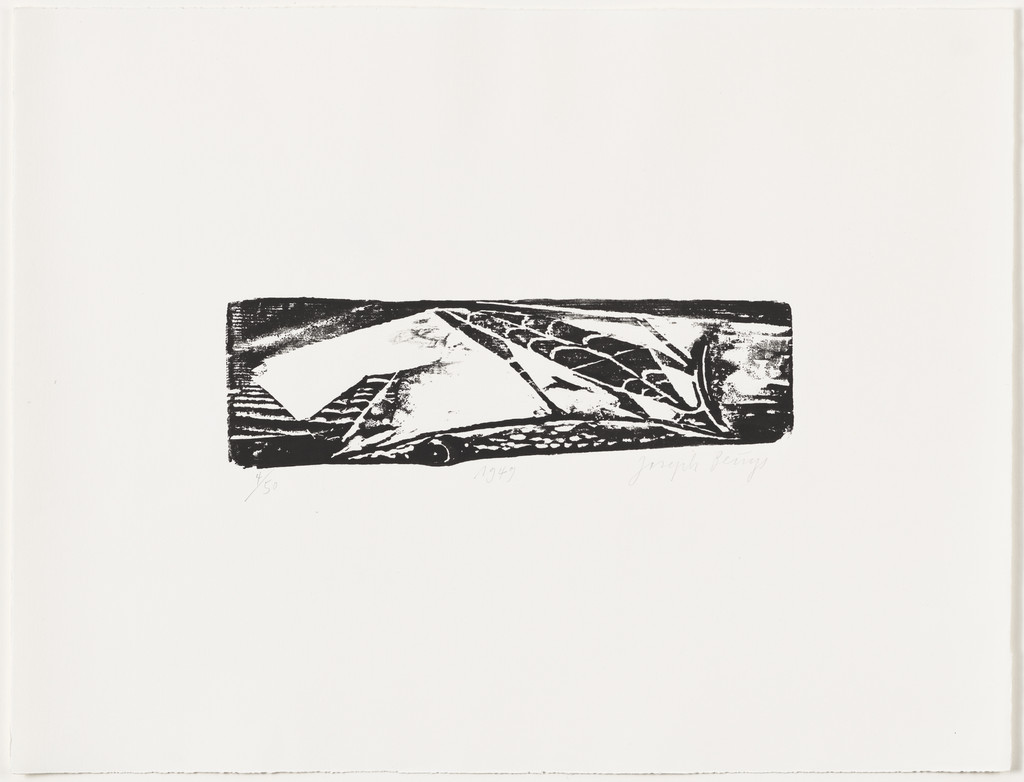
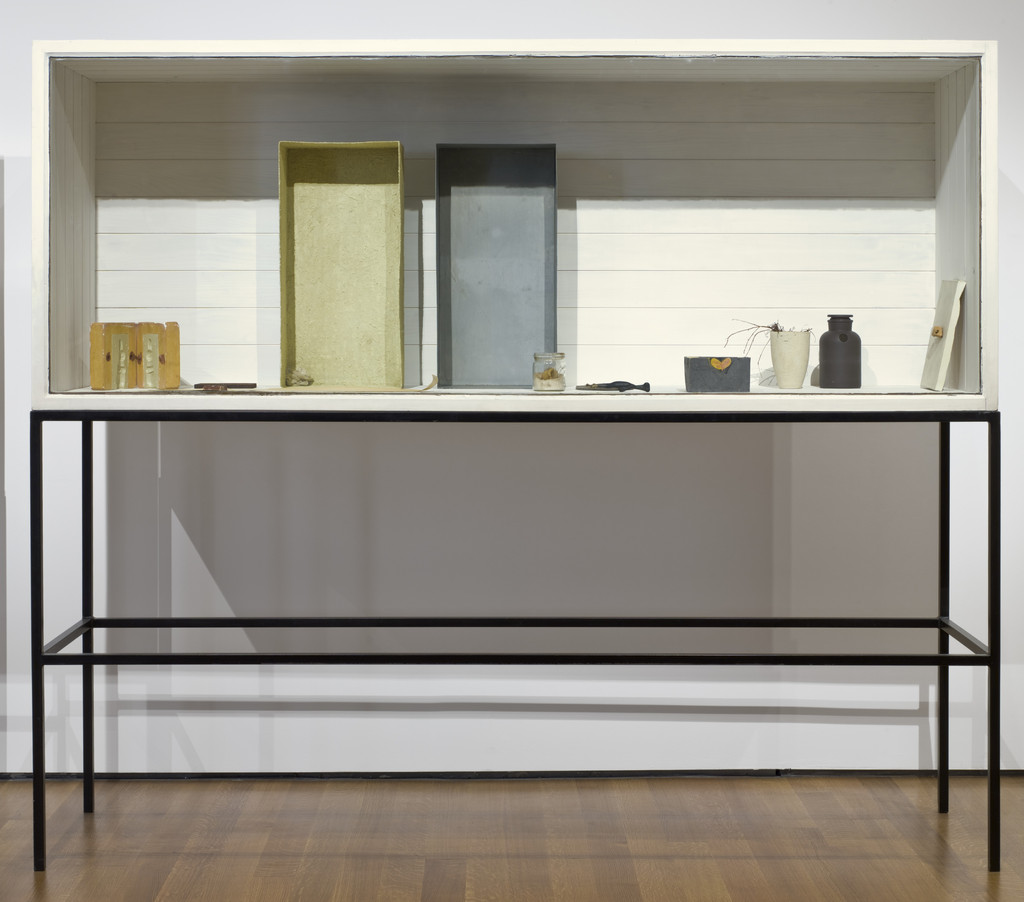
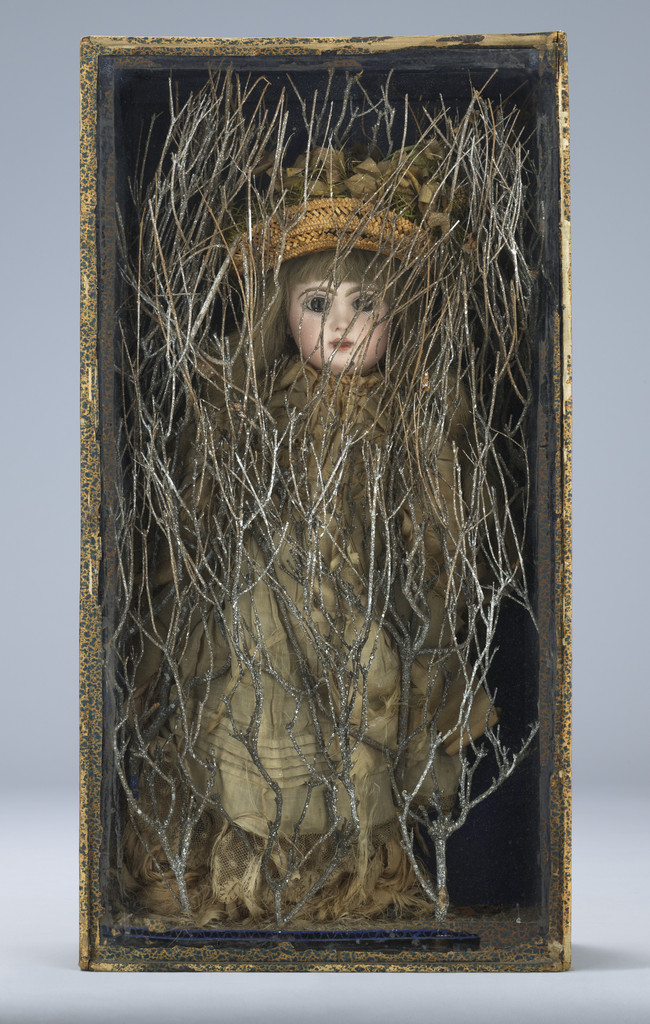
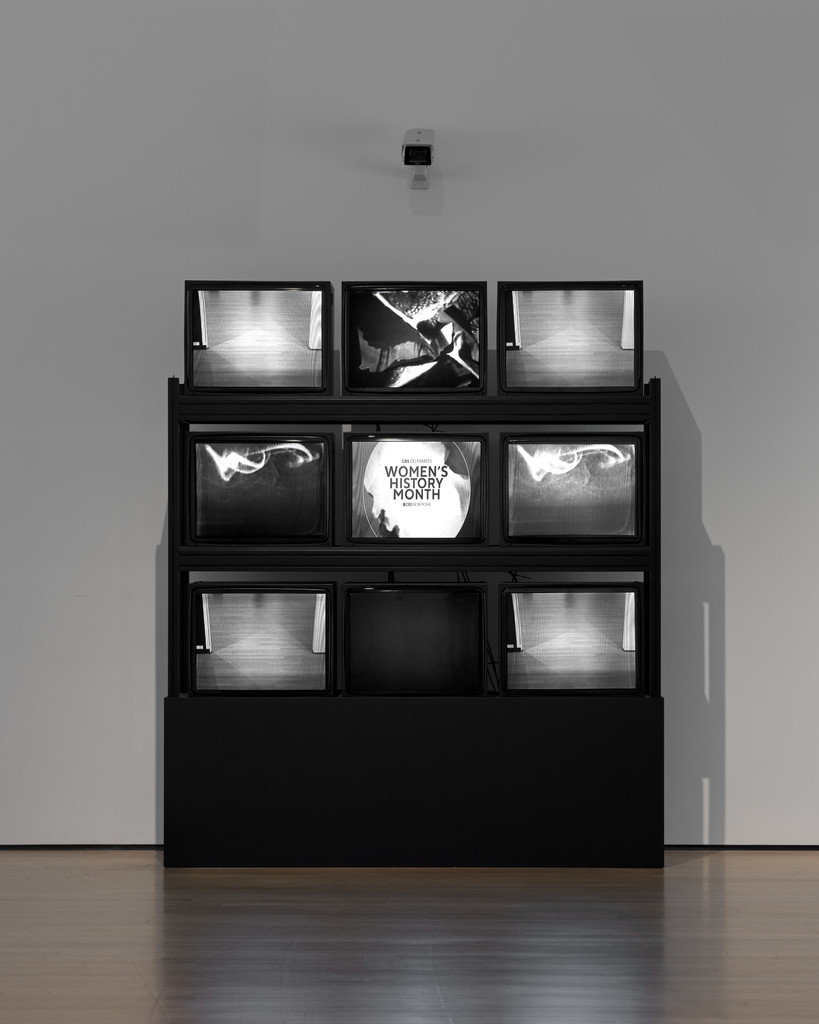
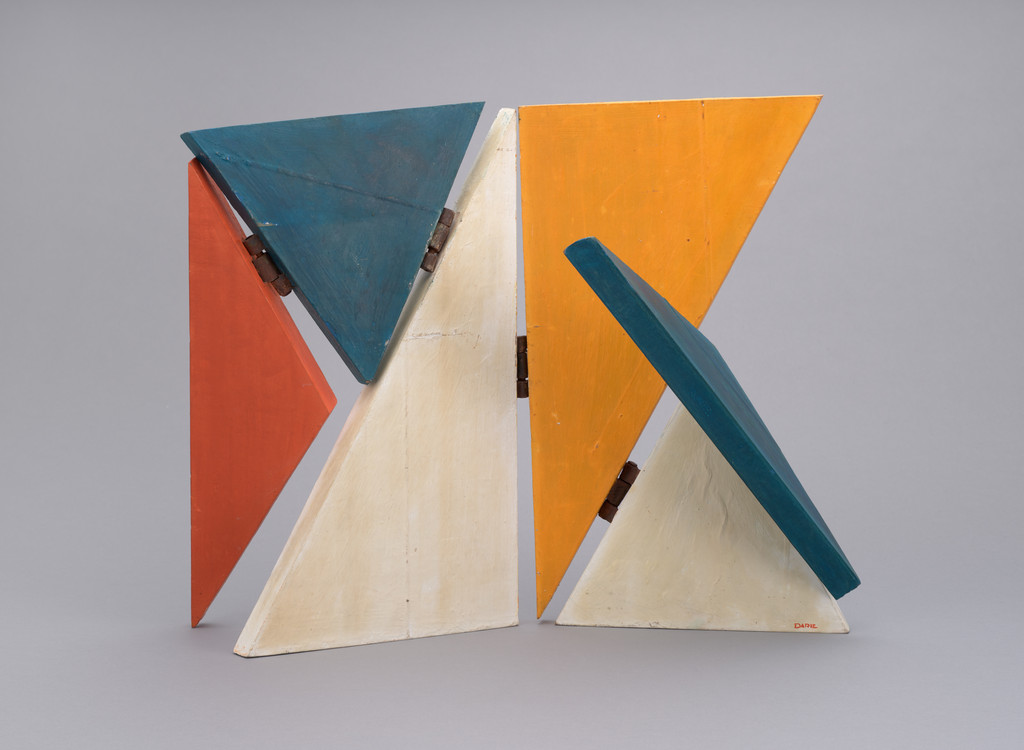
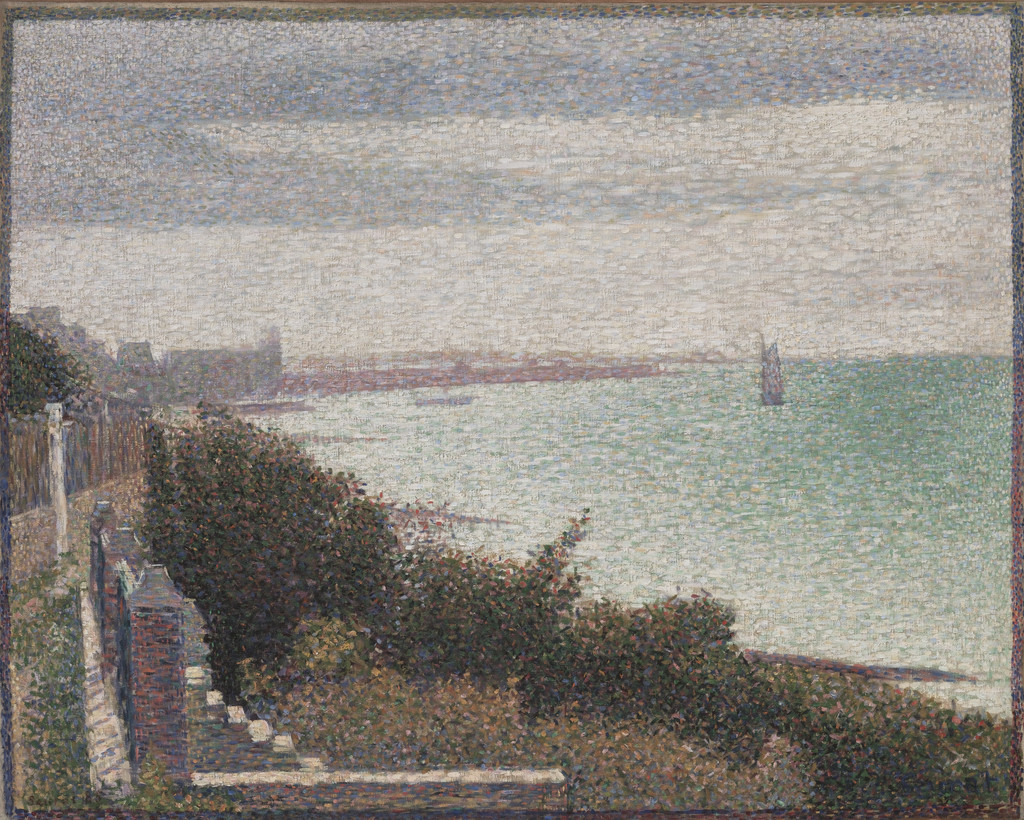
Intuition
May one see it?
Not receiving at present

The Museum of Modern Art
New York, United States
It belongs to the collection, but is not on display at present.
- Checked
- 10 days ago
- Source
- The museum's own collection data
Particulars
- Accession number
- 3695.2008
Sources
- The Museum of Modern Art: the museum's own open data · fetched 10 days ago
- Image: The Museum of Modern Art — © the artist or rights holder
Meanwhile, in the life of Joseph Beuys
The whole life1960s
Forms the idea of “social sculpture”
Drawing on Novalis and Schiller and on Rudolf Steiner's ideas of social threefolding, Beuys developed the concept of social sculpture: society as a whole is one great work of art to which everyone can contribute creatively (“everyone is an artist”).
1967
Founds a party made up of students
In June 1967, during a student demonstration in West Berlin, a participant died after a clash with the police; in response Beuys created a political party made up solely of students, demanding student self-government and free admission to university for anyone who wished.
27 June 1968 – 6 October 1968
Exhibition: 4. documenta
1969
Calls teaching his greatest work
In a 1969 Artforum interview with Willoughby Sharp, Beuys added to his famous statement that teaching is his greatest work of art: the rest is merely waste product and demonstration.
May 1970
In Scotland with Demarco: the idea of “7000 Oaks”
Invited by Richard Demarco, Beuys came to Scotland; at Loch Awe and Rannoch Moor he first conceived the necessity of “7000 Oaks”.
August 1970
The 1970 Edinburgh Festival: “Arena” and “The Pack”
In August 1970, at the Edinburgh International Festival, Beuys, with Günther Uecker, Blinky Palermo, Robert Filliou and other Düsseldorf artists, showed the retrospective “Arena” and the installation “The Pack” and performed “Celtic Kinloch Rannoch”, using a blackboard for the first time; a year later he developed the action in Basel as “Celtic+”.