 Eikoh HosoeJapanese, 1933–2024
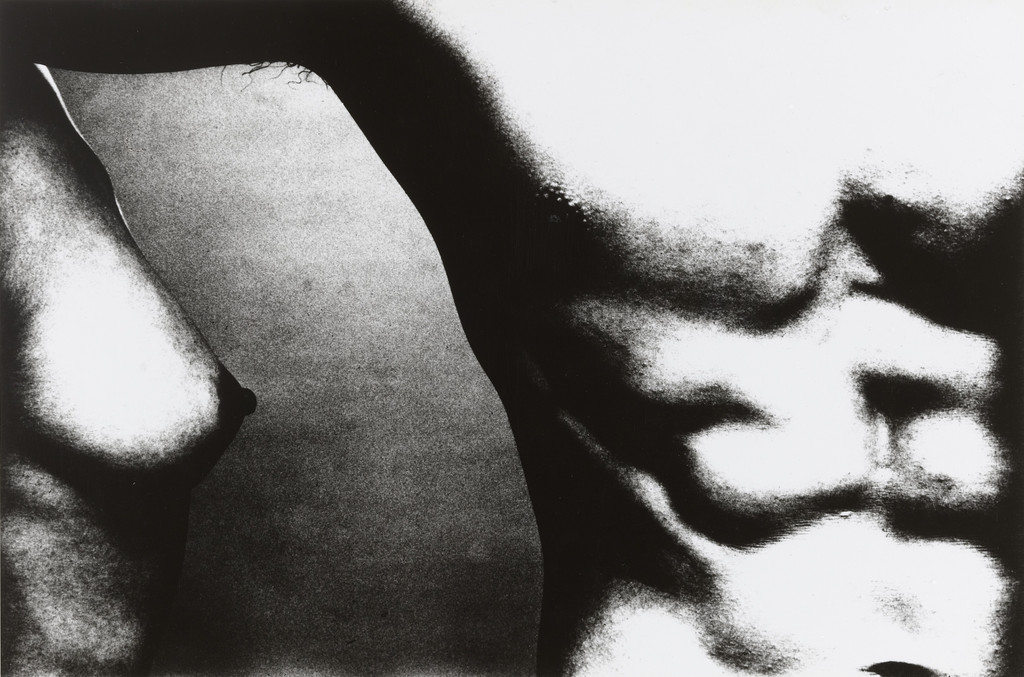
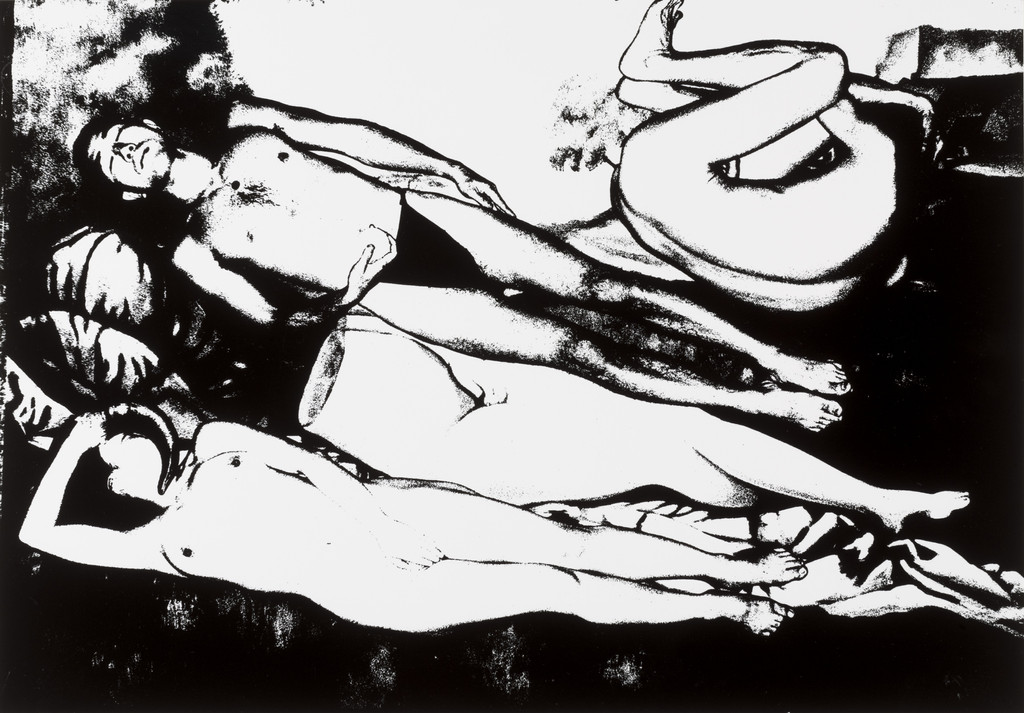
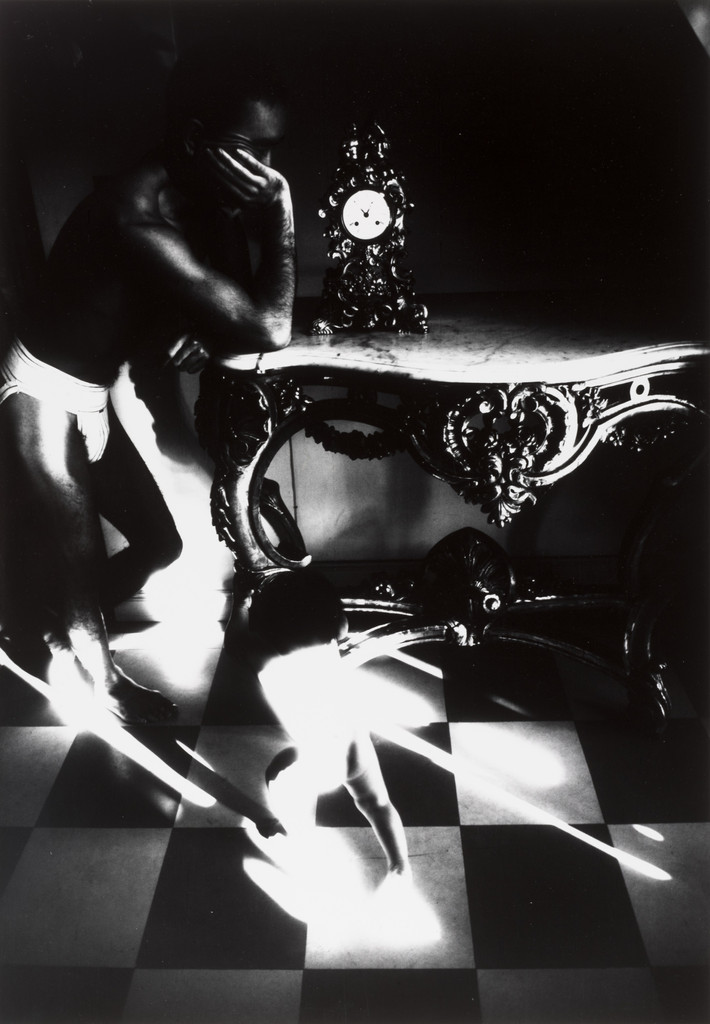
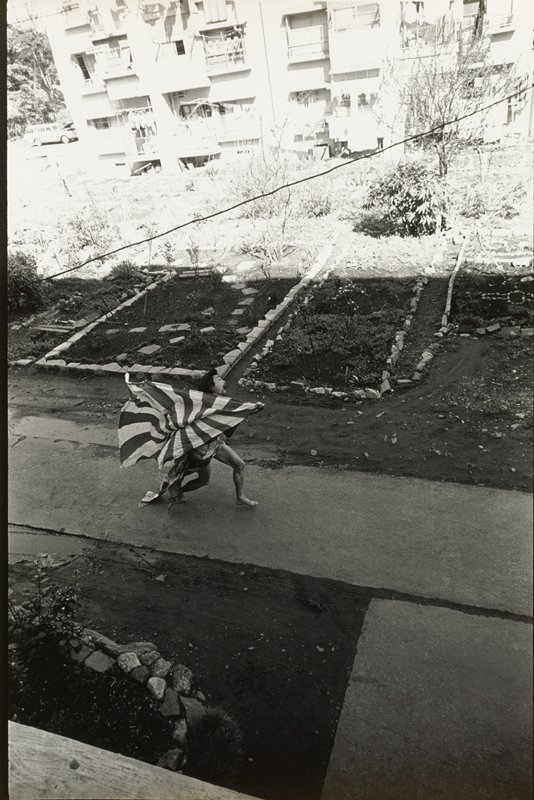
Kamaitachi #7
May one see it?
Not receiving at present

Minneapolis Institute of Art
Minneapolis, United States
It belongs to the collection, but is not on display at present.
- Checked
- 3 days ago
- In this state since
- Sep 25, 2026
- Source
- The museum's own collection data
About the work
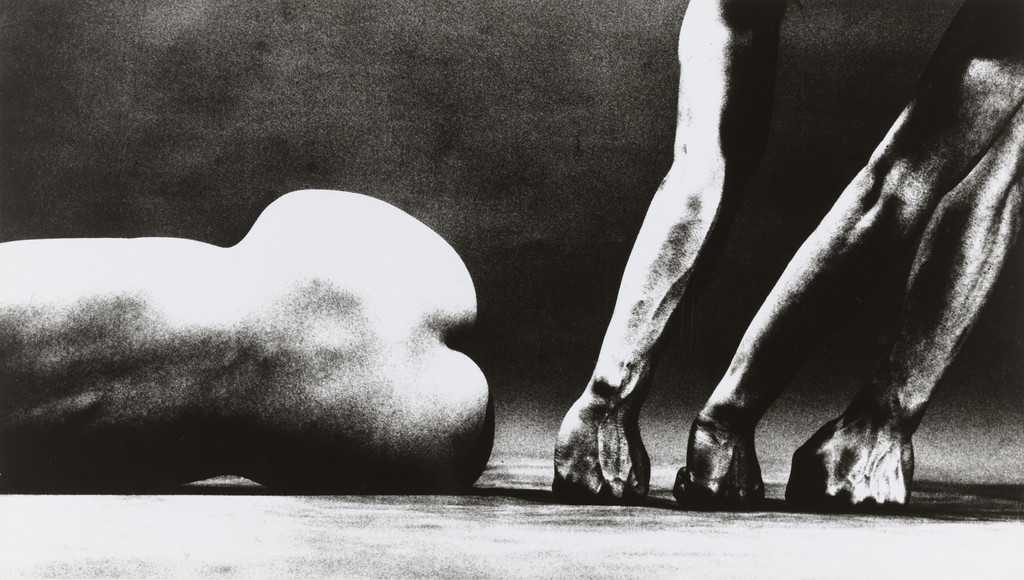
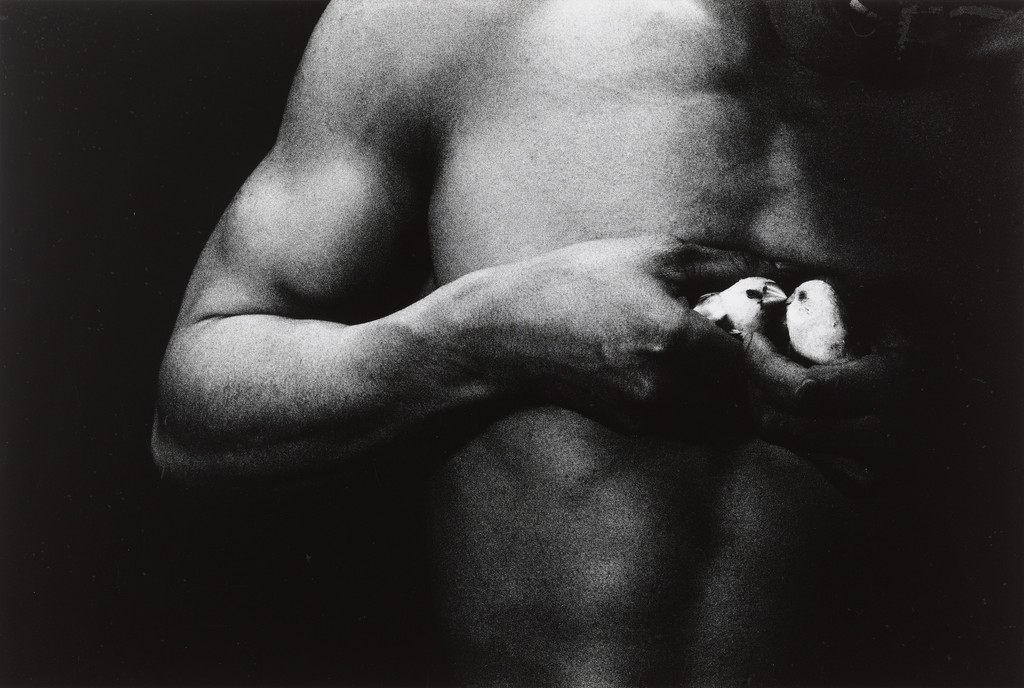
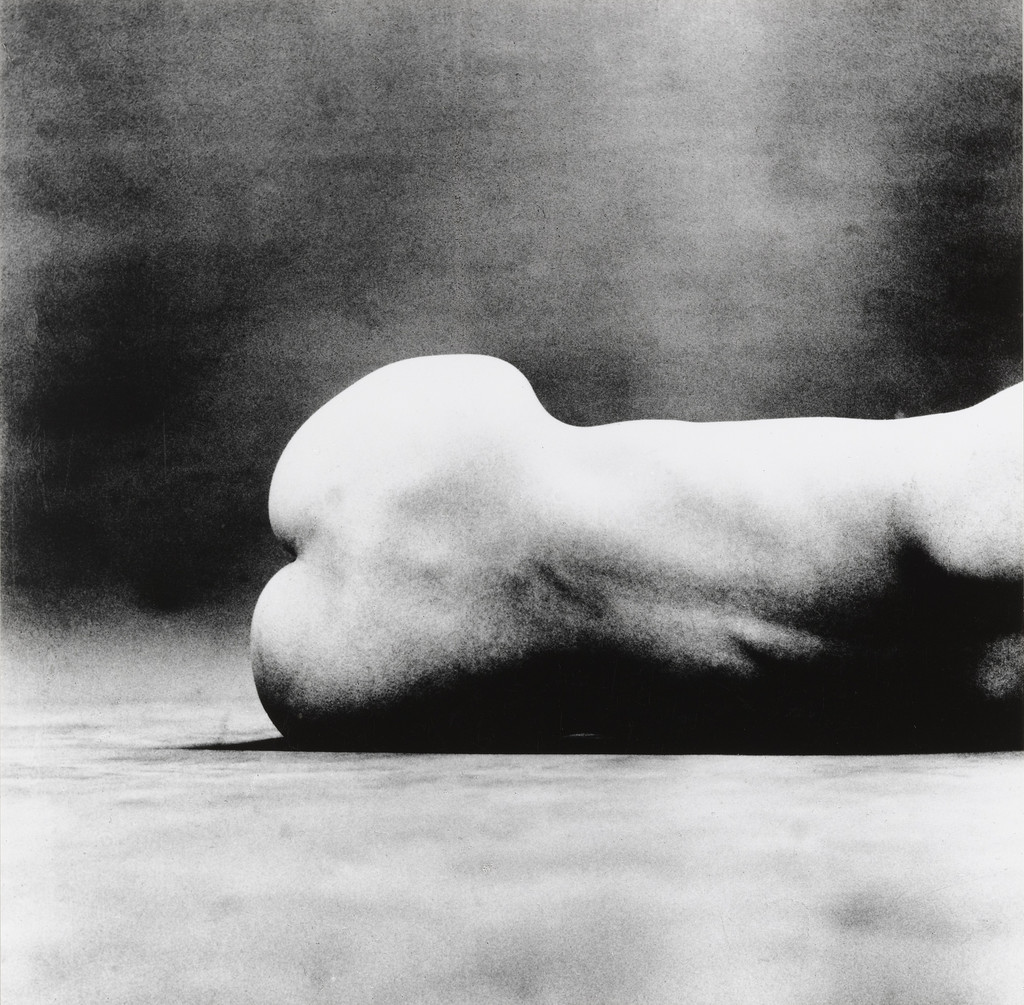
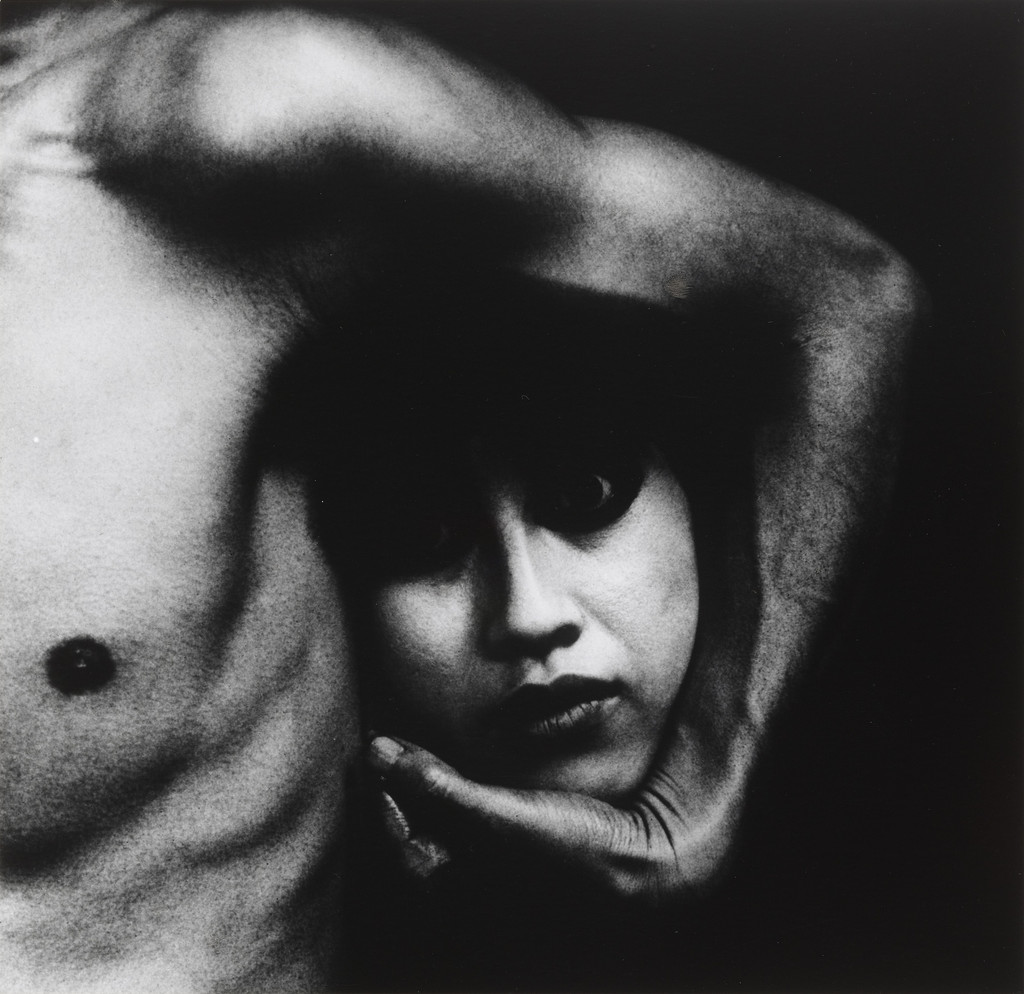
Centered on the Japanese myth of Kamaitatchi, these works primarily depict the choreographer Tatsumi Hijikata (1928-86) as the Kamaitatchi. The famed choreographer who championed the abstract dance style of Butoh, performed in front of Hosoe’s camera embodying this mythical creature. Kamaitachi is a mythical folkloric monster, often thought to be a weasel, who appears in a whirlwind to cut its victims with a sickle, his cuts neither bleed nor cause pain. In some instances, Kamaitachi is meant as a cut caused by a mysterious whirlwind. Kamaitachi was a widespread myth in rural areas of central and northeast Japan, particularly in farming villages, and was often a subject of pre-modern literature, haiku poetry, and art. The collaborating dancer Hijikata was born in Akita in northern Japan, while Hosoe was born in Yamagata in the same region.
Minneapolis Institute of Art
Particulars
- Accession number
- 2018.26.3
In the catalog
Sources
- Minneapolis Institute of Art: the museum's own open data · fetched 3 days ago
- Image: Minneapolis Institute of Art — Copyright © Hosoe Eikoh