 Marcel DuchampFrench, 1887–1968
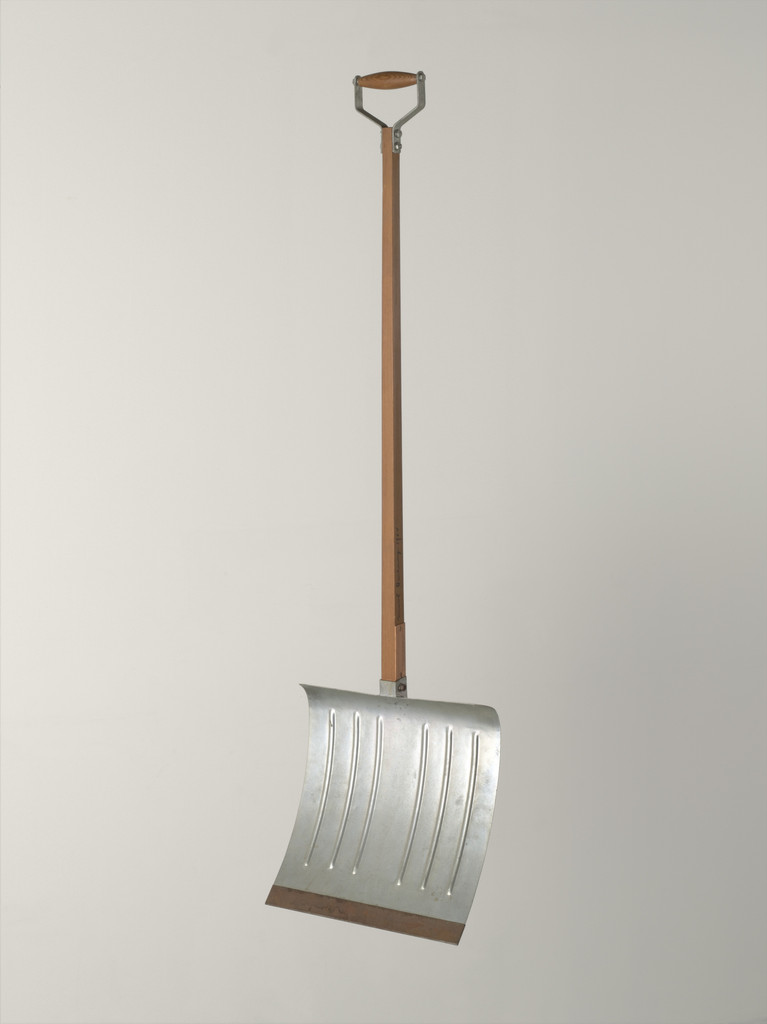
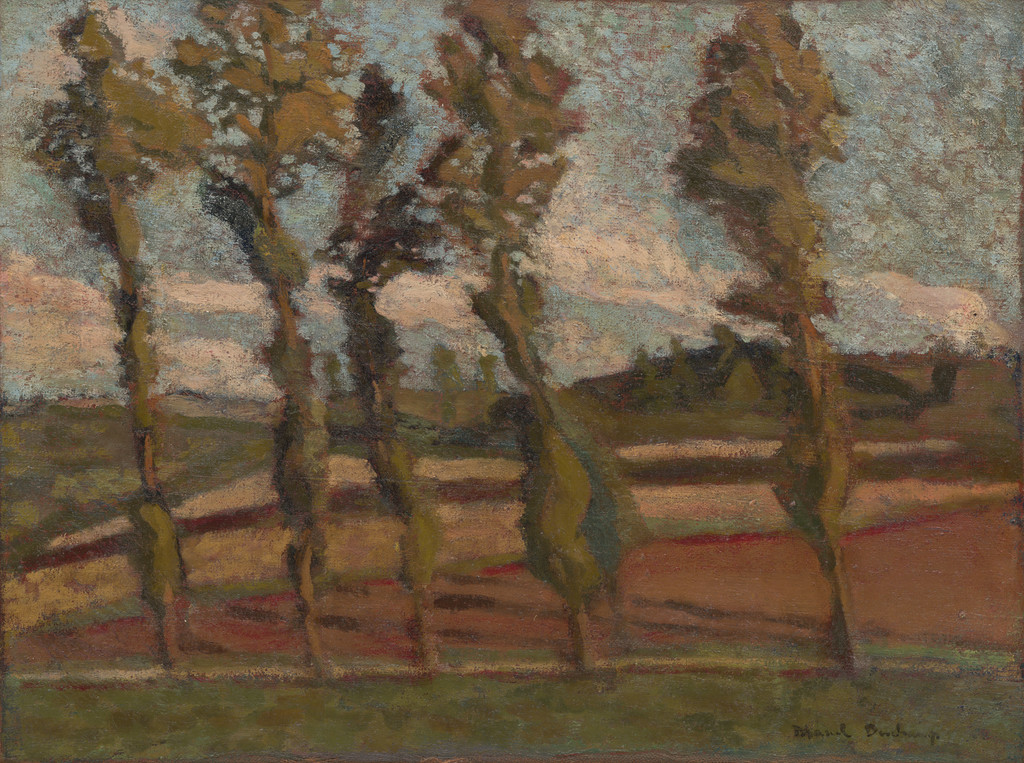
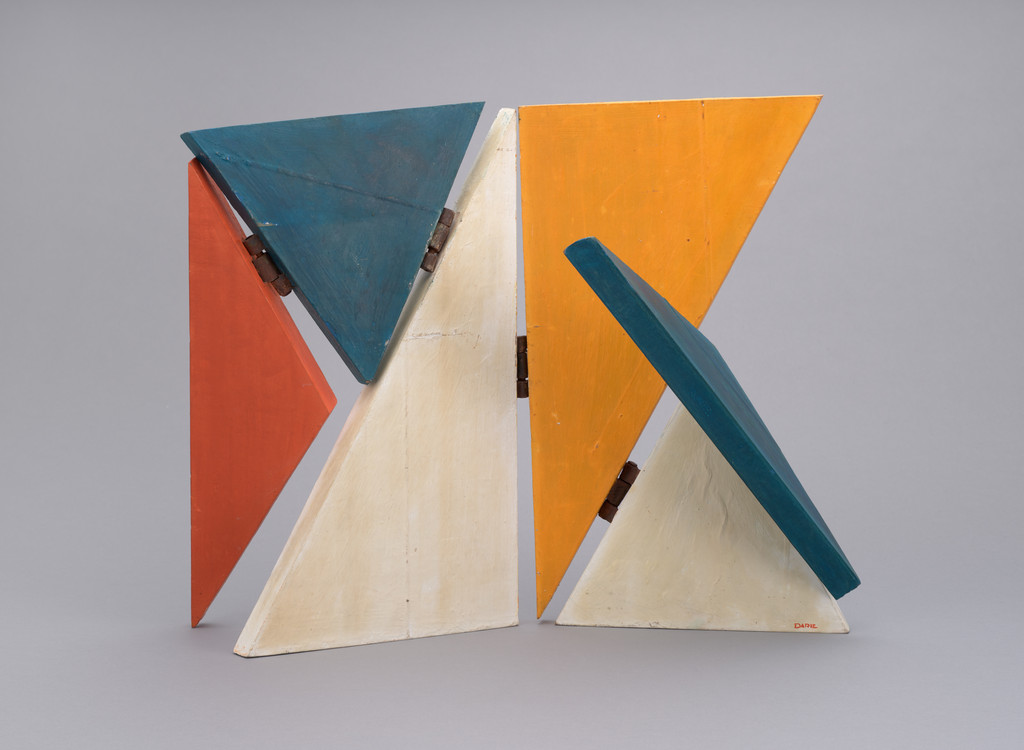
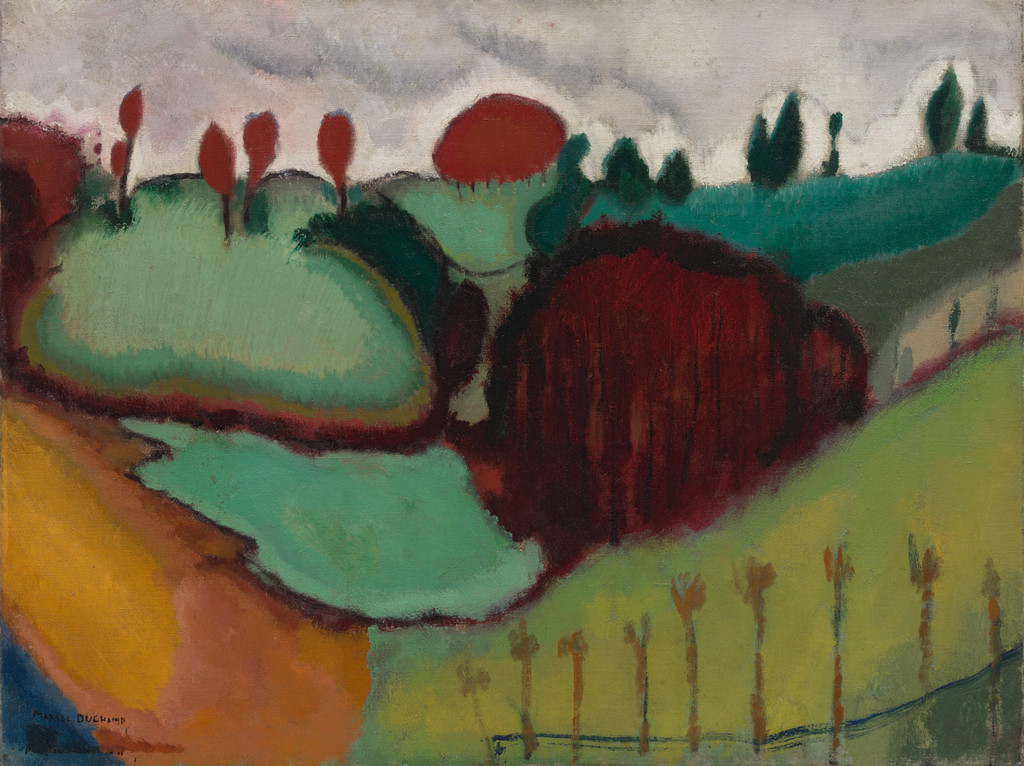
Landscape
May one see it?
Not receiving at present

The Museum of Modern Art
New York, United States
It belongs to the collection, but is not on display at present.
- Checked
- 10 days ago
- Source
- The museum's own collection data
Particulars
- Accession number
- 148.1953
Sources
- The Museum of Modern Art: the museum's own open data · fetched 10 days ago
- Image: The Museum of Modern Art — © the artist or rights holder
Meanwhile, in the life of Marcel Duchamp
The whole lifeSeptember 1911
Meeting Francis Picabia
They met at the Salon d’Automne in Paris, where both were exhibiting; Duchamp showed a larger version of his “Young Man and Girl in Spring”. “Our friendship began right there,” he said.
1912
Takes the “Nude” back from the Salon des Indépendants
Through Duchamp’s brothers, Albert Gleizes asked him to withdraw the painting or at least rename it (as Duchamp later told it); he quietly refused, but went straight to the show and took the canvas home by taxi. “It was really a turning point in my life,” he recalled, adding that after this he would not be very much interested in groups.
autumn 1912
“La Maison Cubiste” and the Section d’Or exhibition
Despite the affair of the Nude, he took part in André Mare’s La Maison Cubiste at the 1912 Salon d’Automne, signed the invitation to the Section d’Or exhibition and exhibited in it in the fall of the same year.
c. 1912
Reads Max Stirner
He read the philosophical tract The Ego and Its Own and regarded it as another turning point in his artistic and intellectual development: in his words, a book that advances no formal theories but keeps saying that the ego is always there in everything.
November 1912 · Education
École des chartes
1913
The Armory Show: the scandal of the “Nude”
At the first major exhibition in New York of the modern trends coming out of Paris, American viewers accustomed to realistic art were scandalised and the Nude stood at the centre of the controversy; it helped secure the sale of all four of Duchamp’s paintings in the show.