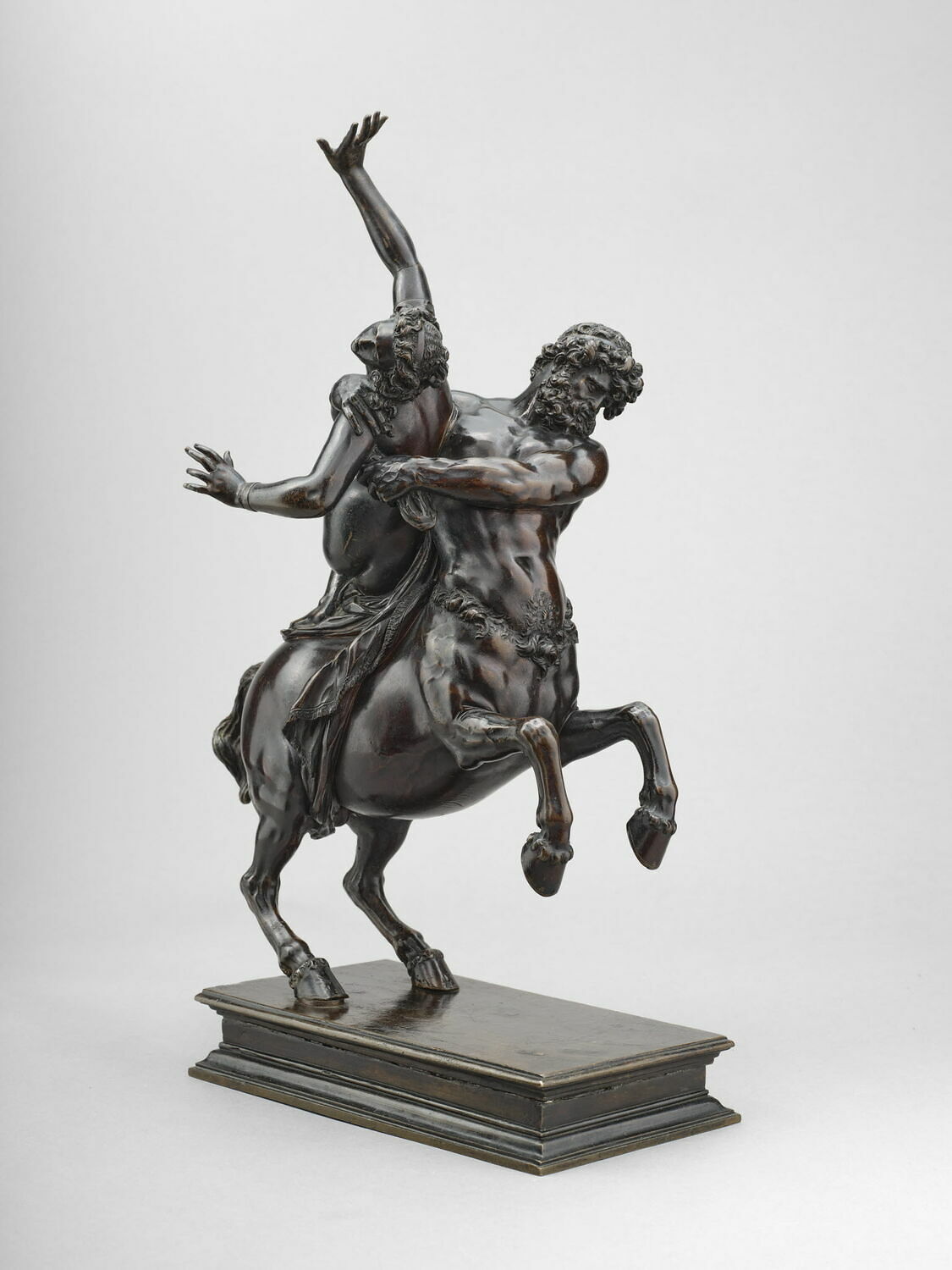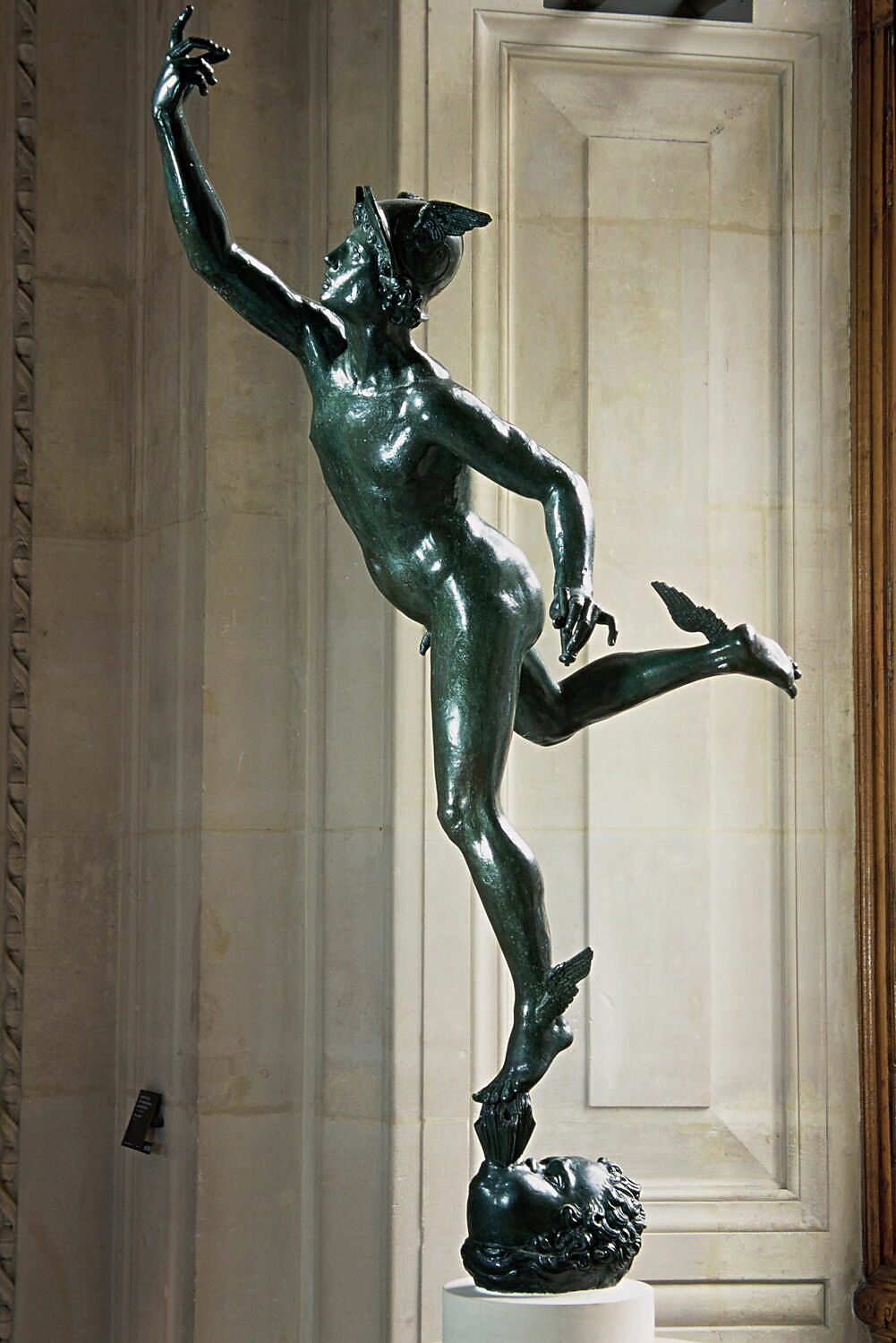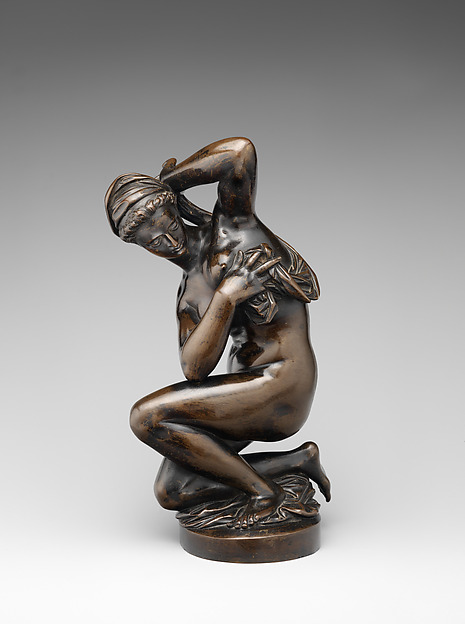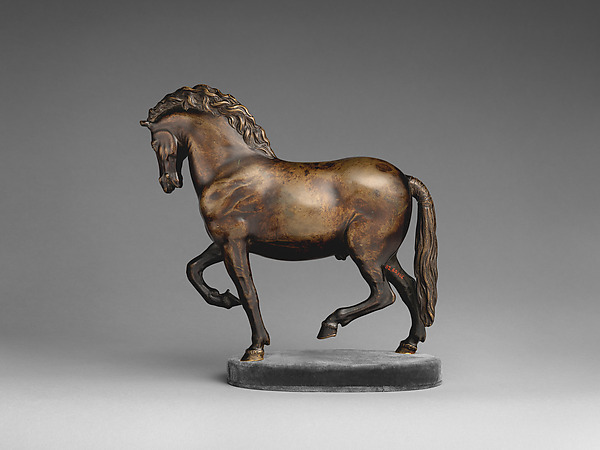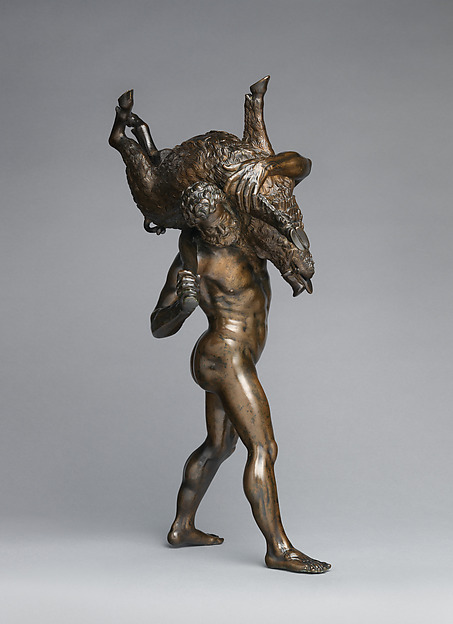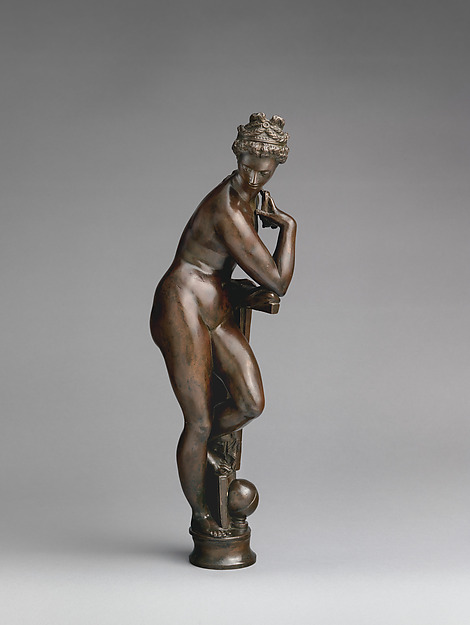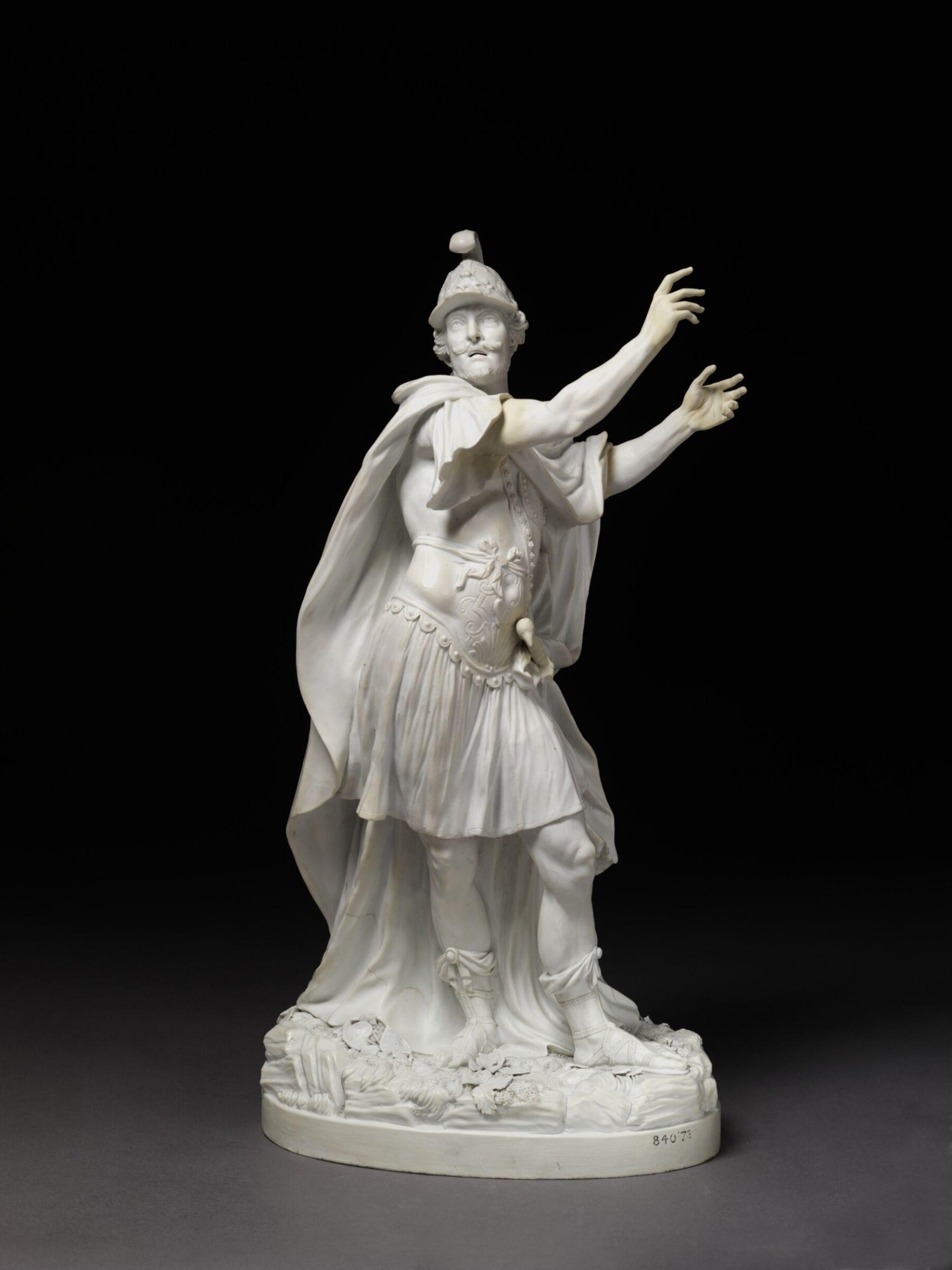
 GiambolognaFlemish, 1529–1608
Model
May one see it?
Yes, receiving visitors

Victoria and Albert Museum
RoomMedieval & Renaissance, Room 62, The Foyle Foundation GalleryLondon, United Kingdom
On public display.
- Checked
- 7 days ago
- In this state since
- Sep 25, 2026
- Source
- The museum's own collection data
About the sculpture
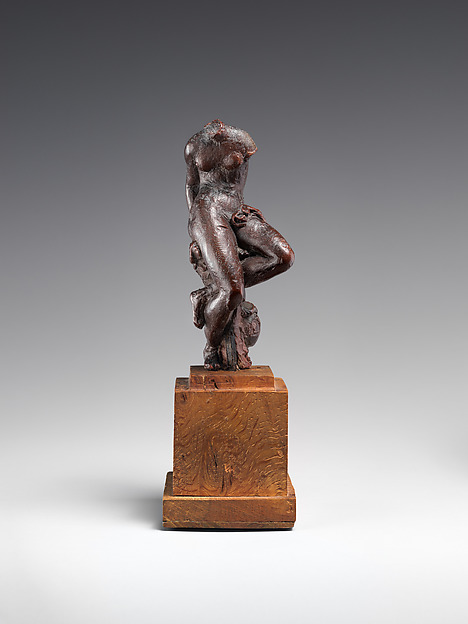
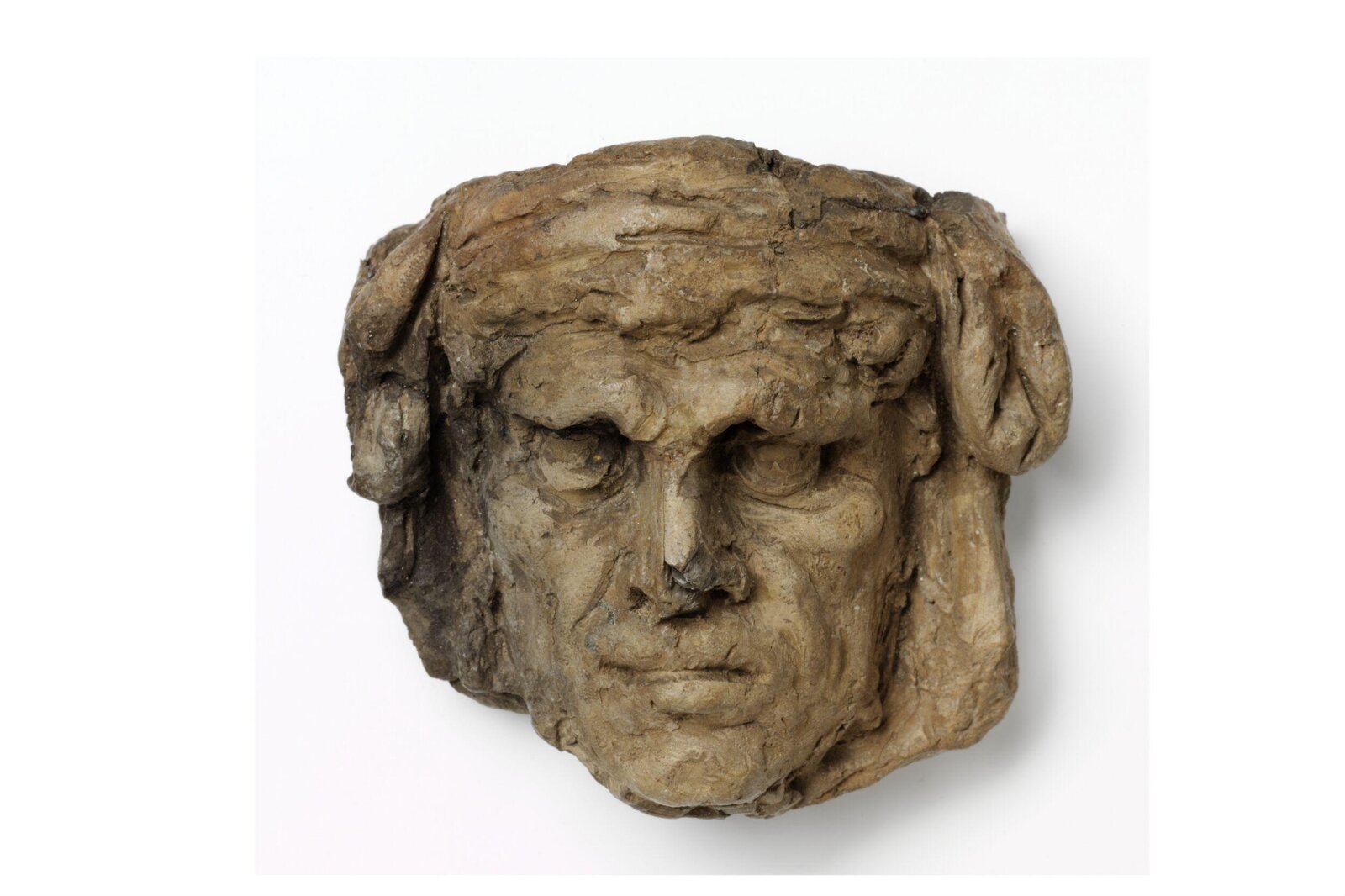
Clays come from decomposed rocks ground down by weathering. Skill is needed in preparing wet clay to give it strength and ease of modelling, also to remove excess water and air before it is fired in a kiln. Firing fuses the clay particles and causes other structural changes that affect the colour and lead to shrinkage of about 10%. Comparatively few works in unfired clay survive because they are fragile and easily damaged. This figure is unfired and you can see the natural colour of the clay. Clay that is merely dried and not fired is known as ‘terra secca’. This is an unfired sketch model for grotesque masks on the façade of a building.
Victoria and Albert Museum
Particulars
- Accession number
- 4107:1-1854
In the catalog
Sources
- Victoria and Albert Museum: the museum's own open data · fetched 7 days ago
- Image: Victoria and Albert Museum — © Victoria and Albert Museum, London