Gustav KlimtAustrian, 1862–1918
Seite 11
May one see it?
Unknown: the museum keeps its counsel

Belvedere
Vienna, Austria
The owner is known. Whether it is on view today, the museum does not say, and we were not trained to guess.
- In this state since
- Sep 27, 2026
- Source
- The museum's own collection data
About the work
Im Vergleich zu dem im Frühjahr 1898 fertiggestellten Entwurfsgemälde ist links unten eine neue Figur angedeutet. Zu Füßen des Elternpaares deuten geschwungene Linien eine schleierhafte Struktur an.
Belvedere
Particulars
Sources
- Belvedere: the museum's own open data · fetched 3 days ago
- Image: Belvedere — CC BY-SA 4.0
Meanwhile, in the life of Gustav Klimt
The whole life1897
First president of the Vienna Secession
The Secession began as a union of fifty founders and Klimt was chosen as its first president: he was sponsored by the influential Carl Moll, and was the eccentric, taciturn leader regarded as steadfast and authentic. In the salon of Carl and Anna Moll he met Viennese society and began painting portraits of its ladies.
from the late 1890s
Summers on the Attersee
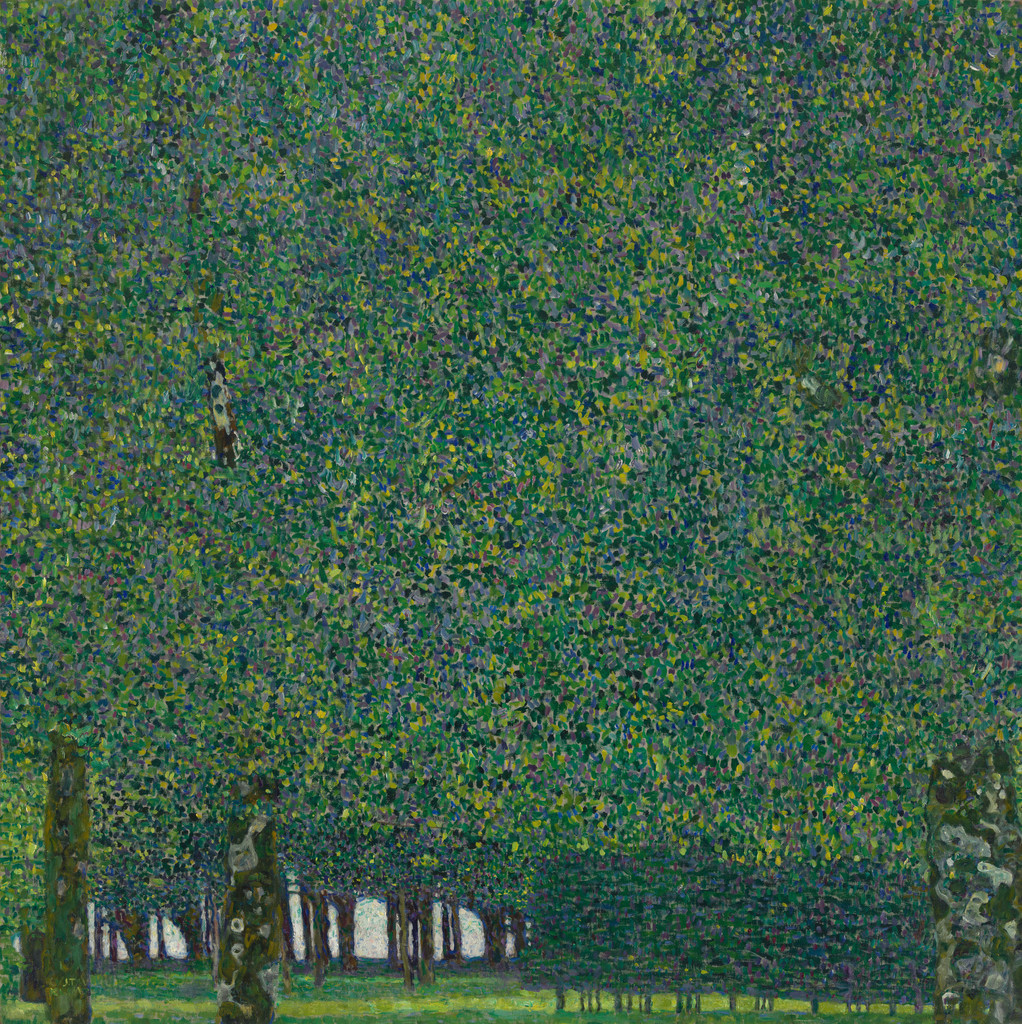
From the late 1890s Klimt spent every summer with the Flöge family on the Attersee and painted landscapes there — the only genre besides figure painting that seriously interested him. The locals called him the “forest demon”; space in these landscapes is flattened so completely into one plane that he is believed to have painted them through a telescope.
1897–1917
Society portraits of Viennese ladies
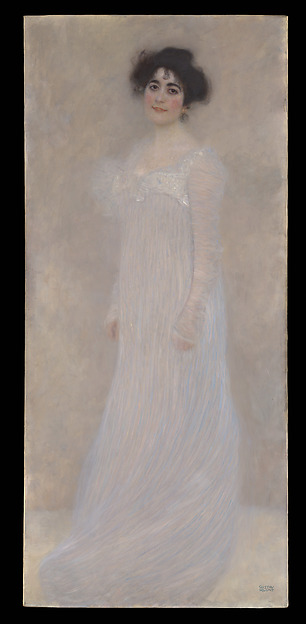
Over twenty years Klimt painted nearly twenty society portraits of women, which gave him financial independence; Carl Moll introduced him to many of the sitters, most of them from the Jewish upper bourgeoisie. In the portraits the ladies are hidden in sumptuous clothing, their heads and hands seeming to float detached from reality.
1898/1899
Son born: Gustav Ucicky
1900
“Philosophy” at the Secession: the scandal
First shown at the Secession's seventh exhibition, “Philosophy” provoked protests from the public and university professors, and a scandal unprecedented in Vienna brought the exhibition a record 35,000 visitors. Three weeks after the opening the painting went to the World Fair in Paris and won a gold medal.
1900–1907
He returns the advance and keeps the paintings
The state commission refused to accept the three “Faculty Paintings”; Klimt told the minister he would return the 60,000-krone advance, refused to work for the Austrian state again and kept the pictures. The ministry demanded them, but Klimt did not open the door to the removal men — and the affair ended in his victory.