 Grant WoodAmerican, 1891–1942
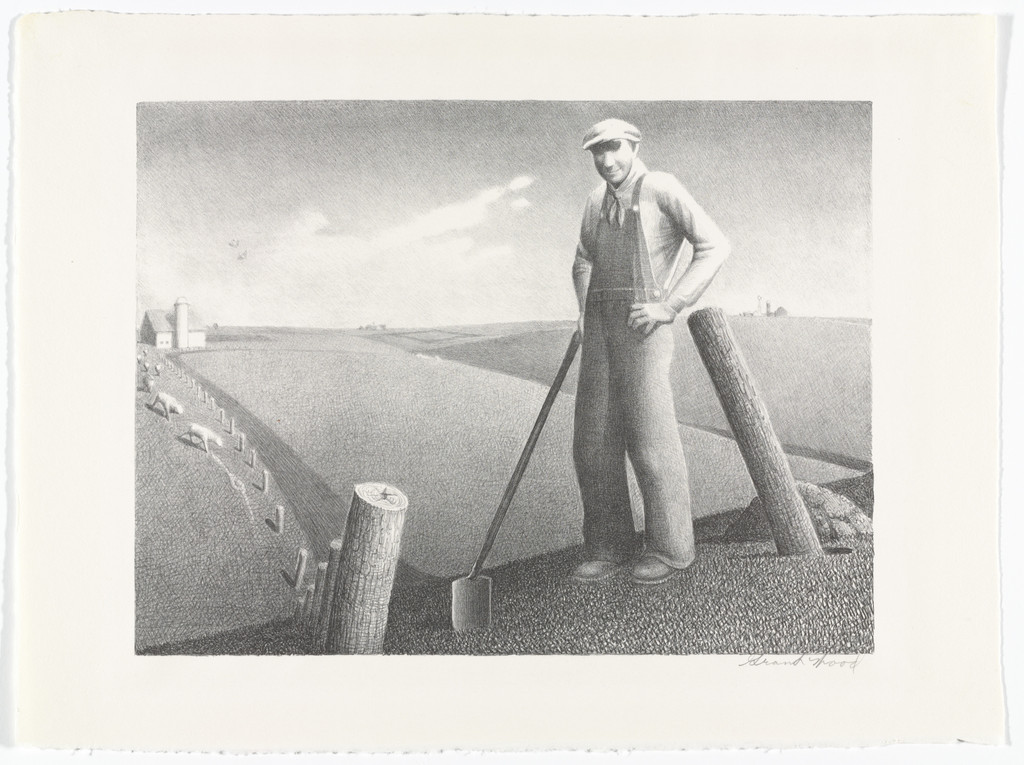
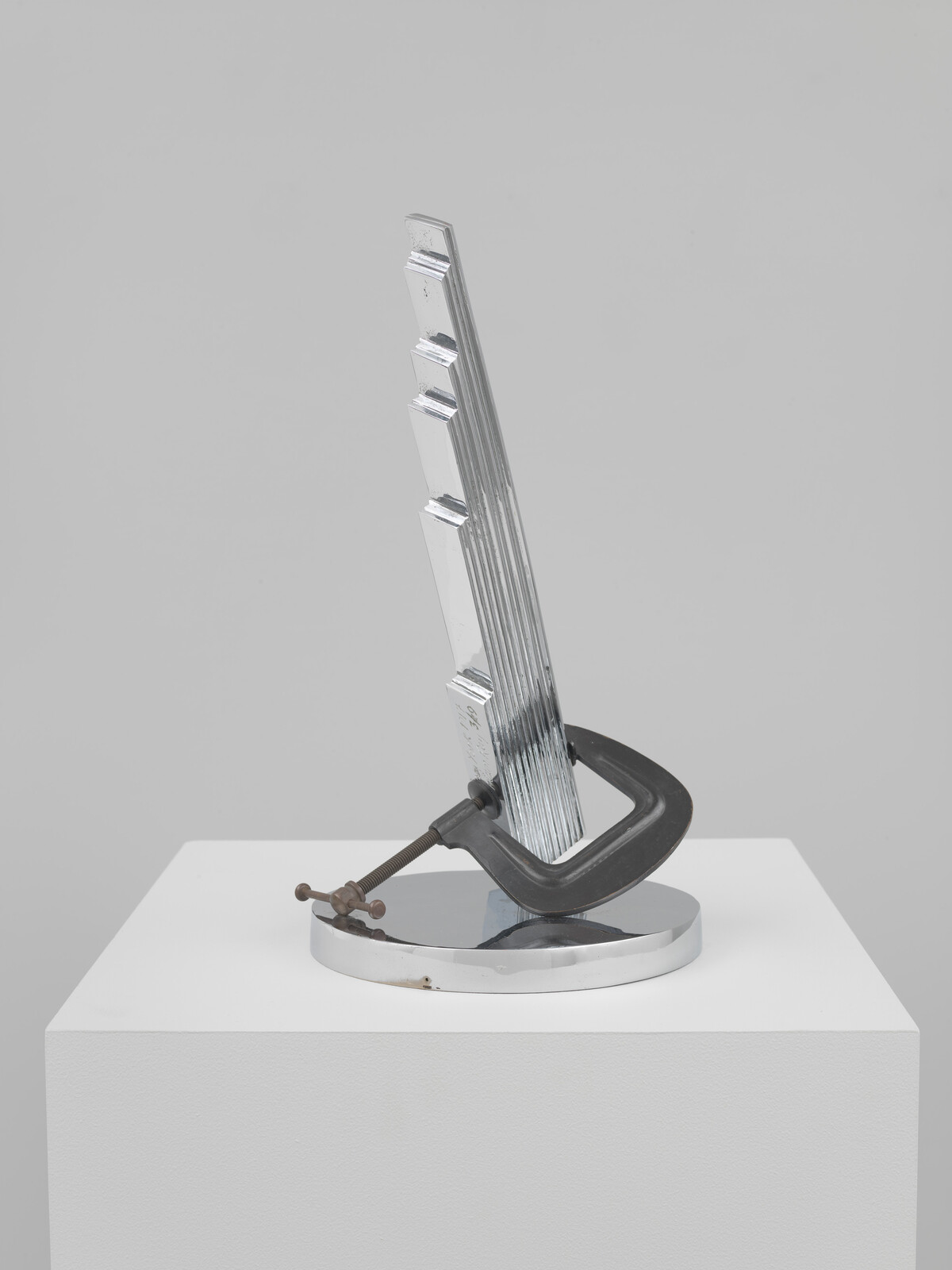
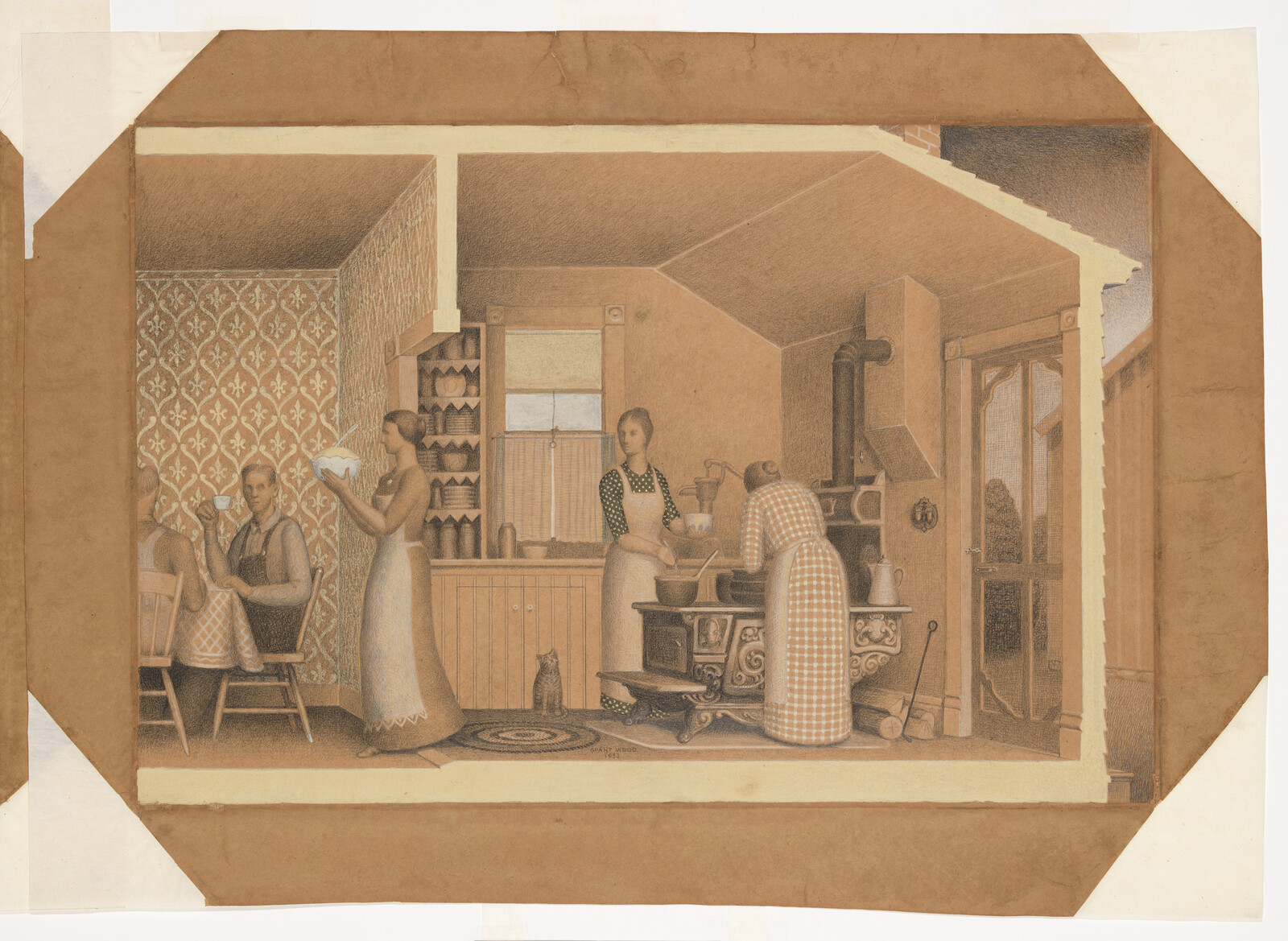
Study for Dinner for Threshers (right section)
May one see it?
Not receiving at present

Whitney Museum of American Art
New York, United States
It belongs to the collection, but is not on display at present.
- Checked
- 7 days ago
- Source
- The museum's own collection data
Particulars
- Accession number
- 33.79.2
Sources
- Whitney Museum of American Art: the museum's own open data · fetched 7 days ago
- Image: Whitney Museum of American Art — © the artist or rights holder
Meanwhile, in the life of Grant Wood
The whole life1924–1935
“5 Turner Alley”: a studio in a carriage-house hayloft
From 1924 to 1935 Wood lived with his mother in the hayloft of a carriage house in Cedar Rapids that he had converted into his personal studio; it had no address until Wood made one up: “5 Turner Alley”.
1930s
Helps Curry and Benton return to the Midwest
John Steuart Curry and Thomas Hart Benton, who with Wood are the artists most associated with Regionalism, returned to the Midwest thanks to his encouragement; he helped them find teaching positions at colleges, Curry in Wisconsin and Benton in Missouri.
1932
Helps found the Stone City Art Colony
In 1932 Wood helped found the Stone City Art Colony near his hometown to help artists get through the Great Depression.
after 1932
Lectures on regionalism; the Paris bohemia erased
A great proponent of regionalism, Wood lectured on the subject throughout the country; as his classically American image solidified, his bohemian days in Paris were expunged from his public persona.
1934
Director of a New Deal PWAP project in Iowa City
In 1934 Wood was offered a position working and teaching in Iowa City as director of a New Deal Public Works of Art Project; there he assisted other artists and art students in producing a set of murals for Iowa State University in Ames.
1934
The University of Iowa offers him a three-year post
Once his PWAP project ended, the University of Iowa offered Wood a three-year term as Associate Professor of Fine Art; he taught painting at the university’s School of Art until 1941.

.jpg?width=1280)