 René MagritteBelgian, 1898–1967
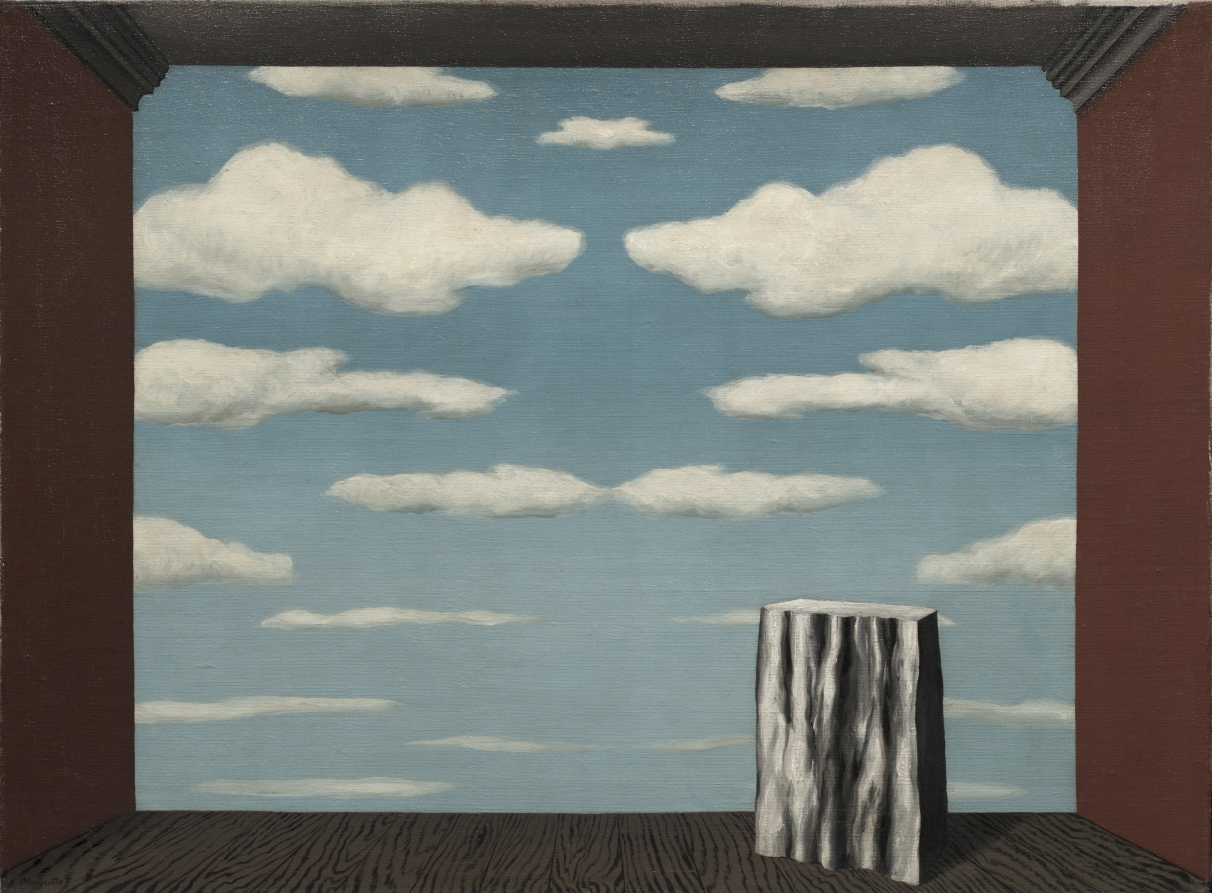
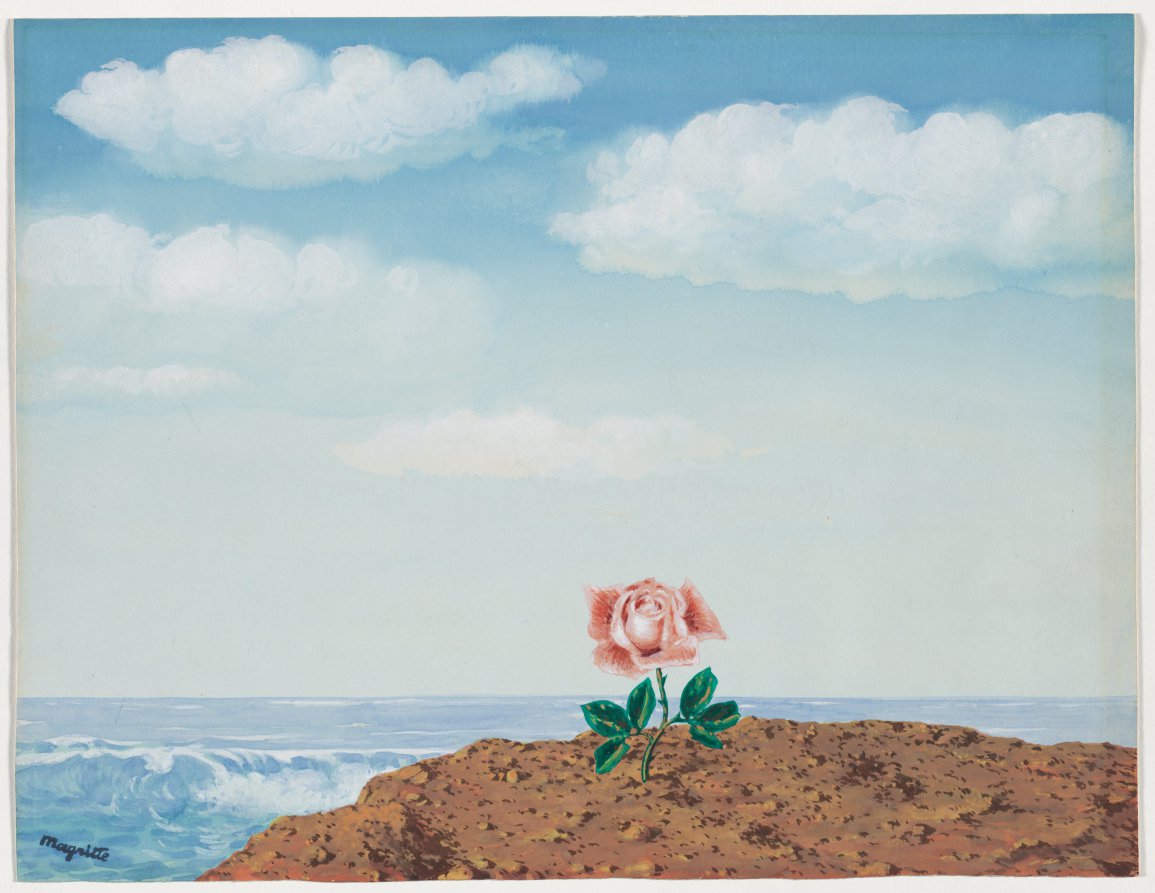
Utopia
May one see it?
Not receiving at present

The Cleveland Museum of Art
Cleveland, United States
It belongs to the collection, but is not on display at present.
- Checked
- 3 days ago
- In this state since
- Aug 19, 2026
- Source
- The museum's own collection data
Particulars
- Accession number
- 1992.275
In the catalog
Sources
- The Cleveland Museum of Art: the museum's own open data · fetched 3 days ago
- Image: The Cleveland Museum of Art — © C. Herscovici / Artists Rights Society (ARS), New York
Meanwhile, in the life of René Magritte
The whole life1930–1954 · Residence
René Magritte House
1943–1947
The “Renoir period”: about seventy paintings
Under the occupation Magritte changed his palette and manner, moving towards the Impressionists and above all Renoir: he thought it important to lift people’s spirits and give them hope. Until spring 1947 he painted about seventy such pictures, among them “The Harvest” (1943); Breton and some admirers, collectors among them, received the change badly.
after 1945
Real commercial success arrives
By Magritte’s own account, real commercial success came only after 1945, and from then on he did not worry about money; in an interview in 1962 he declared that he would rather stop selling and live in poverty than become a businessman.
1945
Joins the Party a third time; writes an “Explanation”
In 1945 — according to Georgette, out of gratitude to the Russians — he joined the Communist Party again and the same year wrote a confidential “Explanation” to communist intellectuals. He feared that art would be reduced to propaganda for Marxism through easily understood styles and subjects, and equated such an approach with the methods of Nazi propaganda.
1946
The manifesto “Surrealism in Full Sunlight”
Renouncing the violence and pessimism of his earlier work, he signed, with several other Belgian artists, the manifesto “Surrealism in Full Sunlight”.
1947–1948
The “Vache period”: a crude Fauvist manner
In 1947–48, in his so-called “Vache period”, he painted in a provocative and crude Fauve style.