 Edgar DegasFrancia, 1834–1917
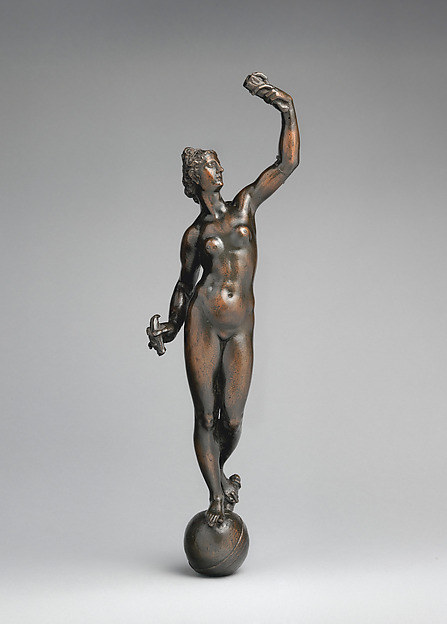
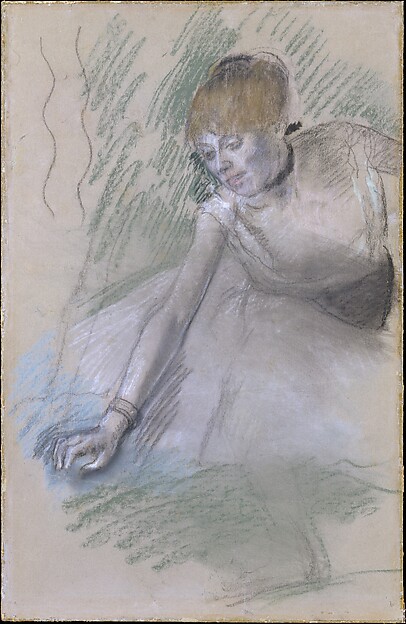
Dancer
¿Se puede contemplar?
Sí, recibe visitas

Museo Metropolitano de Arte
Sala816Nueva York, Estados Unidos
Expuesta al público. Quién lo avala figura más abajo.
- Comprobado
- hace 3 horas
- En este estado desde
- 26 sept 2026
- Fuente
- Los datos de colección del propio museo
Ficha
- Número de inventario
- 2007.332.1
What it shows
Fuentes
- Museo Metropolitano de Arte: the museum's own open data · obtenido hace 4 días
- Imagen: Museo Metropolitano de Arte — Open Access (CC0)
Mientras tanto, en la vida de Edgar Degas
La vida entera1870s
From “de Gas” back to plain “Degas”
The archives disproved the legend of an ancient noble line: the artist's paternal ancestors were bakers, and the name “de Gas” was invented by his father, who commissioned a false genealogy. In the 1870s Edgar returned to the plain spelling, Degas.
second half of the 1870s
Pastel becomes his main medium
Degas increasingly chose pastel, often combining it with monotype, lithography, etching or gouache. To keep the colour from darkening under ordinary fixatives he devised his own method of fixing and applied pastel in layers.
autumn 1879 – April 1880
The prints journal: Degas abruptly withdraws
In the autumn and winter of 1879–1880 Degas and Cassatt worked closely together on a prints journal; he owned a small printing press. In April 1880 Degas abruptly withdrew, and without his support the project folded.
by 1880
The end of his financial crisis
By 1880 Degas had fully overcome his financial crisis and become a respected figure in the Paris art world; the Impressionist exhibitions, which proved commercially useful to him, helped.
1881
“The Little Dancer of Fourteen Years” on show
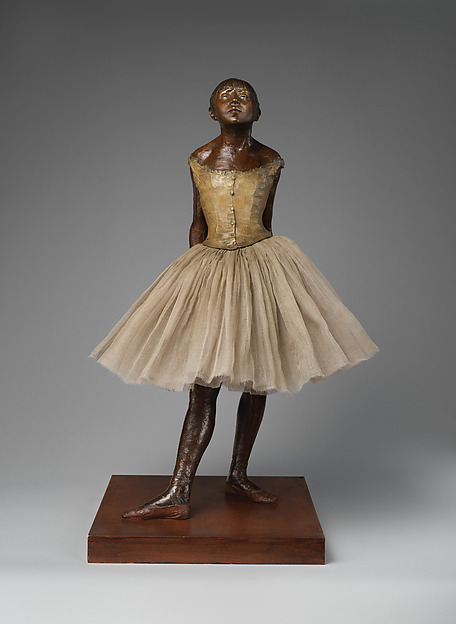
The nearly life-size wax figure with real hair and a cloth tutu, modelled on Marie van Goethem, provoked a strong reaction: critics found its realism extraordinary, but many denounced the dancer as ugly. It was the only sculpture Degas showed in his lifetime.
by 1882
His eyesight sharply worsens
By 1882 Degas's eyesight began to worsen sharply: he turned to pastel and then to sculpture, where he could rely more on touch.