 William ChambersEscocia, 1723–1796
Drawing
¿Se puede contemplar?
Por ahora no recibe

Museo de Victoria y Alberto
Londres, Reino Unido
Pertenece a la colección, pero ahora mismo no está expuesta.
- Comprobado
- hace 7 días
- En este estado desde
- 25 sept 2026
- Fuente
- Los datos de colección del propio museo
Sobre la obra
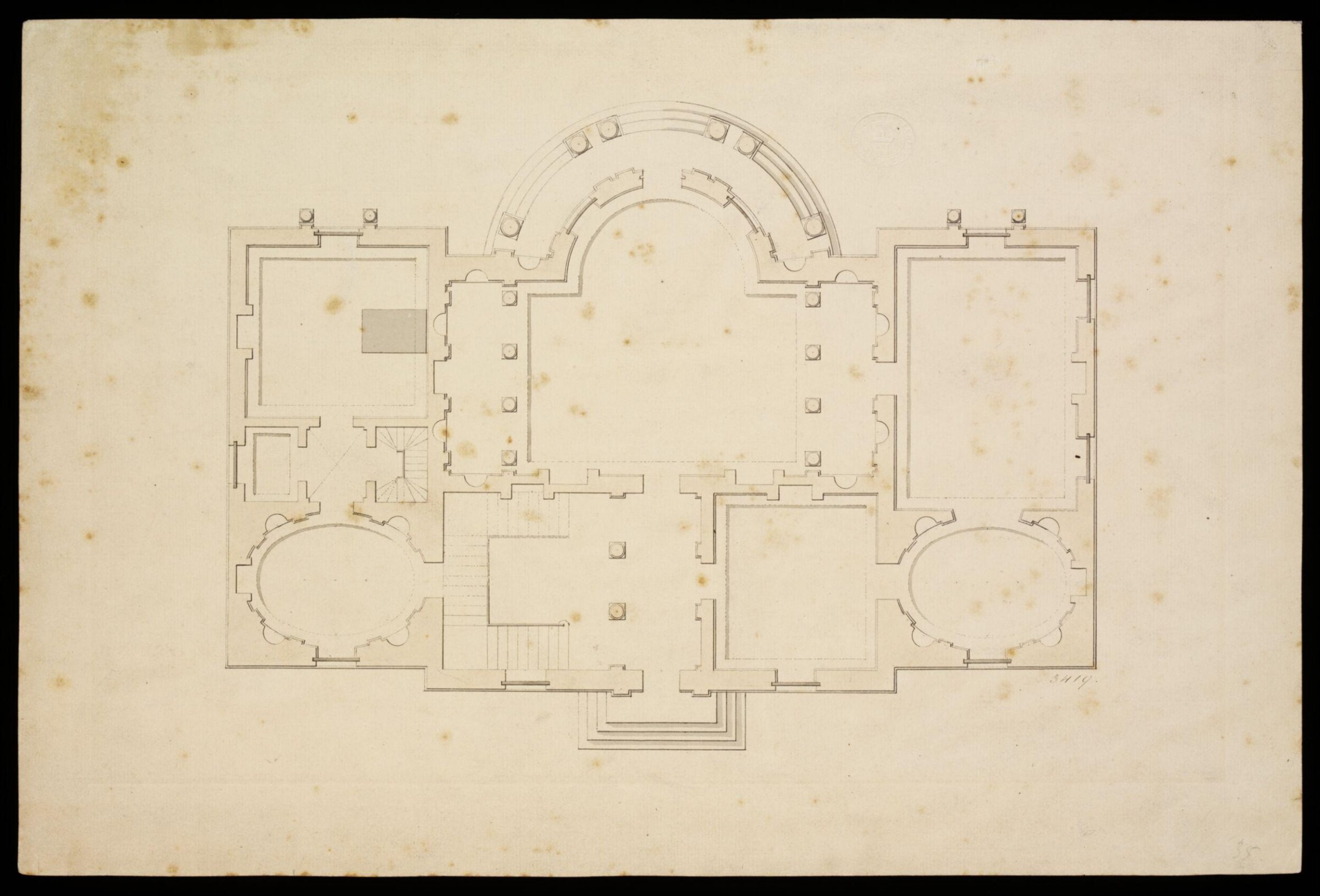
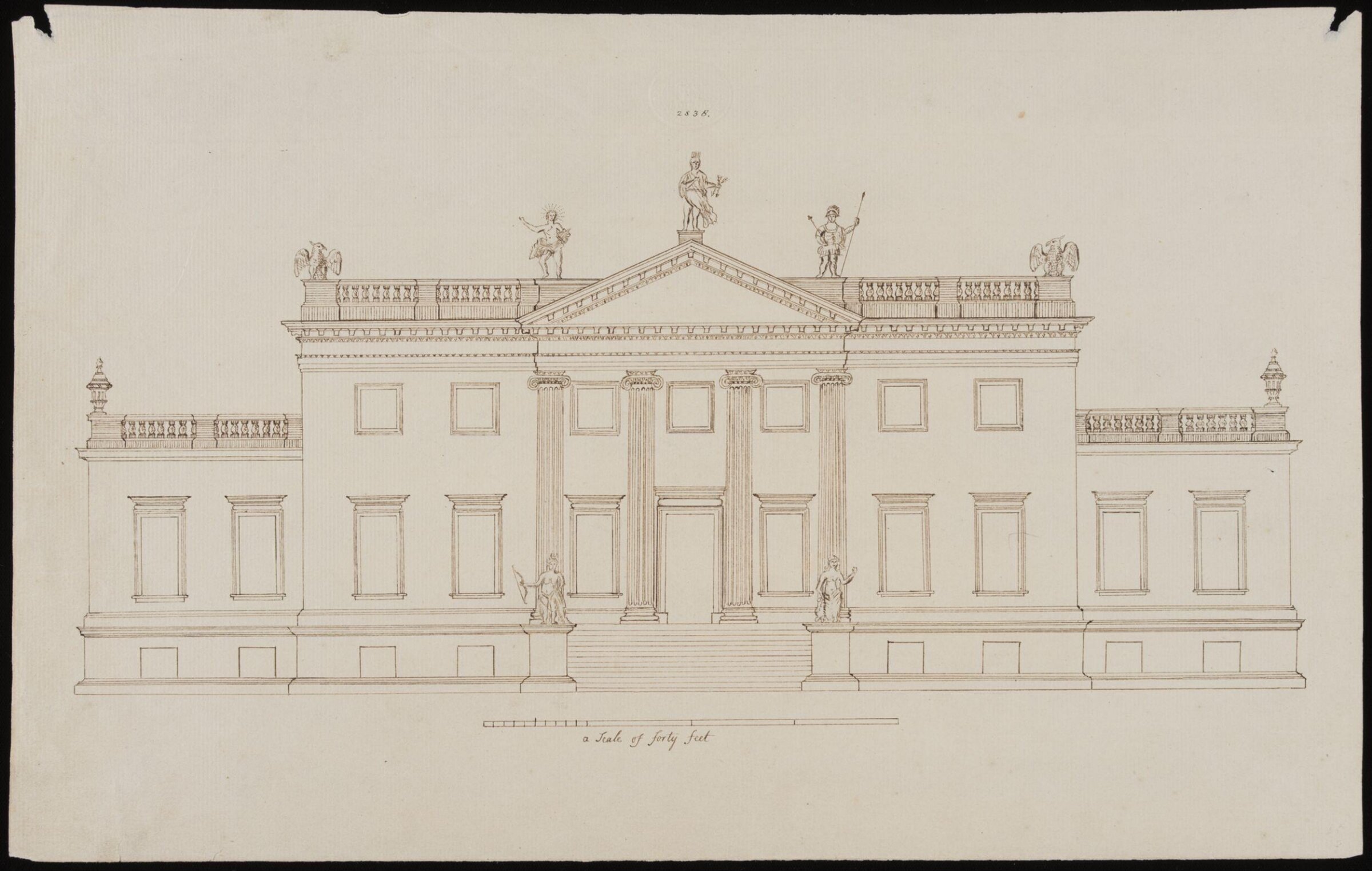
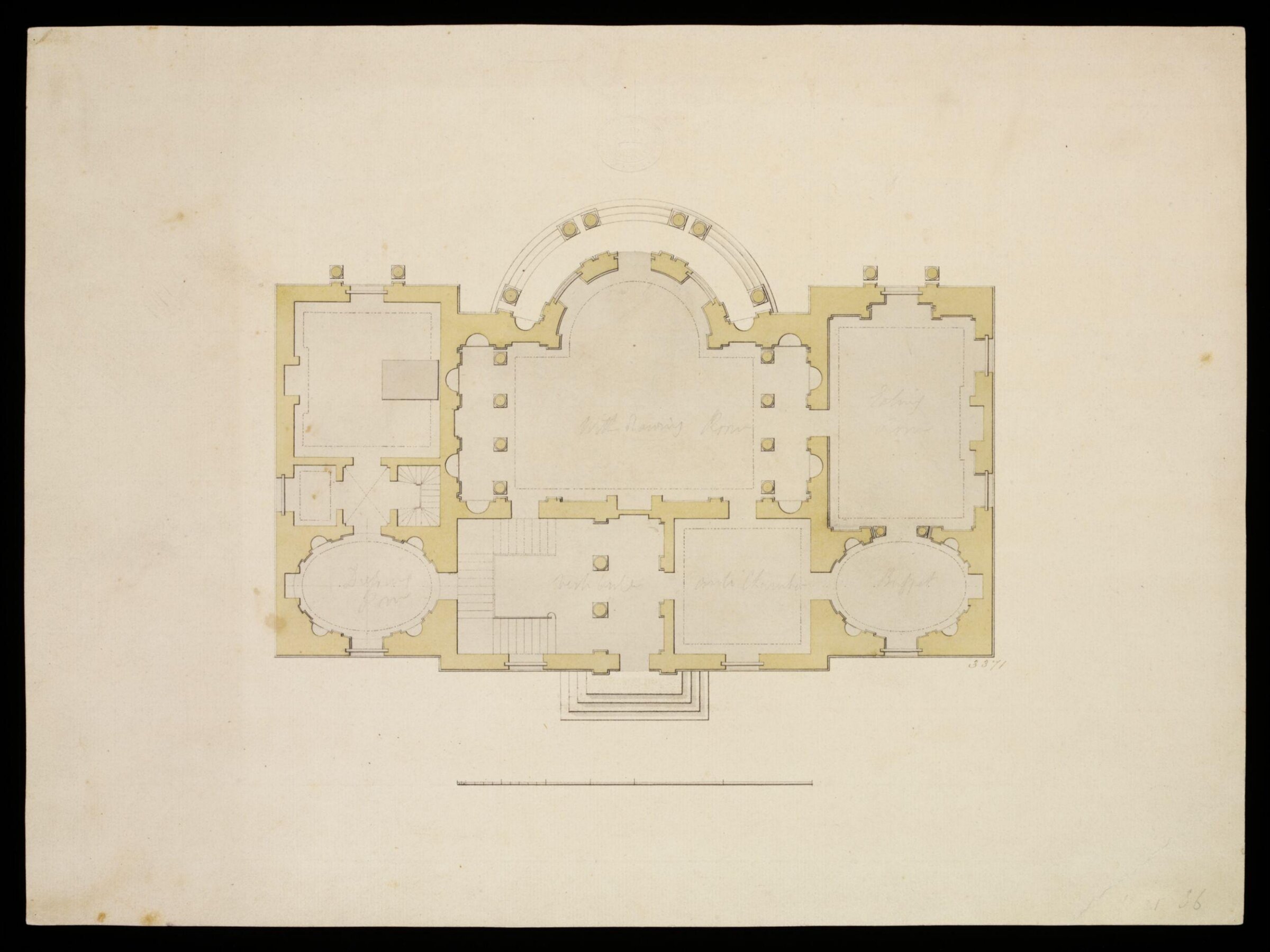
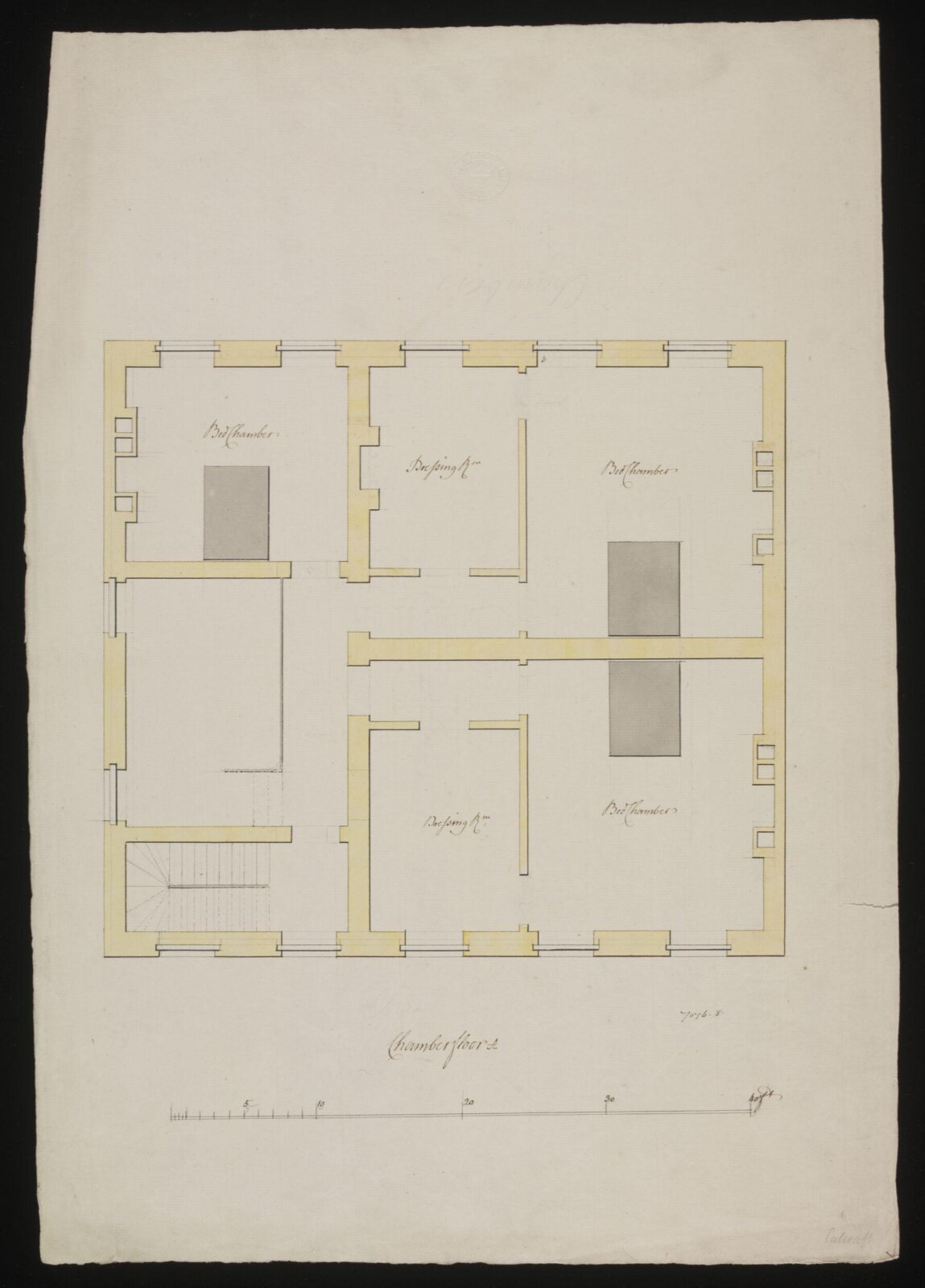
The site of the house, probably faced Hyde Park on the site of Rutland Gate. It was not a large house, suitable for a bachelor. Chambers prepared many designs for houses of varying sizes for Calcraft, who quibbled about paying Chambers and William Collins for their work. Once a design had been chosen, the house was built very rapidly but Calcraft died before the completion, leaving the tradesmen largely unpaid.
The house was built 1770-1772 and was probably demolished in 1838 when Rutland Gate was laid out. Given that we know Chambers prepared numerous schemes for the house, and that there is a lack of information about the completed house, there can be no certainty as to whether the house was built to these plans.
Read on
Chambers was born in Sweden and died in London. He travelled widely, visiting China, and studied architecture at the Ecole des Arts, Paris, from 1749 and in Italy from 1750 to 1755. Many of his drawings from this period are contained in his important 'Franco-Italian' album, held in the V&A. Chambers moved to London in 1755 and published his influential Treatise on Civil Architecture in 1759. Chambers demonstrated the breadth of his style in buildings such as Gower (later Carrington) House and Melbourne House, London, in such country houses as Duddingston, Scotland, and in the garden architecture he designed for Wilton House, Wiltshire, and at Kew Gardens. He became head of government building in 1782, and in this capacity built Somerset House, London.
Museo de Victoria y Alberto
Ficha
- Número de inventario
- 7076:8
What it shows
En el catálogo
Fuentes
- Museo de Victoria y Alberto: the museum's own open data · obtenido hace 7 días
- Imagen: Museo de Victoria y Alberto — © Victoria and Albert Museum, London