Gustav KlimtAustria, 1862–1918
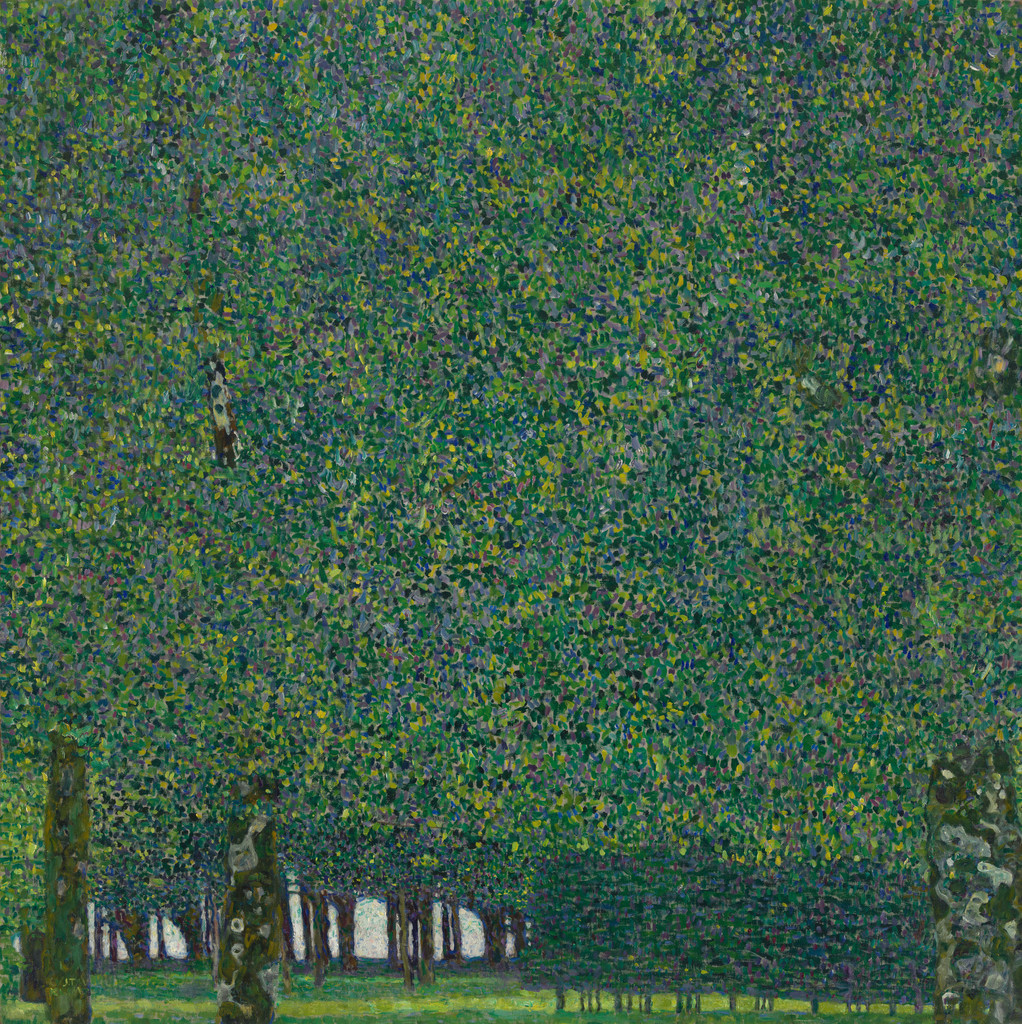
Pear Tree
¿Se puede contemplar?
Sí, recibe visitas

Harvard Art Museums
Sala1440, floor 1, Modern and Contemporary ArtCambridge, Estados Unidos
Expuesta al público. Quién lo avala figura más abajo.
- Comprobado
- hace 3 días
- En este estado desde
- 27 sept 2026
- Fuente
- Los datos de colección del propio museo
Ficha
- Número de inventario
- BR66.4
En el catálogo
Fuentes
- Harvard Art Museums: the museum's own open data · obtenido hace 3 días
- Imagen: Harvard Art Museums — © President and Fellows of Harvard College
Mientras tanto, en la vida de Gustav Klimt
La vida entera1900–1907
He returns the advance and keeps the paintings
The state commission refused to accept the three “Faculty Paintings”; Klimt told the minister he would return the 60,000-krone advance, refused to work for the Austrian state again and kept the pictures. The ministry demanded them, but Klimt did not open the door to the removal men — and the affair ended in his victory.
1901
“Medicine”: accused of a “triumph of death”
The Secession's tenth exhibition showed “Medicine” with the goddess Hygieia; a feuilleton in the Neue Freie Presse accused Klimt of depicting a “triumph of death” instead of medicine's victories. In an interview about these scandals he declared that what mattered to him was not how many people liked a picture but who they were.
1903
His first solo show at the Secession
The Secession's first solo exhibition was devoted to Klimt and proved exceptionally successful: the artist earned 36,000 kronen.
1905
Klimt and his group leave the Secession
Klimt and his “stylist” followers, who held that art should enter every sphere of life, fell out with the “naturalists”; the decision against Klimt's group was carried by a single vote. For the next three years the group had no joint exhibitions.
1 June – 16 November 1908
The first Vienna Art Show
For the sixtieth anniversary of Franz Joseph's reign pavilions with 54 rooms were built on a temporary site and over 900 works shown. Room 22, which Peter Altenberg called “the church of modern art named after Gustav Klimt”, held “The Kiss”, “Adele Bloch-Bauer I”, “Danaë” and “The Three Ages of Woman”.
6 de febrero de 1918
Died