
 Mark RothkoEstados Unidos, 1903–1970
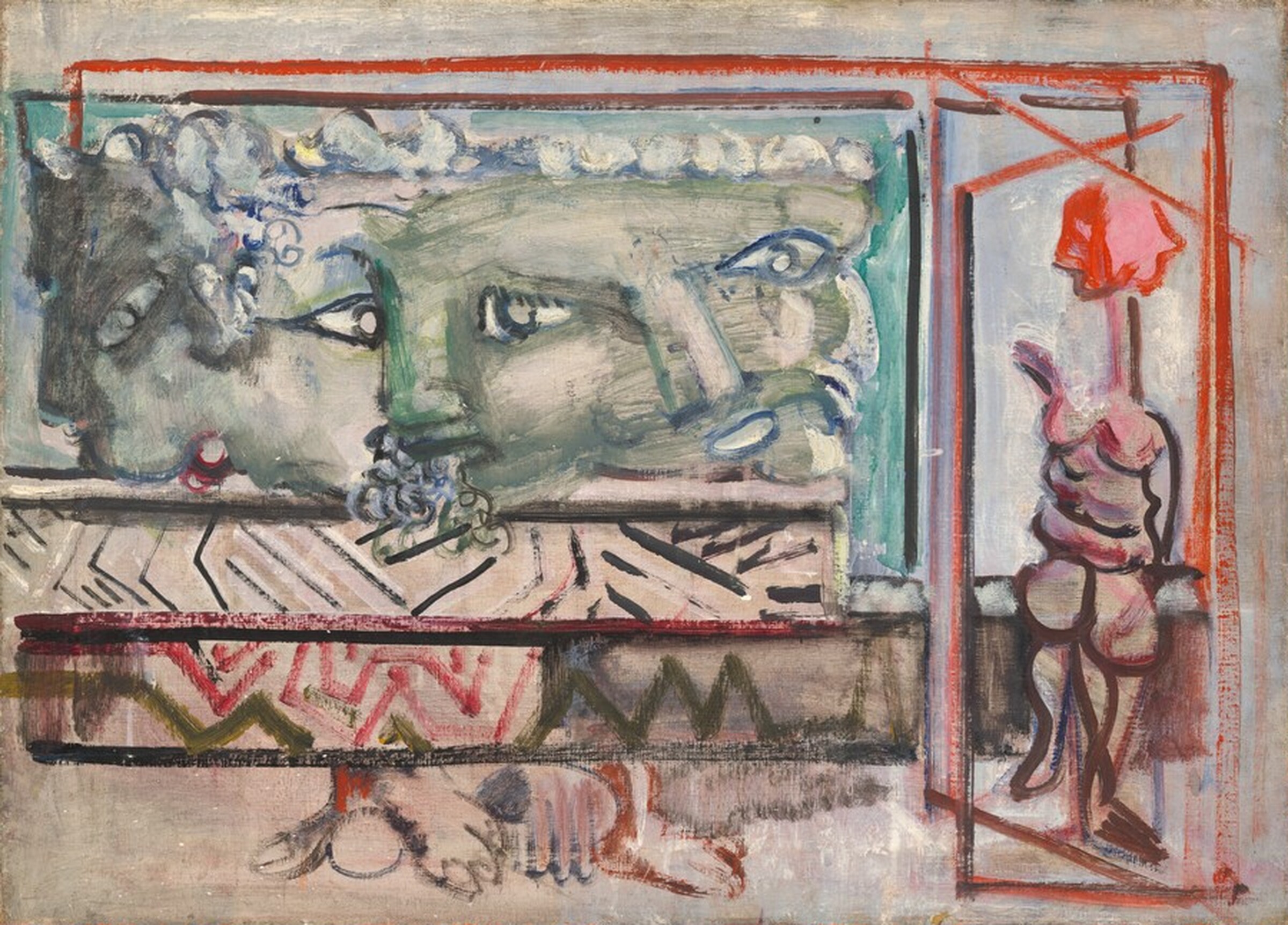
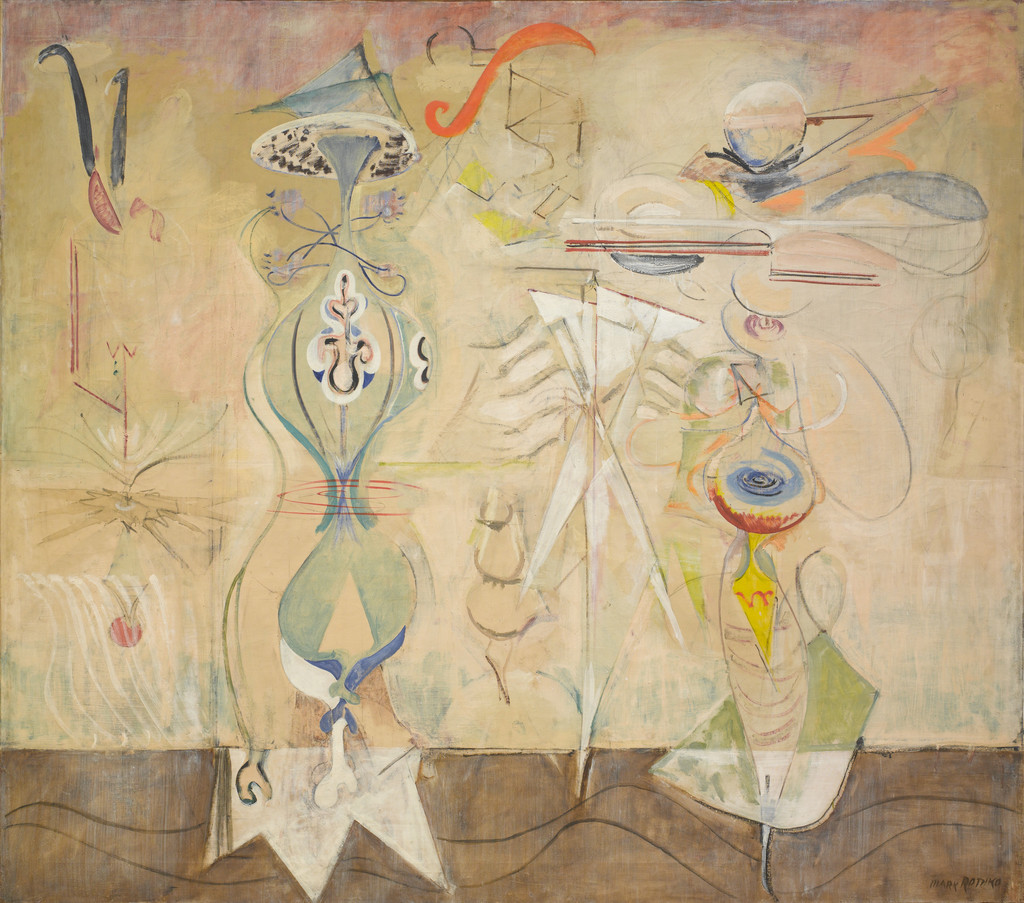
Untitled
¿Se puede contemplar?
Por ahora no recibe

Galería Nacional de Arte
Washington D. C., Estados Unidos
Pertenece a la colección, pero ahora mismo no está expuesta.
- Comprobado
- hace 3 días
- En este estado desde
- 19 ago 2026
- Fuente
- Los datos de colección del propio museo
Ficha
- Número de inventario
- 1986.43.260
What it shows
En el catálogo
Fuentes
- Galería Nacional de Arte: the museum's own open data · obtenido hace 3 días
- Imagen: Galería Nacional de Arte — © the artist or rights holder
Mientras tanto, en la vida de Mark Rothko
La vida entera1964–1970
The Rothko Chapel: six years of work
The chapel for the oil millionaires John and Dominique de Menil in Houston was originally meant to be Roman Catholic, and for the first three years, until 1967, Rothko believed it would remain so; he took a close interest in its layout and insisted on a central cupola. Because of his health he hired two assistants to apply the layers of paint; on half of the works he applied none himself, calling the completion of the paintings “torment”.
1964–1970
The last studio on East 69th Street
In 1964 Rothko moved into his last New York studio at 157 East 69th Street. To simulate the lighting he wanted for the chapel he equipped it with pulleys carrying large walls of canvas material to regulate light from a central cupola.
1967
Philip Johnson leaves the chapel project
The architect Philip Johnson, unable to compromise with Rothko’s vision of the kind of light he wanted, left the project in 1967; he was replaced by Howard Barnstone and Eugene Aubry, who flew often to New York and once brought Rothko a miniature of the building.
spring 1968
An aneurysm is discovered
In the spring of 1968 Rothko was found to have an arterial aneurysm. He kept drinking and smoking heavily and ignored his diet, but heeded the advice not to take on canvases more than a metre high and moved to more compact formats; in his declining health he also began painting most of his large works in acrylic rather than oil.
1969
Yale awards him an honorary degree
Forty-six years after leaving Yale, on the eve of his death, Rothko came back to the university to receive an honorary doctorate.
1 January 1969
Divorce from Mell and a move into the studio
His marriage to Mell Beistle, already in deep crisis, was strained further by his illness; on the first day of 1969 they divorced and Rothko moved into his studio.






![Scenes from the Passion of Christ: The Descent into Limbo [right panel], Andrea Vanni, 1380s](https://api.nga.gov/iiif/4205a539-eadd-4486-89a7-3cff9c1ba428/full/!2400,2400/0/default.jpg)


