Le CorbusierSvizzera, 1887–1965
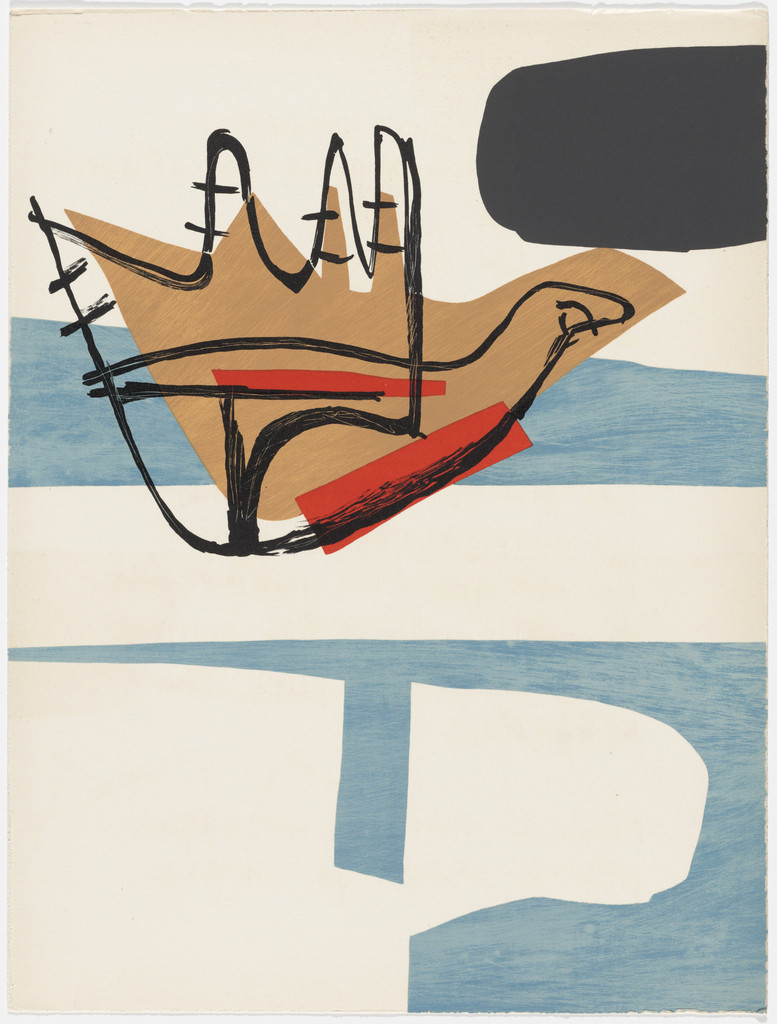
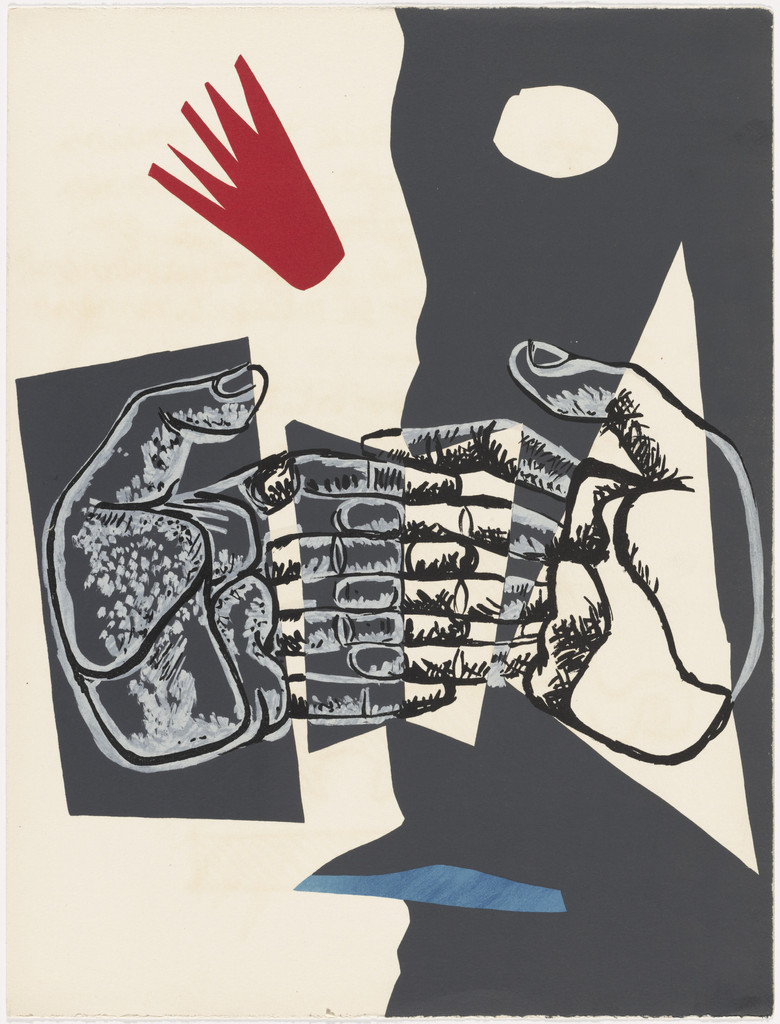
Abstract Composition
Si può ammirare?
Sì, riceve visite

Art Institute of Chicago
Sala393Chicago, Stati Uniti
Esposta al pubblico. Chi lo garantisce è indicato qui sotto.
- Verificato
- 2 ore fa
- Ultimo cambio di stato
- 19 ago 2026
- Fonte
- I dati di collezione del museo stesso
Scheda
- Numero di inventario
- 1963.865
What it shows
In catalogo
Fonti
- Art Institute of Chicago: the museum's own open data · acquisita 3 giorni fa
- Immagine: Art Institute of Chicago — © the artist or rights holder
Nel frattempo, nella vita di Le Corbusier
Tutta la vita1925
The Plan Voisin: to raze central Paris
The pavilion displayed a model of the Plan Voisin: bulldoze much of central Paris north of the Seine and replace it with cruciform towers set in parkland. French politicians and industrialists met it with criticism and scorn.
1925
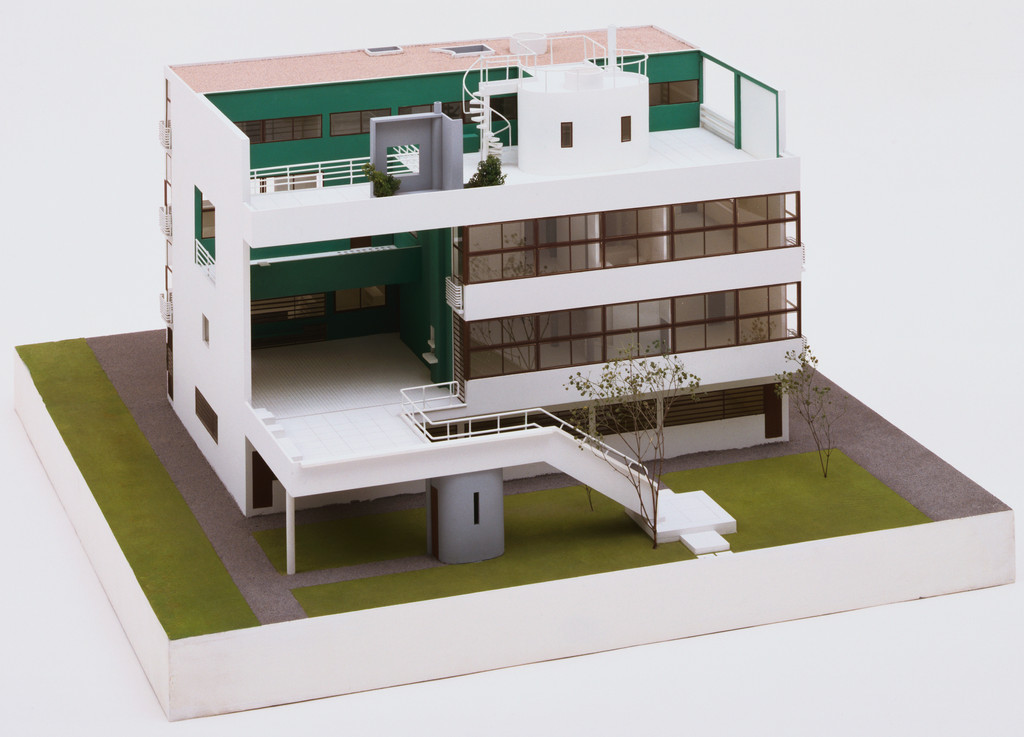
The Esprit Nouveau Pavilion at the 1925 Exposition
For the International Exhibition of Decorative Arts in Paris, Le Corbusier, with Ozenfant and Pierre Jeanneret, built a pavilion: a white “cell” of a future apartment block, with a tree growing through the roof. The furious organisers screened it with a fence, removed only on the order of the Ministry of Fine Arts, and critics ridiculed it.
1926
The Five Points of a New Architecture
Le Corbusier formulated his architect's code, the Five Points of a New Architecture, which set out the basic principles of the new style.
1926–1927
The League of Nations competition
Le Corbusier entered the competition for the League of Nations headquarters in Geneva (337 entries) with a modernist lakeside complex. It seemed the jury's first choice, but after behind-the-scenes manoeuvring the commission went to five neoclassicist architects. He answered with articles and lectures on the opportunity the League had missed.
1927
Houses for the Werkbund's Weissenhof exhibition
The German Werkbund invited Le Corbusier to build three houses in the model estate of Weissenhof near Stuttgart; of the seventeen modernists invited, he and Mies van der Rohe played the major part.
1928
Founding of CIAM at La Sarraz
Le Corbusier was one of the founders of the International Congresses of Modern Architecture (CIAM), which united architects from many countries around the renewal of architecture. The first congress met at La Sarraz in Switzerland.