
 William BlakeRegno Unito, 1757–1827
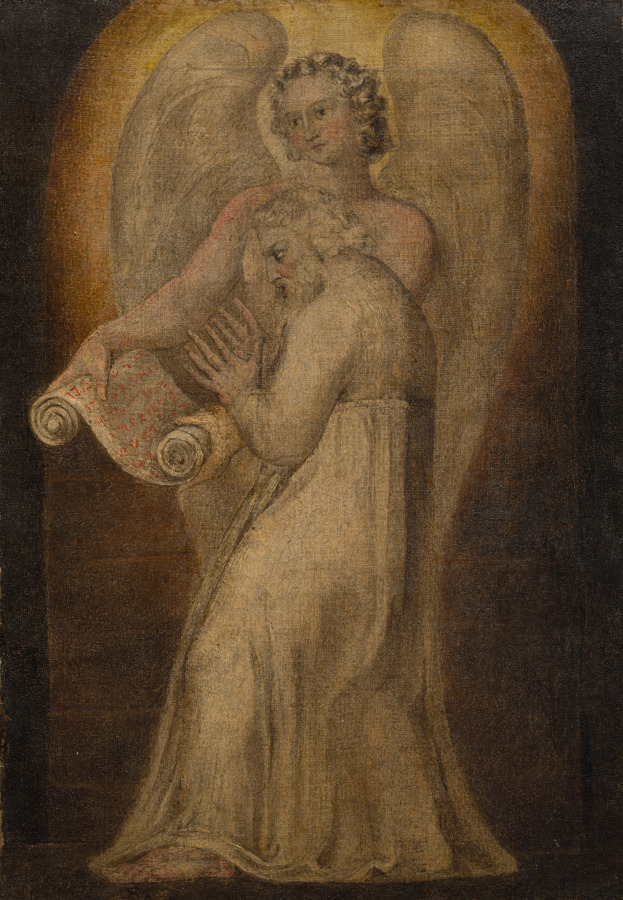
Canto I
Si può ammirare?
Al momento non riceve

National Gallery of Art
Washington, Stati Uniti
Appartiene alla collezione, ma al momento non è esposta.
- Verificato
- 3 giorni fa
- Ultimo cambio di stato
- 19 ago 2026
- Fonte
- I dati di collezione del museo stesso
Scheda
- Numero di inventario
- 1983.103.2.c
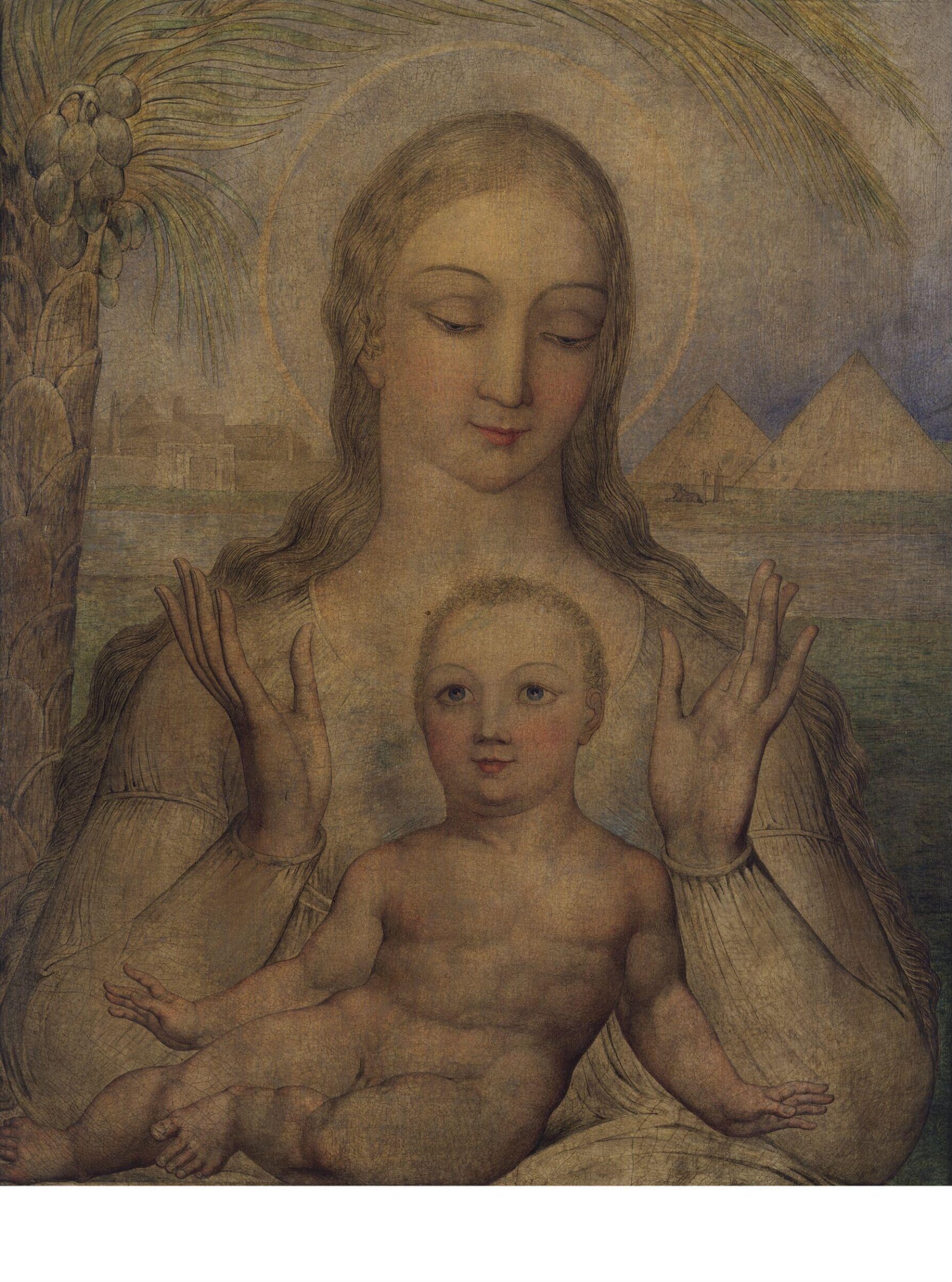
What it shows
In catalogo
Fonti
- National Gallery of Art: the museum's own open data · acquisita 3 giorni fa
- Immagine: National Gallery of Art — Museum open access
Nel frattempo, nella vita di William Blake
Tutta la vita1779–1785
Rebelling against Reynolds at the Academy
At the Royal Academy Blake rebelled against what he regarded as the unfinished style of fashionable painters such as Rubens, championed by the first president, Joshua Reynolds, and over time came to detest Reynolds' pursuit of “general truth” and “general beauty”. Against Reynolds' fashionable oil painting he preferred the classical precision of Michelangelo and Raphael.
1780–1808
Exhibits six times at the Royal Academy
Despite his antagonism towards Reynolds, Blake submitted works to the Royal Academy on six occasions between 1780 and 1808.
1784–1785 · Residenza
Broadwick Street
1785–1791 · Residenza
Poland Street
1788
Invents relief etching
In 1788, aged 31, Blake invented relief etching, or “illuminated printing”: text and designs are drawn on a copper plate in acid-resistant ink and etched so that the protected areas stand in relief, and the printed pages are coloured by hand in watercolours. He used it for most of his well-known works, including “Songs of Innocence and of Experience”, “The Book of Thel”, “The Marriage of Heaven and Hell” and “Jerusalem”.



![Scenes from the Passion of Christ: The Descent into Limbo [right panel], Andrea Vanni, 1380s](https://api.nga.gov/iiif/4205a539-eadd-4486-89a7-3cff9c1ba428/full/!2400,2400/0/default.jpg)


