 Piet MondrianPaesi Bassi, 1872–1944
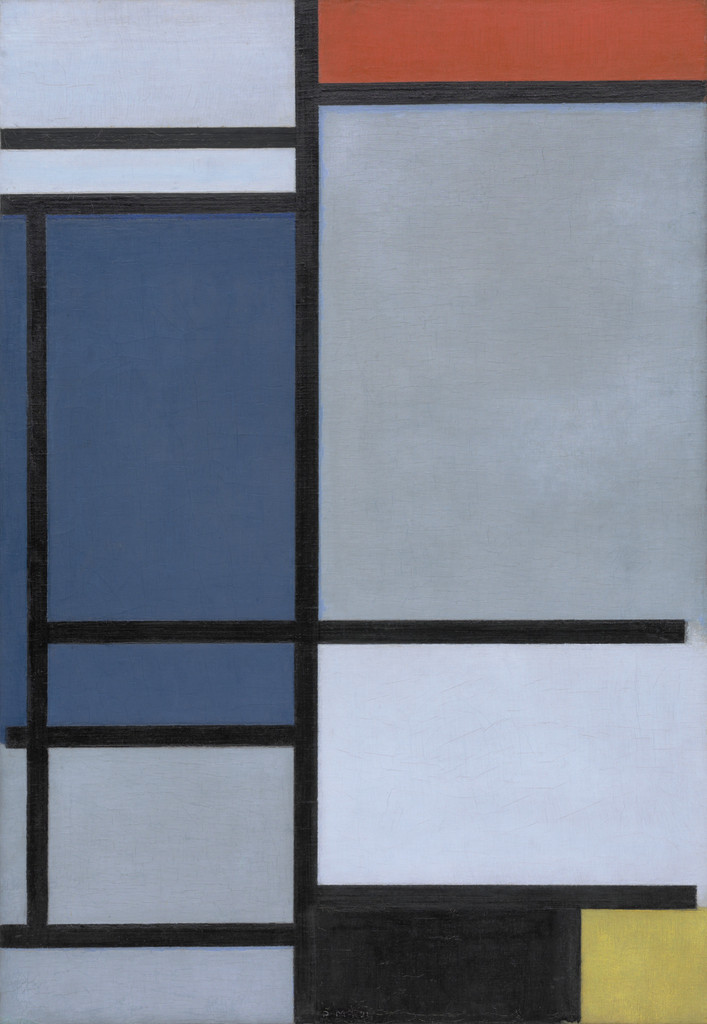
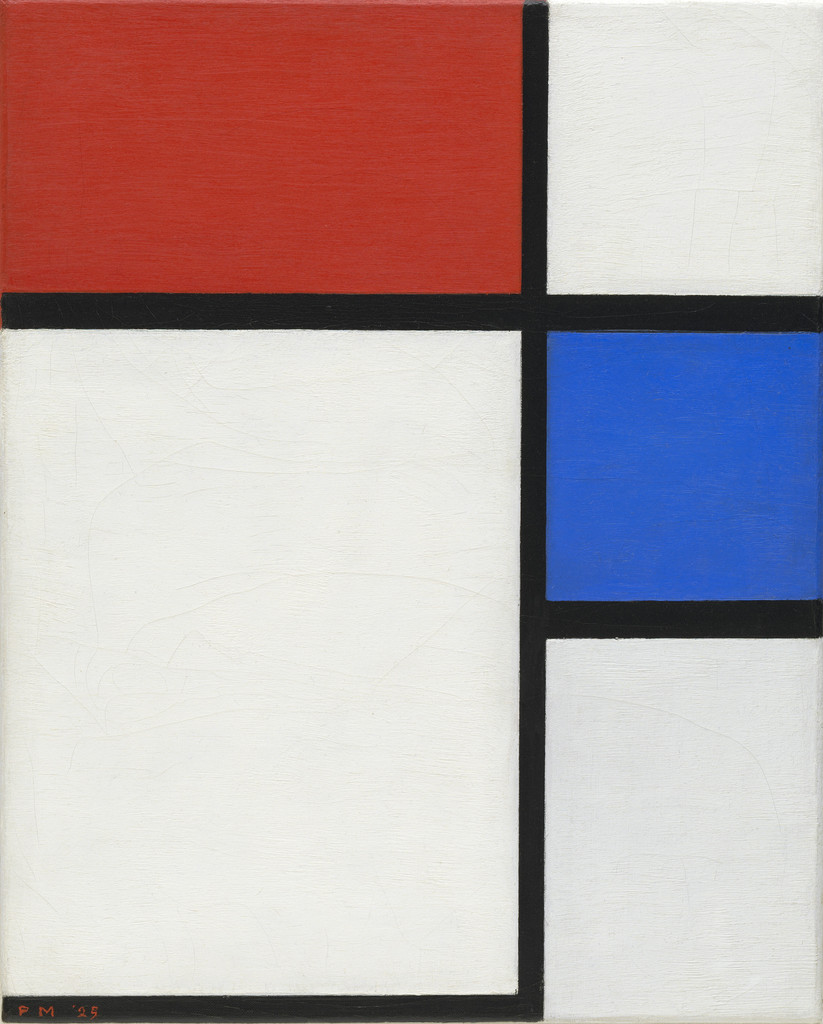
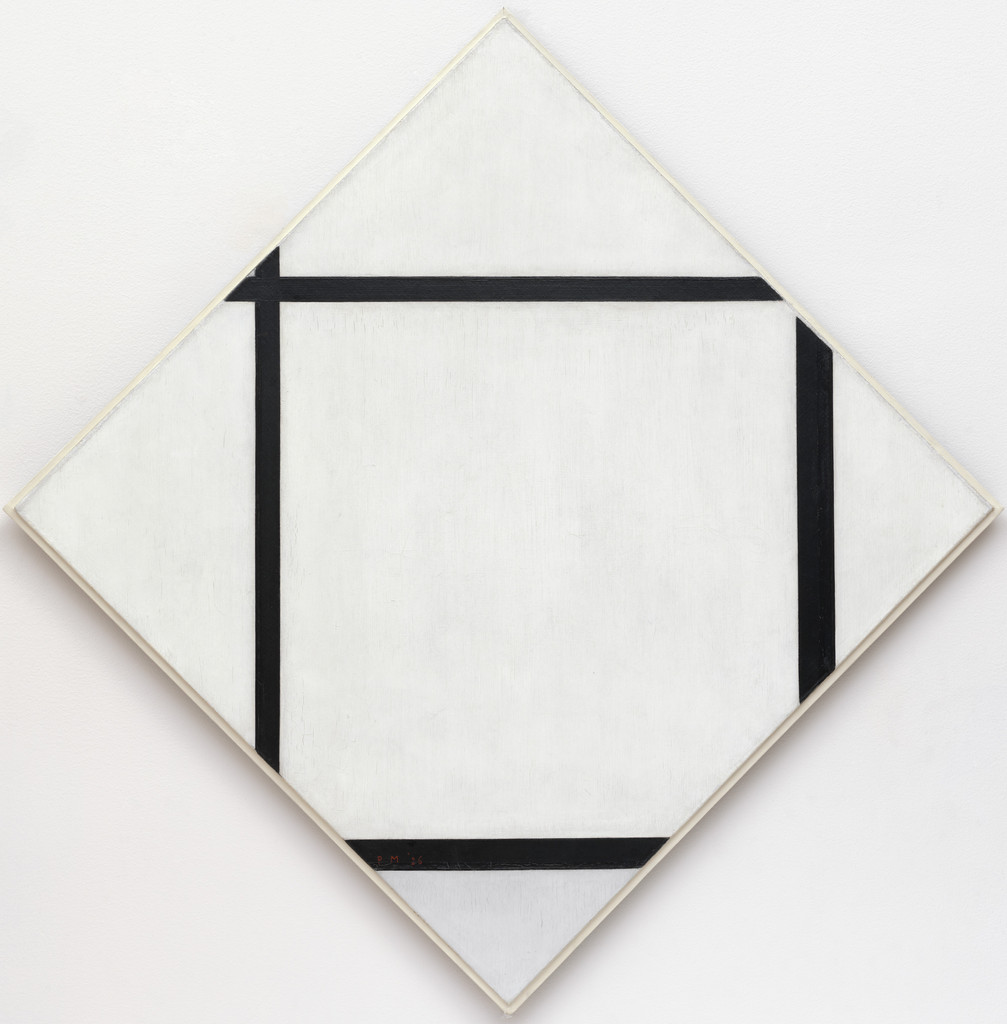
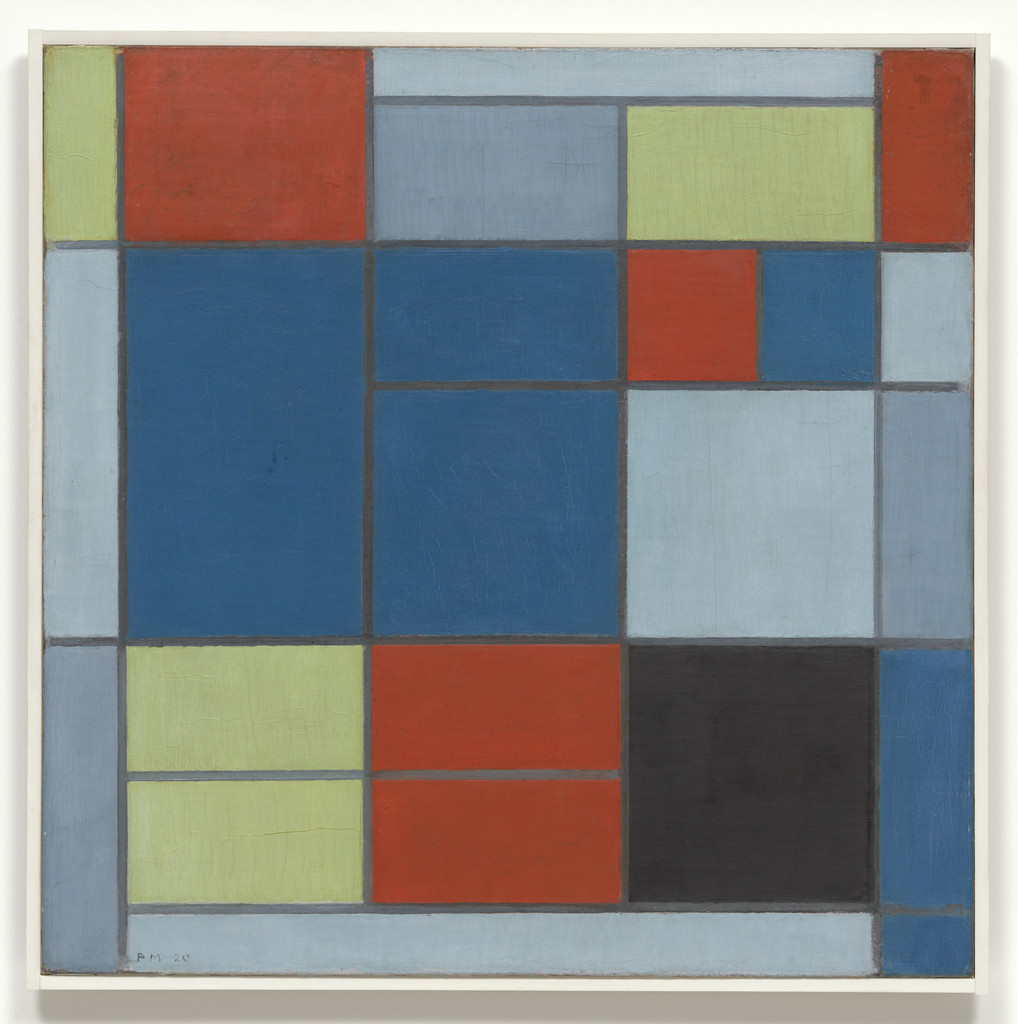
Composition C
Si può ammirare?
Sì, riceve visite

Museum of Modern Art
SalaMoMA, Floor 5, 513New York, Stati Uniti
Esposta al pubblico. Chi lo garantisce è indicato qui sotto.
- Verificato
- 11 giorni fa
- Fonte
- I dati di collezione del museo stesso
Scheda
- Numero di inventario
- 257.1948
Fonti
- Museum of Modern Art: the museum's own open data · acquisita 11 giorni fa
- Immagine: Museum of Modern Art — © the artist or rights holder
Nel frattempo, nella vita di Piet Mondrian
Tutta la vita1914–1918
The artists' colony at Laren
During the war Mondrian stayed at the Laren artists' colony, where he met Bart van der Leck and Theo van Doesburg, both of whom were pursuing their own journeys toward abstraction.
1915–1918
Founding De Stijl with Van Doesburg
With Theo van Doesburg Mondrian founded De Stijl, the journal of the De Stijl group, in which he first published essays defining his theory, which he called Neoplasticism.
1917–1918
The essays “De Nieuwe Beelding in de schilderkunst”
In twelve instalments during 1917 and 1918 Mondrian published “The New Visualisation in Painting”, his first major attempt to set out his artistic theory in writing.
1919–1920
The first grid paintings
From late 1919 Mondrian produced grid-based paintings, and in 1920 the style for which he became renowned began to appear: at first thin grey lines fading towards the edges of the canvas, with the forms filled with primary colours.
1919–1938
Return to Paris
In 1919 Mondrian left the Netherlands for Paris for the second and last time and at once turned to his studio: to hide its flaws he tacked large single-colour placards to the walls, accented by compositions of smaller coloured paper rectangles. From then on, periods of painting alternated with experiments in regrouping the papers on the walls.
1920–1921
The mature manner: thick black lines
In late 1920 and 1921 Mondrian's paintings reached what casual observers take for their definitive form: thick black lines separating larger and fewer forms, more and more of which are left white.