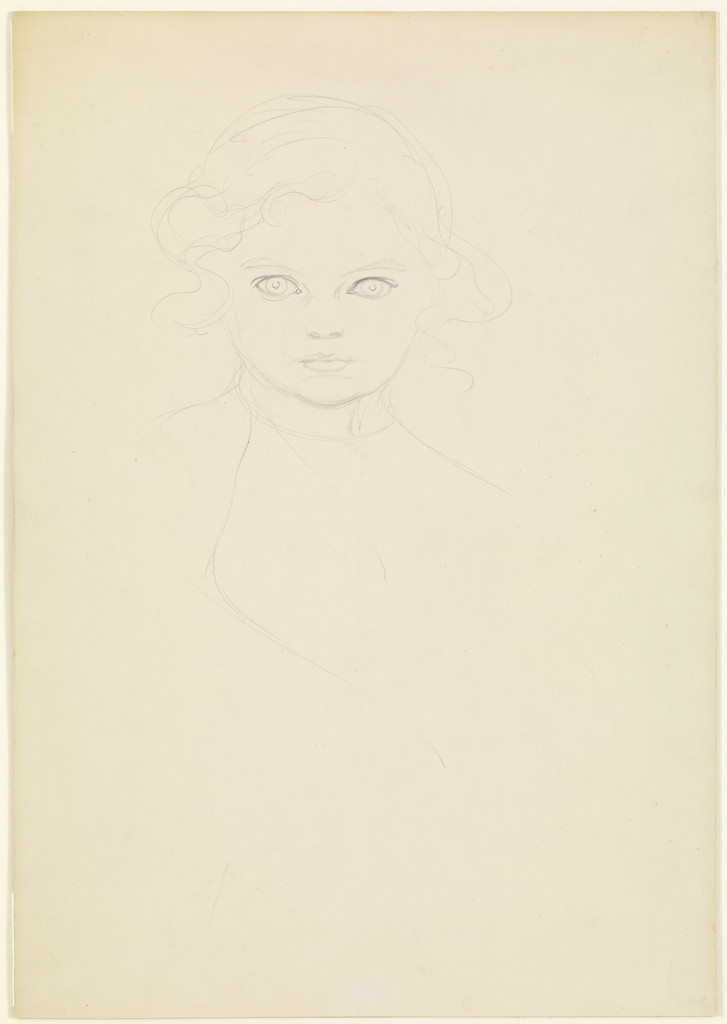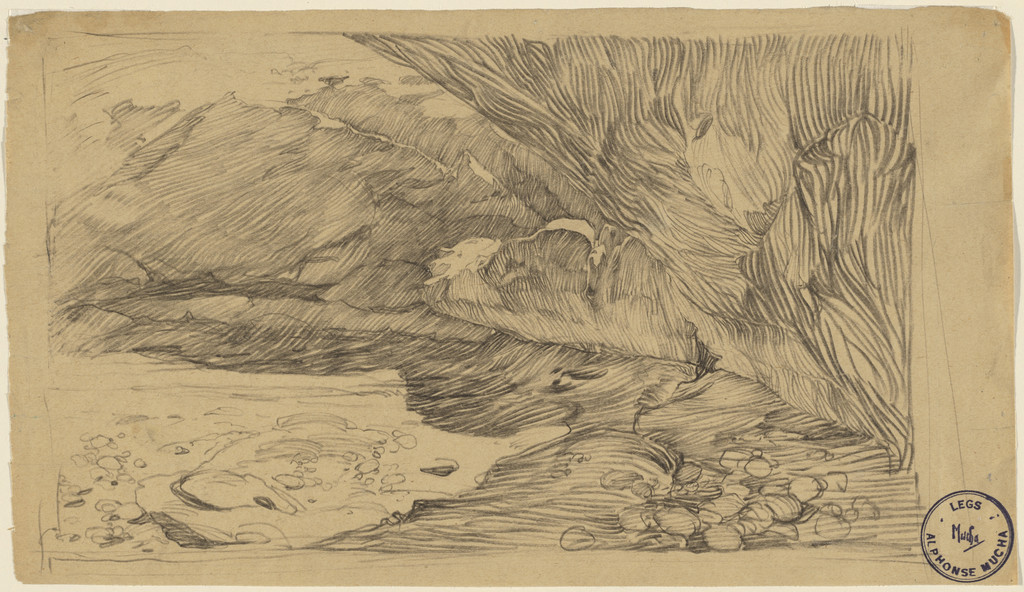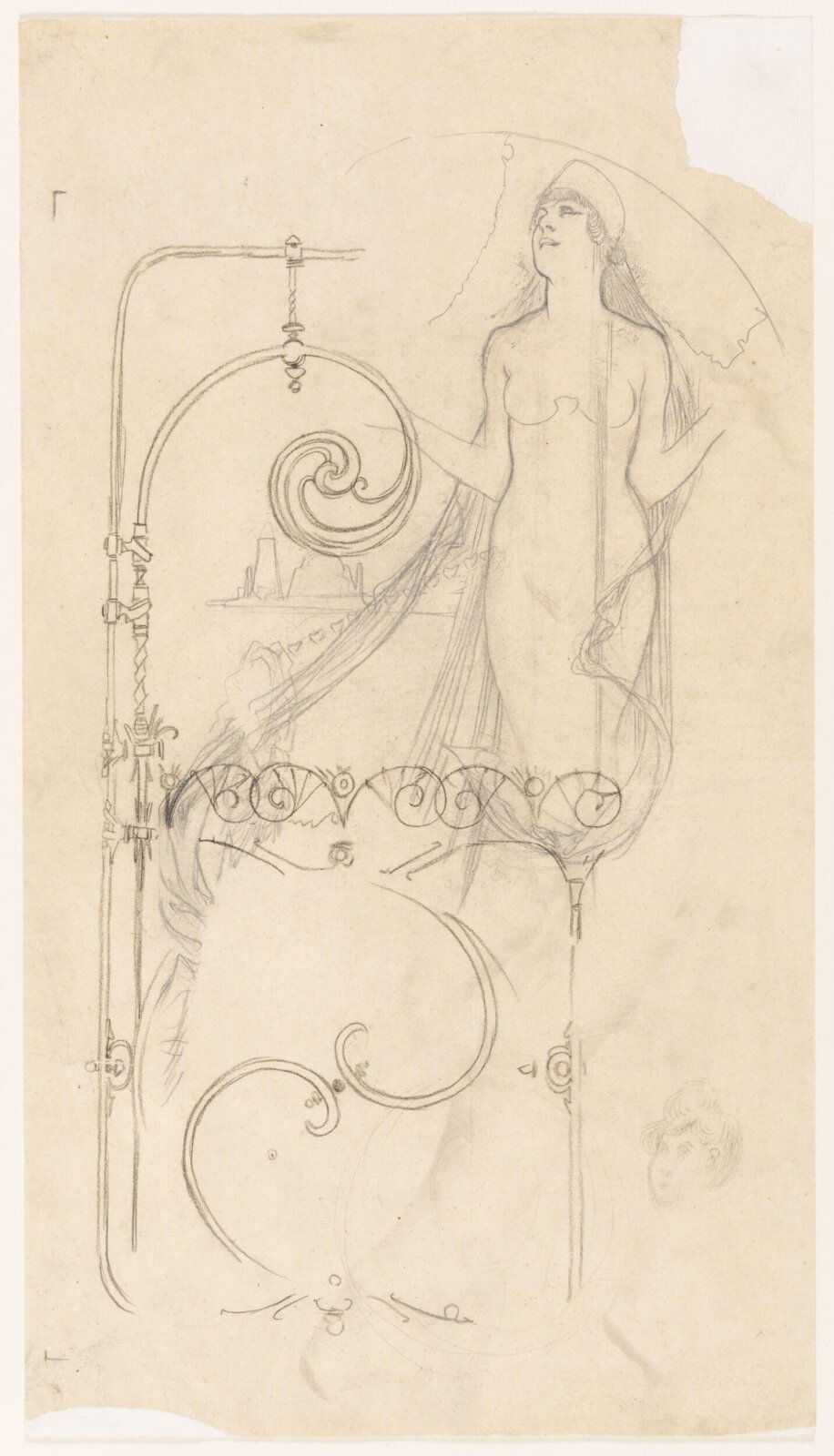
 Alphonse MuchaRepubblica Ceca, 1860–1939
Drawing
Si può ammirare?
Al momento non riceve

Victoria and Albert Museum
Londra, Regno Unito
Appartiene alla collezione, ma al momento non è esposta.
- Verificato
- 7 giorni fa
- Ultimo cambio di stato
- 25 set 2026
- Fonte
- I dati di collezione del museo stesso
Scheda
- Numero di inventario
- E.126-1964
What it shows
Fonti
- Victoria and Albert Museum: the museum's own open data · acquisita 7 giorni fa
- Immagine: Victoria and Albert Museum — © Victoria and Albert Museum, London
Nel frattempo, nella vita di Alphonse Mucha
Tutta la vita1 January 1895
The “Gismonda” poster appears on the streets of Paris
The poster, a little over two metres high, with Bernhardt as a Byzantine noblewoman under a rainbow-shaped arch almost like a halo, appeared on the streets of Paris on 1 January 1895 and caused an immediate sensation; Bernhardt ordered four thousand copies in 1895 and 1896 and gave Mucha a six-year contract.
after 1 January 1895
A contract with the printer Champenois and a new studio
Bernhardt switched to a different printer, F. Champenois, who, like Mucha, was put under a six-year contract to work for her and gave Mucha a generous monthly salary in exchange for the rights to publish all his works. With the extra income Mucha moved to a three-bedroom apartment with a large studio in a historic house at 6 Rue du Val-de-Grâce.
1897
Retrospective at the Salon des Cent: 448 works
Léon Deschamps, the editor of La Plume, invited him to show at the Salon des Cent in 1896, and in 1897 the same gallery gave him a major retrospective of 448 works; the magazine La Plume devoted a special issue to him, and the exhibition travelled to Vienna, Prague, Munich, Brussels, London and New York, giving him an international reputation.
January 1898
Joins a lodge of the Grand Orient de France
In January 1898 Mucha joined the Paris masonic lodge of the Grand Orient de France; a devoted Catholic, he was also interested in mysticism.
20 December 1899
“Le Pater” is published
Wishing to be recognised as a serious artist and philosopher, he gave a pictorial expression to every line of the Lord’s Prayer in a book published by Henri Piazza in an edition of only 510 copies; he considered it his printed masterpiece and said he had put his soul into it. The original watercolours were shown in the Austrian pavilion at the 1900 Exposition Universelle.
c. 1899 – 1900
A trip to the Balkans for sketches
As soon as the project was accepted, Mucha left for the Balkans to sketch costumes, ceremonies and architecture, which he put into his work for the pavilion.