
 Andy WarholStati Uniti, 1928–1987
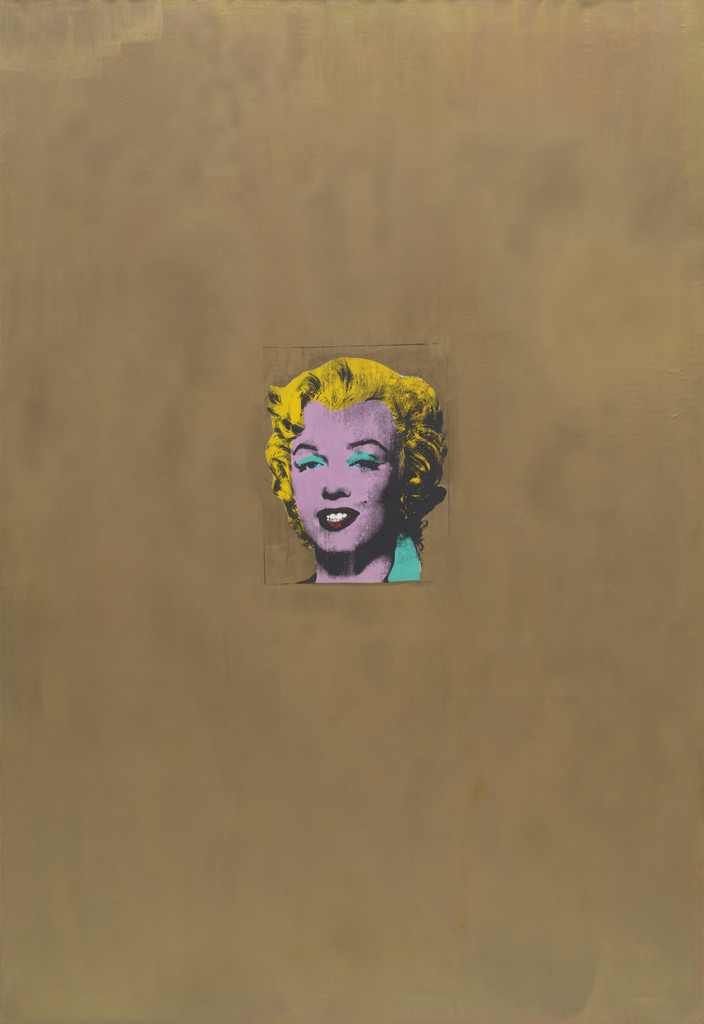
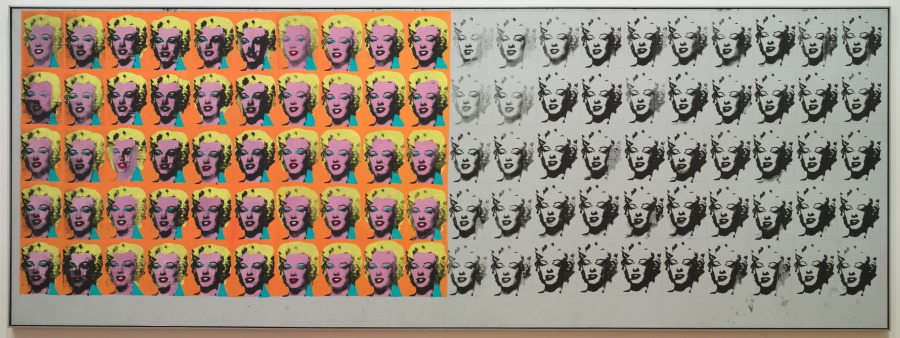
Green Marilyn
Si può ammirare?
Al momento non riceve

National Gallery of Art
Washington, Stati Uniti
Appartiene alla collezione, ma al momento non è esposta.
- Verificato
- 3 giorni fa
- Ultimo cambio di stato
- 19 ago 2026
- Fonte
- I dati di collezione del museo stesso
Scheda
- Numero di inventario
- 1990.139.1
What it shows
In catalogo
Fonti
- National Gallery of Art: the museum's own open data · acquisita 3 giorni fa
- Immagine: National Gallery of Art — © the artist or rights holder
Nel frattempo, nella vita di Andy Warhol
Tutta la vitaDecember 1961
The decision to paint money
After seeing Claes Oldenburg's installation The Store in December 1961, Warhol went home frustrated, feeling his comic-strip paintings were no longer original enough. He accepted Muriel Flatow's tongue-in-cheek advice, given for $50, to paint what he liked most — money — and began painting dollar bills.
1961–1962
Mastering silkscreen
Seeking technical advice, Warhol turned to Floriano Vecchi of Tiber Press, who showed him the basics of silkscreen printing: transferring designs to acetate, preparing screens and pulling ink with a squeegee. The experiments became a turning point and soon led to some of his earliest silkscreen works.
1961–1962
Paints “Campbell's Soup Cans”
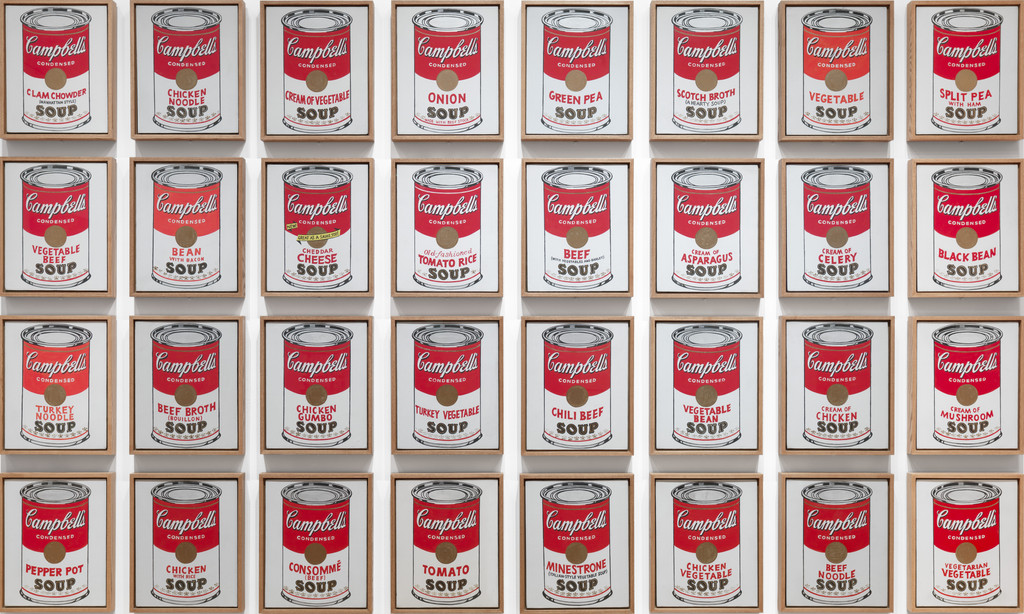
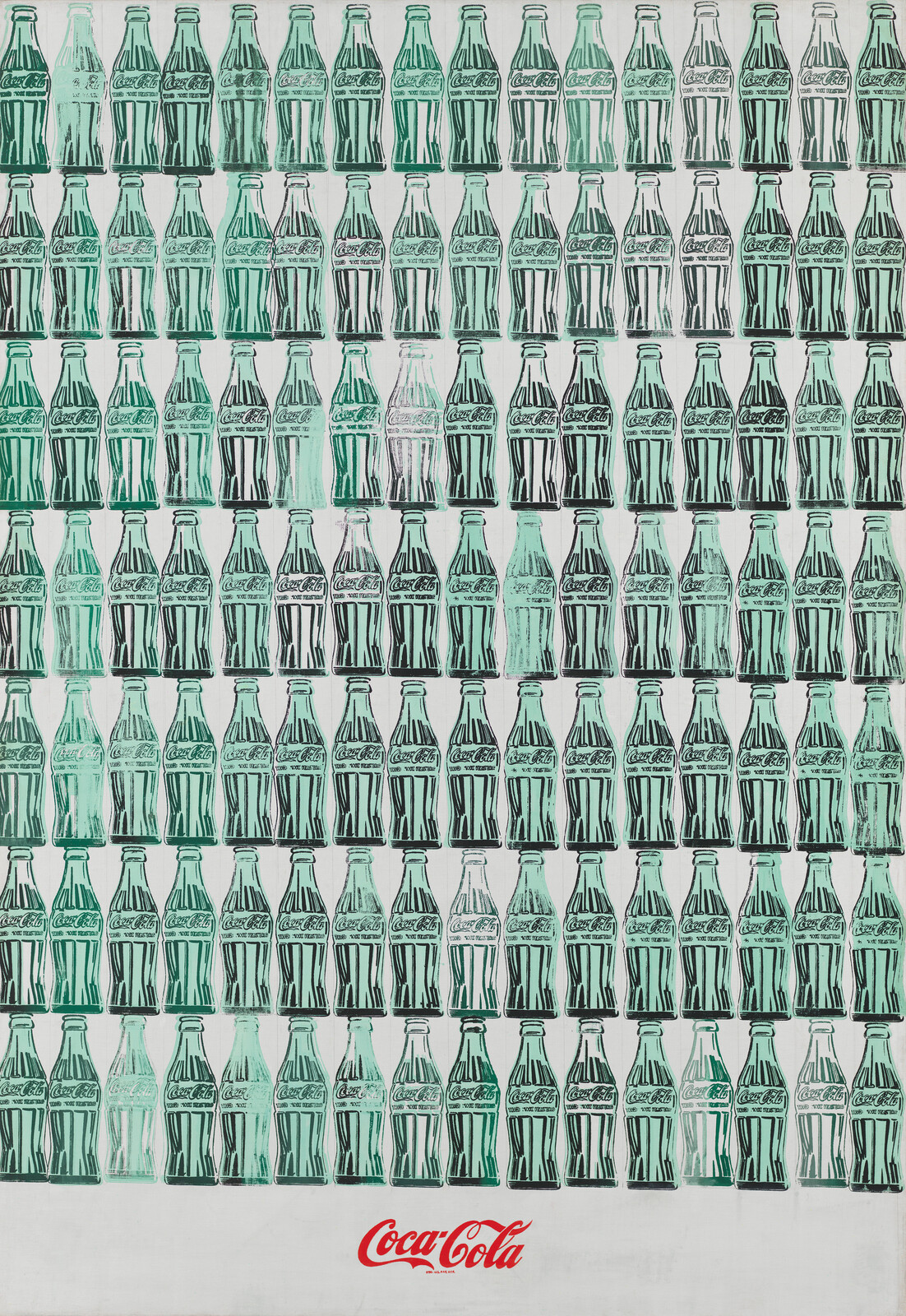
Warhol first painted the Campbell's Soup Cans cycle in paint and from 1962 made it in silkscreen: Thirty-Two Campbell's Soup Cans, One Hundred Campbell's Soup Cans and Two Hundred Campbell's Soup Cans (all 1962).
1962
Creates “Marilyn Diptych”
After Marilyn Monroe's death Warhol made the Marilyn Diptych, which became an allegory of the actress's life and death.
9 July 1962
Soup cans at the Ferus Gallery
The Los Angeles dealer Irving Blum, surprised that Warhol had no gallery, offered him a solo show at the Ferus Gallery. Warhol sent 32 canvases, one for each variety of Campbell's soup; the exhibition opened on 9 July 1962 and marked his West Coast debut.
1964
The Factory on 47th Street
By 1964 Warhol had moved his studio to 231 East 47th Street, which became known as the Factory; Billy Name covered it in aluminium foil and silver paint. The poet Gerard Malanga helped him with silkscreens and films, and working with assistants became a lasting feature of his method.

![Liz #3 [Early Colored Liz], Andy Warhol, 1963](/api/img?u=https%3A%2F%2Fwww.artic.edu%2Fiiif%2F2%2F362c0c2a-4576-2207-4ba9-2b87e6d0bad0%2Ffull%2F1200%2C%2F0%2Fdefault.jpg)


![Scenes from the Passion of Christ: The Descent into Limbo [right panel], Andrea Vanni, 1380s](https://api.nga.gov/iiif/4205a539-eadd-4486-89a7-3cff9c1ba428/full/!2400,2400/0/default.jpg)


