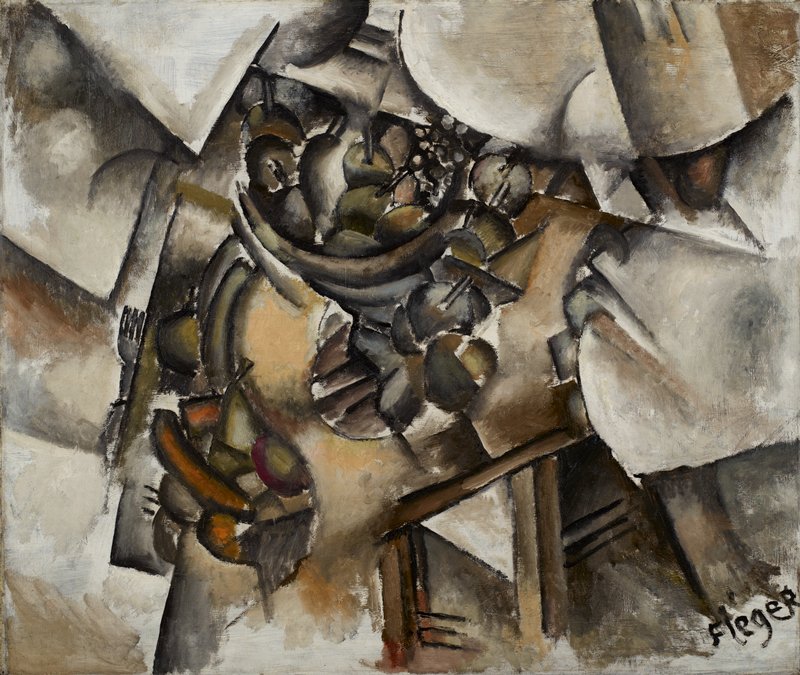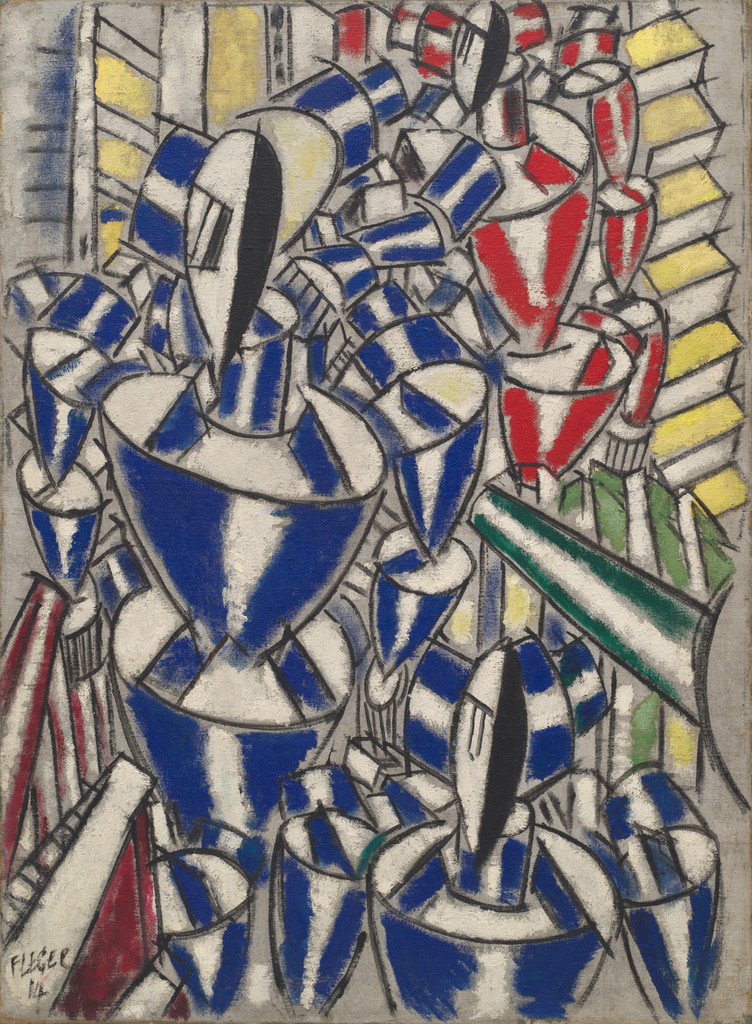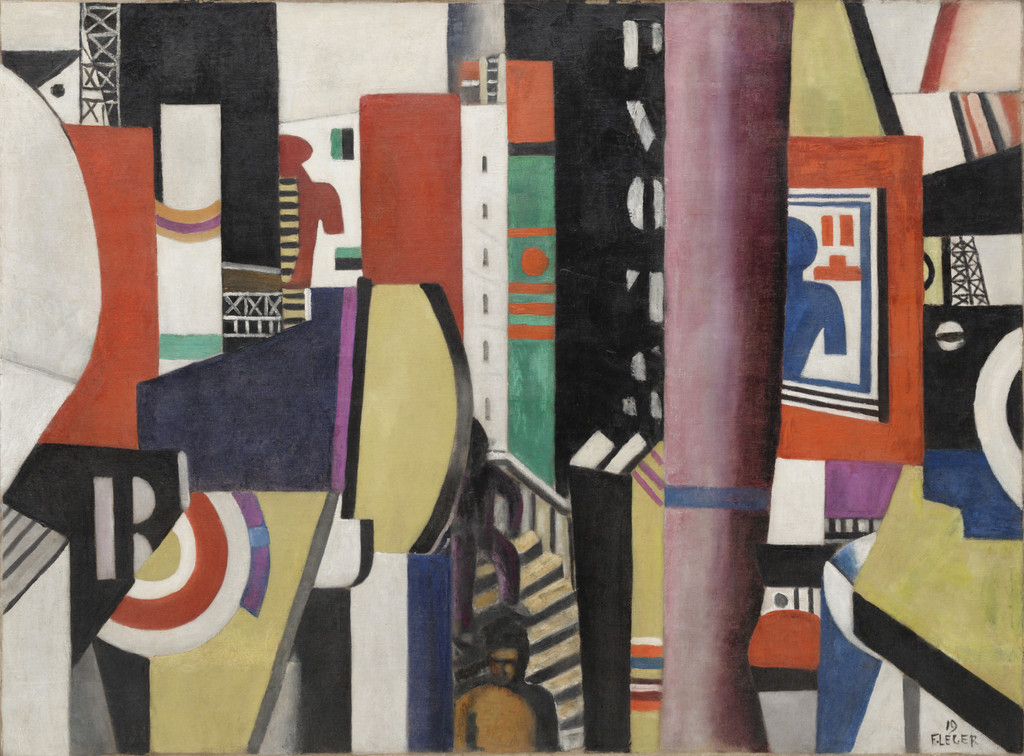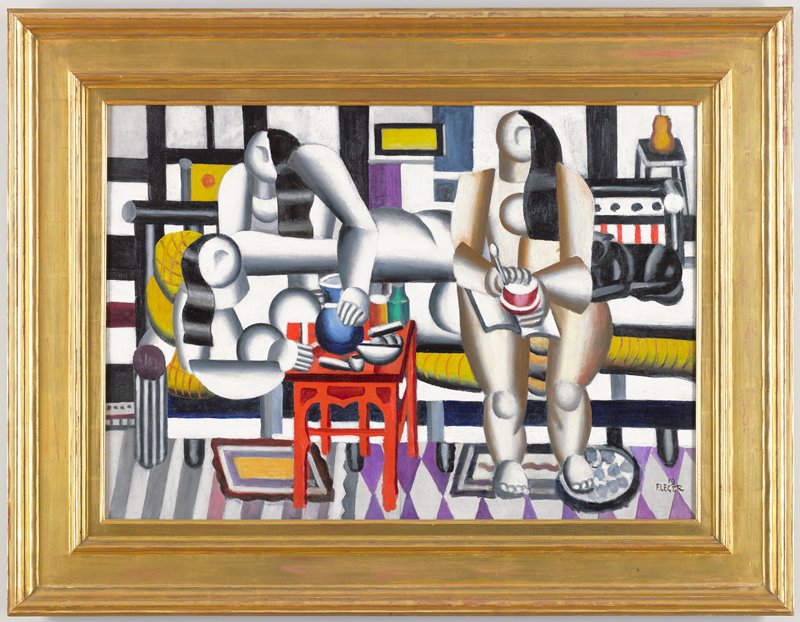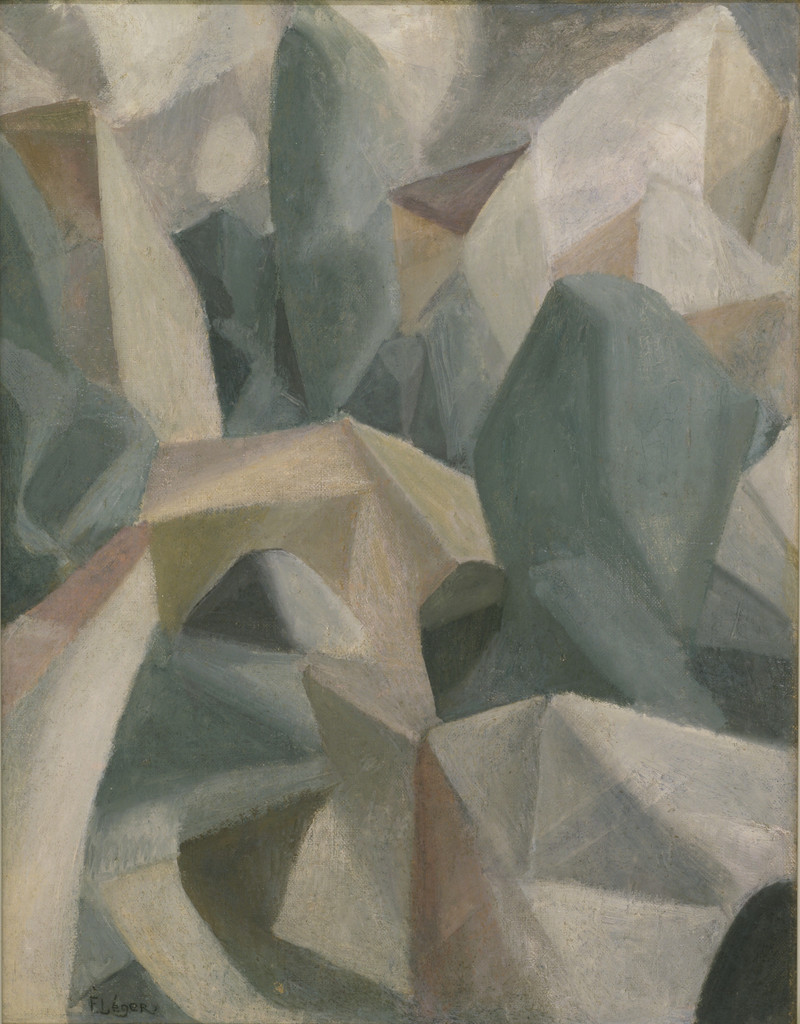
 Fernand Légerフランス, 1881–1955
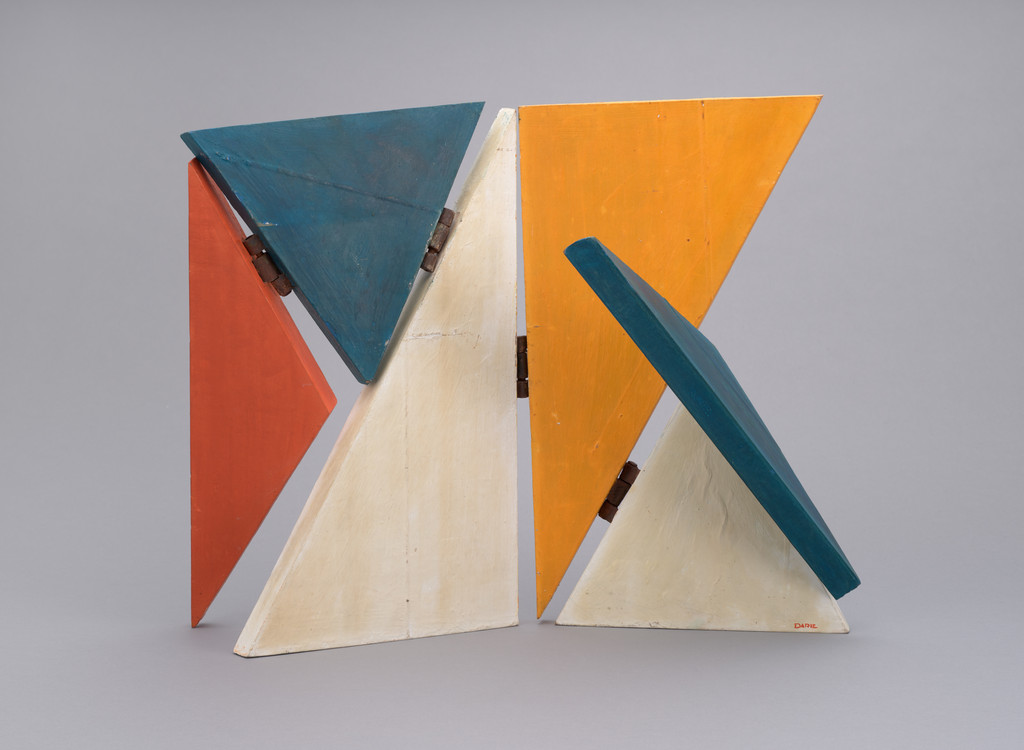
Bridge
お目にかかれますか?
はい、お客様をお迎えしています

ニューヨーク近代美術館
展示室MoMA, Floor 5, 503ニューヨーク, アメリカ合衆国
一般公開されています。裏付けとなる出典は下に記しています。
- 確認
- 11 日前
- 出典
- 美術館自身の所蔵データ
作品データ
- 収蔵番号
- 624.1967
出典
- ニューヨーク近代美術館: the museum's own open data · 11 日前に取得
- 画像: ニューヨーク近代美術館 — © the artist or rights holder
その頃、Fernand Légerの人生では
生涯をすべて見る1904–1907
A studio with André Mare; “My Mother's Garden”
In 1904–1907 Léger shares a studio with his fellow countryman André Mare, working for an architect and as a retoucher for a photographer. He begins to work seriously as a painter only at 25; from this period, marked by the influence of Impressionism, survives “My Mother's Garden” (1905), one of the few early paintings he did not later destroy.
1907
The 1907 Cézanne exhibition and a turn to geometry
Cézanne's posthumous exhibition of 1907 — at the Salon d'Automne according to the English article, at the Salon des Indépendants according to the Russian — strongly influences Léger: a new emphasis on drawing and geometry appears in his work.
1908–1909
La Ruche and Montparnasse: Archipenko, Lipchitz, Chagall, Rousseau
In 1908 Léger settles in La Ruche (the English article says that in 1909 he moves to Montparnasse) and meets Alexander Archipenko, Laurens and Jacques Lipchitz, later Chaïm Soutine, Marc Chagall and Robert Delaunay and their guests — Max Jacob, Apollinaire, Raynal, Blaise Cendrars; some become his friends. In 1909 he also meets Henri Rousseau, “le Douanier”, whose frontal compositions, firm contours and smoothly blended colours his own work of the 1920s frequently recalls.
1910
The 1910 Salon d'Automne: “Nudes in the Forest”
In 1910 Léger exhibits at the Salon d'Automne in the same room (salle VIII) as Jean Metzinger and Henri Le Fauconnier. The major painting of these years is “Nudes in the Forest” (1909–1910), in which he develops a personal form of Cubism that critics called “Tubism” for its emphasis on cylindrical forms.
1910
Kahnweiler buys his paintings
In 1910 the dealer Daniel-Henry Kahnweiler, a supporter of Picasso and Georges Braque, buys several of Léger's paintings, which allows the artist to move a year later to the rue de l'Ancienne Comédie.