 Aleksandr Rodchenkoロシア, 1891–1956
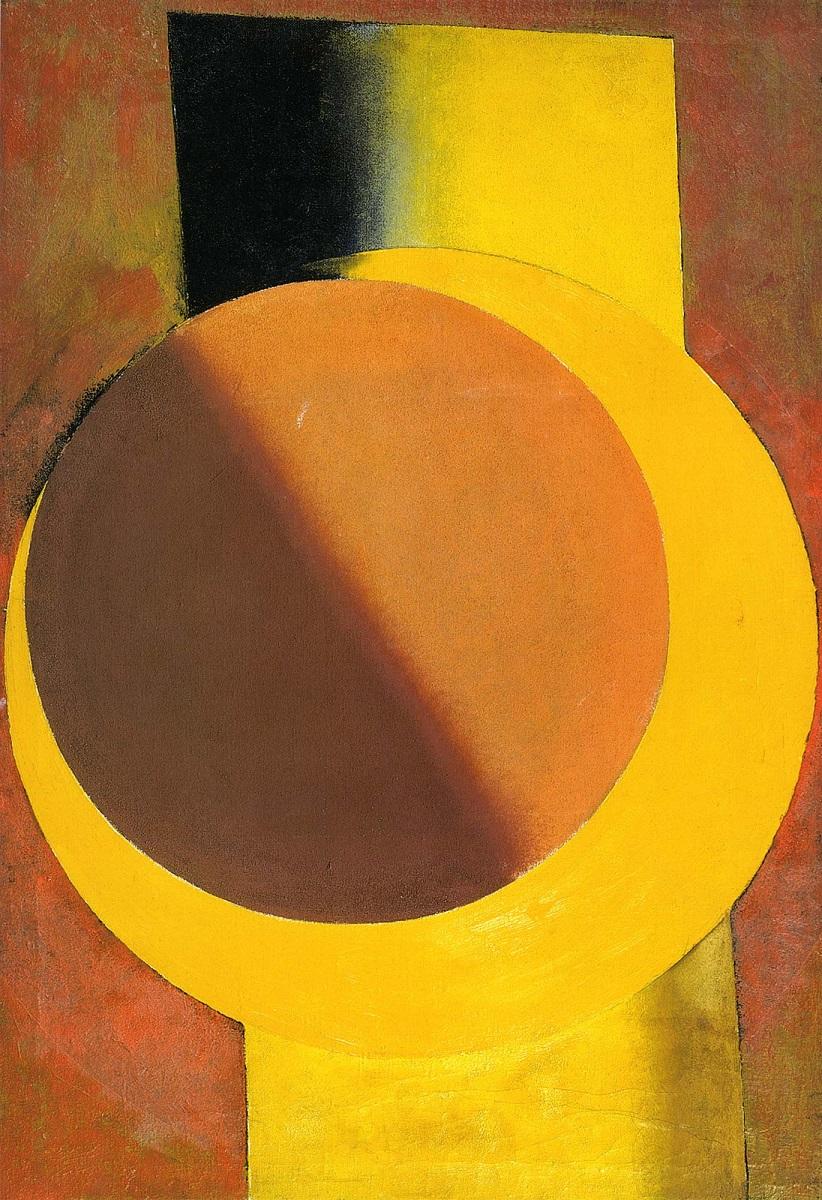
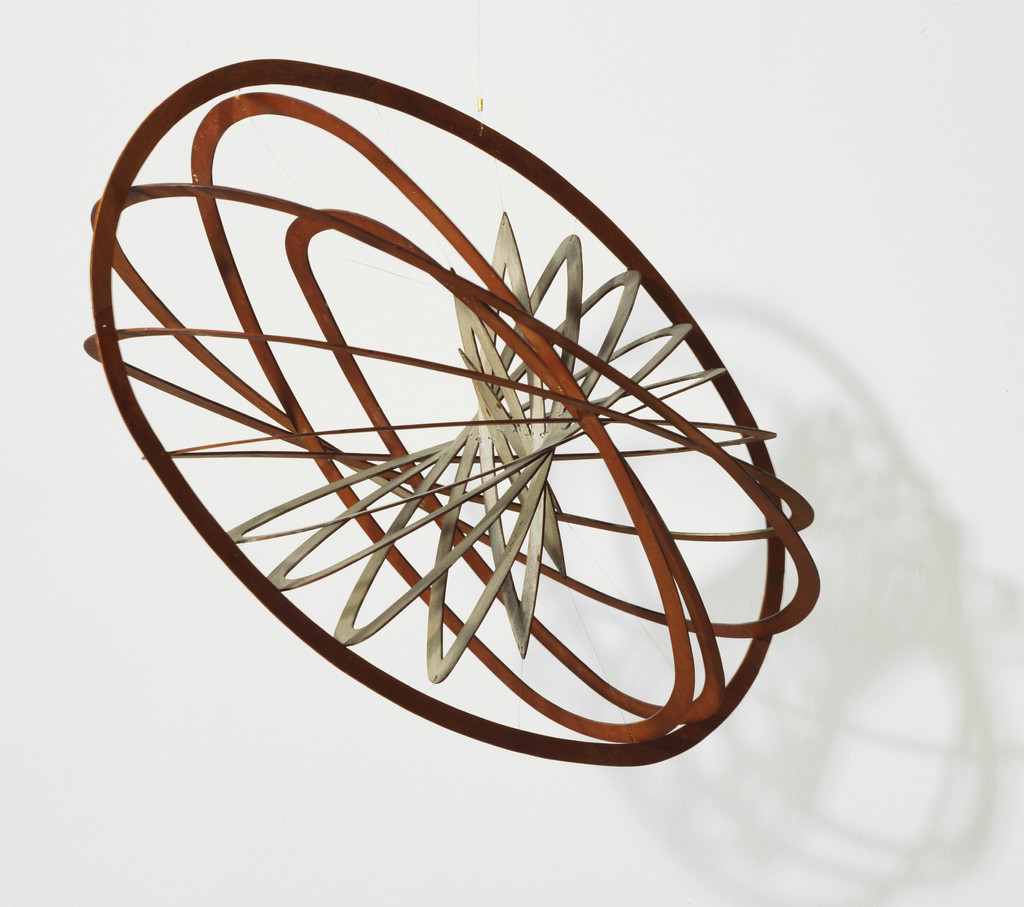
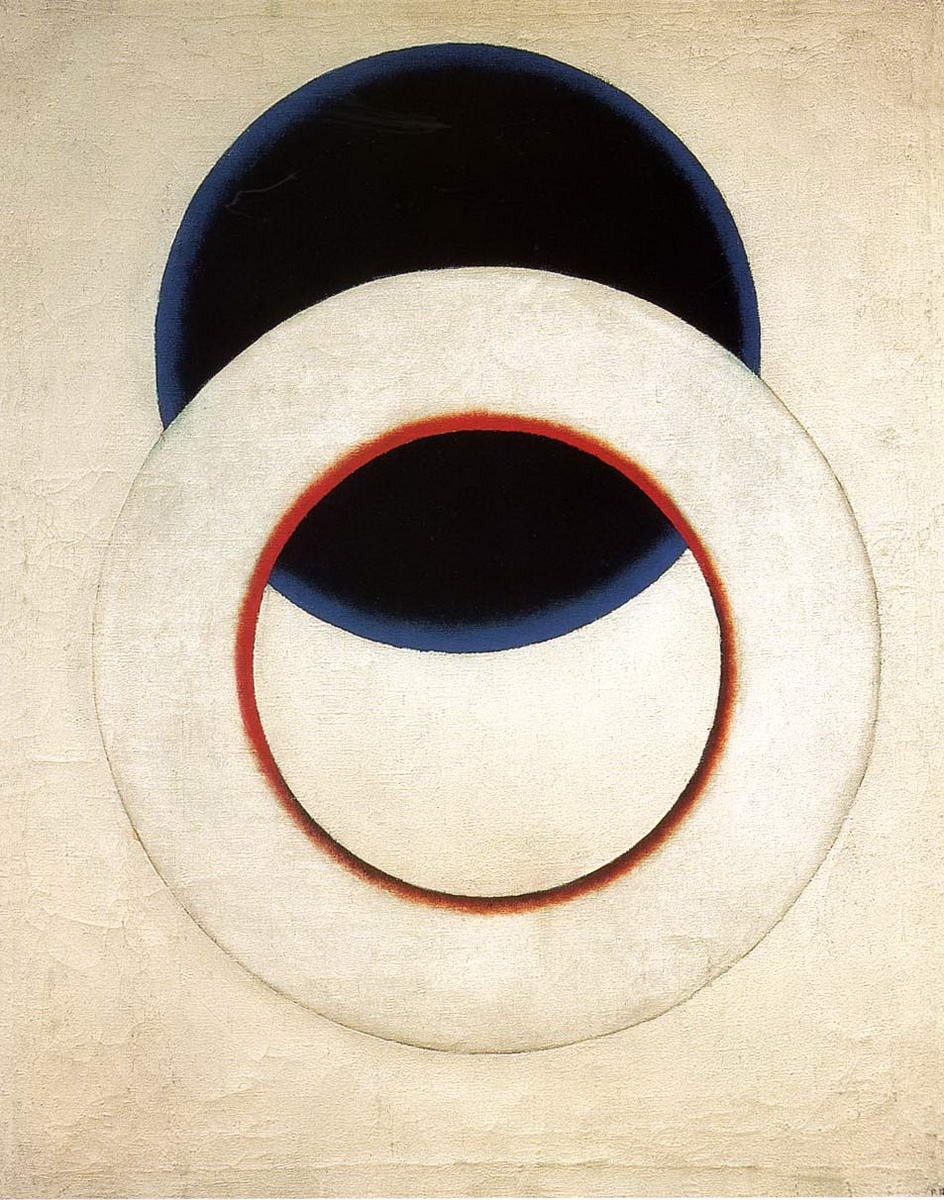
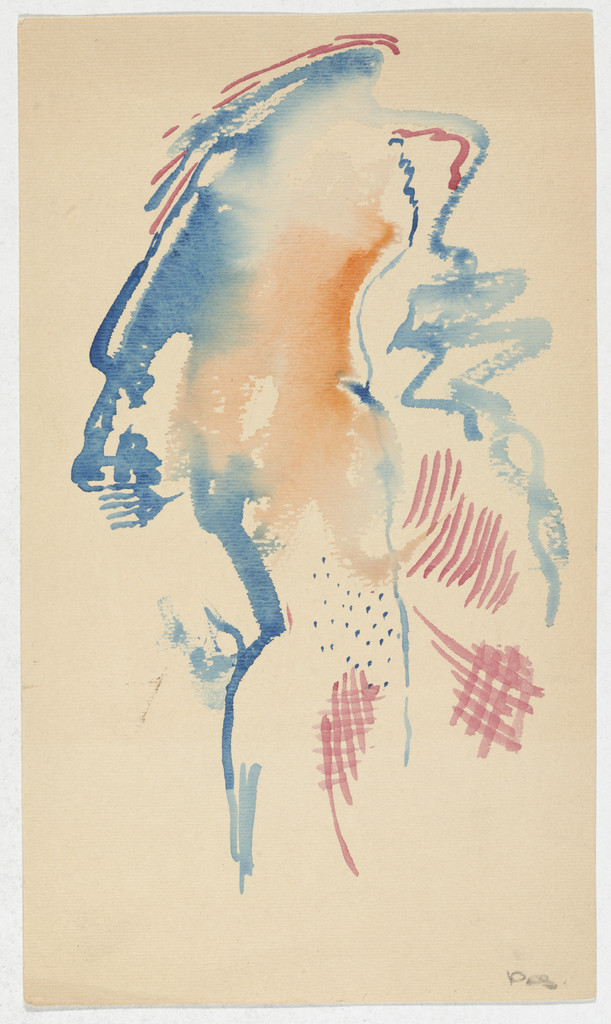
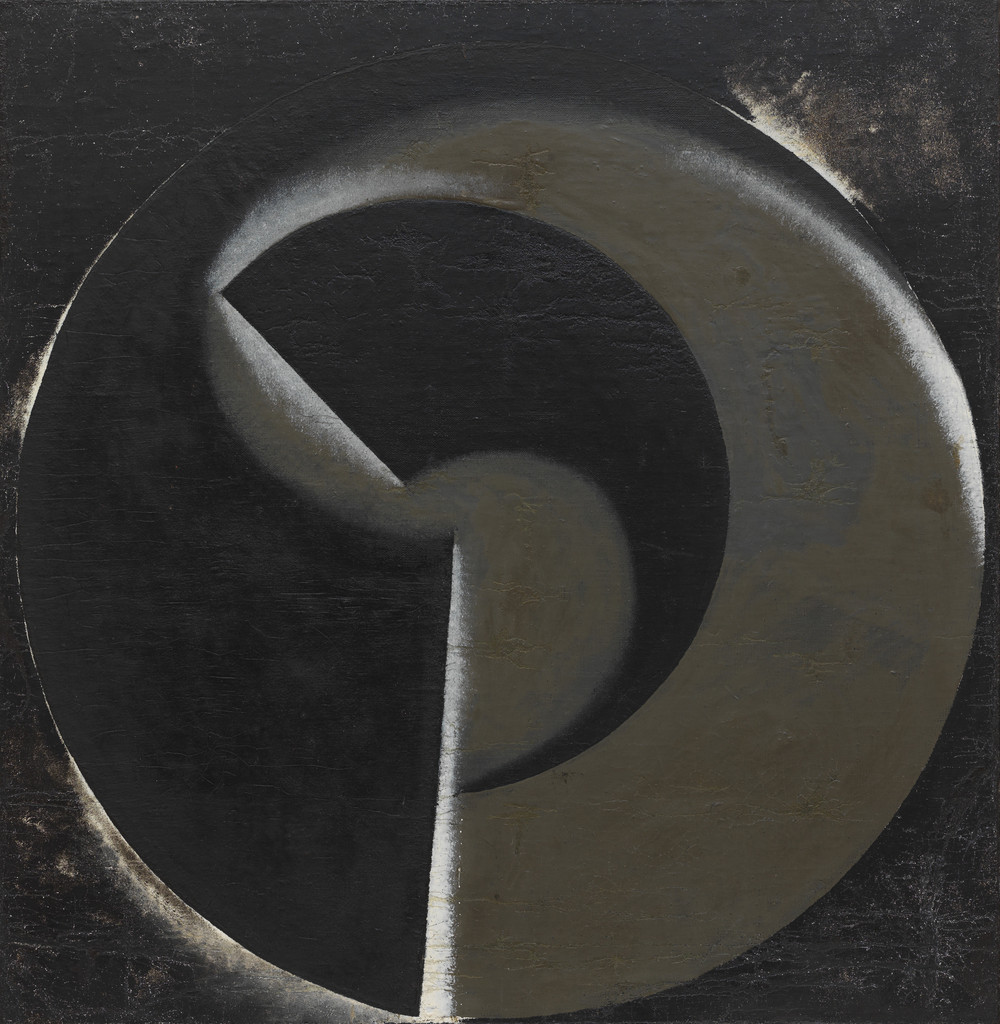
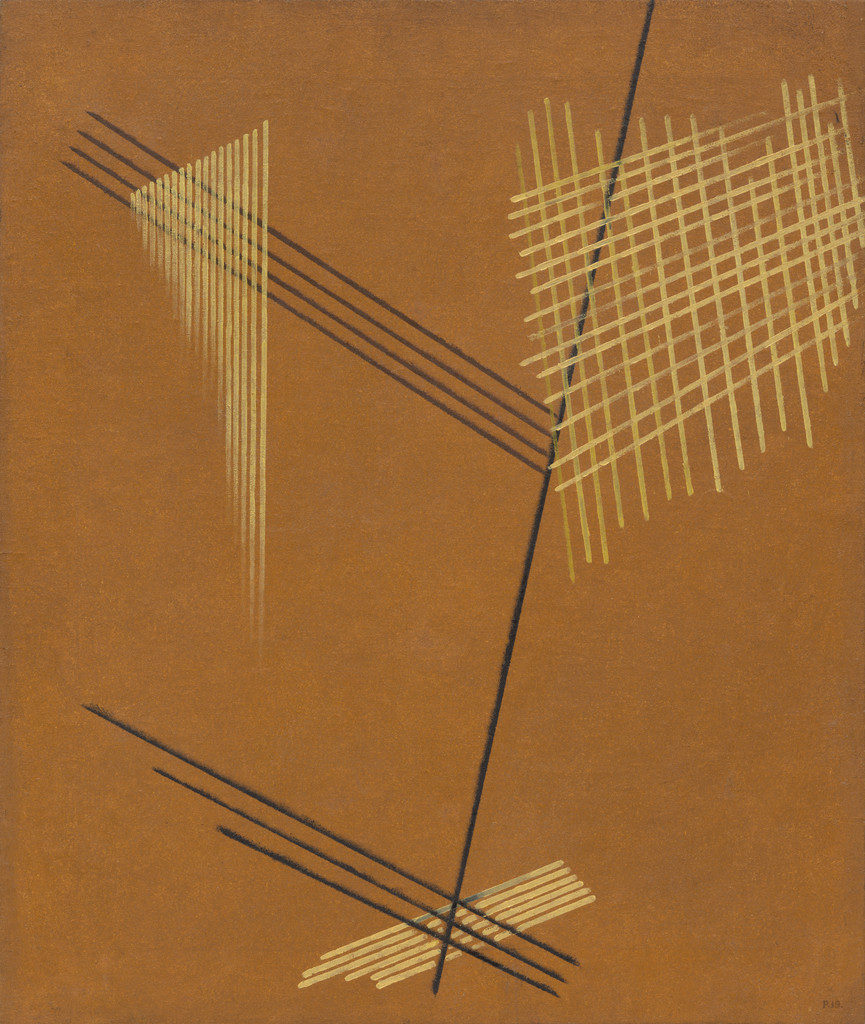
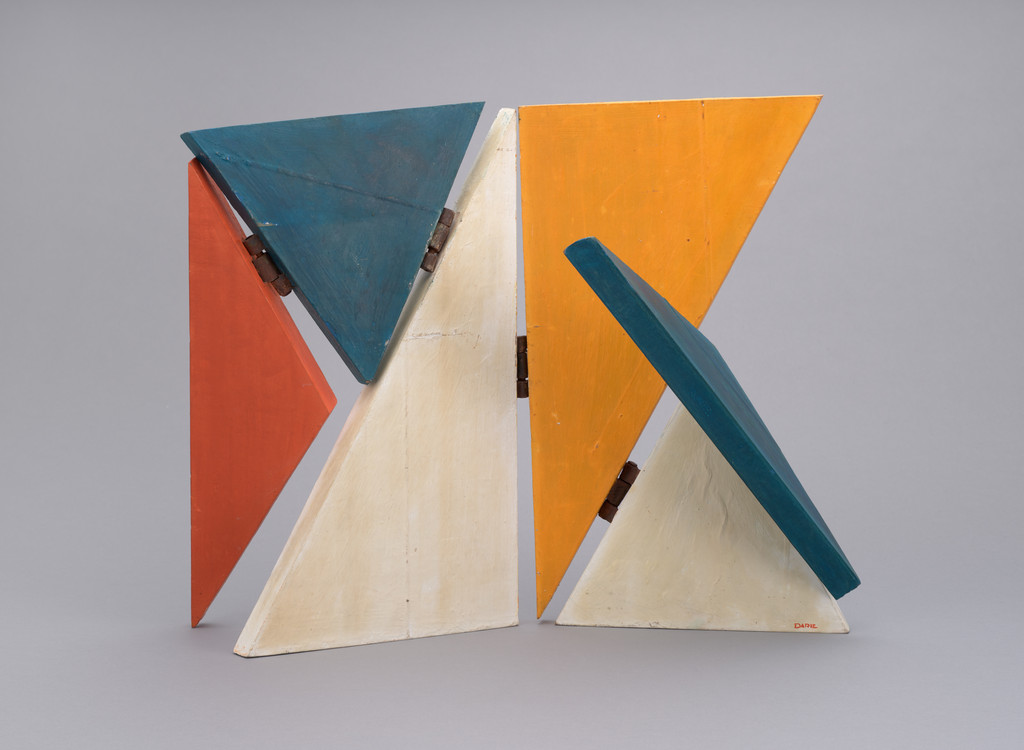
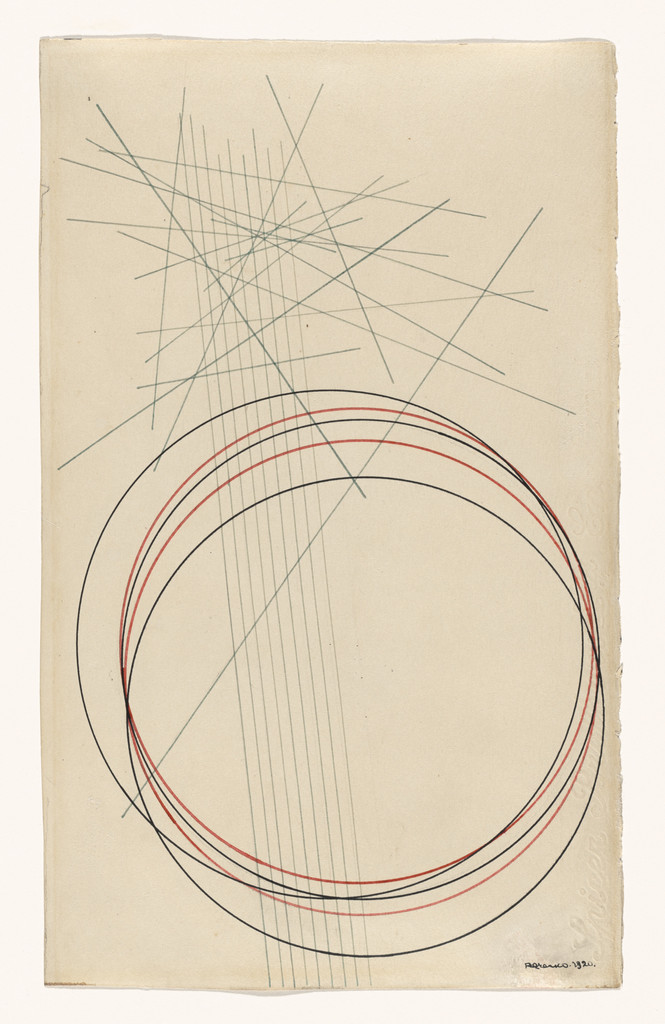
Construction
お目にかかれますか?
ただいまはお迎えしていません

ニューヨーク近代美術館
ニューヨーク, アメリカ合衆国
コレクションに属していますが、現在は展示されていません。
- 確認
- 11 日前
- 出典
- 美術館自身の所蔵データ
作品データ
- 収蔵番号
- 11.1940
出典
- ニューヨーク近代美術館: the museum's own open data · 11 日前に取得
- 画像: ニューヨーク近代美術館 — © the artist or rights holder
その頃、Aleksandr Rodchenkoの人生では
生涯をすべて見る1918–1921
Heads the Museum Bureau of Narkompros
From 1918 to 1921 Rodchenko heads the museum bureau of the Fine Arts Department of Narkompros. By other accounts, he was appointed Director of the Museum Bureau and Purchasing Fund in 1920, responsible for reorganising art schools and museums.
1920–1930
Professor at VKhUTEMAS/VKhUTEIN
For ten years Rodchenko teaches in the woodworking and metalworking faculties (merged into the Dermetfak in 1928), training students to design multifunctional objects for everyday life and public buildings, expressive through construction rather than ornament.
1921
Turns to Productivism
With Stepanova and Aleksei Gan, Rodchenko joins the Productivist group, which advocated bringing art into everyday life, and gives up painting for graphic design — posters, books and films. He also created the early corporate identity of the airline Dobrolyot (later Aeroflot), with its “Winged Hammer and Sickle” logo.
1921
“5×5=25”: three monochrome canvases
At the “5×5=25” exhibition in Moscow Rodchenko shows the first true monochrome paintings — red, blue and yellow. He later proclaimed that he had reduced painting to its logical conclusion: “I affirmed: it's all over.”
1921
Succeeds Kandinsky as head of Inkhuk
In 1921 Rodchenko succeeds Wassily Kandinsky as chairman of the Institute of Artistic Culture (Inkhuk), where he works until 1924.
1922
Works with Dziga Vertov
Rodchenko works intensively with the filmmaker Dziga Vertov, whose ideas and practice deeply influenced him.