
 Robert Rauschenbergアメリカ合衆国, 1925–2008
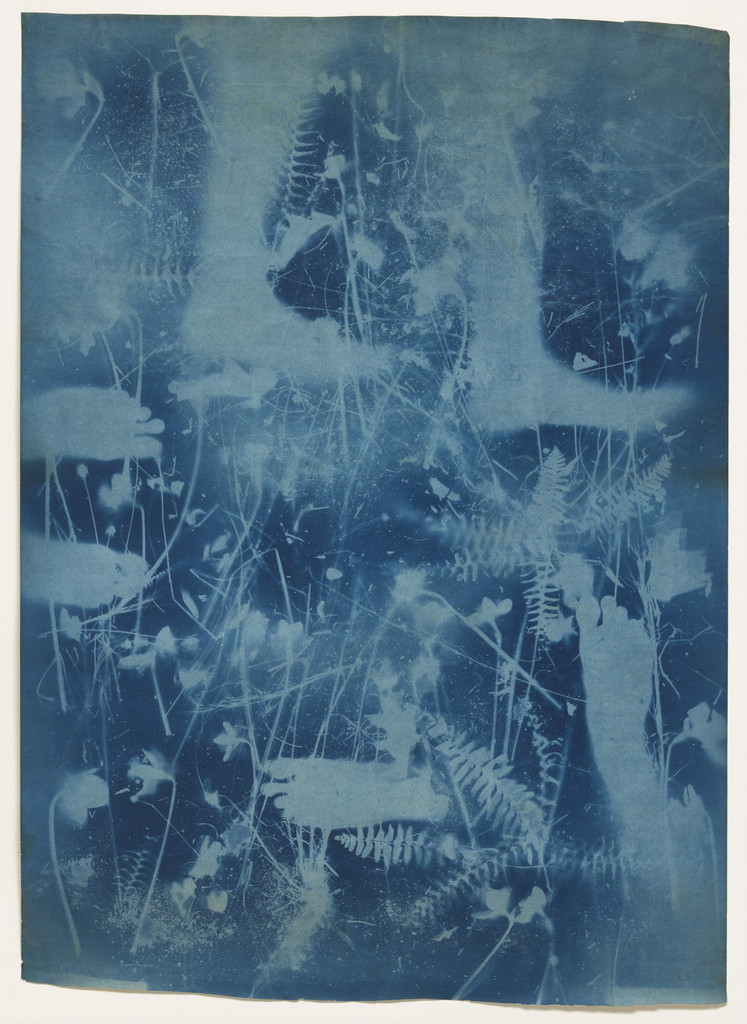
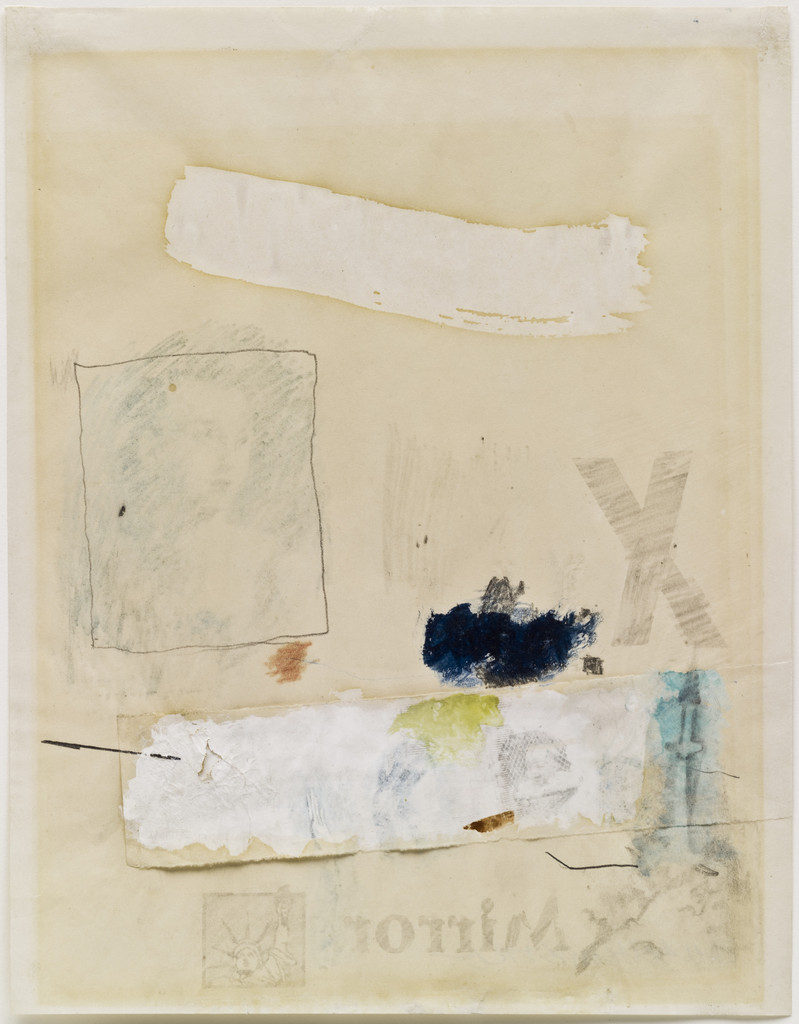
Kar
お目にかかれますか?
ただいまはお迎えしていません

ナショナル・ギャラリー
ワシントンD.C., アメリカ合衆国
コレクションに属していますが、現在は展示されていません。
- 確認
- 5 時間前
- この状態になった日
- 2026年8月19日
- 出典
- 美術館自身の所蔵データ
作品データ
- 収蔵番号
- 1971.86.32
What it shows
カタログ収録
出典
- ナショナル・ギャラリー: the museum's own open data · 4 日前に取得
- 画像: ナショナル・ギャラリー — © the artist or rights holder
その頃、Robert Rauschenbergの人生では
生涯をすべて見る1962
Takes up silkscreen after visiting Warhol's studio
By 1962 Rauschenberg's paintings took in not only found objects but found images: after a visit to Andy Warhol's studio he began transferring photographs to canvas by silkscreen, a technique of commercial printing. The silkscreen paintings of 1962–1964 led critics to identify him with Pop art.
1963
First retrospective, at the Jewish Museum
Rauschenberg's first career retrospective was organised by the Jewish Museum in New York.
May 1963
Choreographs his first performance, “Pelican”
In the early 1960s Rauschenberg was involved in the radical dance-theatre experiments at Judson Memorial Church in Greenwich Village, and in May 1963 he choreographed his first performance, “Pelican”, for the Judson Dance Theater. His close friends from Cunningham's circle — Carolyn Brown, Viola Farber and Steve Paxton — danced in his pieces.
1964
Grand Prize at the Venice Biennale
At the 32nd Venice Biennale Rauschenberg won the International Grand Prize in Painting, one of the first Americans to do so (James Whistler and Mark Tobey had won painting prizes in 1895 and 1958). The prize has been called the official recognition of Pop art.
1964年6月28日–1964年10月6日
Exhibition: Documenta III
1966
Founds E.A.T. with Billy Klüver
For “9 Evenings: Theatre and Engineering” at New York's 69th Regiment Armory Rauschenberg created the performance Open Score. The series was instrumental in the formation of Experiments in Art and Technology (E.A.T.), a non-profit for collaborations between artists and engineers which he and the Bell Laboratories scientist Billy Klüver officially launched in 1966.




![Scenes from the Passion of Christ: The Descent into Limbo [right panel], Andrea Vanni, 1380s](https://api.nga.gov/iiif/4205a539-eadd-4486-89a7-3cff9c1ba428/full/!2400,2400/0/default.jpg)


