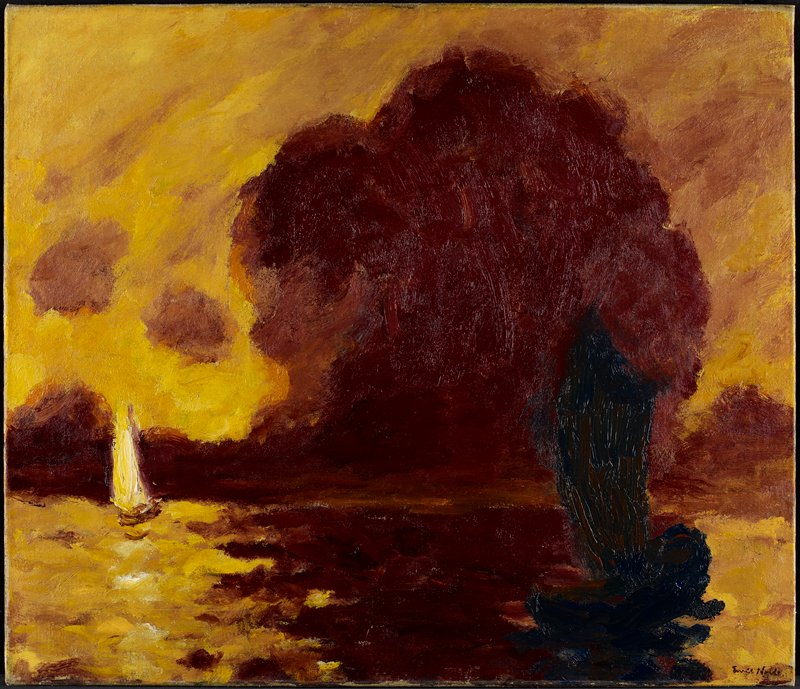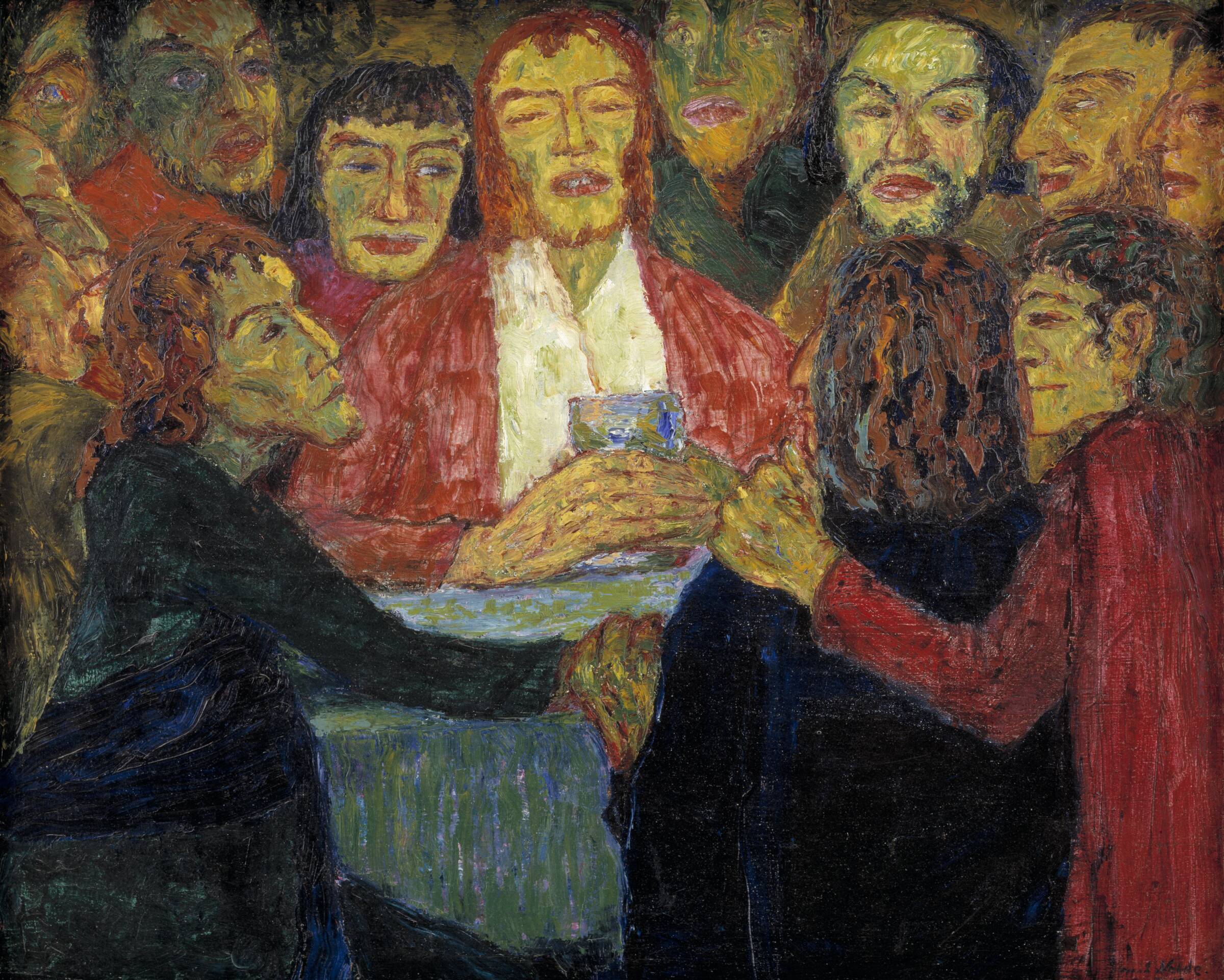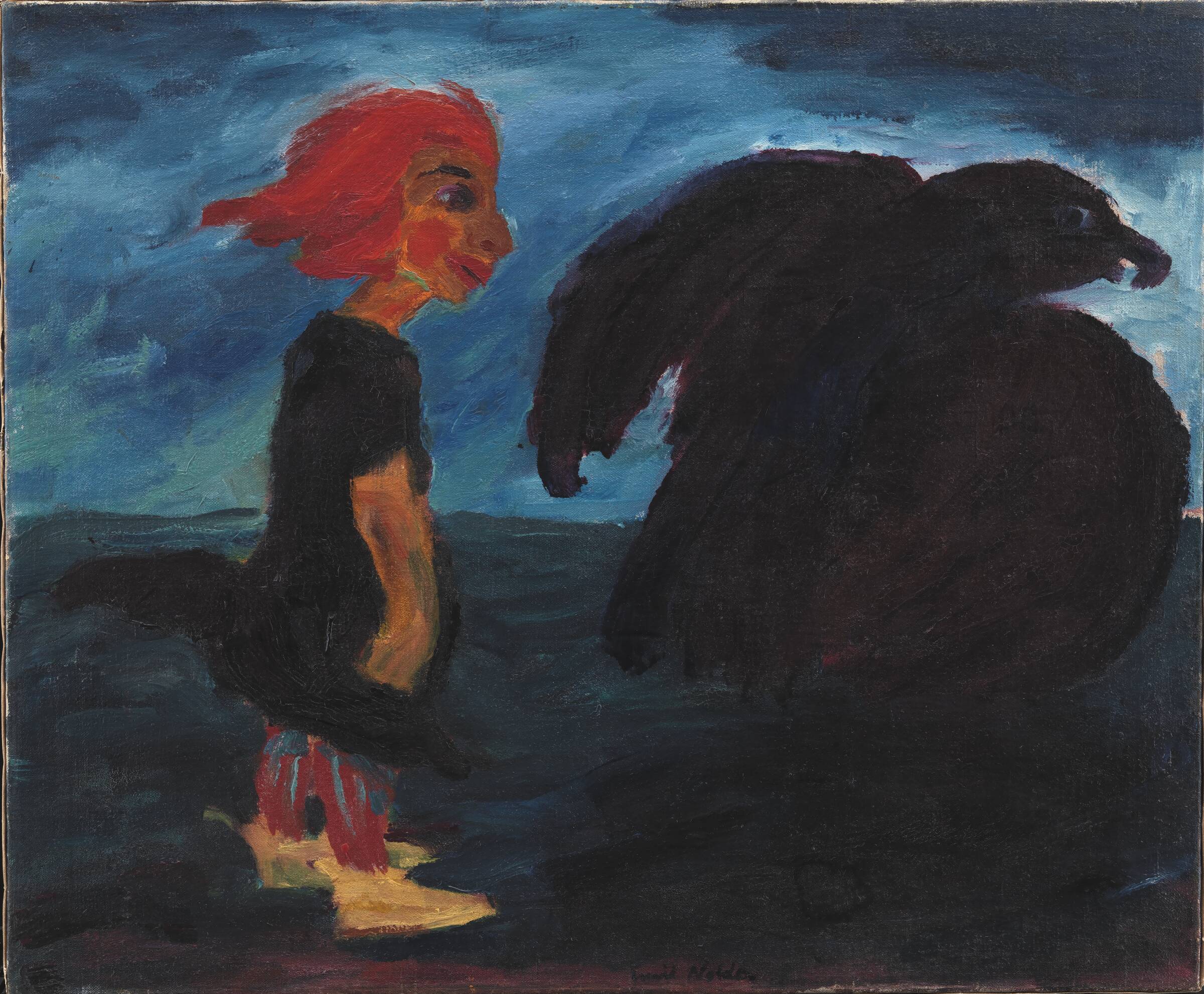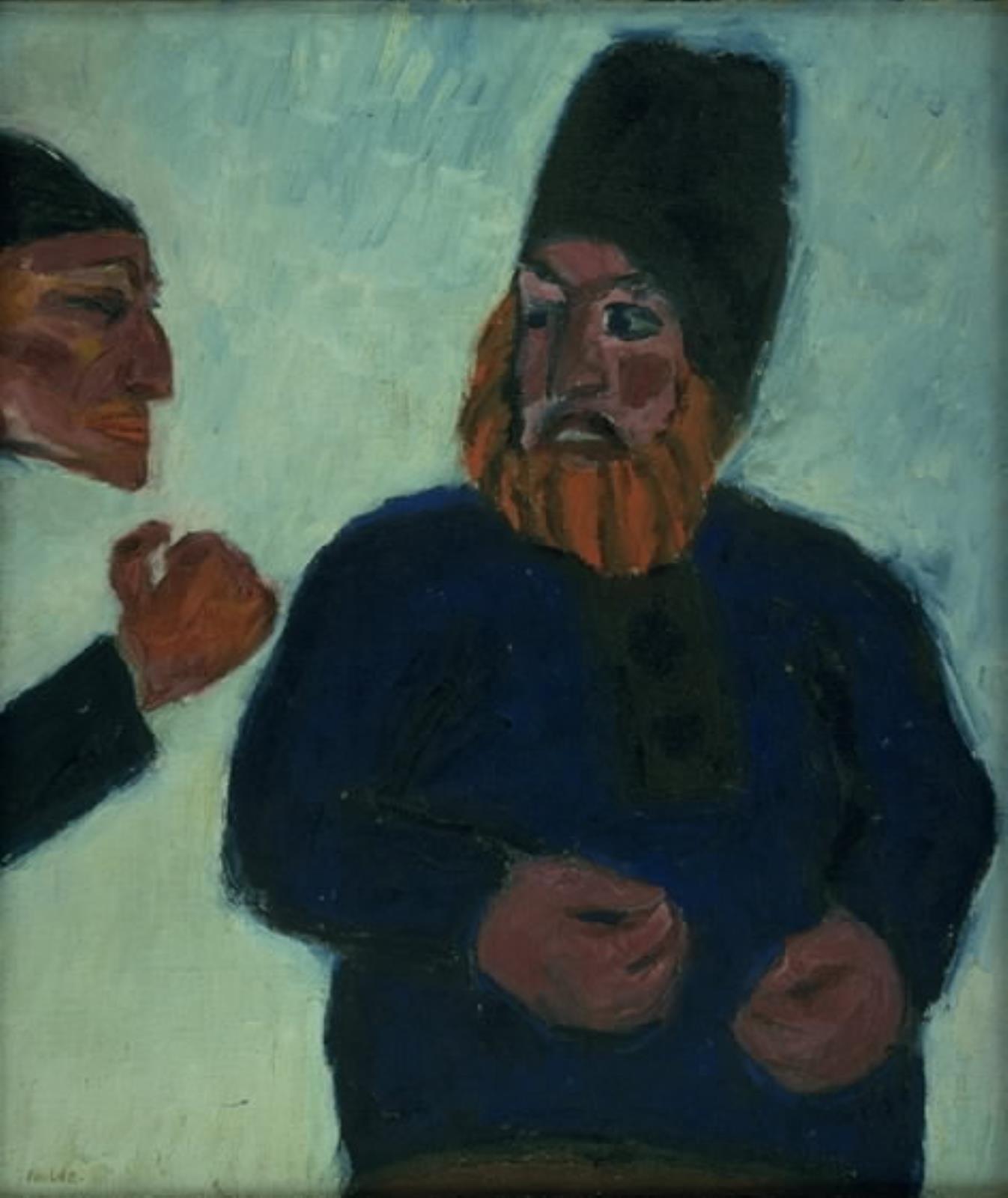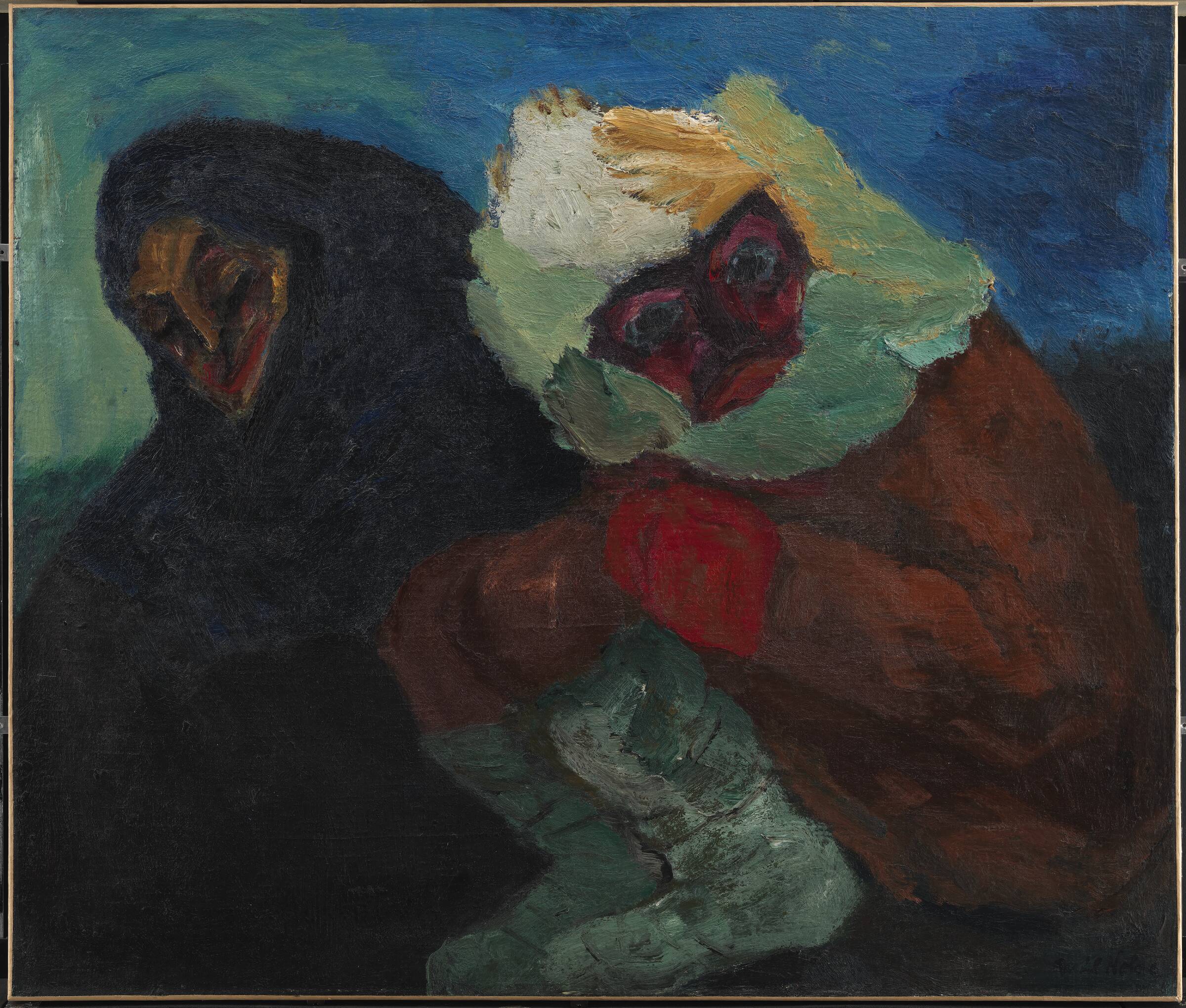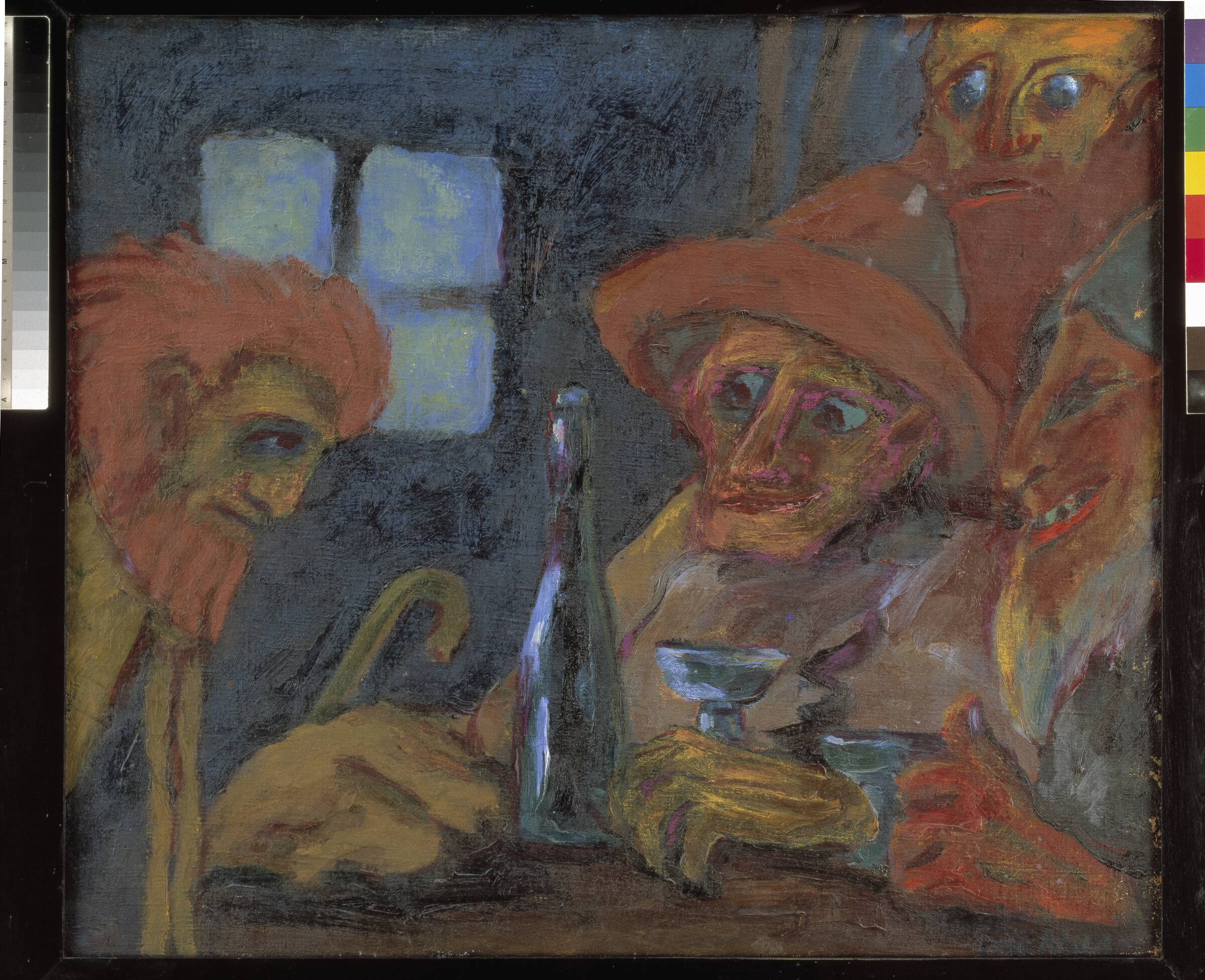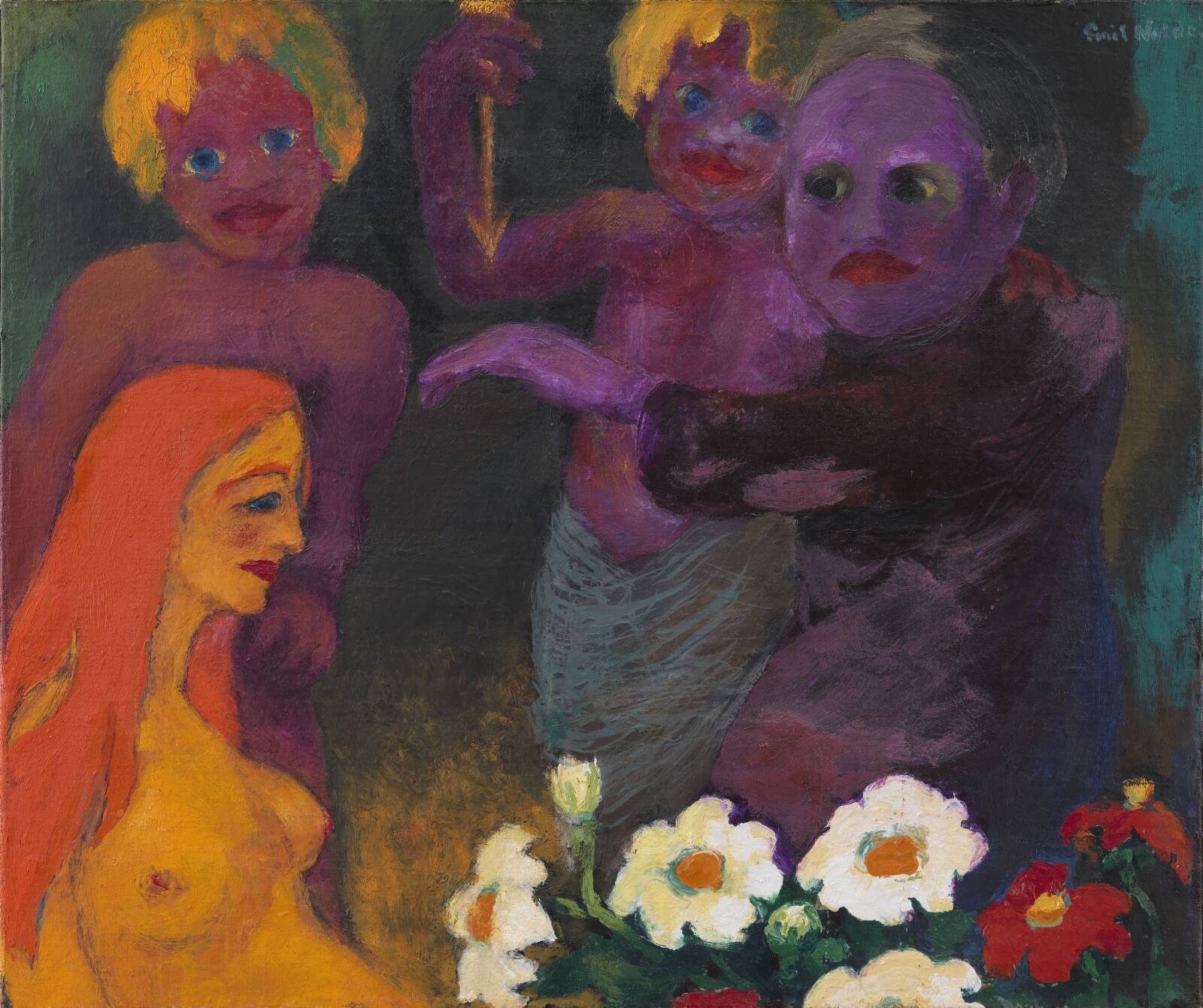
 Emil Noldeドイツ, デンマーク, 1867–1956
Legende
お目にかかれますか?
はい、お客様をお迎えしています

コペンハーゲン国立美術館
展示室展示室 270Aコペンハーゲン, デンマーク
一般公開されています。裏付けとなる出典は下に記しています。
- 確認
- 5 時間前
- この状態になった日
- 2026年9月28日
- 出典
- 美術館自身の所蔵データ
作品データ
- 収蔵番号
- KMS6207
出入りの記録
展示中 · 展示室 270A
コペンハーゲン国立美術館 · 2026年9月28日 — 現在 · 確認済み
展示中
コペンハーゲン国立美術館 · 2026年8月19日 — 2026年9月28日 · 確認済み
出典
- コペンハーゲン国立美術館: the museum's own open data · 4 日前に取得
- 画像: コペンハーゲン国立美術館 — © the artist or rights holder
その頃、Emil Noldeの人生では
生涯をすべて見る1934
Joins the Nazi organisation of North Schleswig
Convinced of the “superiority of German art”, Nolde joined the National Socialist Working Association of North Schleswig (NSAN) in 1934; it was merged into the Danish section of the NSDAP during Gleichschaltung; by other accounts he had supported the Nazis since the early 1920s.
1937
“Degenerate Art”: over a thousand works confiscated
The Nazis declared Nolde’s art degenerate: “The Life of Christ” became one of the central exhibits of the “Degenerate Art” exhibition (1937), and 1,052 of his works were removed from museums, more than those of any other artist; some of what was confiscated was sold and some destroyed.
after 1937
Asks Goebbels to reconsider his art
After this Nolde appealed to Joseph Goebbels to reconsider his art and produced many propagandist graphic works of antisemitic content; he also appealed in person to the Gauleiter of Vienna, Baldur von Schirach.
1941
Forbidden to paint: the “Unpainted Pictures”
In 1941 Nolde was forbidden to paint, even in private; embittered, he withdrew to Seebüll and secretly made small watercolours, burying them in the ground. He made about 1,300 of them in all and called them his “Unpainted Pictures”.
until 1941
A house and studio on the hill of Seebüll
After the land at Utenwarf was drained, Nolde and his Danish wife Ada Vilstrup moved to German territory, where the countryside reminded him of his native Nolde; on the high hill of Seebüll near Neukirchen the couple bought an old cottage and later Nolde built to his own design a new house with a studio, rising above the surroundings like a medieval fortress.