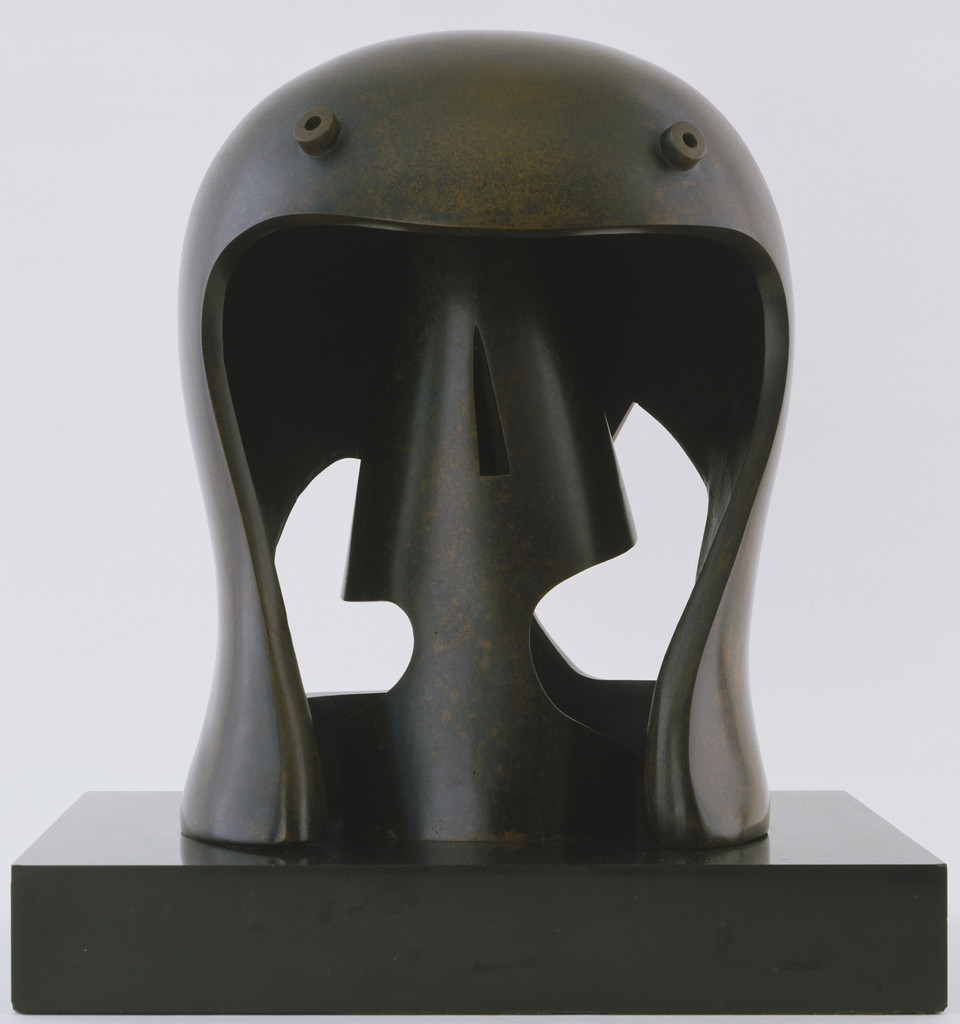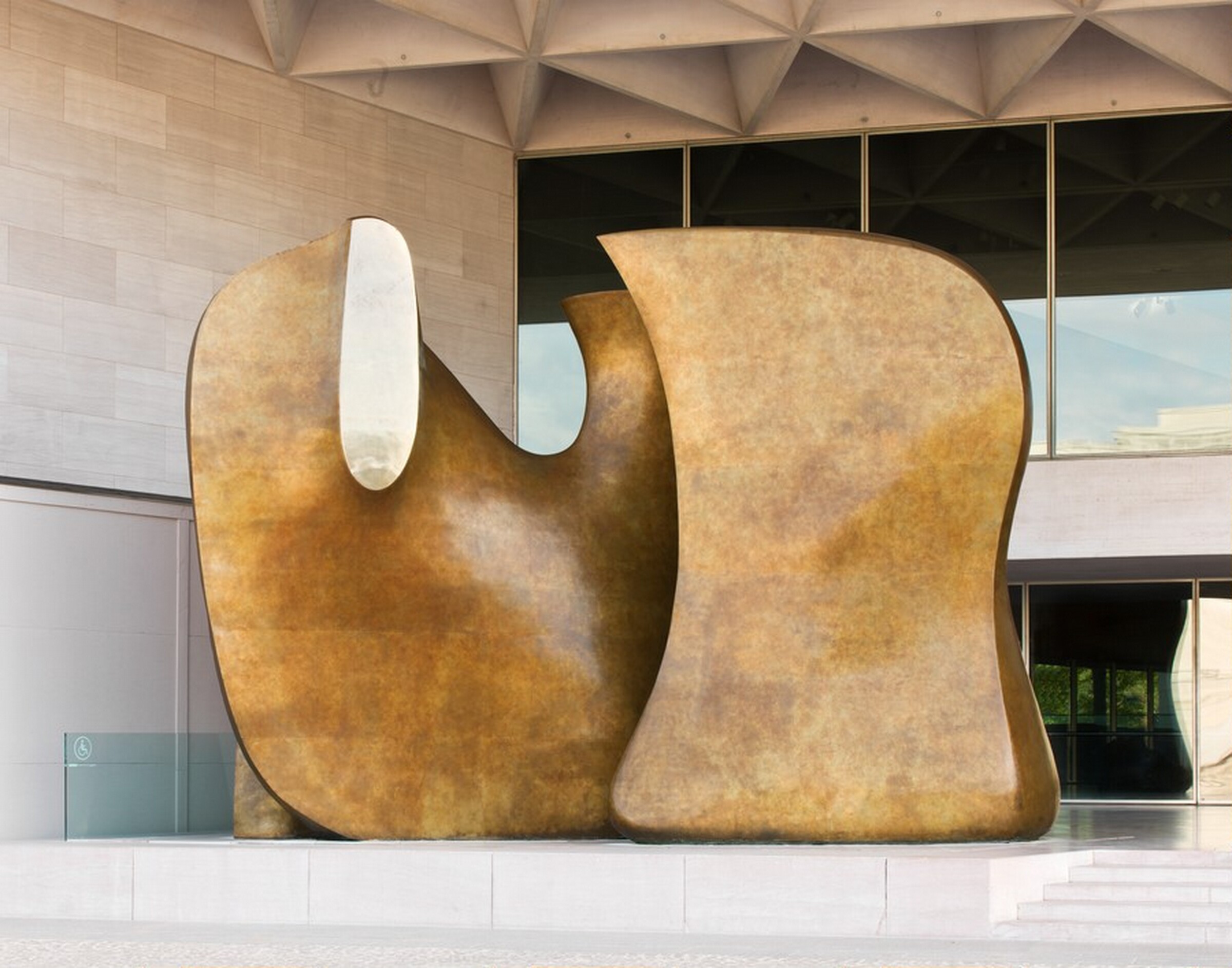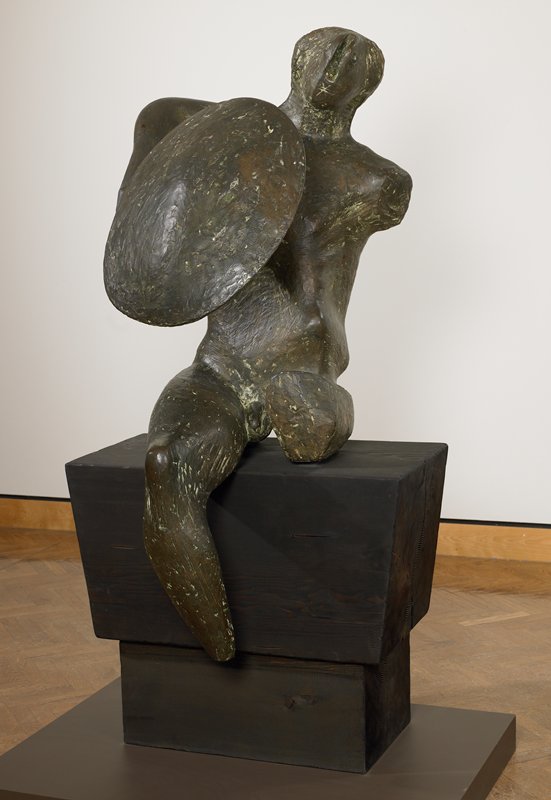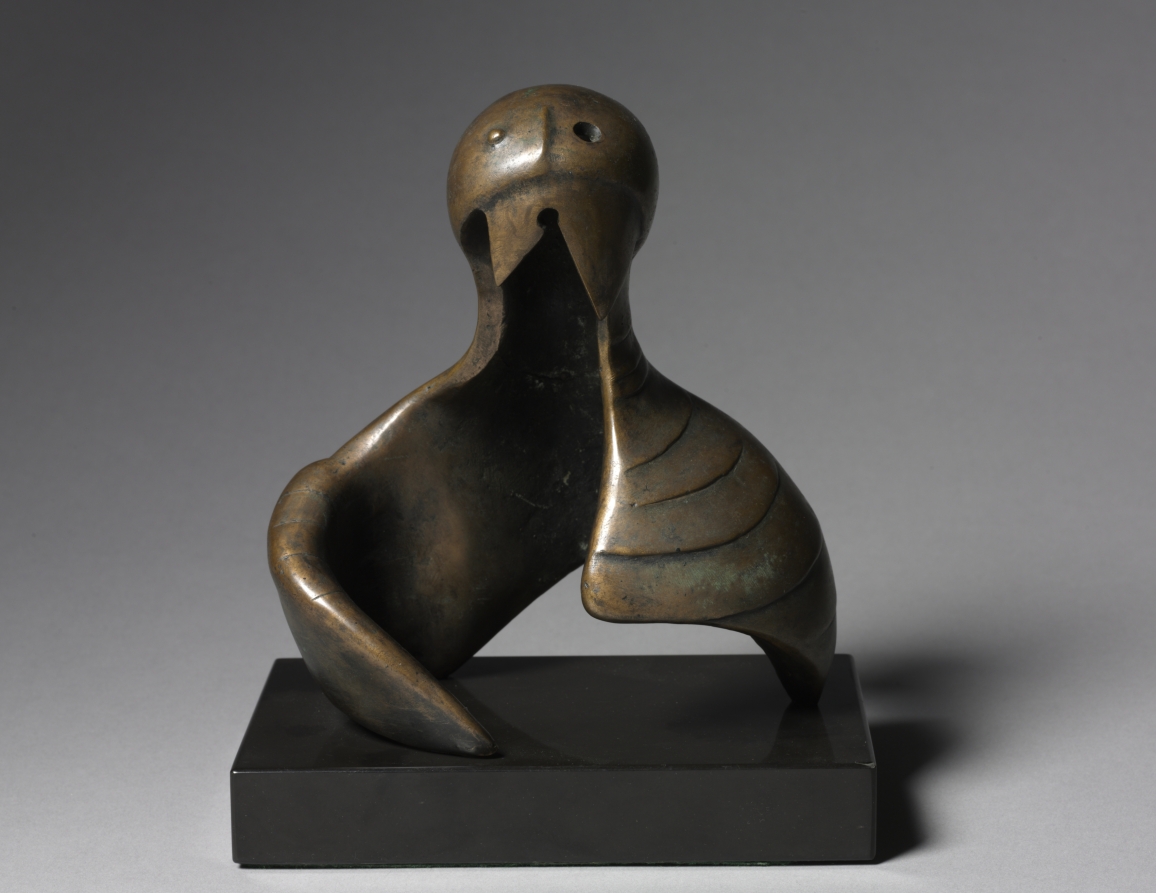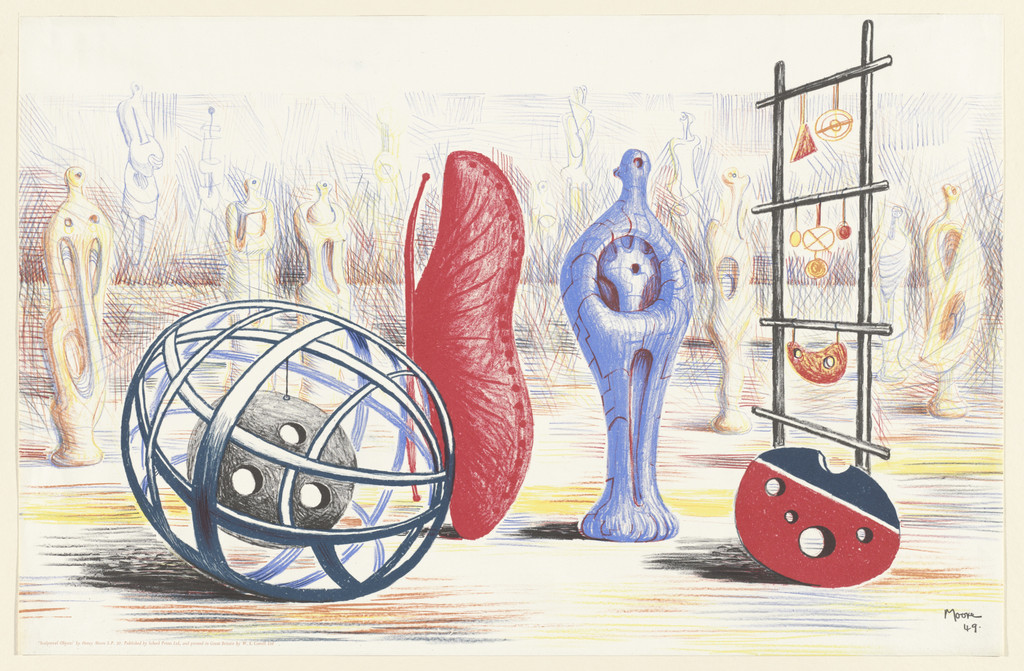
 Henry Mooreイングランド, 1898–1986
Sculptural Objects
お目にかかれますか?
ただいまはお迎えしていません

ニューヨーク近代美術館
ニューヨーク, アメリカ合衆国
コレクションに属していますが、現在は展示されていません。
- 確認
- 11 日前
- 出典
- 美術館自身の所蔵データ
作品データ
- 収蔵番号
- 262.1950
出典
- ニューヨーク近代美術館: the museum's own open data · 11 日前に取得
- 画像: ニューヨーク近代美術館 — © the artist or rights holder
その頃、Henry Mooreの人生では
生涯をすべて見る1940–1986
A bomb in Hampstead: the move to Hoglands
In September 1940 bomb shrapnel hit the Moores’ Hampstead home and they left London for Hoglands, a farmhouse in the hamlet of Perry Green near Much Hadham in Hertfordshire. It remained Moore’s home and workshop for the rest of his life; though he grew wealthy he never felt the need to move to larger premises.
1946–1947
A retrospective at MoMA and his first trip to America
In 1946 a retrospective of Moore’s work opened at the Museum of Modern Art in New York, and he made his first visit to America. The exhibition brought him fame as one of the finest masters of the twentieth century.
1948
The Venice Biennale prize
In 1948 Moore won the International Sculpture Prize at the Venice Biennale.
1950s
Assistants at Much Hadham
In the 1950s the scale of Moore’s sculptures grew so much that he took on a growing number of assistants at Much Hadham, among them Anthony Caro, Roland Piché, Maurice Lowe and Richard Wentworth.
1951
Turns down a knighthood
In 1951 Moore declined a knighthood, feeling that it would make him seem an establishment figure and might cut him off from fellow artists with similar aims. He later accepted the Order of the Companions of Honour (1955) and the Order of Merit (1963).
1951
“Reclining Figure: Festival” at the Festival of Britain
At the 1951 Festival of Britain Moore exhibited Reclining Figure: Festival, a plaster typical of his later manner: an abstract female figure intercut with voids.