
 Mark Rothkoアメリカ合衆国, 1903–1970
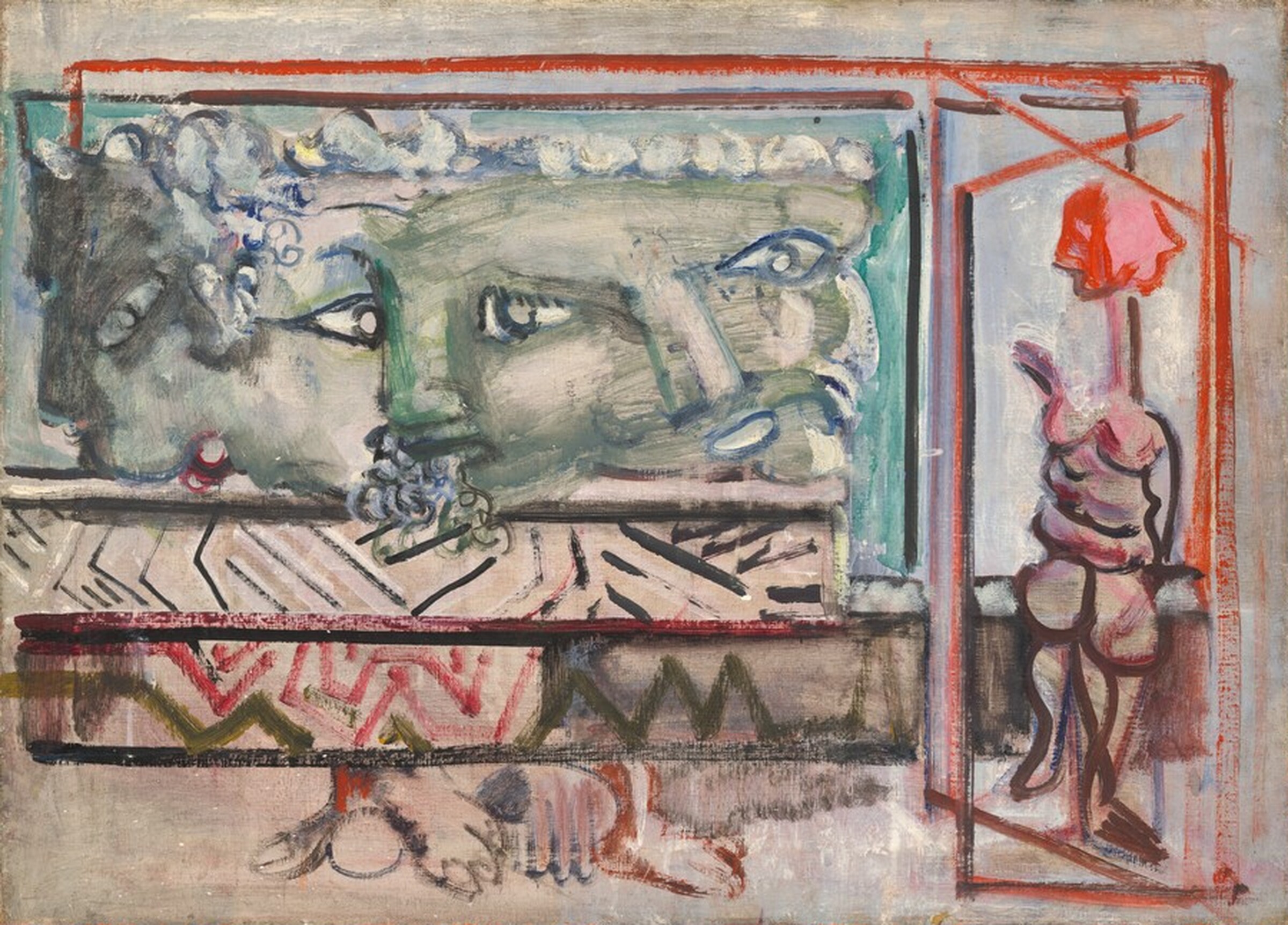
Underground Fantasy
お目にかかれますか?
はい、お客様をお迎えしています

ナショナル・ギャラリー
展示室展示室 106C · 東館, 1階ワシントンD.C., アメリカ合衆国
一般公開されています。裏付けとなる出典は下に記しています。
- 確認
- 3 日前
- この状態になった日
- 2026年8月19日
- 出典
- 美術館自身の所蔵データ
作品データ
- 収蔵番号
- 1986.43.130
What it shows
カタログ収録
出典
- ナショナル・ギャラリー: the museum's own open data · 3 日前に取得
- 画像: ナショナル・ギャラリー — © the artist or rights holder
その頃、Mark Rothkoの人生では
生涯をすべて見る1929–1952
Teaching children at the Brooklyn Jewish Center
From 1929 Rothko taught drawing, painting and clay sculpture part-time to schoolchildren at the Center Academy of the Brooklyn Jewish Center, where he remained until 1952.
1938
The Mercury Gallery show: a protest against the Whitney
In 1938 the group held a show at the Mercury Gallery in New York as a protest against the Whitney Museum, which it regarded as having a provincial, regionalist agenda. In these years Rothko, like Avery, Gorky, Pollock and de Kooning, found work with the Works Progress Administration.
21 February 1938
Becomes a US citizen
On 21 February 1938 Rothko received American citizenship, relieved: he had feared that the growing influence of the Nazis in Europe might lead to the sudden deportation of Jews without citizenship.
1940
Shortens his name to Mark Rothko
Concerned about rising antisemitism in Europe and America, Rothko shortened “Markus Rothkowitz” to “Mark Rothko” in 1940; “Roth” still sounded identifiably Jewish, so he settled on “Rothko”. All his works have been signed with that name since.
1940
A pause in painting for the study of myth
In 1940, it is said, Rothko stopped painting altogether to immerse himself in James Frazer’s The Golden Bough and Freud’s The Interpretation of Dreams; he later said his approach had been “reformed” by the study of the dramatic themes of myth.
1942
The Rothko–Gottlieb manifesto after the Macy’s show
New paintings were shown at a 1942 exhibition at Macy’s department store; answering a negative review in The New York Times, Rothko and Gottlieb issued a manifesto written mainly by Rothko, declaring themselves for the simple expression of the complex thought, for the large shape and for flat forms that destroy illusion and reveal truth.



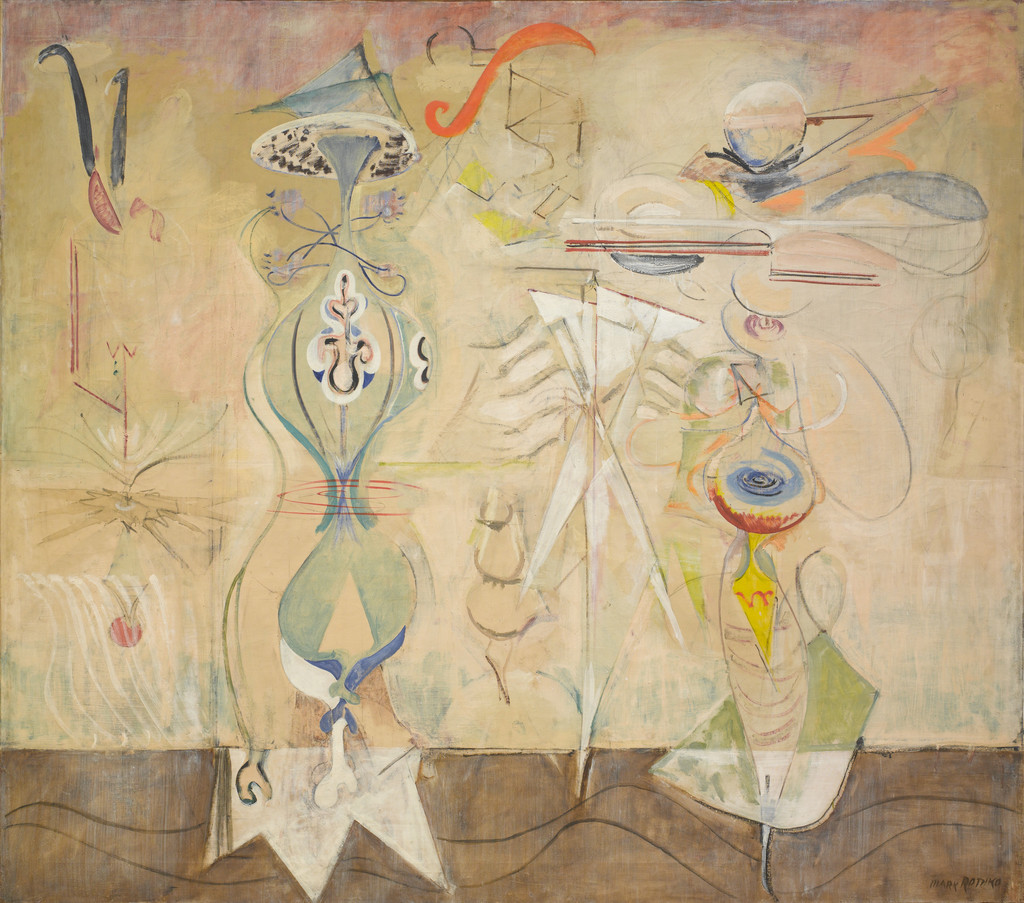


![Scenes from the Passion of Christ: The Descent into Limbo [right panel], Andrea Vanni, 1380s](https://api.nga.gov/iiif/4205a539-eadd-4486-89a7-3cff9c1ba428/full/!2400,2400/0/default.jpg)


