 William ChambersSchotland, 1723–1796
Drawing
Mag men het zien?
Ontvangt momenteel niet

Victoria and Albert Museum
Londen, Verenigd Koninkrijk
Het hoort bij de collectie, maar is momenteel niet tentoongesteld.
- Gecontroleerd
- 7 dagen geleden
- Ongewijzigd sinds
- 25 sep 2026
- Bron
- De eigen collectiegegevens van het museum
Over het werk
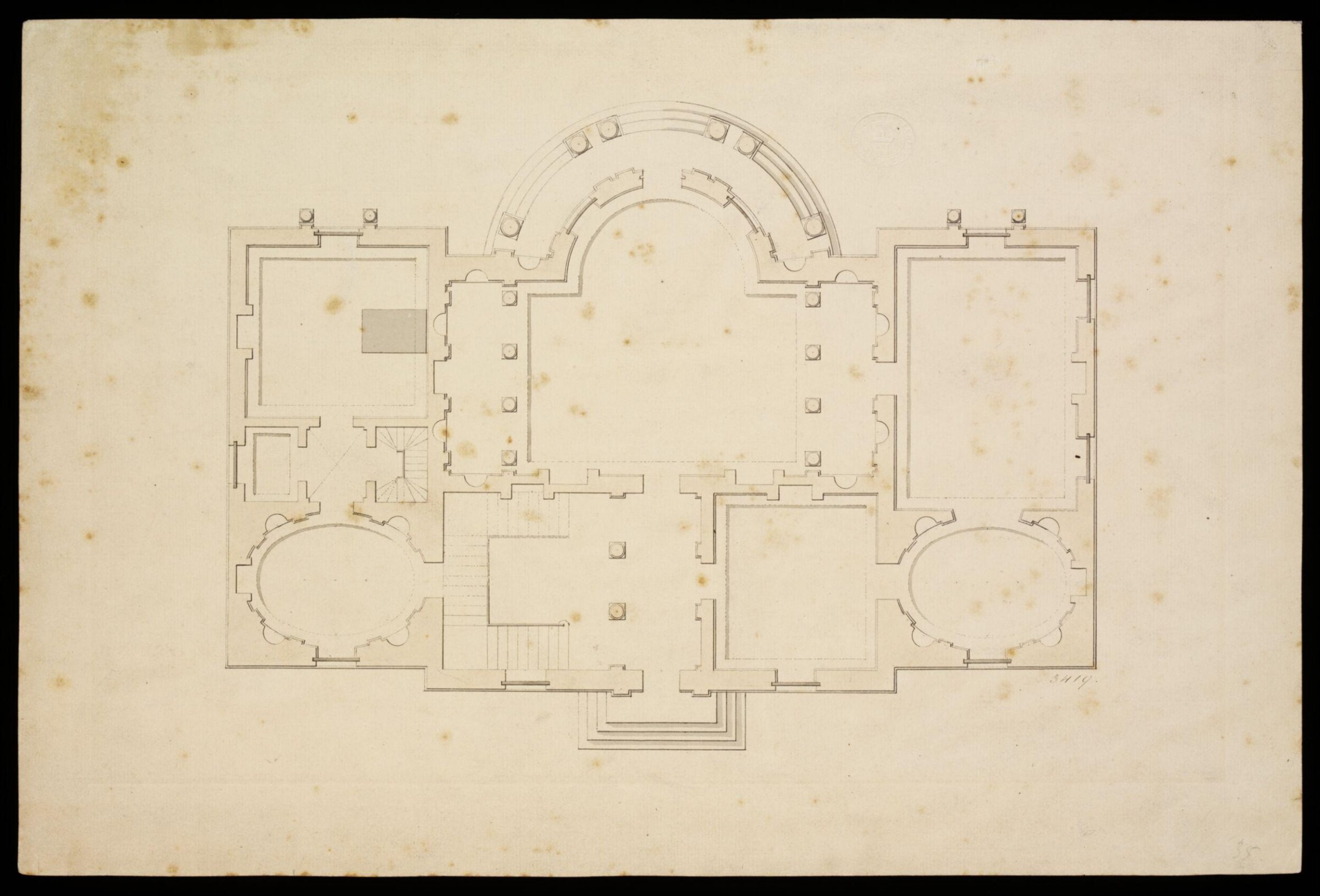
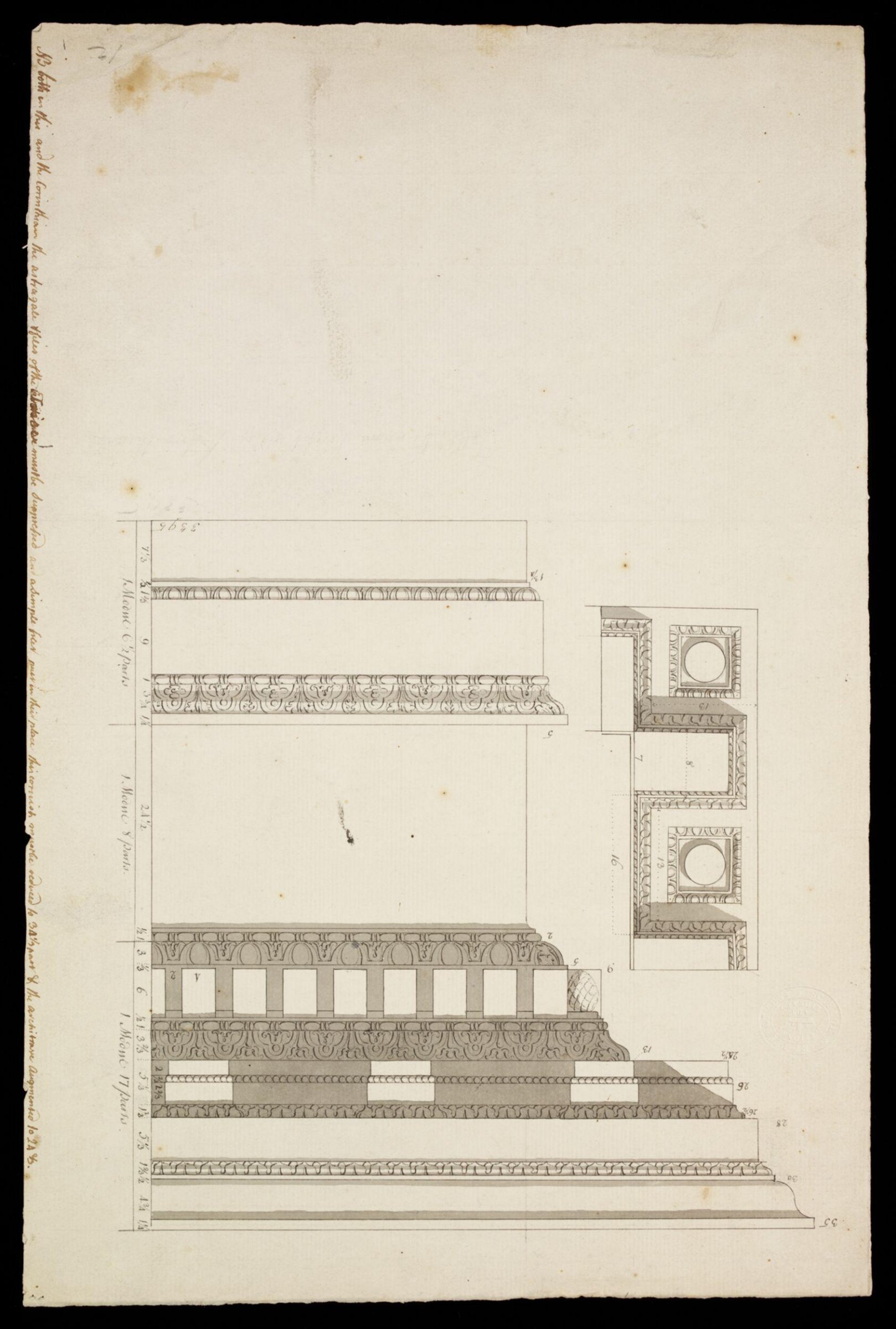
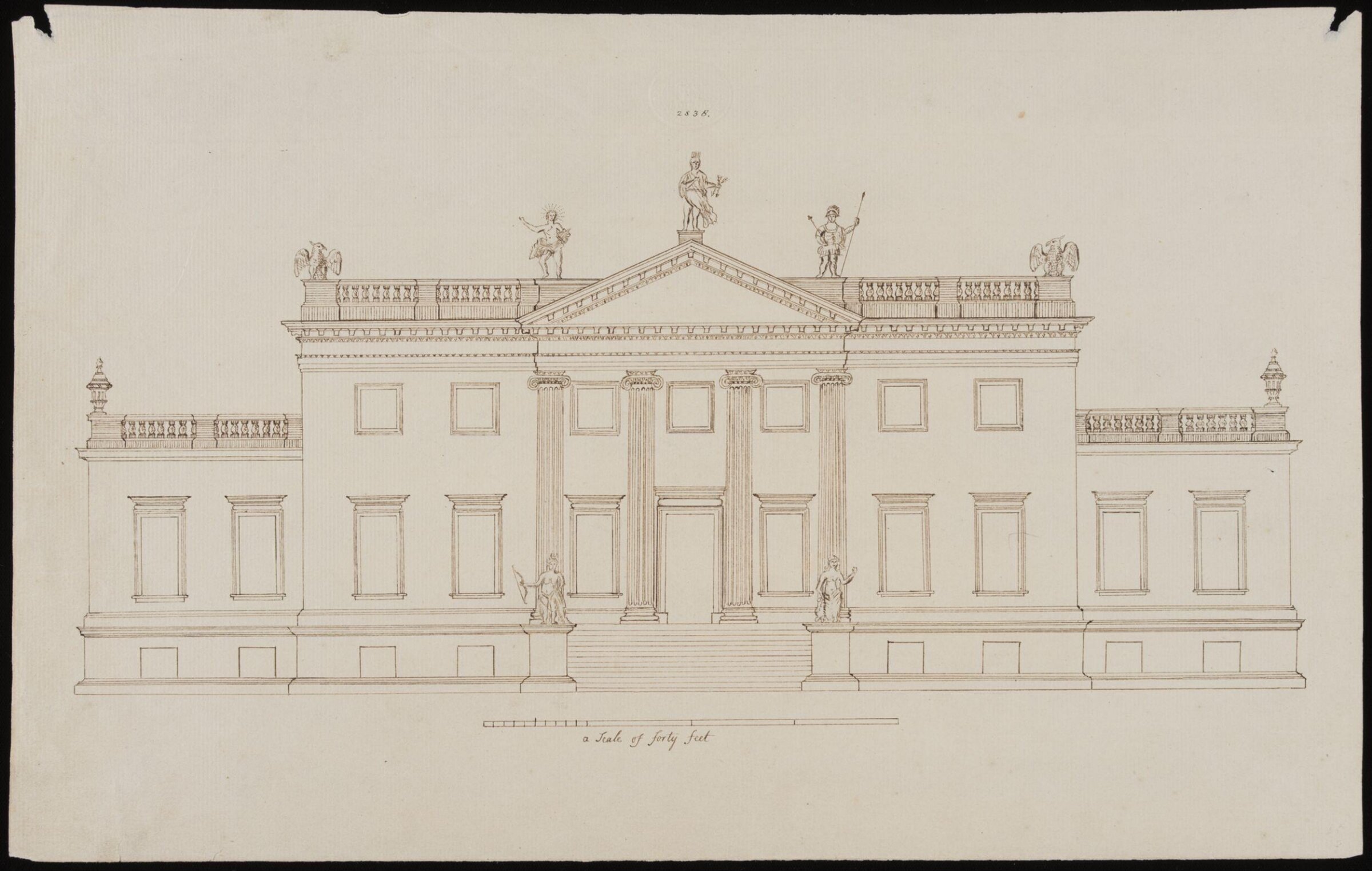
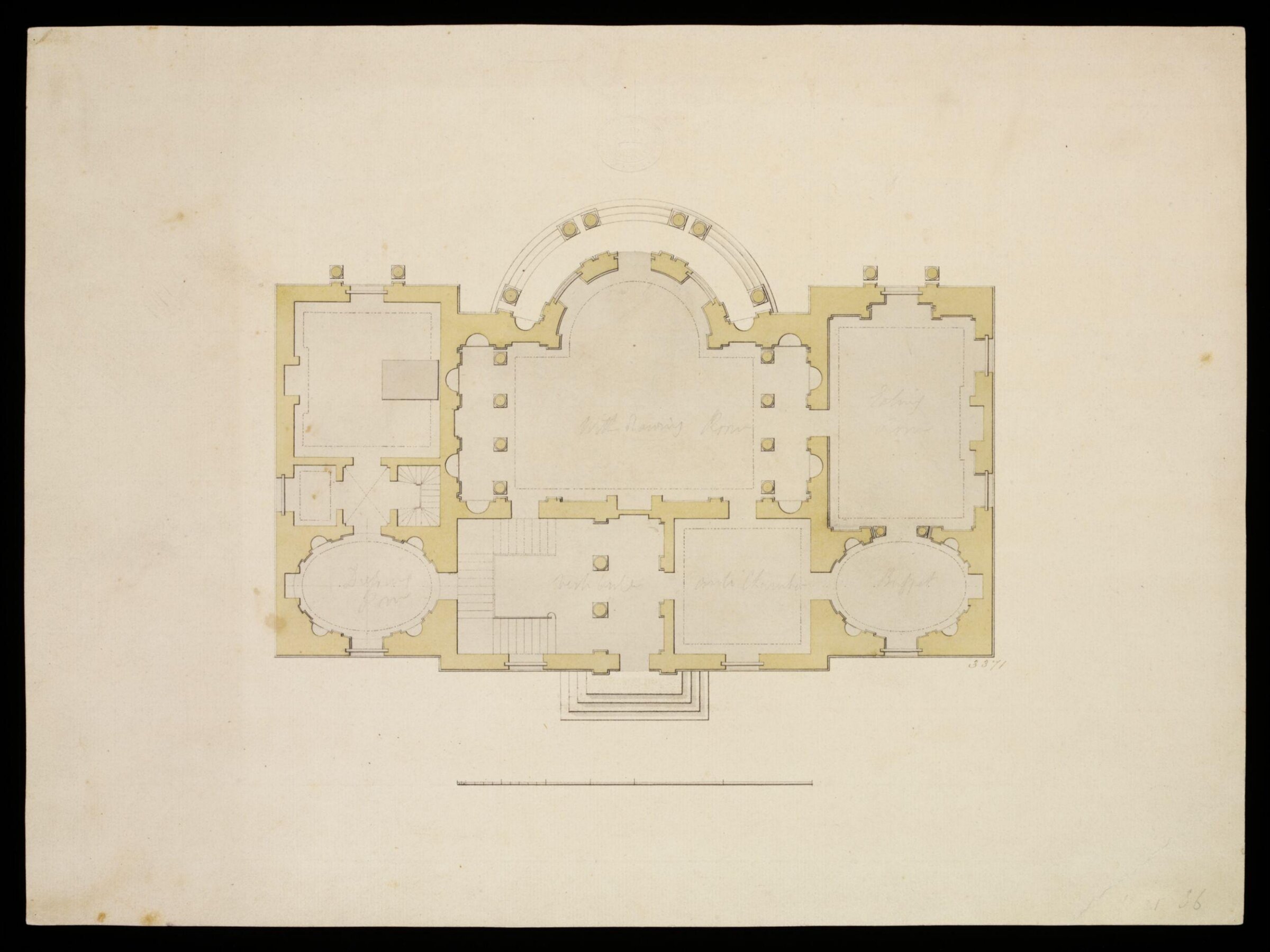
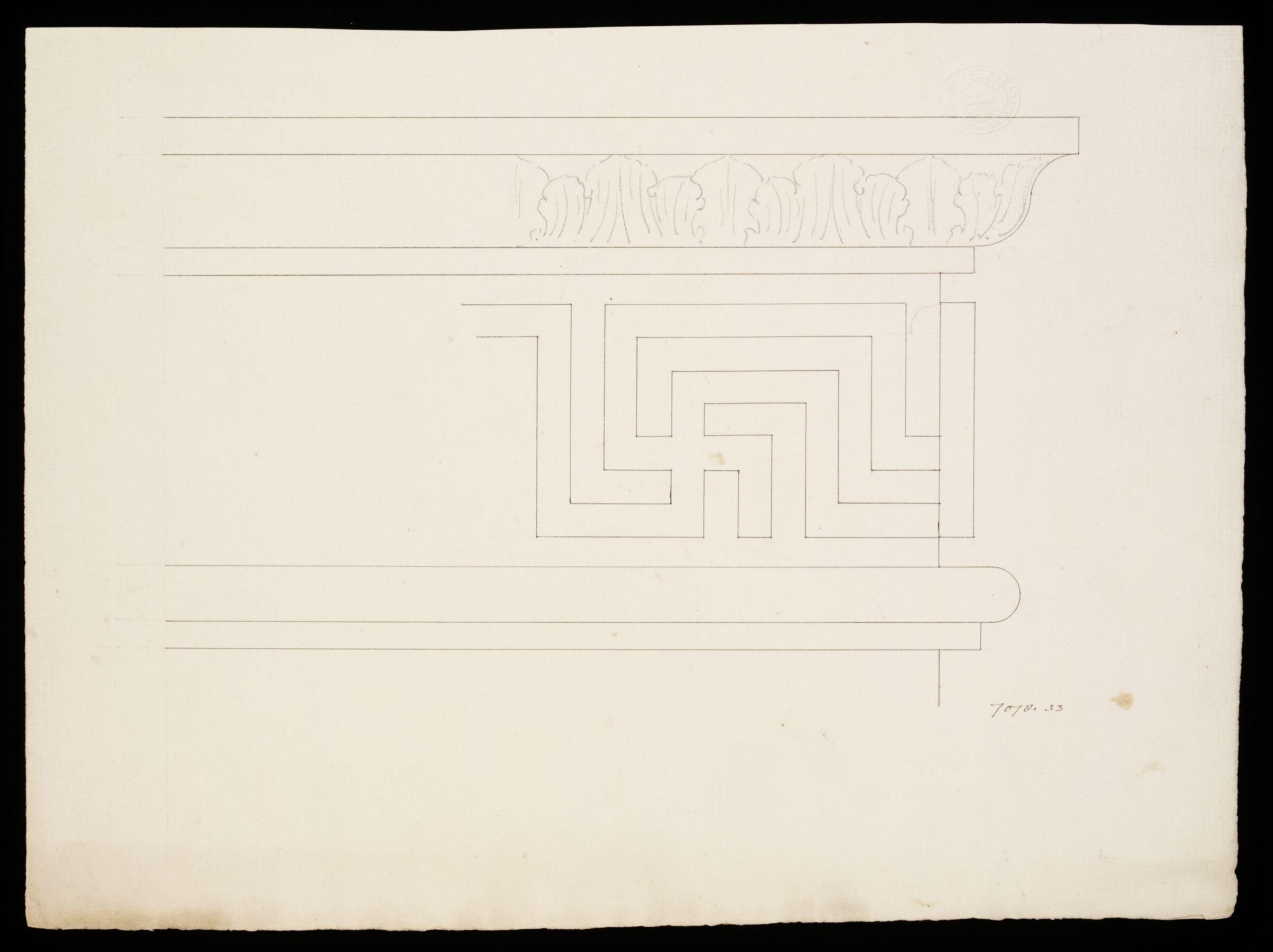
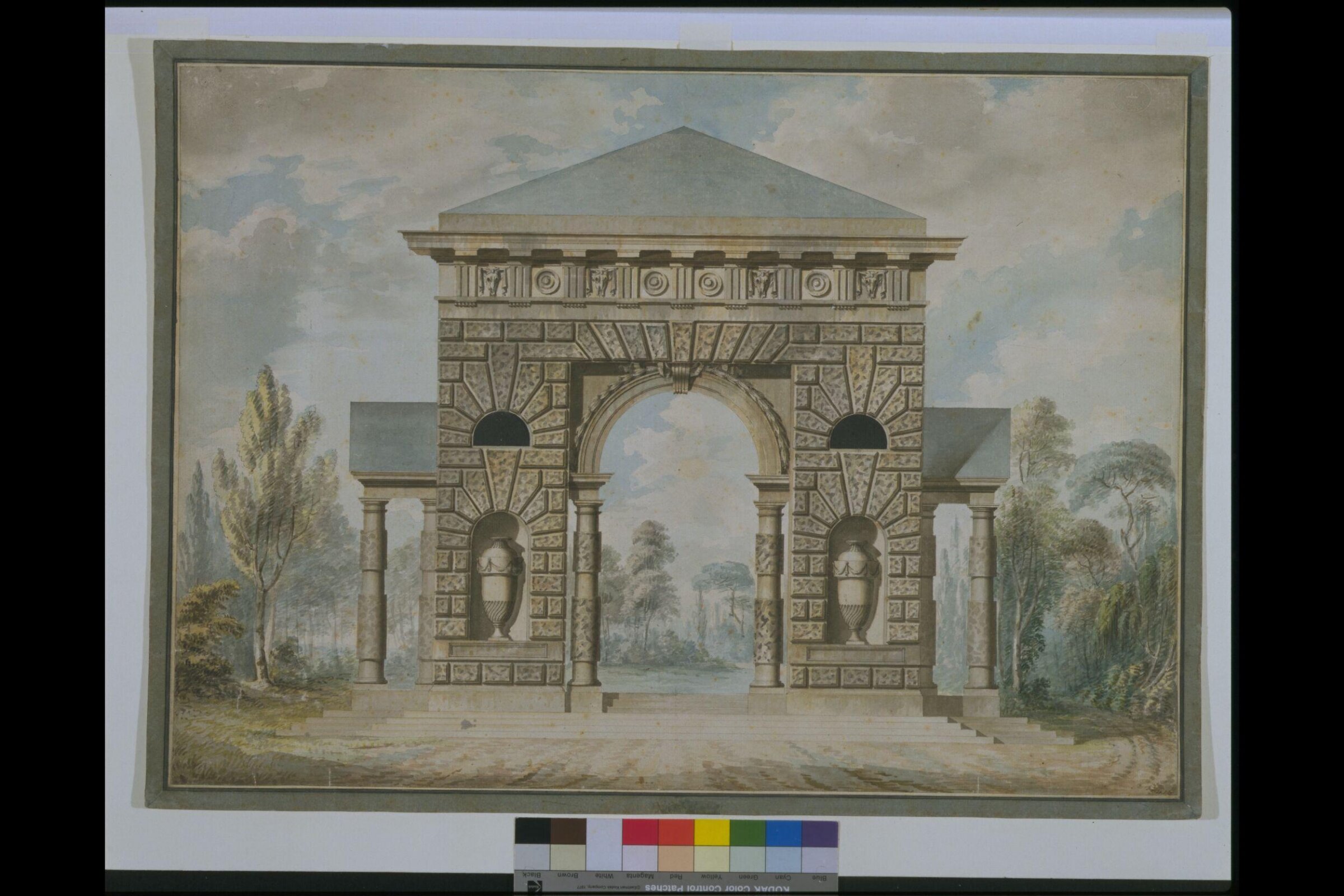
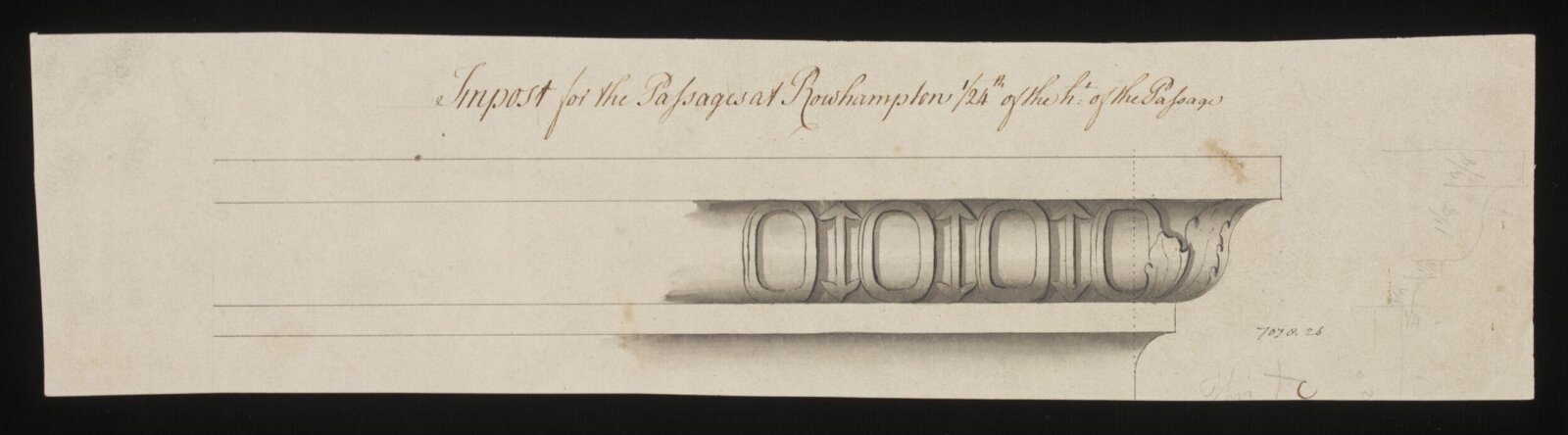
Section and elevation of the imposts of the passages at Manresa House, Roehampton, Wandsworth by leading architect and designer Sir William Chambers (1723-1796). It was built between 1760 and 1768 or 1769, primarily to hold the Earl of Bessborough’s collection of antique sculpture. It was placed to give the appearance of an antique temple standing in a grove of trees, especially when viewed from Richmond Park, which bordered the site. The decoration of the imposts below arches in the passages, is a simple pattern of egg and dart with acanthus at the corners.
Read on
Chambers was born in Sweden and died in London. He travelled widely, visiting China, and studied architecture at the Ecole des Arts, Paris, from 1749 and in Italy from 1750 to 1755. Many of his drawings from this period are contained in his important 'Franco-Italian' album, held in the V&A. Chambers moved to London in 1755 and published his influential Treatise on Civil Architecture in 1759. Chambers demonstrated the breadth of his style in buildings such as Gower (later Carrington) House and Melbourne House, London, in such country houses as Duddingston, Scotland, and in the garden architecture he designed for Wilton House, Wiltshire, and at Kew Gardens. He became head of government building in 1782, and in this capacity built Somerset House, London.
Victoria and Albert Museum
Gegevens
- Inventarisnummer
- 7078:26
What it shows
In de catalogus
Bronnen
- Victoria and Albert Museum: the museum's own open data · opgehaald 7 dagen geleden
- Afbeelding: Victoria and Albert Museum — © Victoria and Albert Museum, London