
 Henry MooreEngeland, 1898–1986
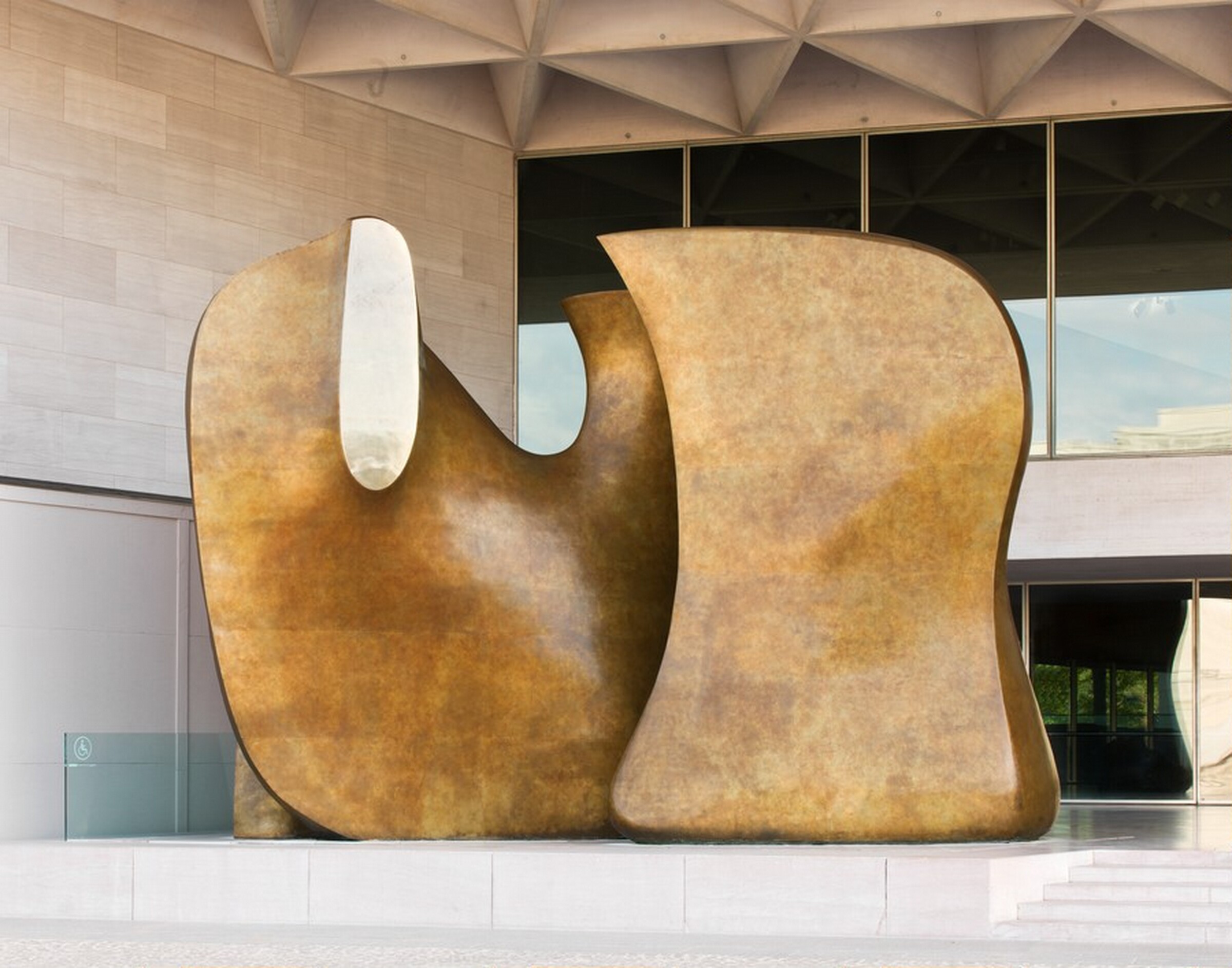
Table, Round Top
Mag men het zien?
Ontvangt momenteel niet

National Gallery of Art
Washington D.C., Verenigde Staten
Het hoort bij de collectie, maar is momenteel niet tentoongesteld.
- Gecontroleerd
- 3 dagen geleden
- Ongewijzigd sinds
- 19 aug 2026
- Bron
- De eigen collectiegegevens van het museum
Gegevens
- Inventarisnummer
- 1943.8.5572
In de catalogus
Bronnen
- National Gallery of Art: the museum's own open data · opgehaald 3 dagen geleden
- Afbeelding: National Gallery of Art — Museum open access
Intussen, in het leven van Henry Moore
Het hele leven1929–1940
A studio in Hampstead, “a nest of gentle artists”
Soon after the wedding the couple moved to a studio at 11a Parkhill Road in Hampstead, joining a colony of avant-garde artists: Hepworth and her husband Ben Nicholson lived around the corner, along with Naum Gabo, Roland Penrose, Cecil Stephenson and the critic Herbert Read, who called the area “a nest of gentle artists”.
1930s
Paris: Picasso, Braque, Arp, Giacometti
Moore, Hepworth and other members of the Seven and Five Society moved steadily towards abstraction, partly through frequent trips to Paris and contact with Picasso, Braque, Jean Arp and Alberto Giacometti.
1934
Spain: the cave of Altamira
In 1934 Moore visited Spain, seeing the cave of Altamira, which he called the “Royal Academy of Cave Painting”, as well as Madrid, Toledo and Pamplona.
1936
The London International Surrealist Exhibition
In 1936 Moore joined the group of surrealist artists founded by Roland Penrose and served as honorary treasurer of the organising committee of the London International Surrealist Exhibition.
1937–1939
The row over “Mother and Child” in Penrose’s garden
In 1937 Roland Penrose bought an abstract stone Mother and Child from Moore and put it in the front garden of his Hampstead house. Neighbours objected and the local press campaigned against it for two years; at this time Moore was gradually moving from direct carving to bronze casting.
1938
Meeting Kenneth Clark
Moore met Kenneth Clark for the first time; Clark became an unlikely but influential champion of his work and, through his place on the Arts Council of Great Britain, secured exhibitions and commissions for him.




![Scenes from the Passion of Christ: The Descent into Limbo [right panel], Andrea Vanni, 1380s](https://api.nga.gov/iiif/4205a539-eadd-4486-89a7-3cff9c1ba428/full/!2400,2400/0/default.jpg)


