David MorrisonVerenigde Staten
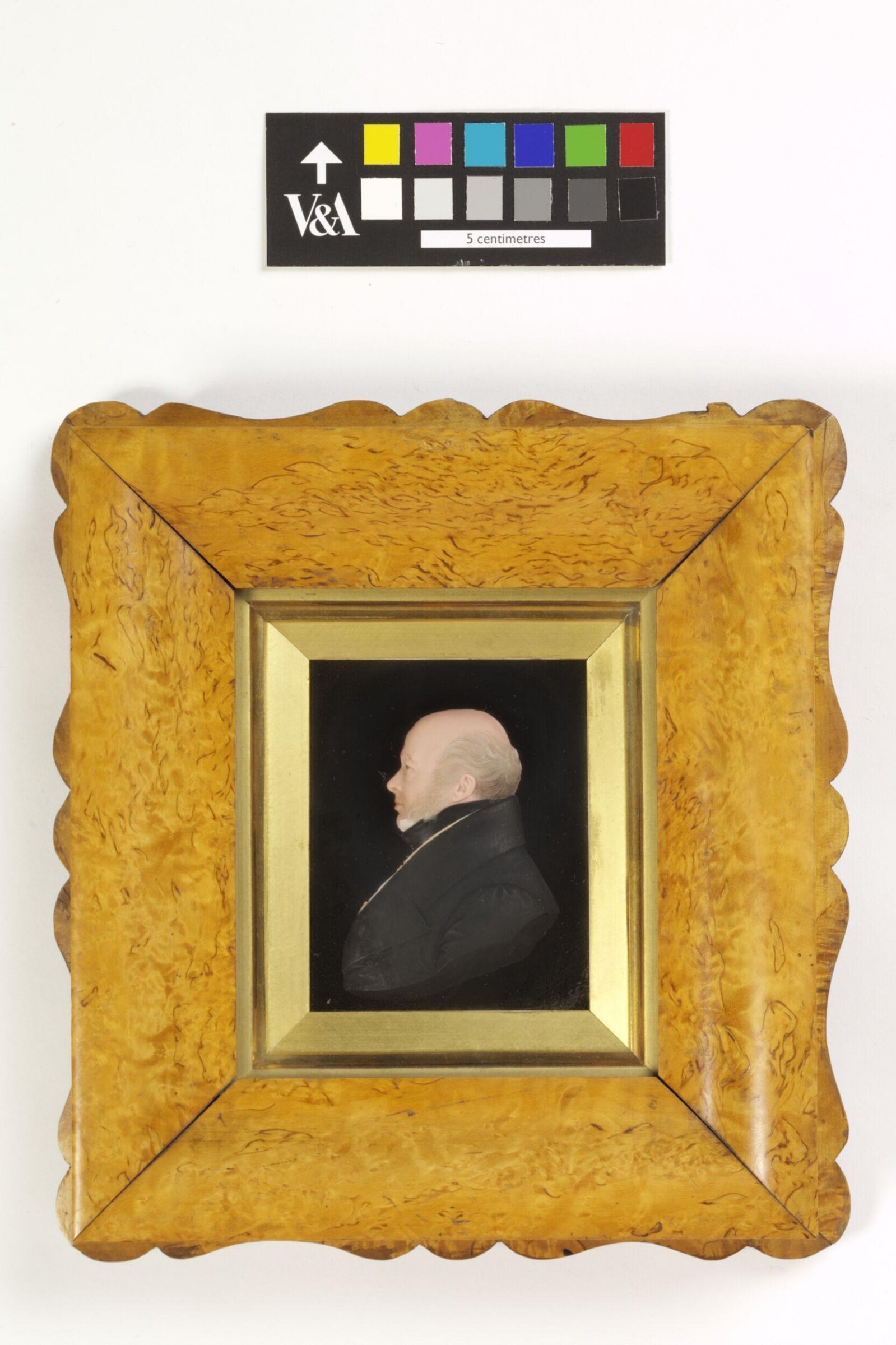
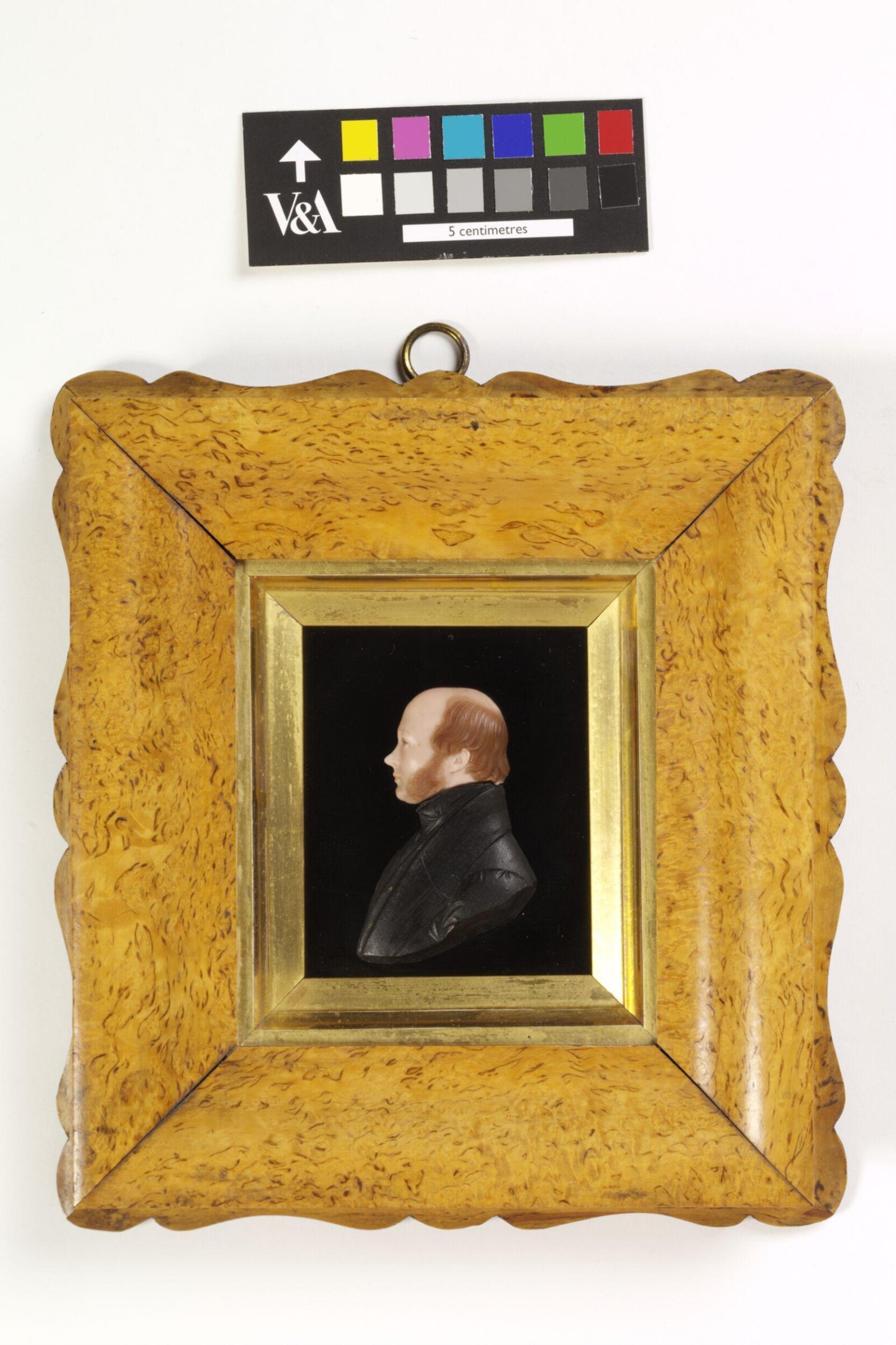
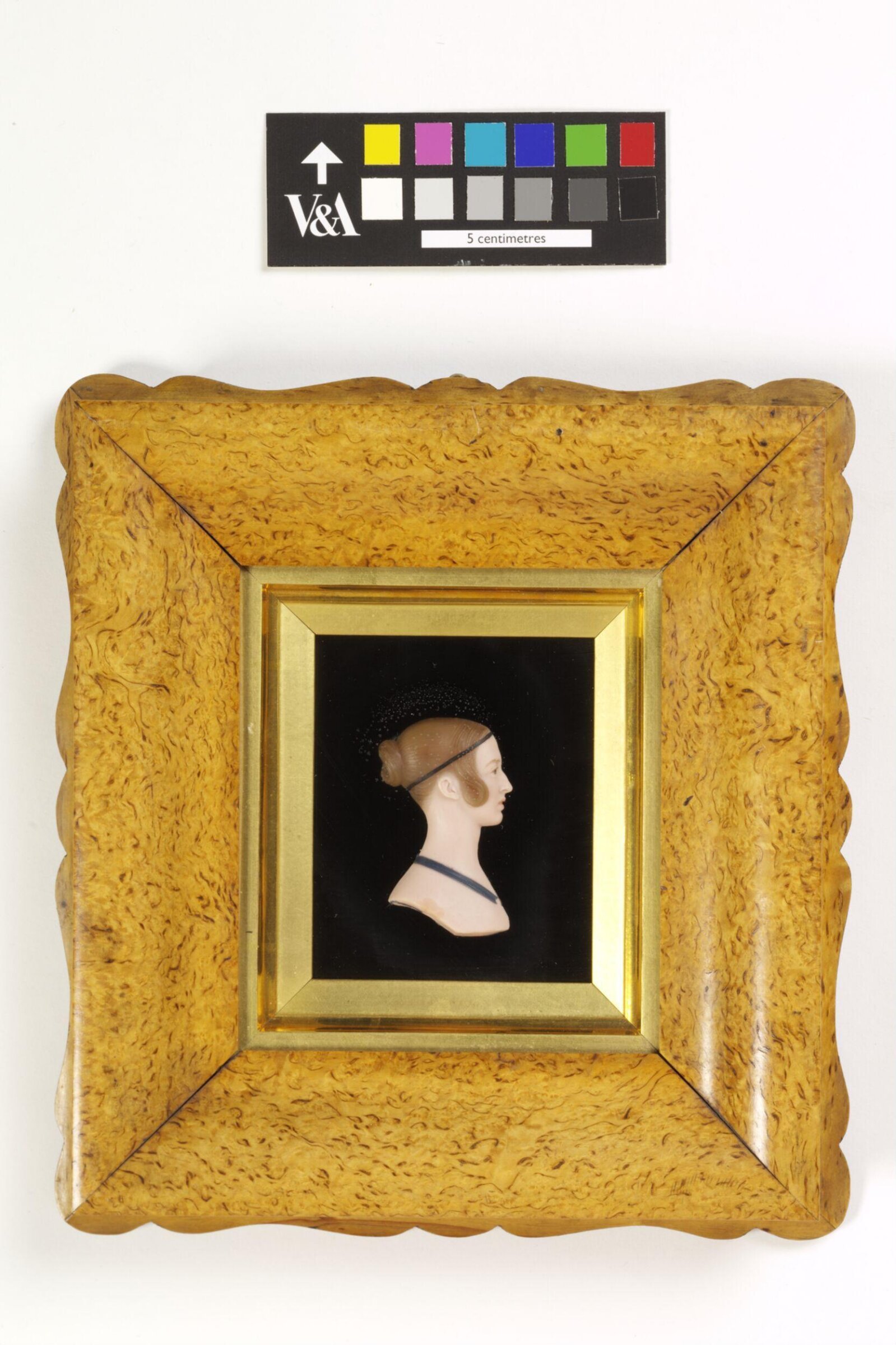
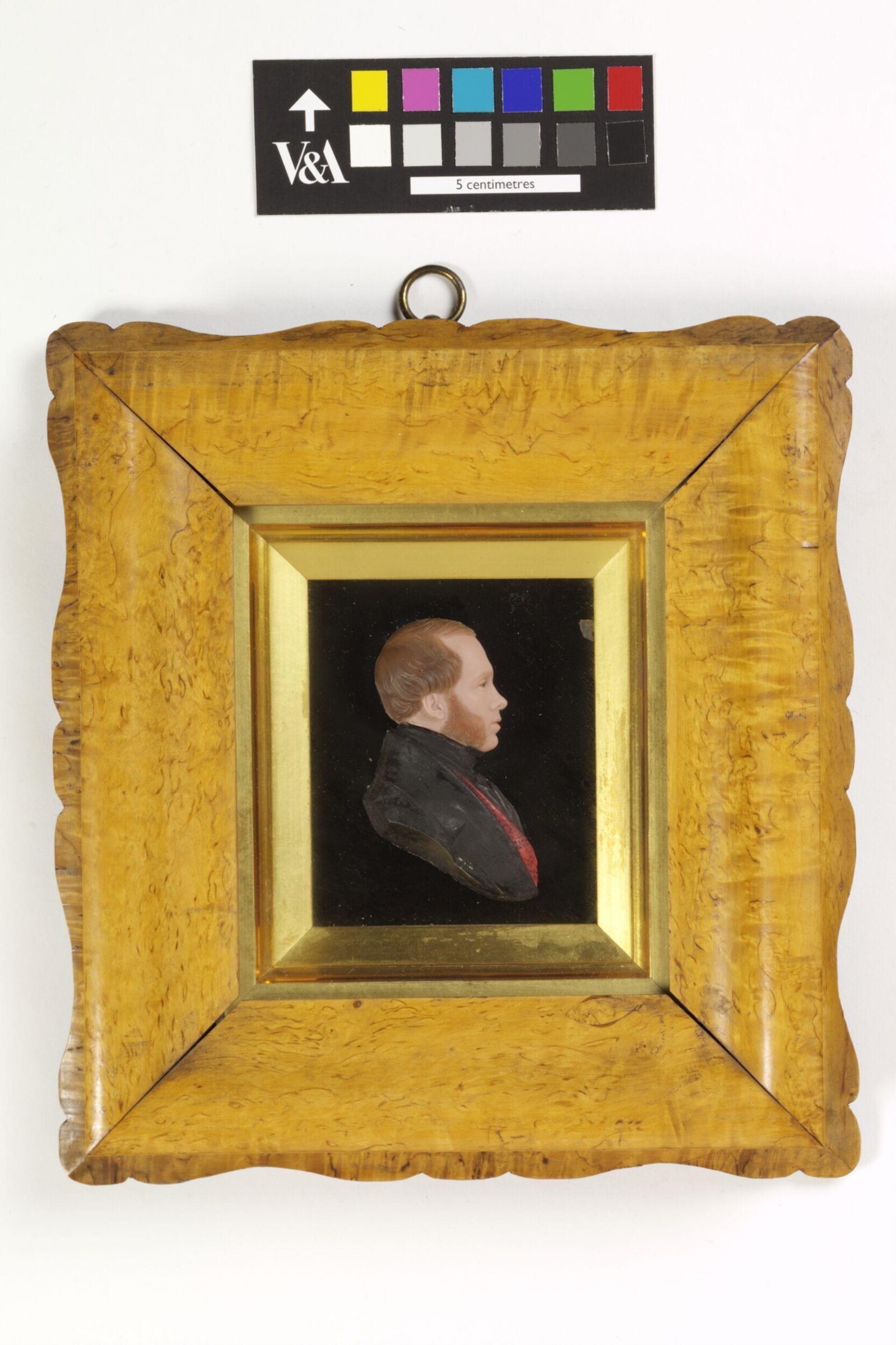
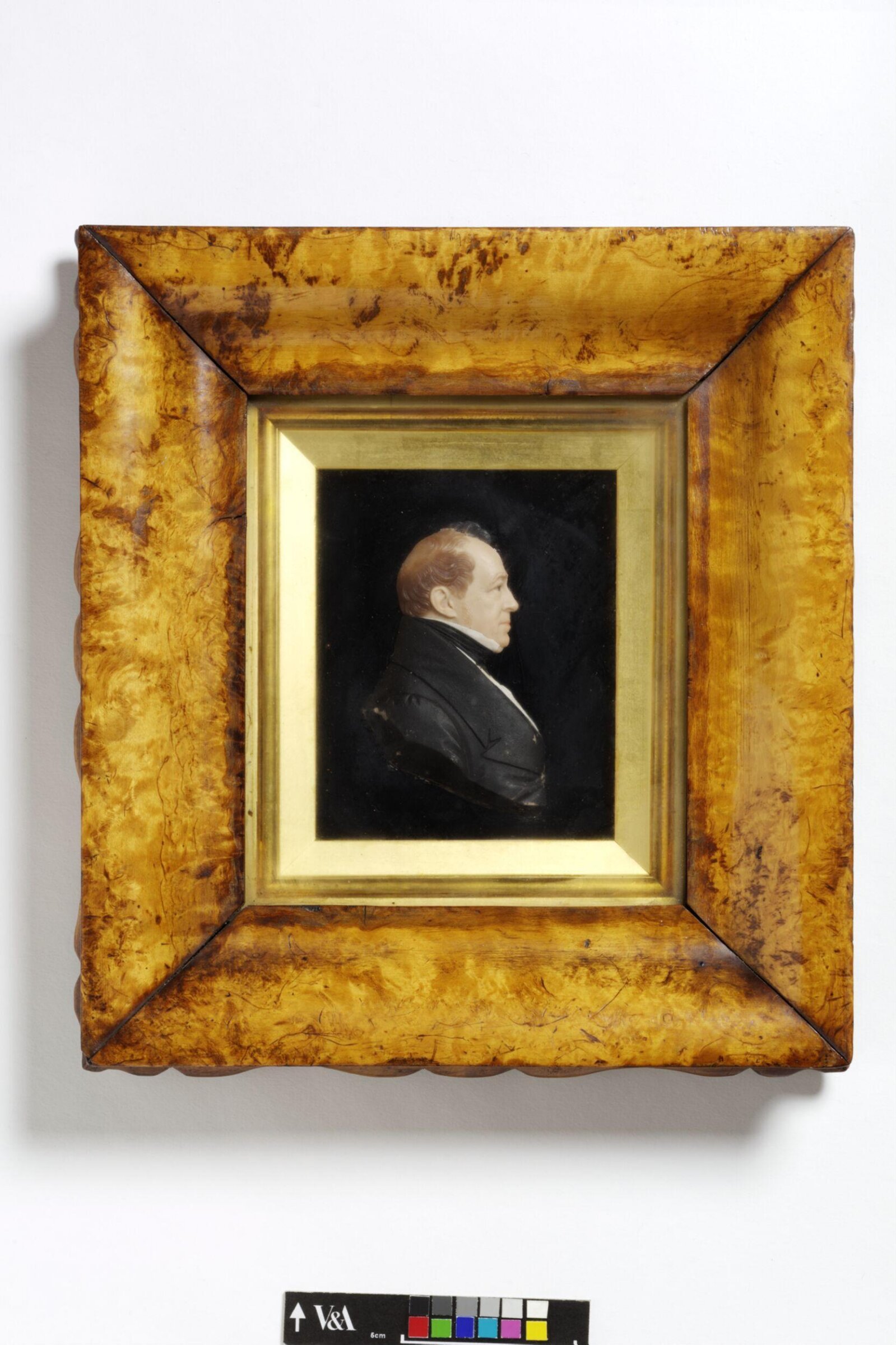
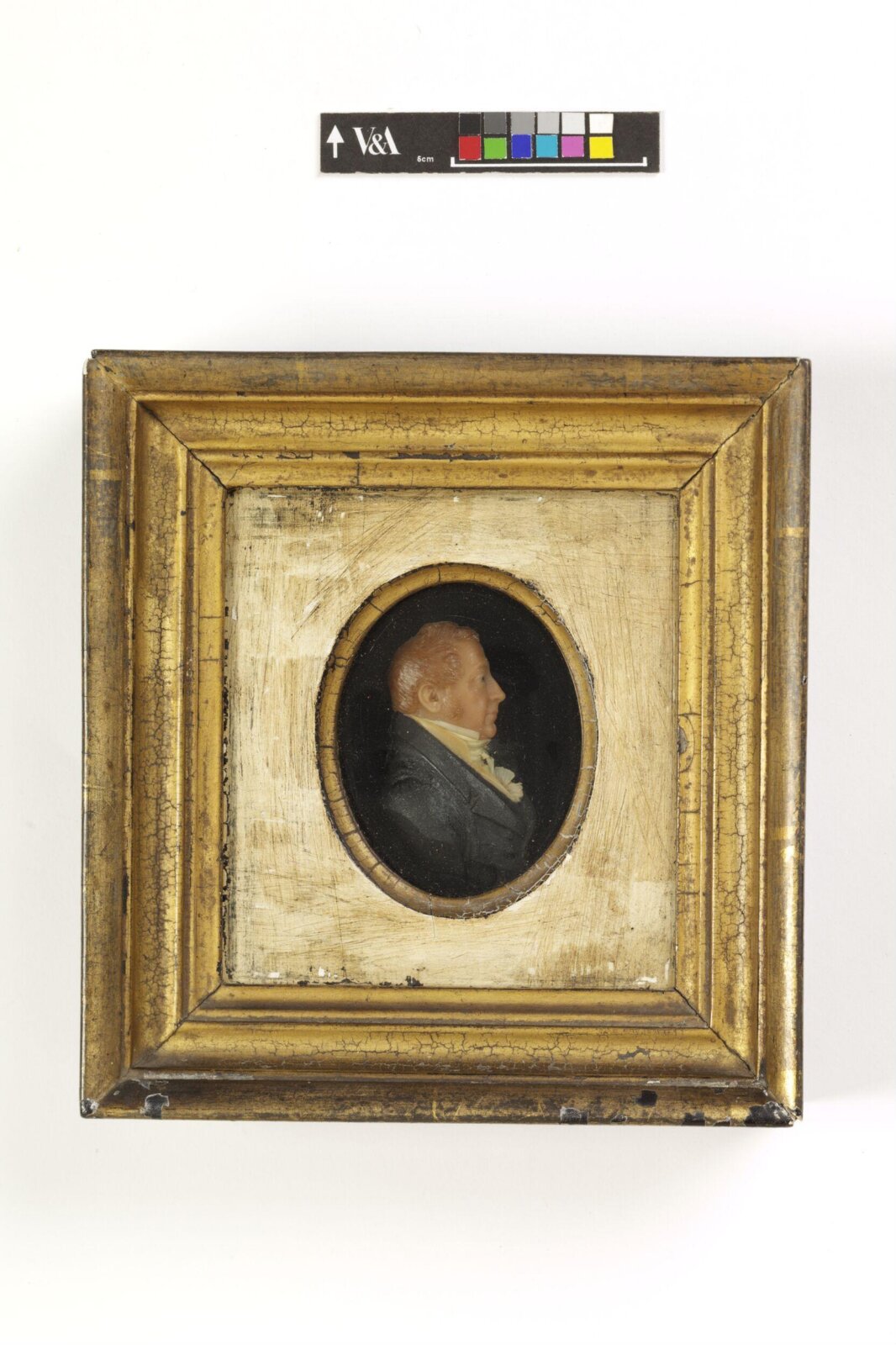
Unknown Man
Mag men het zien?
Ontvangt momenteel niet

Victoria and Albert Museum
Londen, Verenigd Koninkrijk
Het hoort bij de collectie, maar is momenteel niet tentoongesteld.
- Gecontroleerd
- 7 dagen geleden
- Ongewijzigd sinds
- 25 sep 2026
- Bron
- De eigen collectiegegevens van het museum
About the sculpture
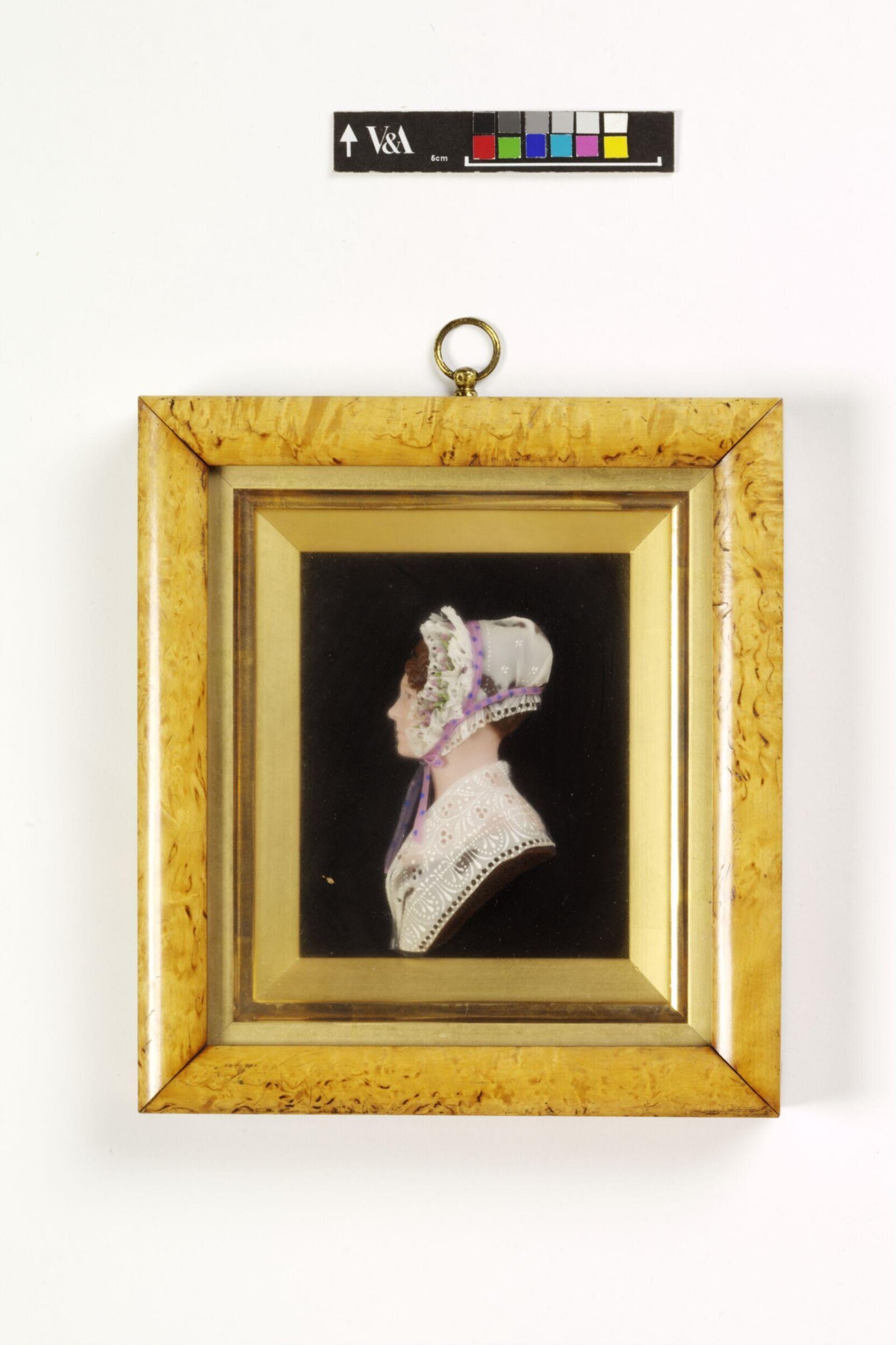
During the eighteenth and nineteenth centuries, low relief portraits in wax became popular in Britain and they were often exhibited at the Royal Academy, the Society of Artists and elsewhere. Waxes were used in a similar way to prints and medals, in order to disseminate the image of the sitter, or, like miniature paintings or silhouettes as portable mementoes.
Low relief polychrome wax portraits were produced using the same basic principles as monochrome ones: modelling in soft wax, taking a plaster mould and then casting. However when the initial mould was finished it was cut into separate sections and each part cast in the prevailing colour. The pieces were then joined together on their backing using molten wax and the surface finishing completed in a similar way. On the surface additional sheets of sculpted wax and chasing has been used to add further detail.
Read on
The sitter has not been identified however the relief is thought to be the work of David Morrison who was appointed 'miniature modeller' to the Duke and Duchess of Gloucester, the Duchess of Cambridge and Princess Augusta in 1826.
Victoria and Albert Museum
Gegevens
- Inventarisnummer
- A.107-1965
What it shows
In de catalogus
Bronnen
- Victoria and Albert Museum: the museum's own open data · opgehaald 7 dagen geleden
- Afbeelding: Victoria and Albert Museum — © Victoria and Albert Museum, London