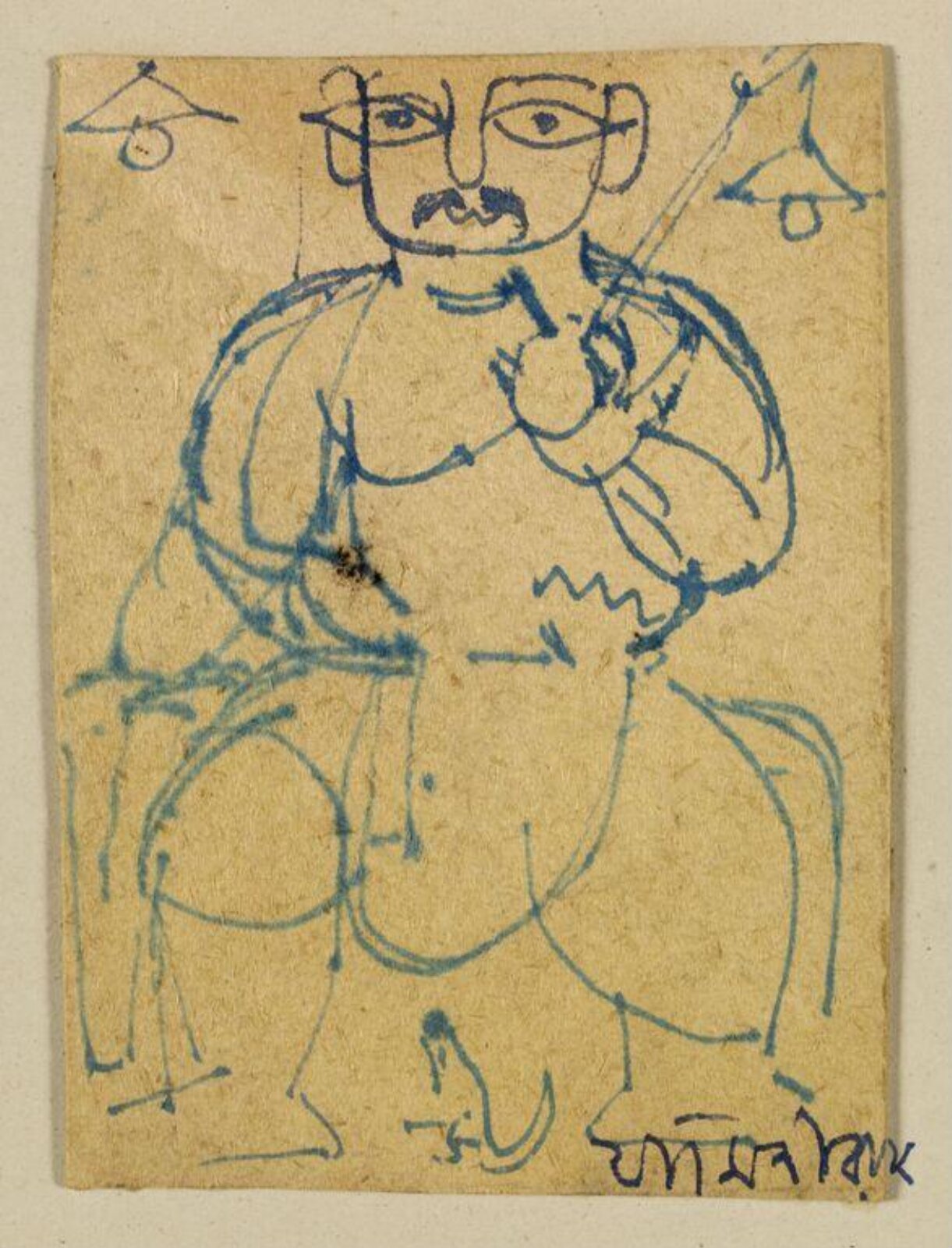
 Roy JaminiÍndia, 1887–1972
Drawing
Será possível contemplá-la?
De momento, não recebe

Museu Vitória e Alberto
Londres, Reino Unido
Pertence à coleção, mas de momento não está exposta.
- Verificado
- há 7 dias
- Neste estado desde
- 25 de set. de 2026
- Fonte
- Os dados da própria coleção do museu
Sobre a obra
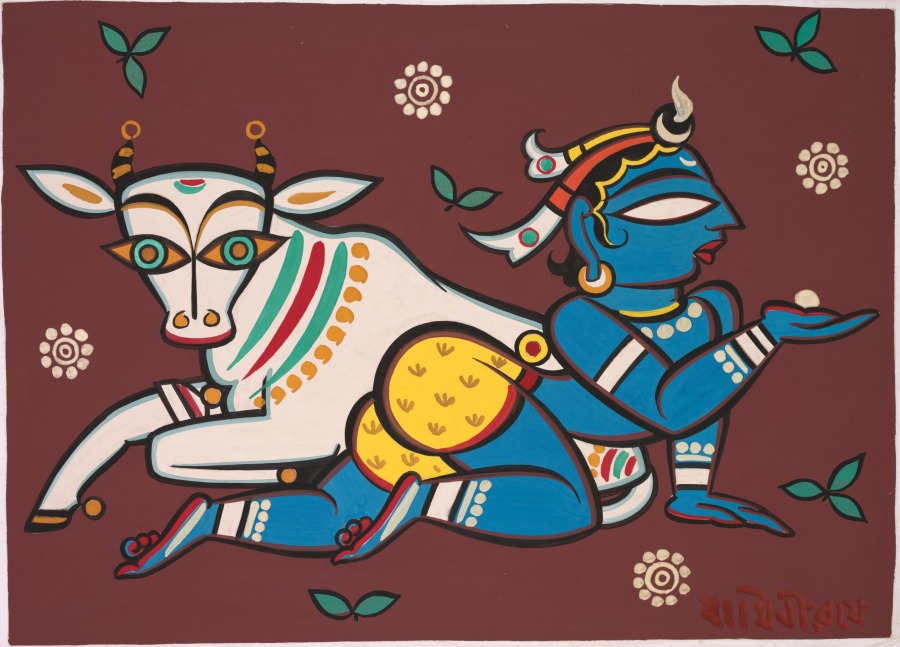
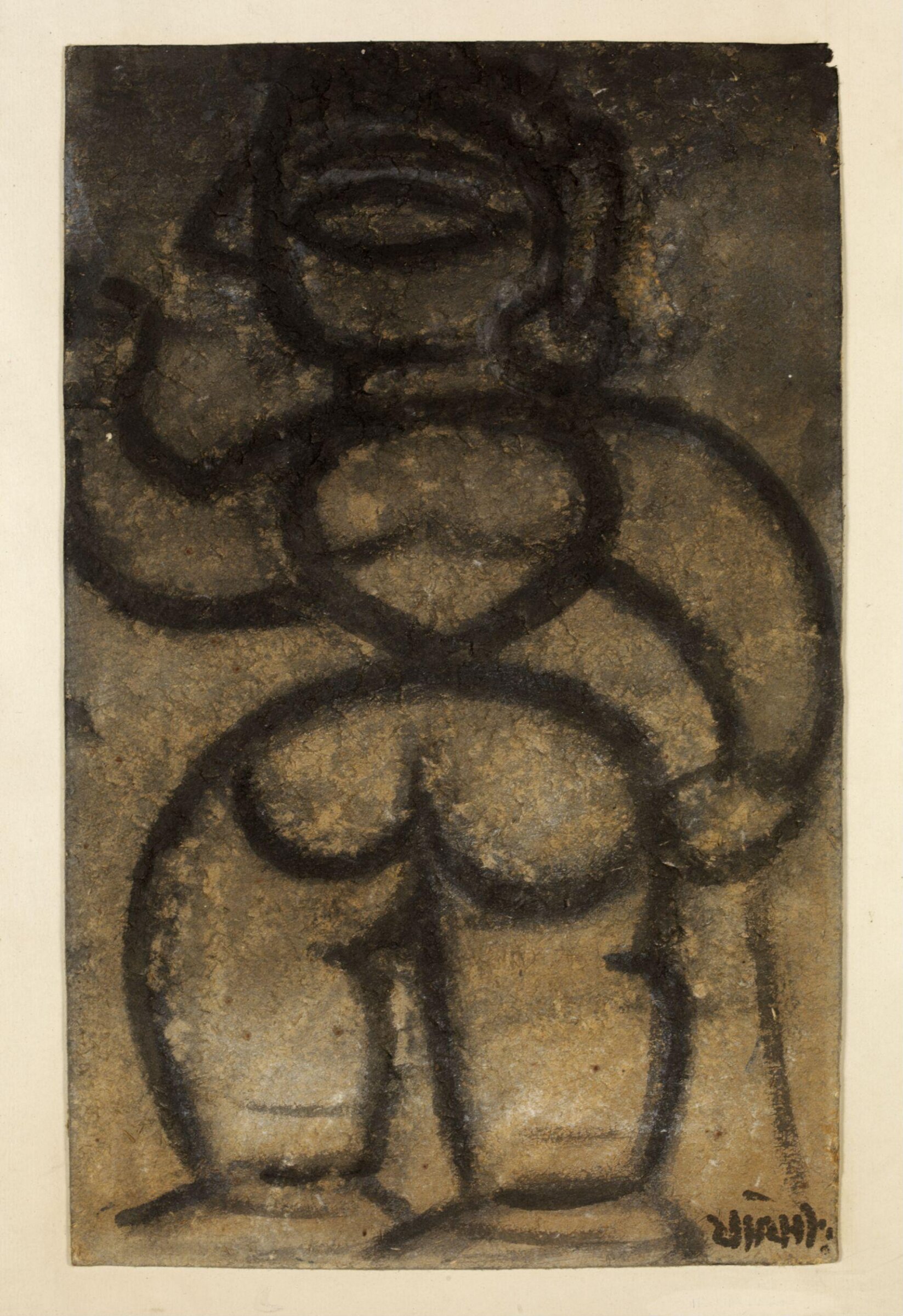
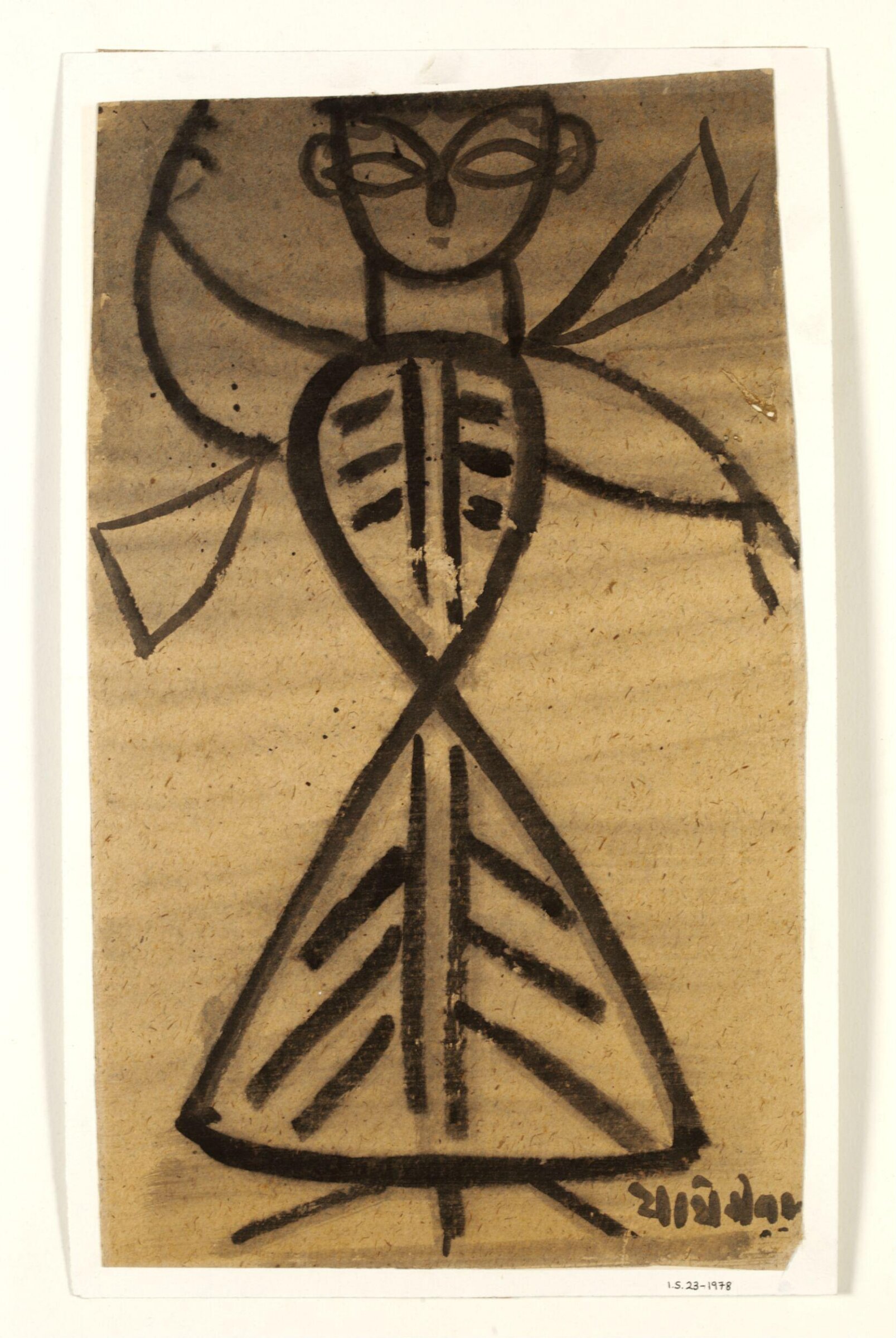
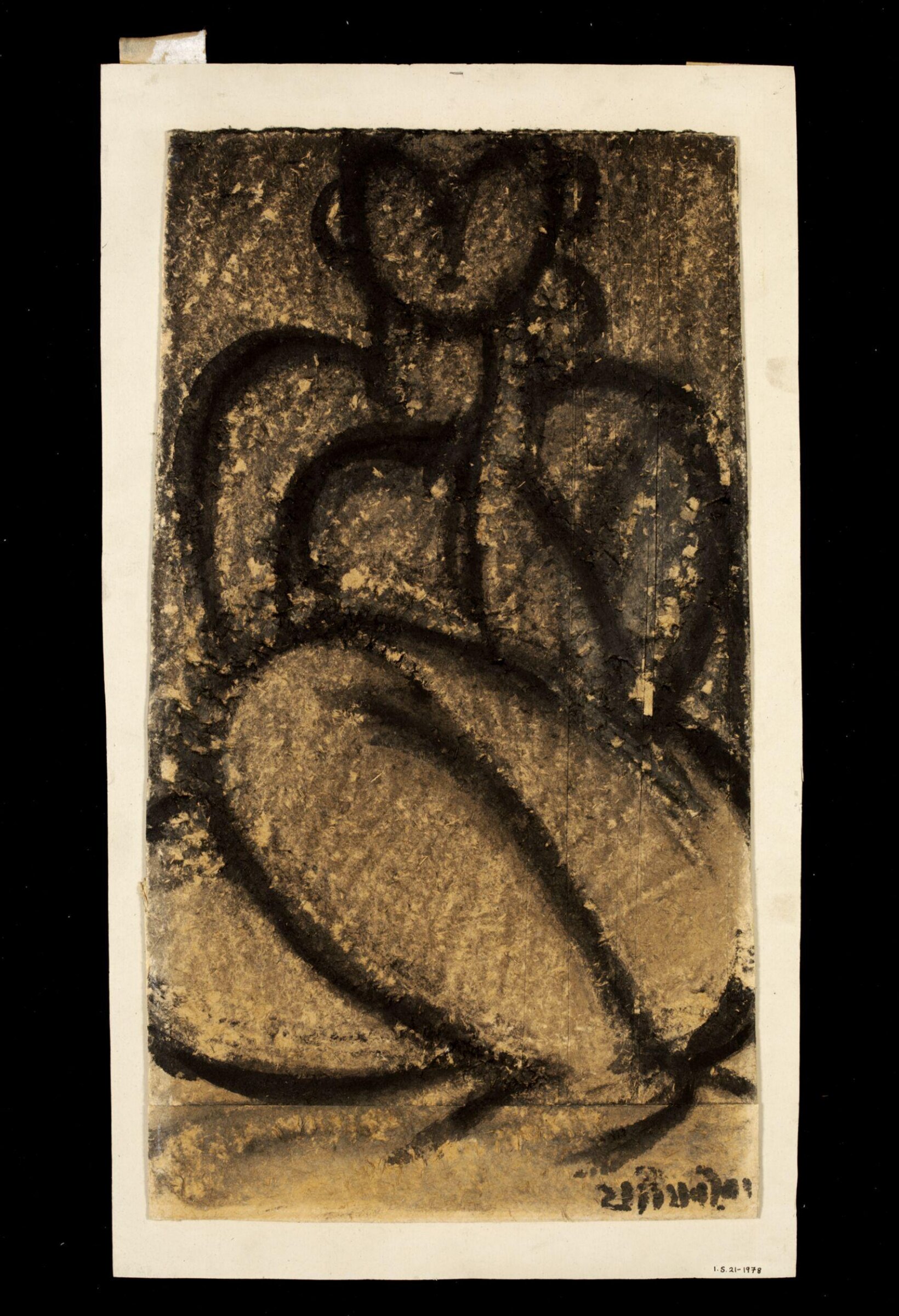
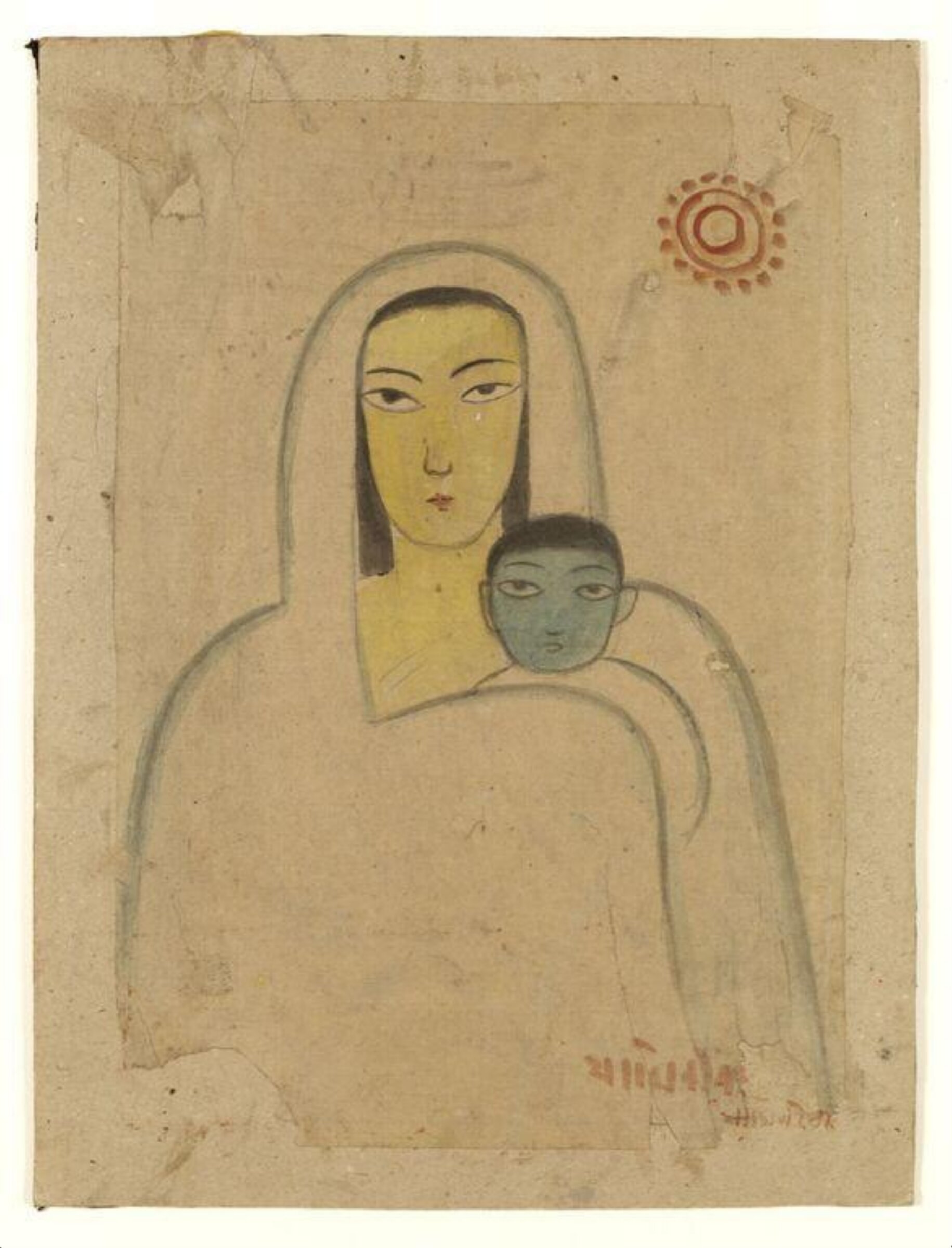
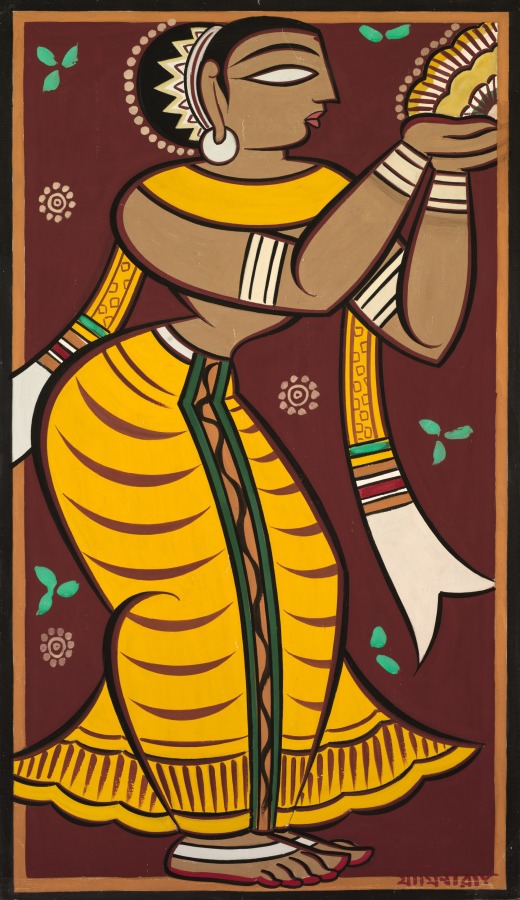
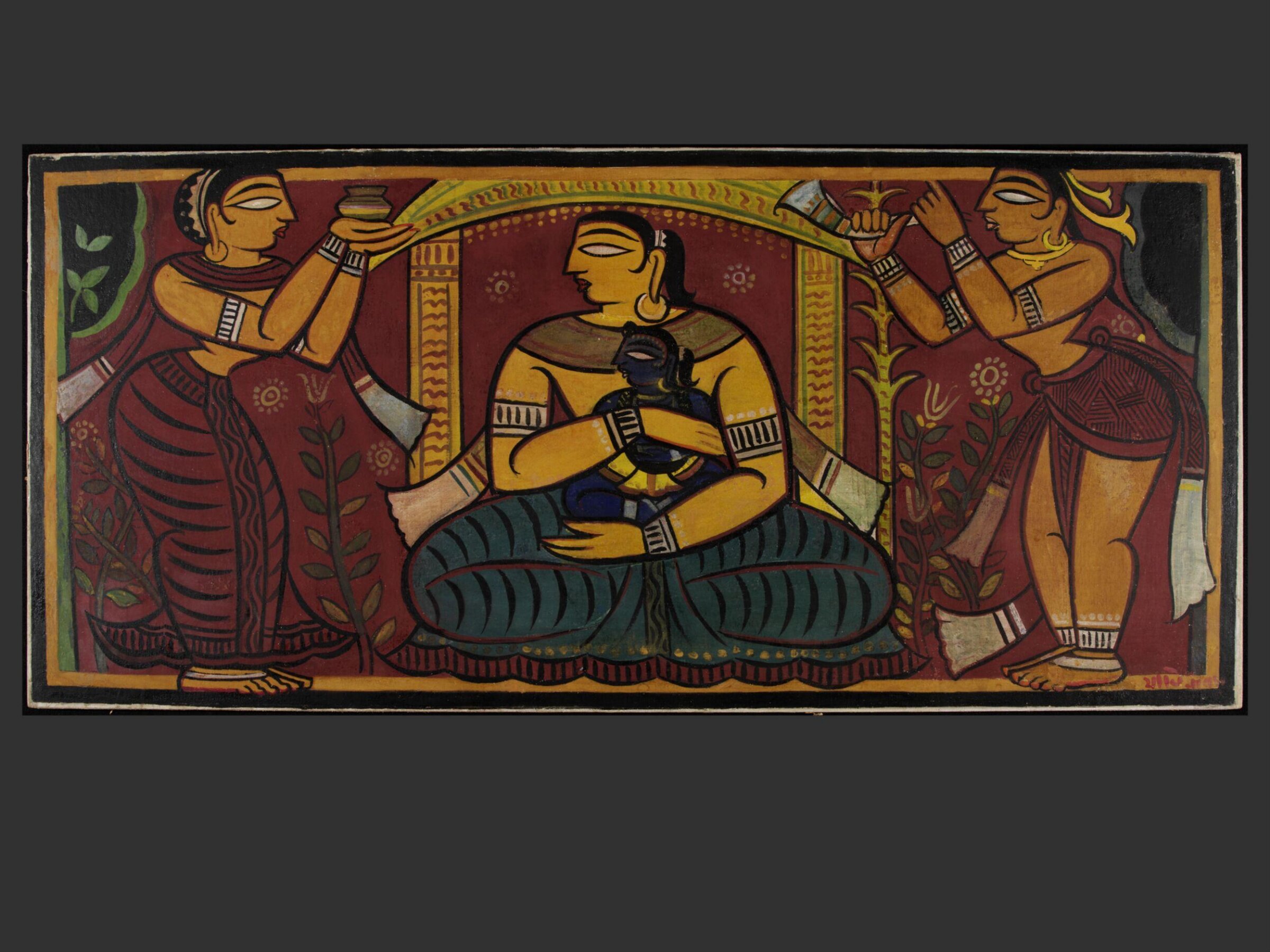
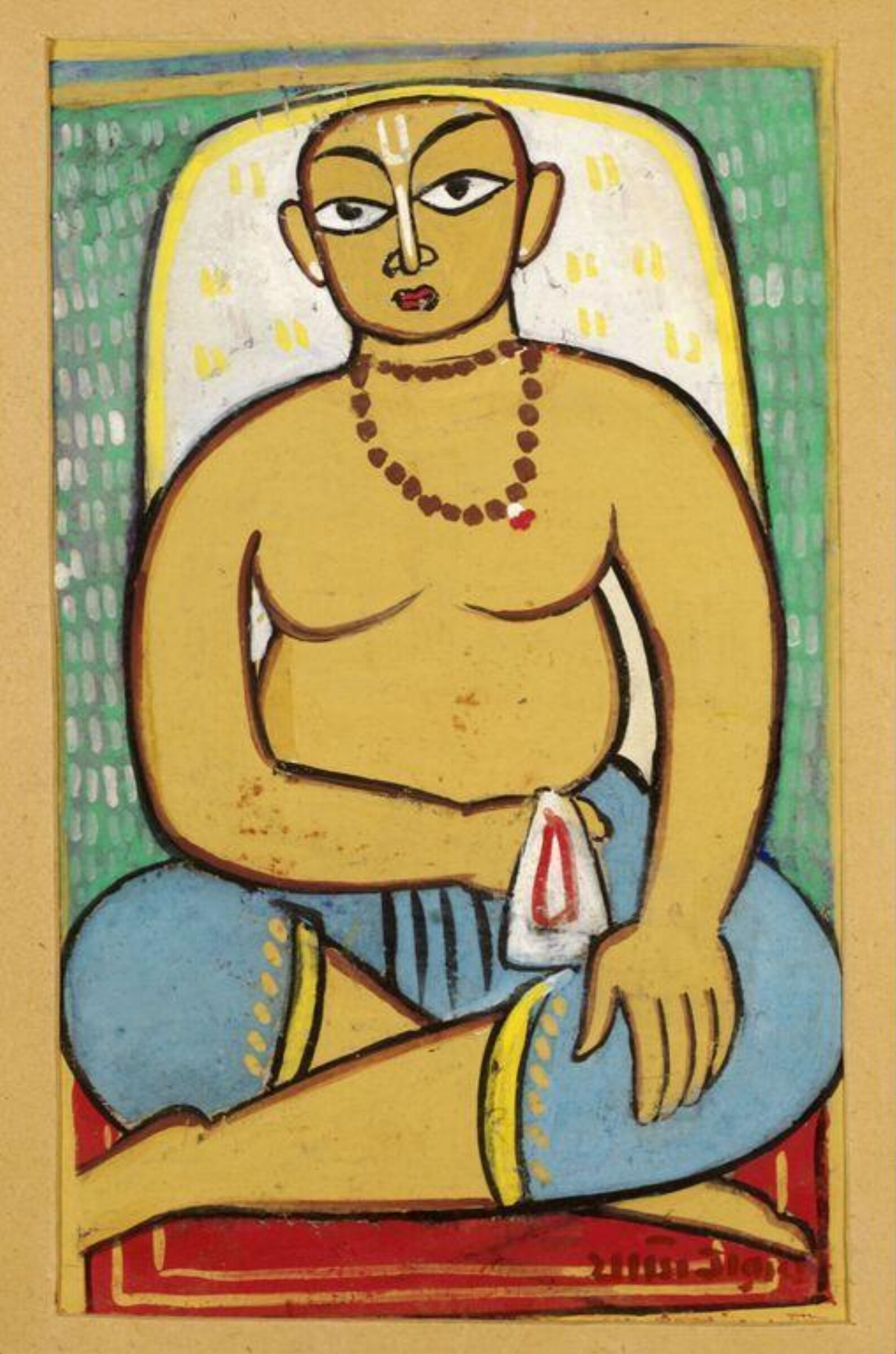
Jamini Roy (1887-1972) was one of the most important artists of the modern period in India, drawing on the popular and folk traditions of rural Bengal for his inspiration. He developed his own personal style which was characterised by bold lines and flat use of colour.
Read on
This sketch is one of a series in the V&A collection which show his experimentation with different subject matter. The drawing depicts the figure of the 'Babu'. The term initially used in modern South Asia as a sign of respect towards men was later deployed to describe an Indian clerk. In the early 20th century 'Babu' was frequently used to refer to bureaucrats and other government officials, especially by the Indian intelligentsia. In this work, Jamini has depicted the 'Babu' as a standing, stocky, moustached male figure in a dhoti; his right arm is raised whilst the other is resting beside him. Two lamp-shades hang from the ceiling and frame the composition. Between the figure's monumental feet, the artist has placed a very small creature.
Museu Vitória e Alberto
Pormenores
- Número de inventário
- IS.72-1979
What it shows
No catálogo
Fontes
- Museu Vitória e Alberto: the museum's own open data · obtido há 7 dias
- Imagem: Museu Vitória e Alberto — © Victoria and Albert Museum, London