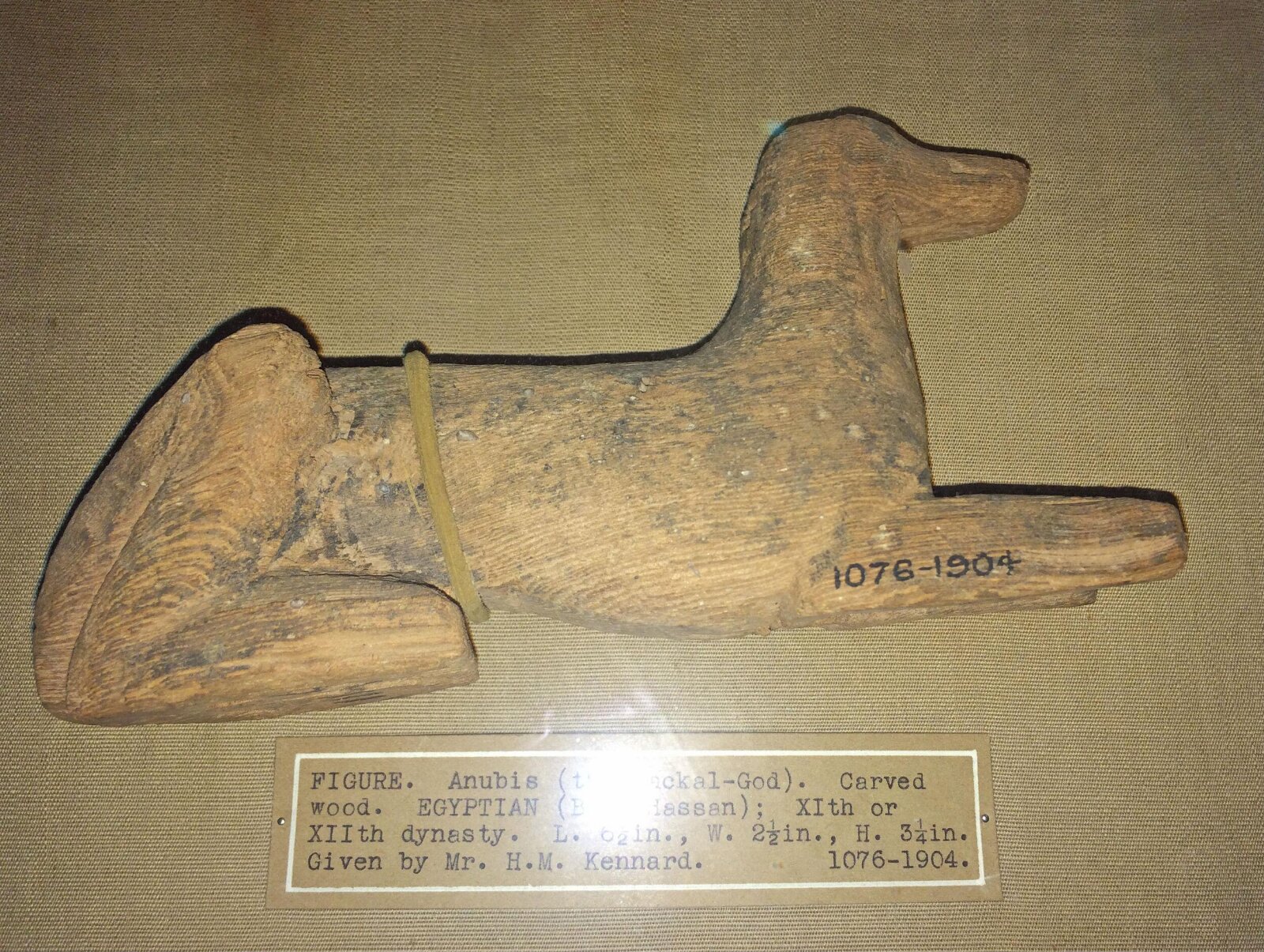
Anubis
可否一睹真容?
眼下不见客

维多利亚和阿尔伯特博物馆
倫敦, 英国
仍属馆藏,只是目前没有展出。
- 核实
- 7天前
- 此状态始于
- 2026年9月25日
- 出处
- 博物馆自己的馆藏数据
About the sculpture
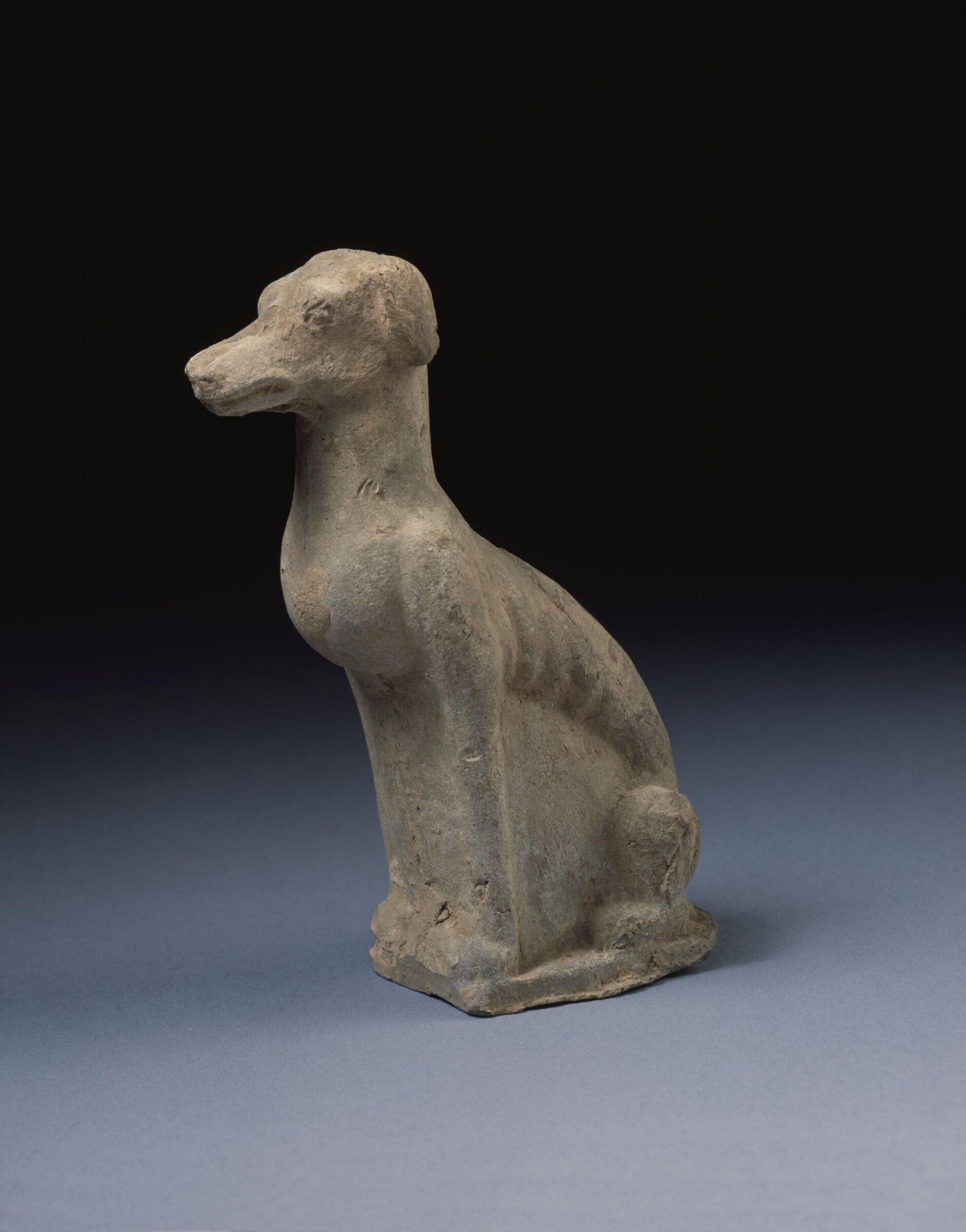
This figure of a couchant jackal, the symbol of Anubis, is from Egypt from the XIth or XIIth dynasty. It was found in a tomb at Beni-Hasan during the excavations by Mr. John Garstang in 1902-04.
The Egyptian god Anubis is the patron of mummification and the dead on their path through the underworld. He is represented as a jackal-headed god but unlike a real jackal, Anubis' head is black, representing his position as a god of the dead. He is rarely shown fully-human, but he is depicted so in the Temple of Abydos of Rameses II. There is a beautiful statue of him as a full jackal in the tomb of Tutankhamun.
Read on
Anubis is an incredibly ancient god, and was the original god of the dead before Osiris "took over" the position. After that point, Anubis was changed to be one of the many sons of Osiris and the psychopomp (conductor of souls) of the underworld. His totem of the jackal is probably due to the fact that jackals would hunt at the edges of the desert, near the necropolis and cemeteries throughout Egypt.
Prayers to Anubis are found carved on the most ancient tombs in Egypt, and his duties apparently are many. He watches over the mummification process to ensure that all is done properly. He conducts the souls through the underworld, testing their knowledge of the gods and their faith. He places their heart on the Scales of Justice during the Judging of the Heart, and he feeds the souls of wicked people to Ammit. He also has a daughter, Kabechet, who helps him in the mummification.
Anubis was worshipped widely throughout all of Egypt, and the cult center was at Cynopolis.
维多利亚和阿尔伯特博物馆
作品信息
- 馆藏编号
- 1076-1904
What it shows
已收入目录
出处
- 维多利亚和阿尔伯特博物馆: the museum's own open data · 7天前获取
- 图片: 维多利亚和阿尔伯特博物馆 — © Victoria and Albert Museum, London