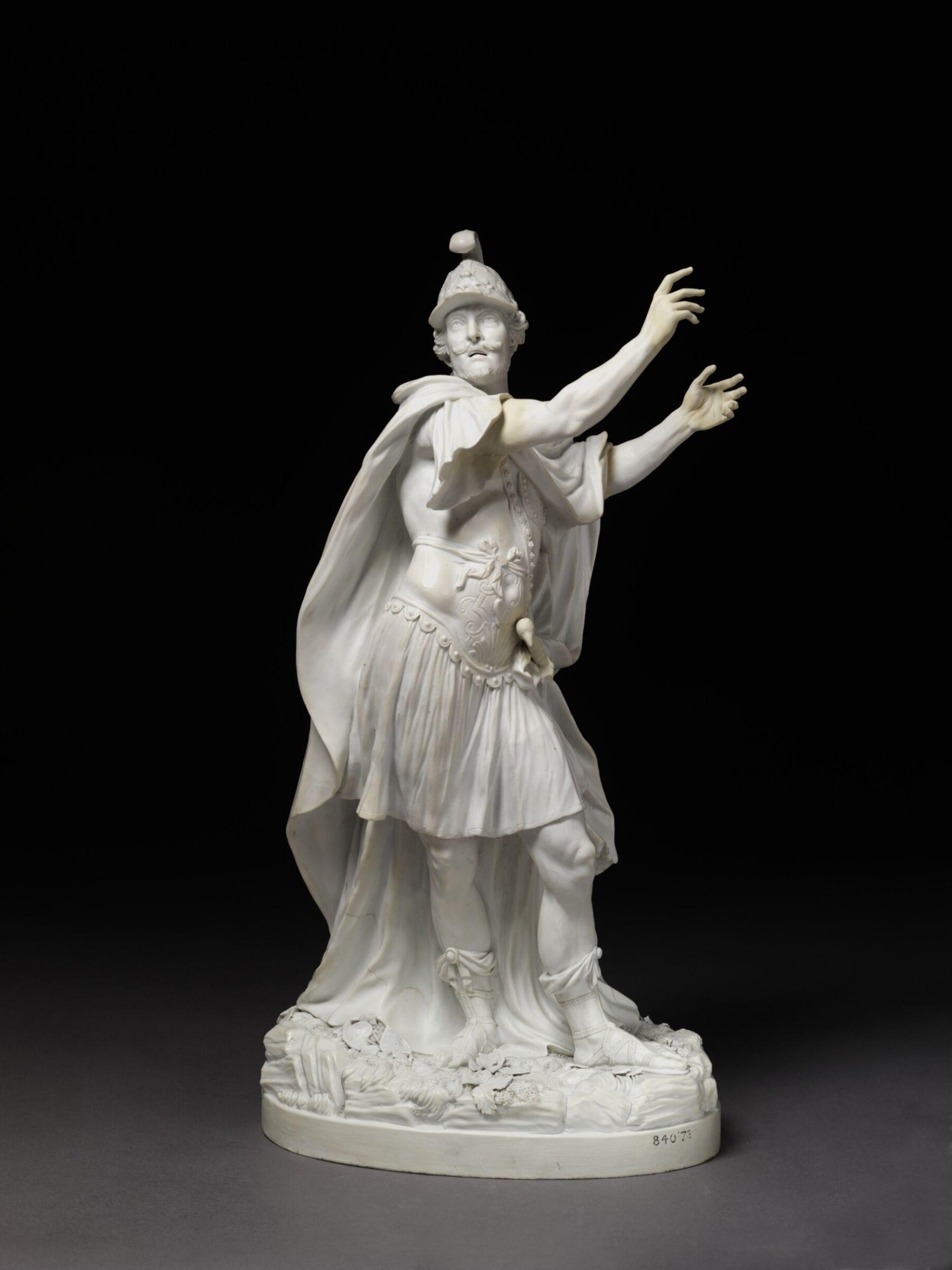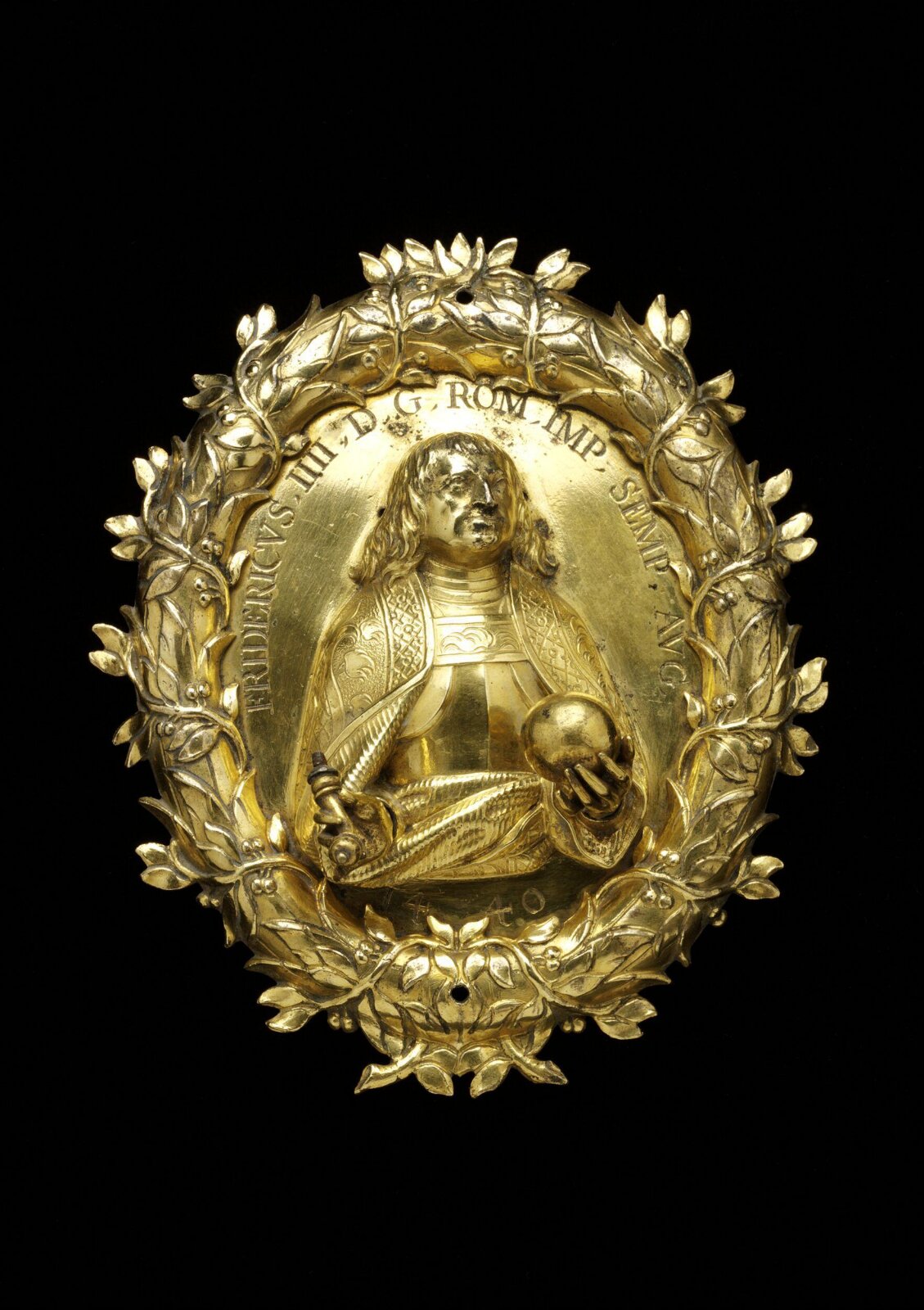
Frederick IV
可否一睹真容?
可以,正在迎客

维多利亚和阿尔伯特博物馆
展厅Europe 1600-1815, Room 6, The Lisa and Bernard Selz Gallery倫敦, 英国
正对公众展出。由谁担保,见下文。
- 核实
- 7天前
- 此状态始于
- 2026年9月25日
- 出处
- 博物馆自己的馆藏数据
About the sculpture
This plaque is one of nine survivors from an original set of thirteen depicting members of the Habsburg family who had been elected Emperor. This title consciously recalled the imperial power of the rulers of Ancient Rome, and the Emperor, elected by German princes, was expected to act as the secular equivalent of the Pope and defend the Catholic religion. In 1512 this religious aspect was reinforced when the imperial title was modified to 'Holy Roman Emperor'. This alteration may have been prompted by concerns about the emergence of the Protestant challenge to the Catholic religion. From 1438, when Albert II was elected Emperor, the title was virtually hereditary in the Habsburg dynasty. This set of portraits was probably made for someone with strong sympathies for the Habsburg dynasty.
Read on
The numbering of the images shows the series would have included a portrait (now lost) of Emperor Frederick III, who had usurped the imperial throne in 1314. Holes in the frame of the plaques suggest they were attached to furnishings, such as a cabinet. Series of historical or illustrious figures were a fashionable decorative device in the sixteenth and seventeenth century. Such sequences reminded the viewer of the lessons that could be learned from the study of the past.
维多利亚和阿尔伯特博物馆
作品信息
- 馆藏编号
- A.14-1977
What it shows
已收入目录
出处
- 维多利亚和阿尔伯特博物馆: the museum's own open data · 7天前获取
- 图片: 维多利亚和阿尔伯特博物馆 — © Victoria and Albert Museum, London