

French · 1834–1917
Edgar Degas
Classical draftsman, merciless observer, painter of bodies at work.
- 257
- works indexed
- 81
- on view now
- 5
- institutions
- 2
- countries
Biography
Degas called himself a realist, exhibited with the Impressionists, and belonged fully to neither camp. His subjects were bodies under discipline — dancers at the barre, laundresses, jockeys — caught from odd angles, cropped like photographs, drawn with a line he had trained on Ingres.
As his eyesight failed he moved to pastel and then to sculpture, modeling in wax the dancers he could no longer sharply see; the bronzes cast after his death rank among the great sculpture of the age.
Identifiers
- Wikidata: Q46373
- Getty ULAN: 500115194
- Biography: ART MAP editorial. Works and display states: museum collection data.
A life in the collection
Milestones from the life, interleaved with dated works from the ART MAP graph.
1834
Born in Paris to a banking family

1844
Program for the Soiree Artistique (Programme de la Soirée des anciens élèves du Lycée de Nantes)
National Gallery of Art
1855
Trains in the tradition of Ingres; copies the masters in Italy

c. 1855
Self-Portrait
National Gallery of Art
1856
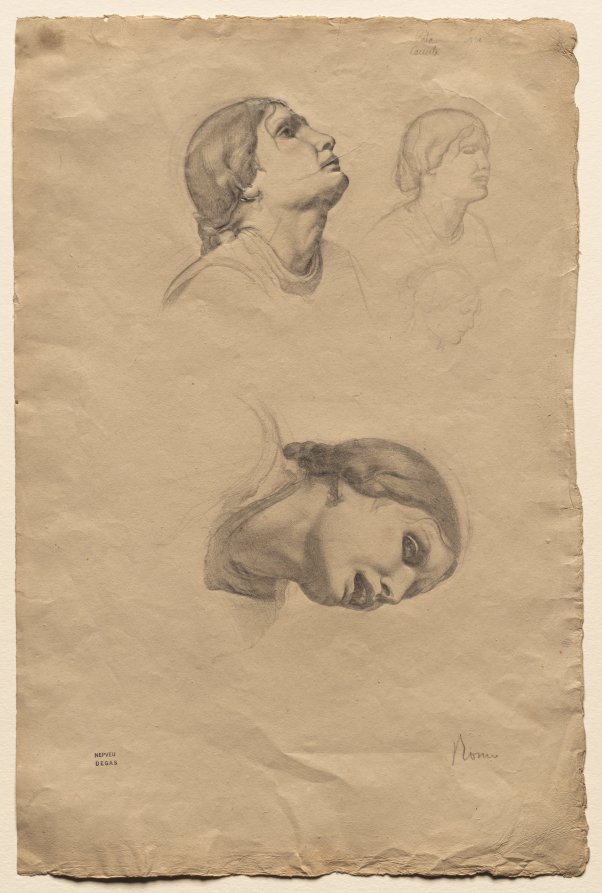
Four Studies of the Head of a Young Italian Woman
The Cleveland Museum of Art

1857
Self-Portrait
Art Institute of Chicago
1858
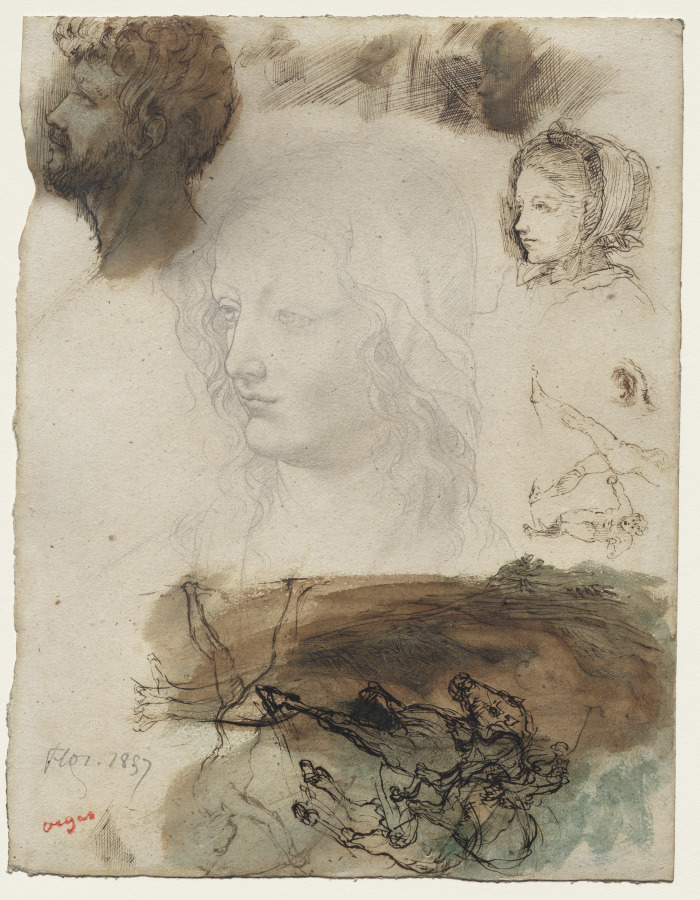
Sheet of Studies and Sketches
The Cleveland Museum of Art
1859–60
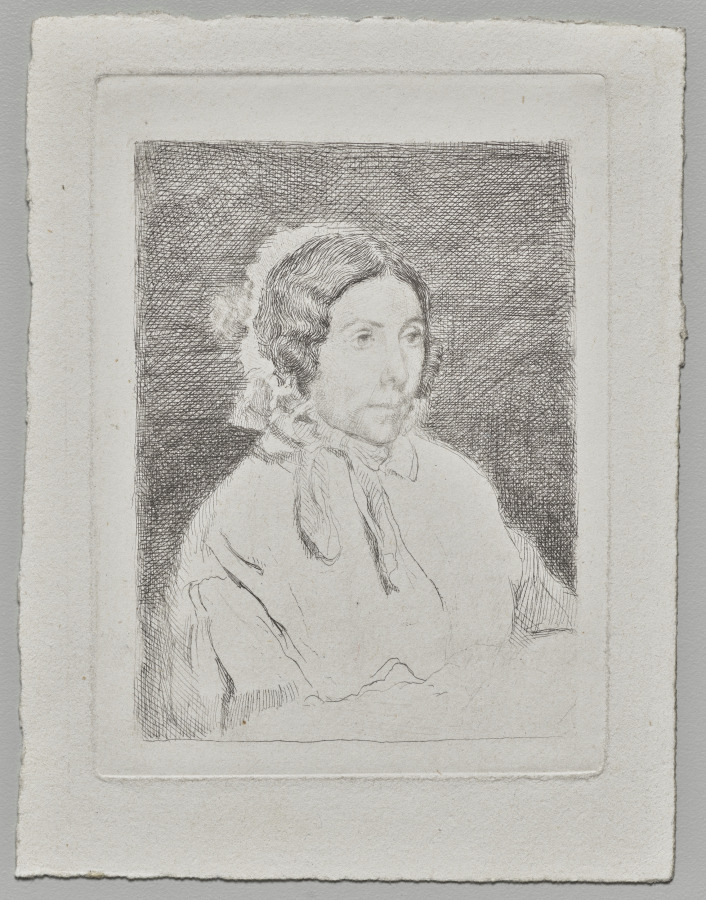
Woman in a Ruffled Cap
The Cleveland Museum of Art

c. 1860
Young Spartan Girls Challenging Boys
On view · Art Institute of Chicago

c. 1861
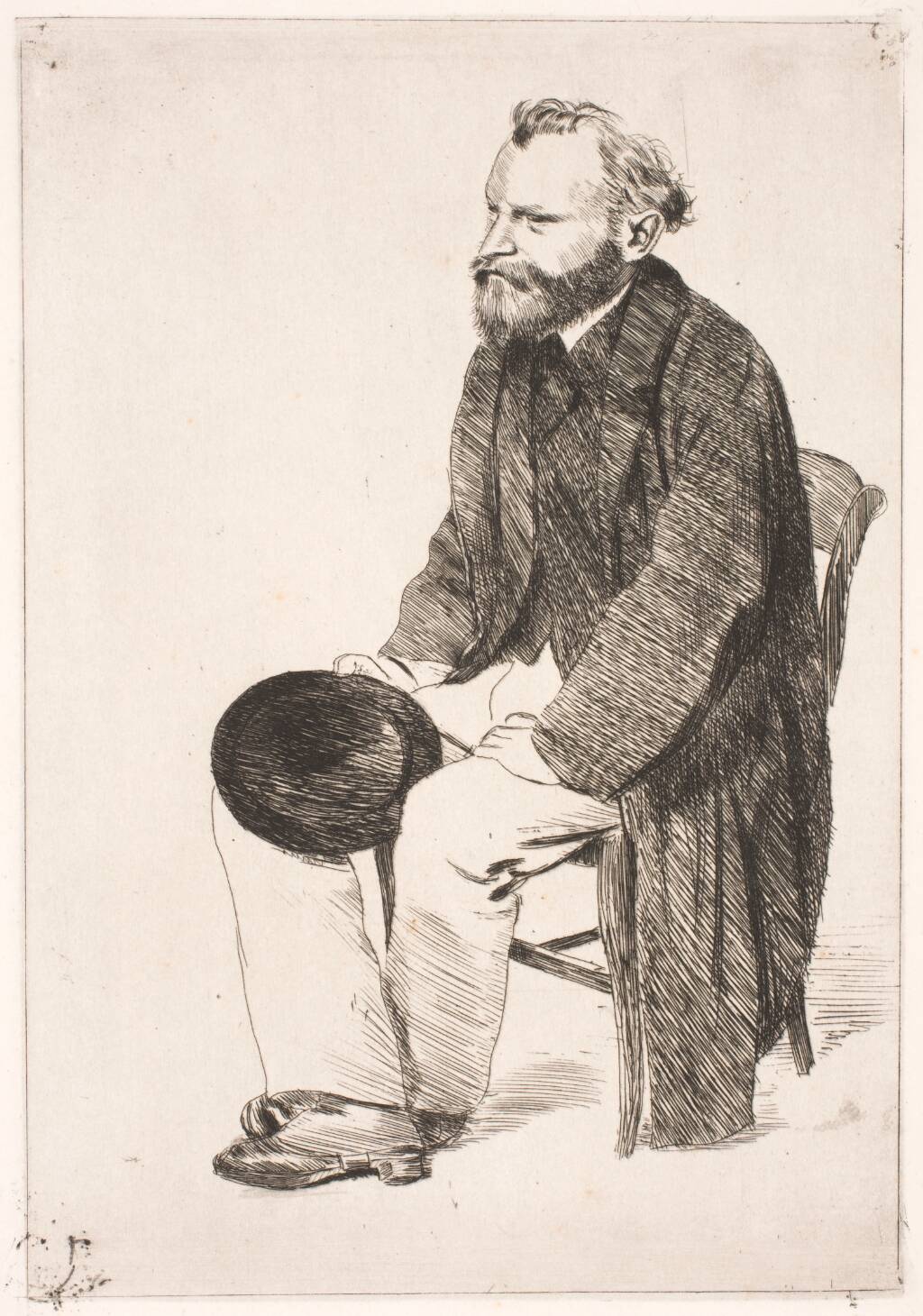
Manet Seated, Turned to the Left (Manet assis, tourné à gauche)
National Gallery of Art
1864
Manet, siddende, vendt mod venstre
SMK — National Gallery of Denmark
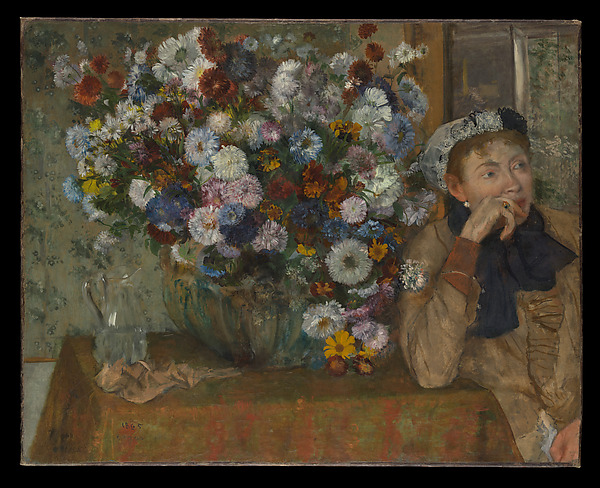
1865
A Woman Seated beside a Vase of Flowers (Madame Paul Valpinçon?)
On view · The Metropolitan Museum of Art
1874
Central organizer of the First Impressionist Exhibition
1881
Shocks Paris with the wax Little Dancer Aged Fourteen
1917
Dies in Paris, nearly blind, leaving 150 wax sculptures in his studio