
.jpg?width=240)
Dutch · 1853–1890
Vincent van Gogh
The painter who turned turbulence into color — and sold almost nothing in his lifetime.
- 57
- works indexed
- 19
- on view now
- 10
- institutions
- 6
- countries
Biography
Vincent van Gogh came to painting late and burned through it fast: a single decade, roughly 900 paintings, and a correspondence with his brother Theo that remains one of the most moving documents in the history of art. He began among the grey peasant interiors of the Dutch provinces, and ended under the mistral light of Provence, where color stopped describing the world and started carrying feeling itself.
The myth of the mad genius obscures a rigorous, deliberate worker who studied color theory, copied Japanese prints, and revised compositions again and again — three Bedrooms, seven Sunflowers. Unsold and largely unknown at his death in 1890, he became within a generation the most beloved painter of the modern age.
Identifiers
- Wikidata: Q5582
- Getty ULAN: 500115588
- Biography: ART MAP editorial. Works and display states: museum collection data.
A life in the collection
Biography events from the ART MAP knowledge graph, interleaved with dated works.
1853
Born in Groot-Zundert, the Netherlands, son of a pastor
1876
Works as an art dealer, teacher and lay preacher before choosing art

c. 1879/1880
The Zandmennik House
National Gallery of Art

1882
Old Man Carrying a Basket, Facing Right
National Gallery of Art

1883
Weeping Woman
Art Institute of Chicago

1884
Tetards (Pollards)
Art Institute of Chicago
1885
Paints The Potato Eaters — the dark masterpiece of his Dutch years

c. 1885
A Peasant Woman Digging in Front of Her Cottage
On view · Art Institute of Chicago
1886
Moves to Paris; discovers Impressionism and Japanese prints, his palette ignites
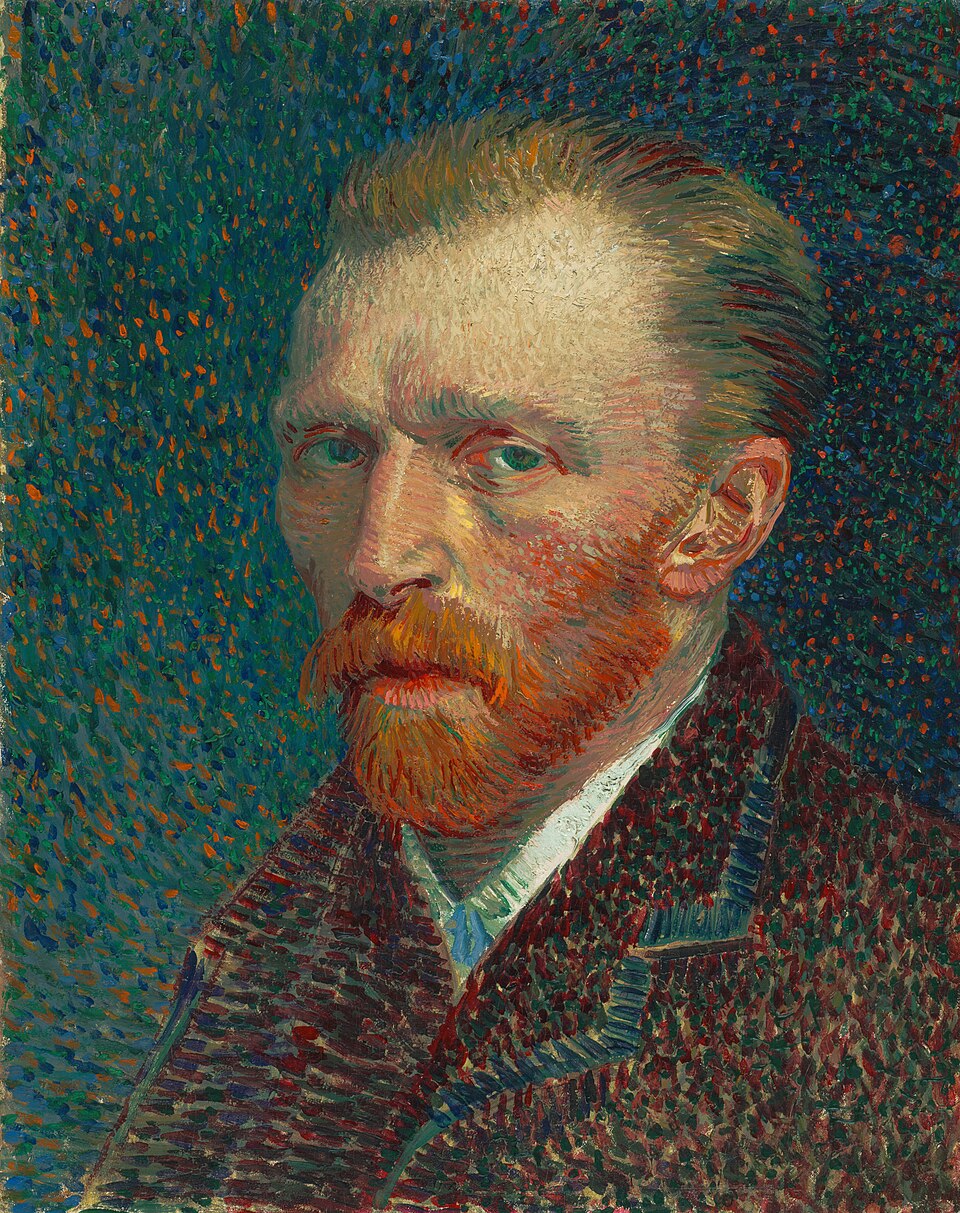
1887
Self-Portrait
On view · Art Institute of Chicago
1888
Settles in Arles; the Yellow House, Sunflowers, and the quarrel with Gauguin

1888
The Poet's Garden
On view · Art Institute of Chicago
1889
Enters the asylum at Saint-Rémy; paints The Starry Night and the second Bedroom
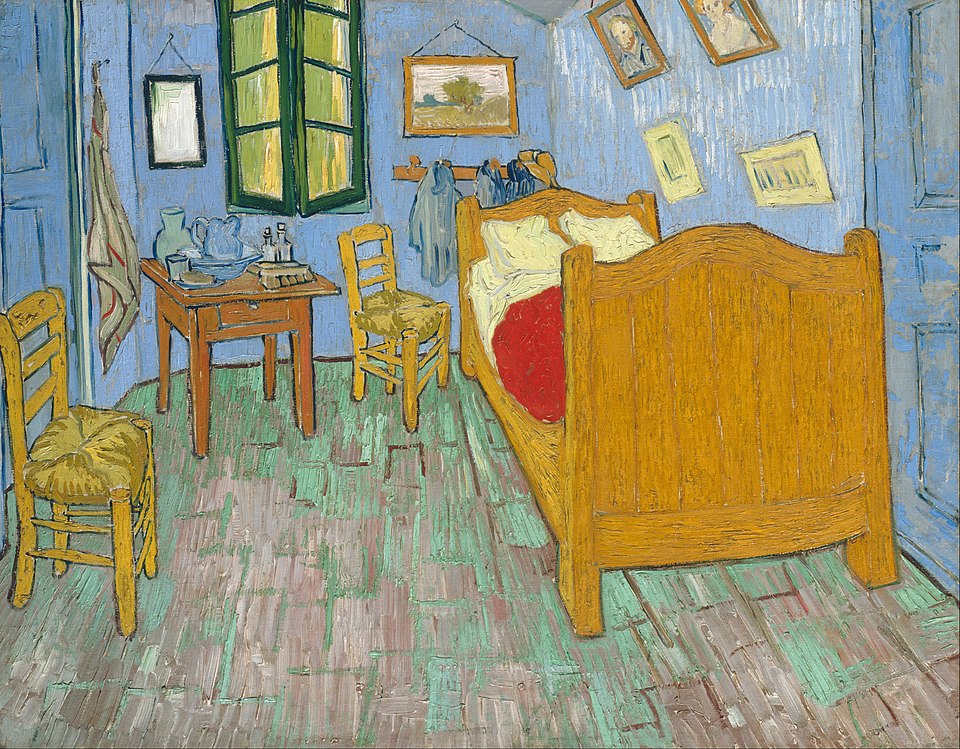
1889
The Bedroom
Art Institute of Chicago
1890
Final months in Auvers-sur-Oise — a canvas a day — dies in July, aged 37

1890
The Drinkers
On view · Art Institute of Chicago