 Mark RothkoVereinigte Staaten, 1903–1970
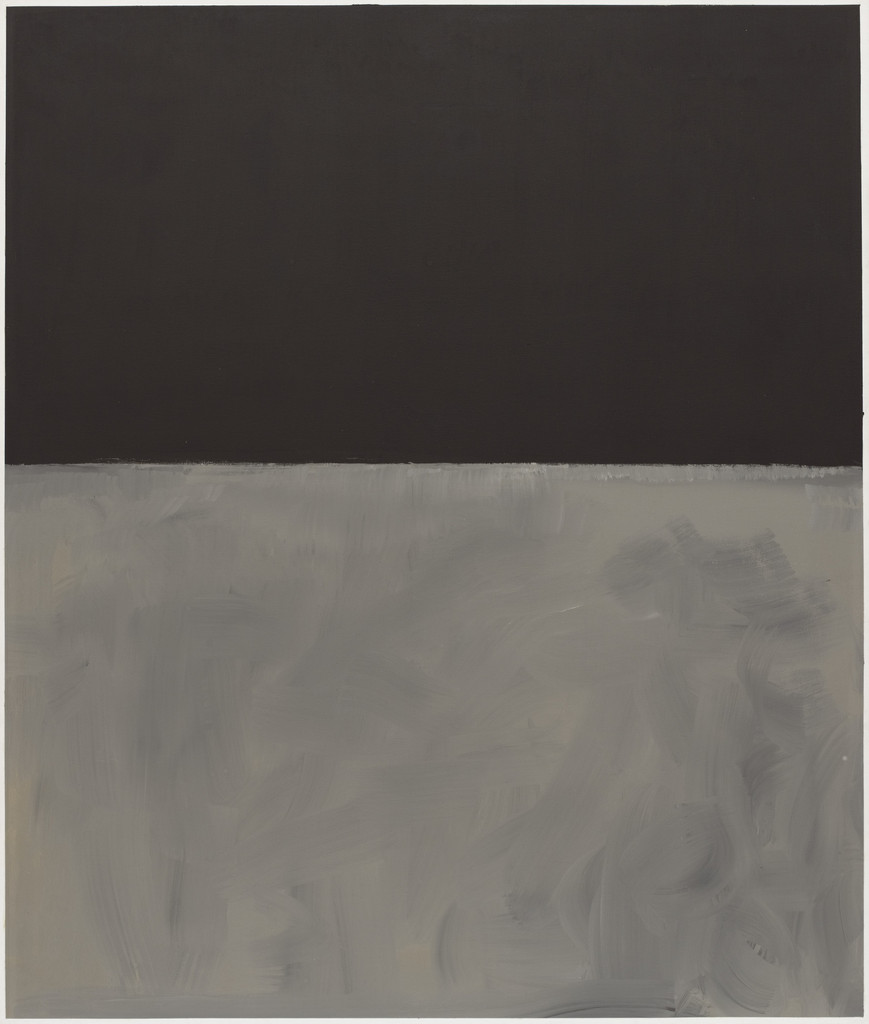
Untitled
Darf man es sehen?
Ja, es empfängt Besucher

Museum of Modern Art
SaalMoMA, Floor 4, 403New York City, Vereinigte Staaten
Öffentlich ausgestellt. Wer dafür bürgt, steht unten.
- Geprüft
- vor 10 Tagen
- Quelle
- Sammlungsdaten des Museums selbst
Angaben
- Inventarnummer
- 394.1986
Quellen
- Museum of Modern Art: the museum's own open data · abgerufen vor 10 Tagen
- Bild: Museum of Modern Art — © the artist or rights holder
Derweil im Leben von Mark Rothko
Das ganze Leben1964–1970
The Rothko Chapel: six years of work
The chapel for the oil millionaires John and Dominique de Menil in Houston was originally meant to be Roman Catholic, and for the first three years, until 1967, Rothko believed it would remain so; he took a close interest in its layout and insisted on a central cupola. Because of his health he hired two assistants to apply the layers of paint; on half of the works he applied none himself, calling the completion of the paintings “torment”.
1964–1970
The last studio on East 69th Street
In 1964 Rothko moved into his last New York studio at 157 East 69th Street. To simulate the lighting he wanted for the chapel he equipped it with pulleys carrying large walls of canvas material to regulate light from a central cupola.
spring 1968
An aneurysm is discovered
In the spring of 1968 Rothko was found to have an arterial aneurysm. He kept drinking and smoking heavily and ignored his diet, but heeded the advice not to take on canvases more than a metre high and moved to more compact formats; in his declining health he also began painting most of his large works in acrylic rather than oil.
1 January 1969
Divorce from Mell and a move into the studio
His marriage to Mell Beistle, already in deep crisis, was strained further by his illness; on the first day of 1969 they divorced and Rothko moved into his studio.
25 February 1970
Death in his studio
On 25 February 1970 Rothko’s assistant Oliver Steindecker found him dead on the kitchen floor of his studio. The autopsy showed that he had taken his own life after taking a large dose of antidepressants.
25. Februar 1970
Died