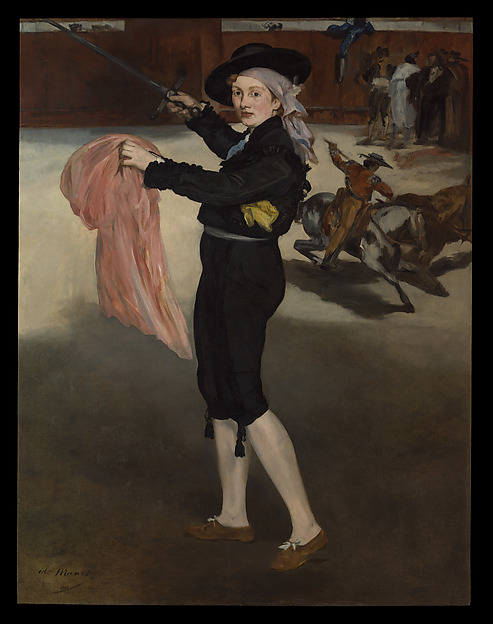
Édouard ManetFrench, 1832–1883
Chez Tortoni
May one see it?
No: it was stolen and is being sought
Listed in the FBI's National Stolen Art File under no. 01159.

Collection: Isabella Stewart Gardner Museum, Boston
- Checked
- 4 days ago· Reported
- In this state since
- Sep 30, 2026
- Source
- A register of stolen art
Particulars
- Accession number
- P3s5
Comings and goings
Stolen
Sep 30, 2026 — now · Reported
Whether it was on view is unknown
Isabella Stewart Gardner Museum · Sep 29, 2026 — Sep 30, 2026 · Unconfirmed
Sources
- The FBI's National Stolen Art File · fetched 2 days ago
- Wikidata · fetched 3 days ago
- Image: Isabella Stewart Gardner Museum — Édouard Manet · Public domain · Wikimedia Commons
Meanwhile, in the life of Édouard Manet
The whole life1870s
Refuses to exhibit with the Impressionists
Although his own work influenced and anticipated the Impressionist style, Manet resisted involvement in Impressionist exhibitions: he did not wish to be seen as the representative of a group identity and held that modern artists should seek to exhibit at the Salon.
1873
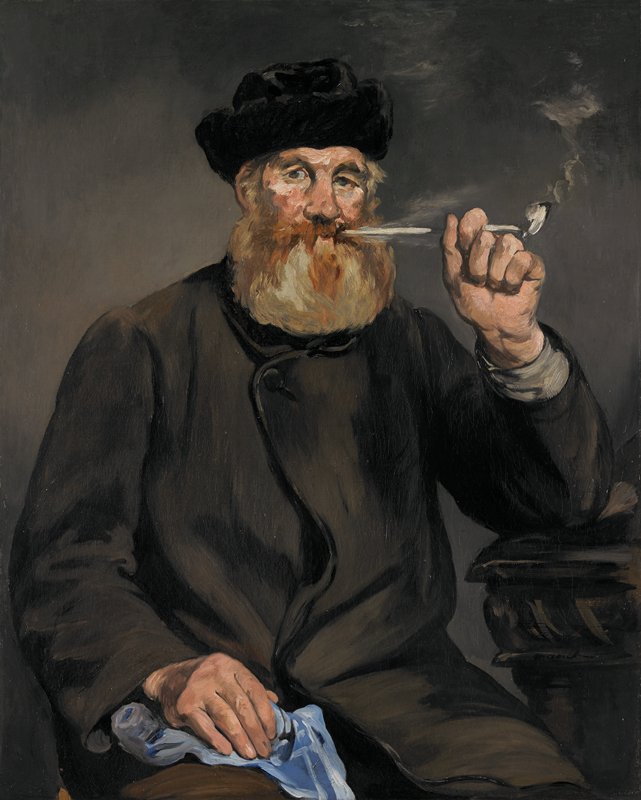
“Le Bon Bock”: a huge success
In his new studio in 1873 Manet painted “Le Bon Bock”, which became famous: for the first time in almost fifteen years he had a huge success, yet he did not turn into a fashionable, opportunistic painter.
1874
Plein air in Argenteuil beside Monet
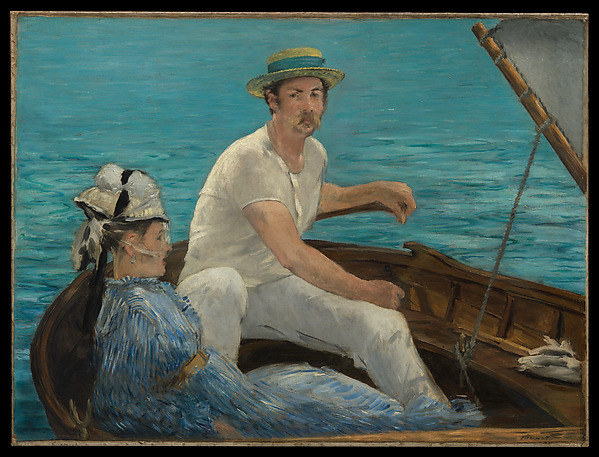
In 1874 Manet painted many canvases en plein air at Argenteuil, side by side with Claude Monet, evidence of his growing closeness to the young Impressionists.
1874
“The Railway”: ridicule at the Salon of 1874
“The Railway”, painted in 1873, puzzled visitors and critics at the Salon of 1874: its subject seemed baffling, its composition incoherent and its execution sketchy; caricaturists ridiculed it, and only later was it recognised as a symbol of modernity. The model was Victorine Meurent, for the last time.
1874
Morisot marries Manet's brother
In 1874 Berthe Morisot married Manet's brother Eugène and became his sister-in-law; it has been speculated that there was a repressed love between Manet and Morisot, exemplified by the numerous portraits he made of her before her marriage.
1874–1876
The Salon jury rejects his paintings again
In 1874 the jury rejected “Masked Ball at the Opera”, and in 1876 both paintings Manet sent. Independent exhibitions in those years brought nothing but public censure and the mockery of critics.