Édouard ManetFrench, 1832–1883
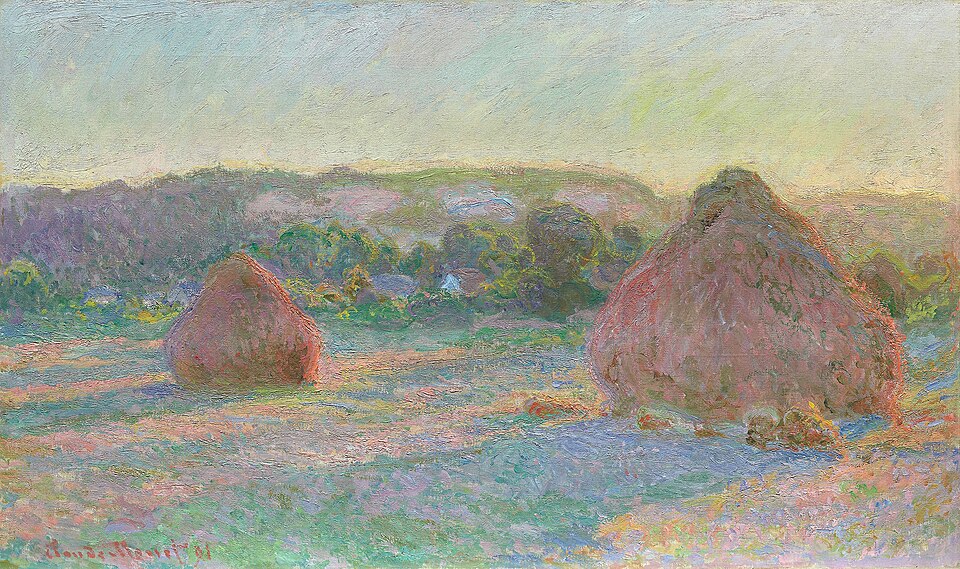
Seated Nude
May one see it?
Not receiving at present

Art Institute of Chicago
Chicago, United States
It belongs to the collection, but is not on display at present.
- Checked
- 3 days ago
- In this state since
- Aug 19, 2026
- Source
- The museum's own collection data
Particulars
- Accession number
- 1967.30
In the catalog
Sources
- Art Institute of Chicago: the museum's own open data · fetched 3 days ago
- Image: Art Institute of Chicago — CC0
Meanwhile, in the life of Édouard Manet
The whole life1850–1856
A break with Couture and a return at his father's insistence
Manet increasingly rejected the bourgeois bent of the dominant style and finally left Couture's studio, but at his father's insistence he had to apologise and return, keeping his rejection of strict academicism.
1856
Opens his own studio
In 1856 Manet opened a studio. His style in this period was characterised by loose brush strokes, simplification of details and the suppression of transitional tones; he adopted the realism initiated by Gustave Courbet.
1856–1858
Baudelaire and the studio on Rue Lavoisier
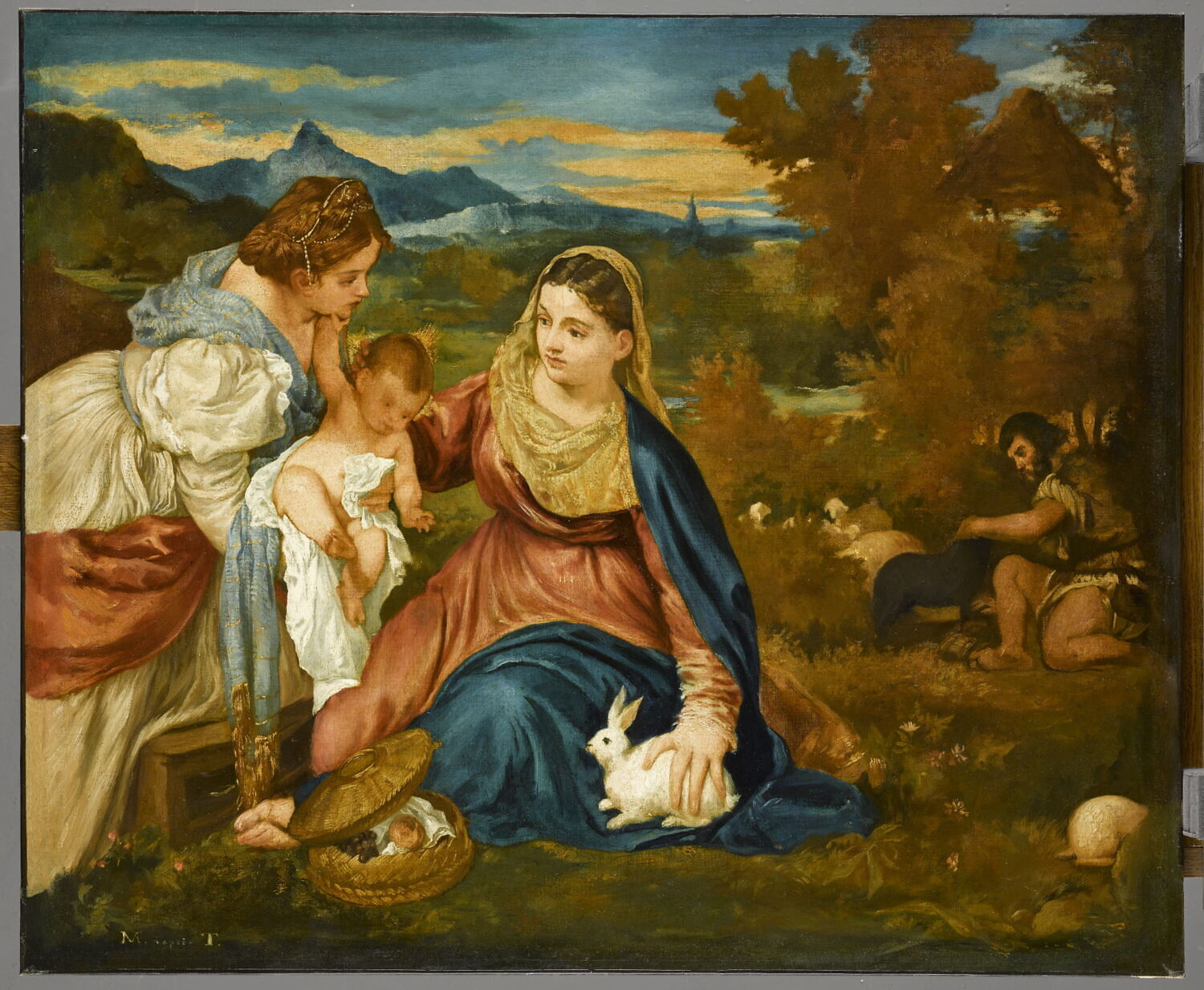
In 1856–1858 Manet became known as a promising artist and was invited to various salons, forming a particularly warm friendship with the poet Charles Baudelaire. Together with Count Albert de Balleroy he rented premises on Rue Lavoisier as a studio, and went to the Louvre every day to copy famous paintings.
1859
“The Absinthe Drinker” rejected; a final break with Couture
In 1859 Manet decided that his education was complete and submitted “The Absinthe Drinker” to the Salon; Couture reacted negatively and Manet finally broke with his teacher. The Salon jury rejected the painting: only Delacroix voted for it, while Couture voted against.
1859
The suicide of his boy assistant Alexandre
Soon after the break with Couture came a new tragedy: Alexandre, the boy who helped Manet in the studio and became the subject of his “Boy with Cherries”, hanged himself.